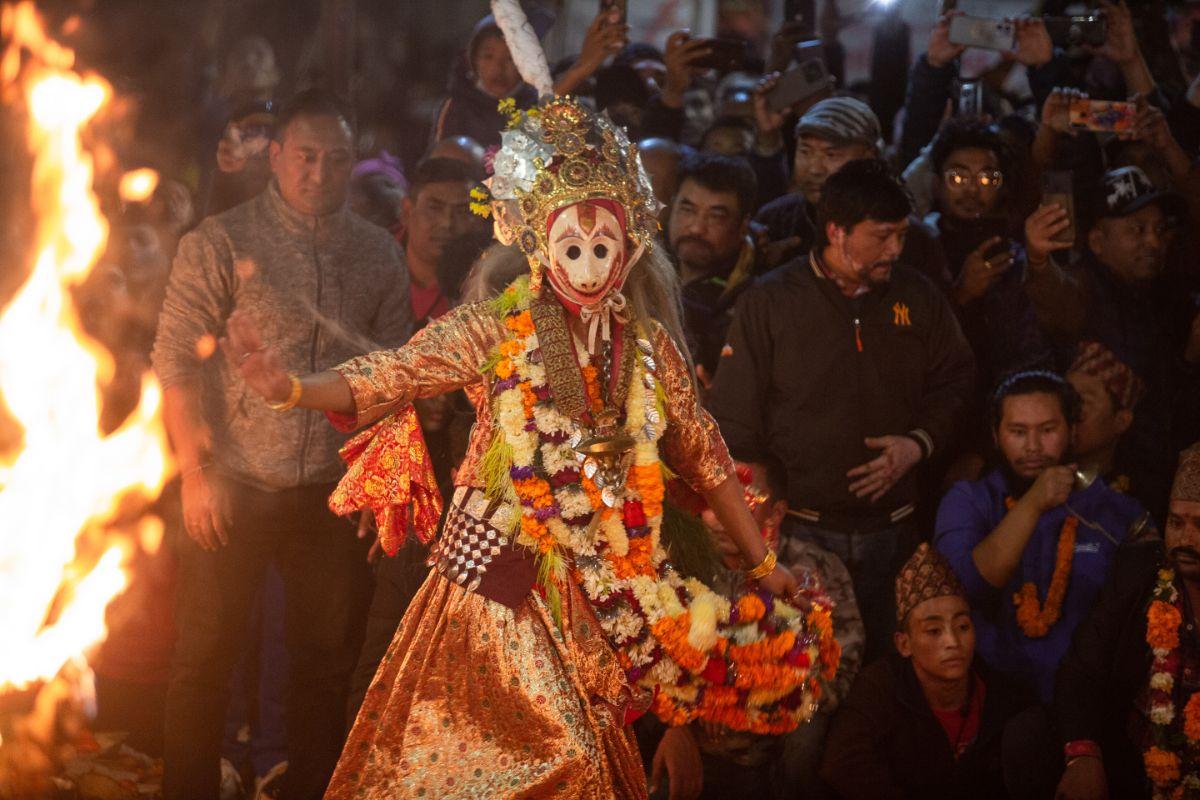
The historic Kartik Naach, one of Nepal’s oldest and most significant traditional performing arts dating back 386 years to the Malla era, has begun in Patan, Lalitpur, offering visitors an opportunity to experience the country’s rich cultural and religious heritage. The traditional dance-drama will be performed for 12 consecutive days, from November 13 to November 24, at Kartik Dabali in the historic Patan Durbar Square.
Organised by the Kartik Naach Preservation Committee, the annual performance showcases traditional Newari art, religious stories, mythology and theatrical practices that have been preserved for generations. The organisers have also invited members of the public, culture enthusiasts and both domestic and international tourists to observe the performances and support the preservation of this historic cultural tradition.
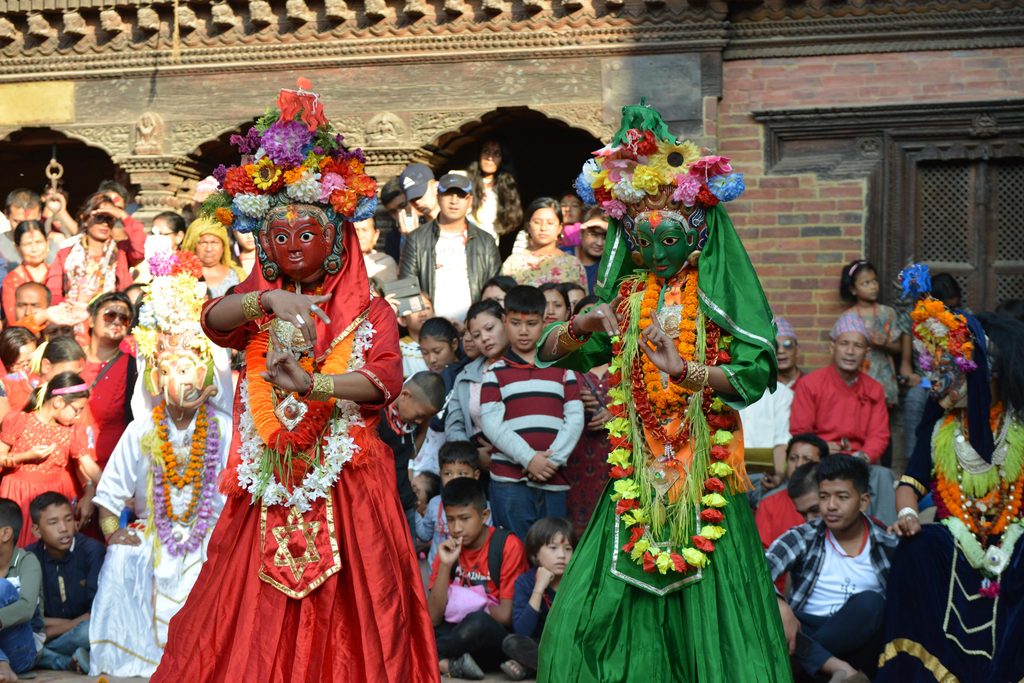
A 386-Year-Old Cultural Tradition of the Malla Era
Kartik Naach, locally known in Nepal Bhasa as ‘Katti Pyakhan’, was introduced in 1697 AD (Nepal Sambat 761) by Malla King Siddhinarasimha Malla. The performance was established with religious and cultural objectives, including prayers for the welfare of the country and its people. Over the centuries, it has remained an important part of Patan’s cultural identity and a living representation of the artistic and theatrical traditions of the Malla period.
The traditional dance-drama features various incarnations of Lord Vishnu, episodes from the life of Lord Krishna, religious narratives and traditional folk theatre. Through music, dance, costumes and dramatic storytelling, Kartik Naach presents stories deeply rooted in Hindu mythology and Newari cultural practices. Its continued performance reflects the efforts of local communities and cultural organisations to preserve Nepal’s traditional performing arts and pass them on to future generations.
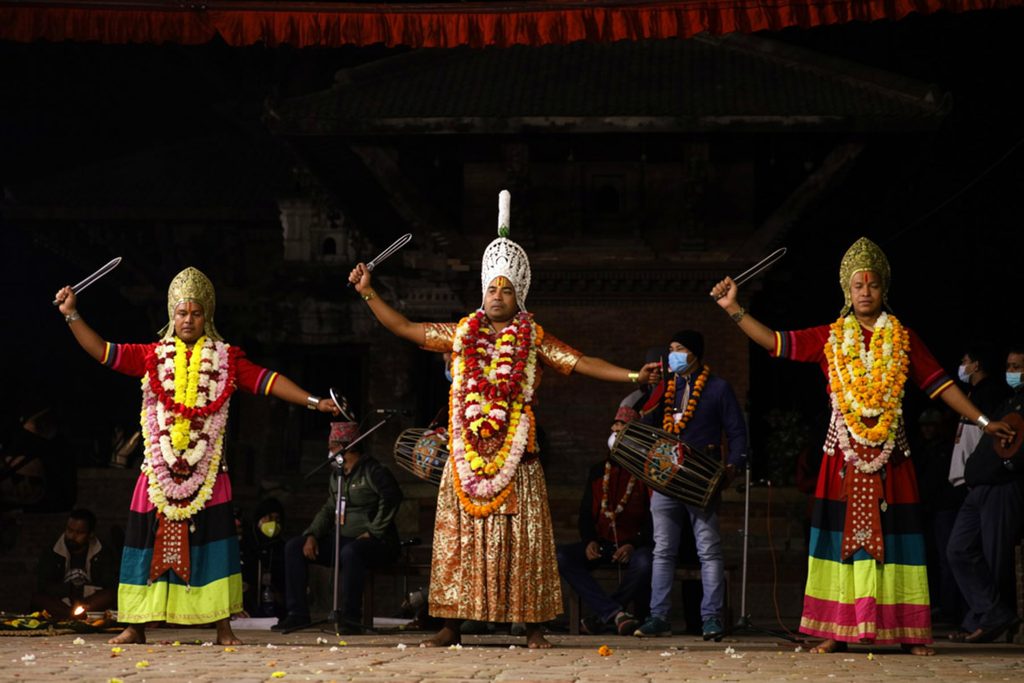
Twelve Days of Traditional Performances at Patan Durbar Square
According to Kartik Naach Preservation Committee Chairperson Kiran Chitrakar, this year’s performance will continue for 12 days, from Kartik 27 to Mangsir 8, with programmes beginning every evening at 7:00 PM at Kartik Dabali in Patan Durbar Square. Committee Vice-Chairperson Prakash Raj Sharma stated that this year’s programme will include several traditional performances, including Bhakta Surdas Pyakhan, Madhavan Leela, Bayah Pyakhan, Bathah Pyakhan, Jalashayan, Varaha Avatar, Narasimha Avatar, Vastraharan Leela and Dadhi Leela.
The duration of Kartik Naach has changed over the years. From 1981 to 2003, it was generally performed for eight days, while it was extended to 10 days in 2013 and 12 days from 2014 to 2019. Due to the COVID-19 pandemic, the performance was limited to just two days in 2020. The current 12-day programme continues the tradition of presenting the historic dance-drama over an extended period.
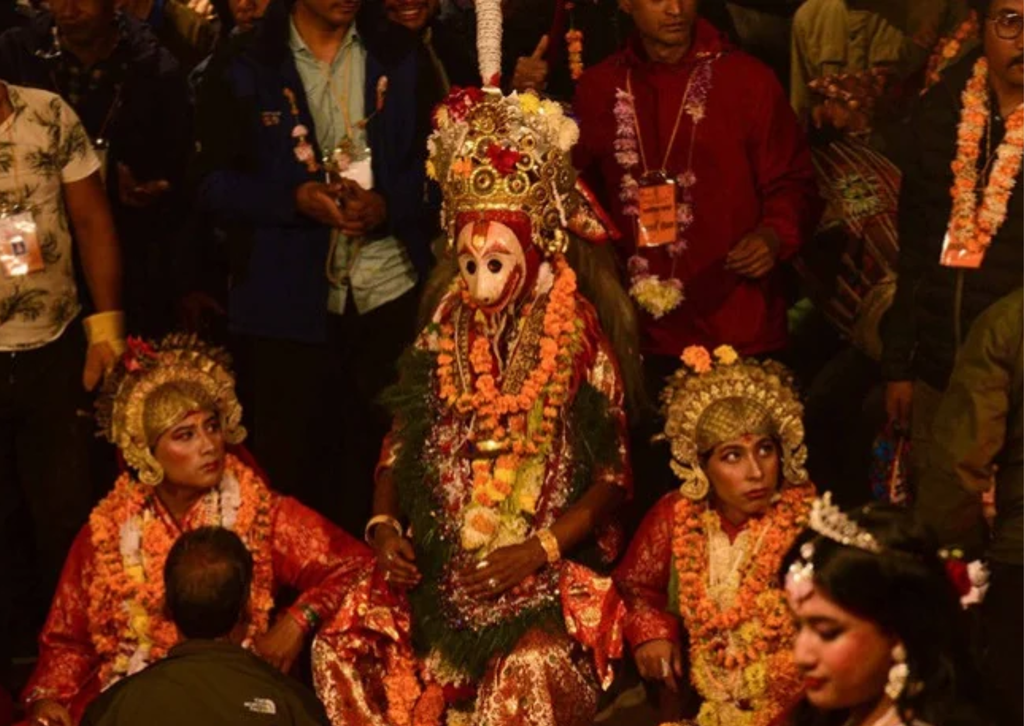
Preservation Efforts and Plans to Extend the Performance
Despite its historical and cultural significance, the long-term preservation of Kartik Naach faces challenges, particularly in securing sustainable financial resources, supporting the professional development of performers and transferring traditional skills and knowledge to younger generations.
Lalitpur Metropolitan City previously established an endowment fund of NPR 10 million for the preservation of Kartik Naach, which was later increased by an additional NPR 10 million. This year, Ward No. 16 of the metropolitan city is providing NPR 1.5 million to support the organisation of the performance. The preservation committee has also set a target of establishing a NPR 100 million endowment fund to ensure the tradition’s long-term continuity.
According to Sanjay Sharma Rajopadhyay, coordinator of the Kartik Naach publicity committee, the organisers aim to create the necessary conditions to restore the performance to its original 27-day format. Lalitpur Metropolitan City Ward No. 16 Chairperson Nirmal Ratna Shakya also stated that efforts are underway to establish Kartik Naach as a cultural heritage of national importance and prepare for its recognition as an intangible cultural heritage at the international level. The organisers are also preparing to extend the performance to 27 days next year.
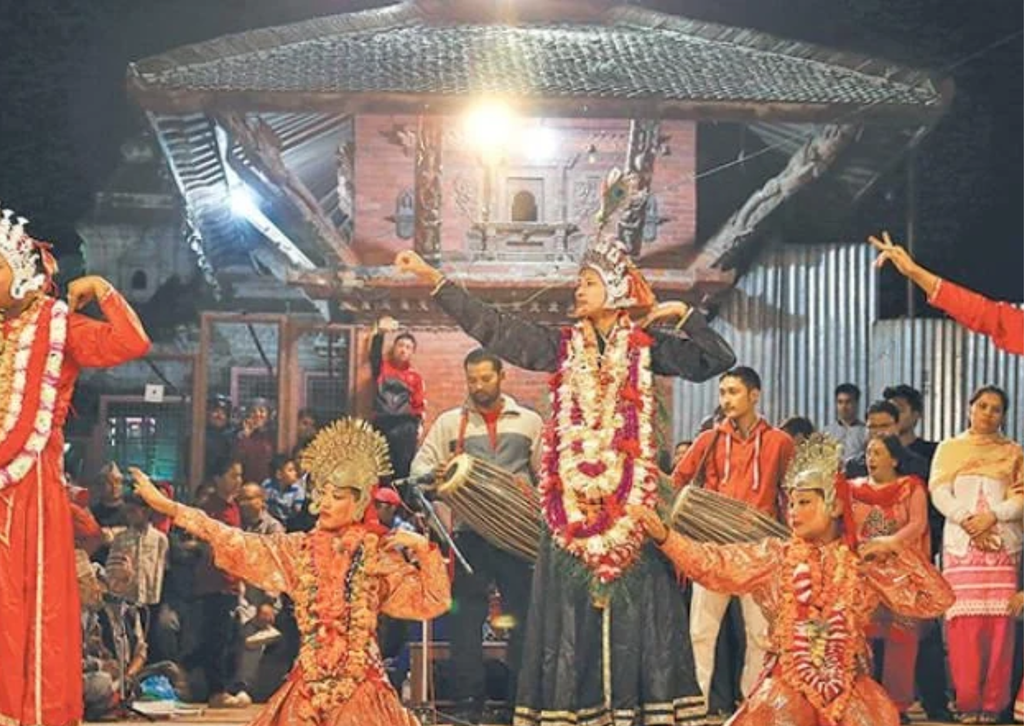
Kartik Naach Strengthens Patan’s Cultural Tourism Appeal
Kartik Naach offers an important opportunity to promote Patan as a cultural and heritage tourism destination. Patan Durbar Square, renowned for its historic palaces, temples, traditional architecture and Newari craftsmanship, provides a distinctive setting for visitors to experience Nepal’s living cultural traditions. The annual performance adds another cultural attraction to the historic city, allowing domestic and international tourists to observe traditional dance, music, religious storytelling and theatrical expressions that have continued for nearly four centuries. Such cultural events also help strengthen community-based heritage preservation while creating opportunities to promote Nepal’s traditional arts and cultural identity to international audiences.
The Kartik Naach Preservation Committee has appealed to the general public, cultural enthusiasts and domestic and foreign tourists to attend the performances and support the conservation of this historic tradition. Through continued preservation, wider participation and efforts to gain international recognition, Kartik Naach is expected to remain an important part of Nepal’s cultural heritage and contribute to the promotion of cultural tourism in Patan.
Source-RSS