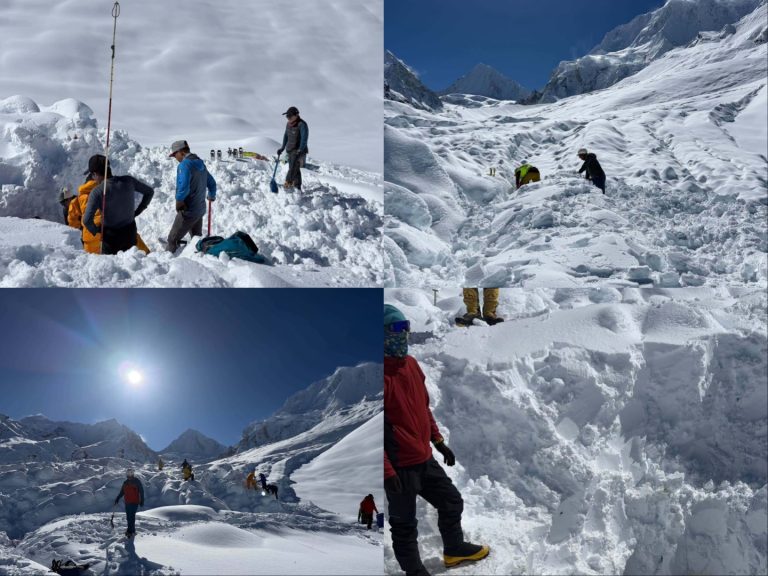
A total of 637 climbers from 68 expedition teams have obtained permits to climb 18 different mountains in Nepal during the autumn 2026 climbing season, according to the Department of Tourism. The climbers include 474 men and 163 women, reflecting continued international interest in Nepal’s Himalayan peaks during the autumn season. According to Suraj Ghimire, information officer at the Department of Tourism, the government has collected Rs 238.52 million in royalties from the climbing permits issued for the 18 mountains.
Manaslu Remains the Most Sought-After Peak
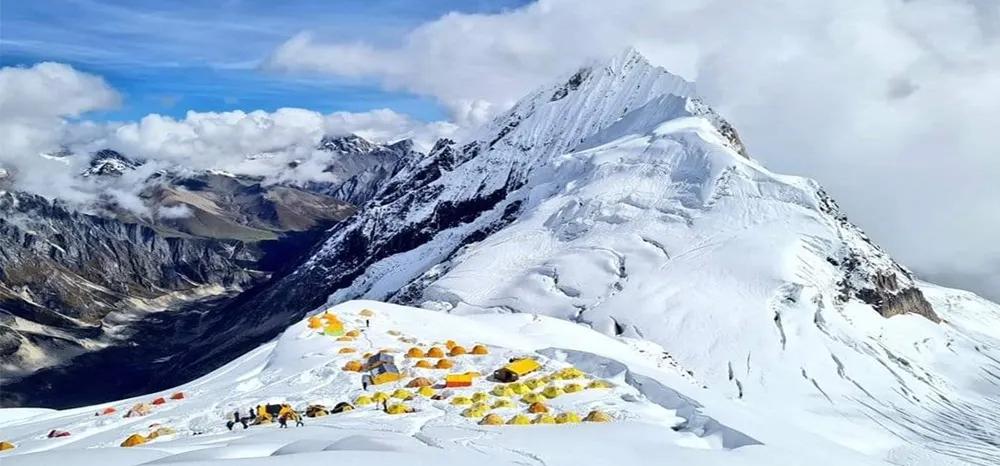
Among the mountains for which climbing permits have been issued this autumn, Mt. Manaslu (8,163 metres) has attracted the largest number of climbers. A total of 500 climbers representing 43 expedition teams have secured permits to attempt Manaslu this season. The government has collected Rs 225.86 million in royalties from the permits issued for Manaslu alone.

The figures show the dominant position of Manaslu in Nepal’s autumn mountaineering activities, with the peak accounting for the overwhelming share of both climbers and royalty revenue generated during the season.
Dhaulagiri and Other Peaks Attract Climbers
The Department of Tourism has also issued permits for several other Himalayan peaks. According to the department, 34 climbers from four teams have obtained permits for Dhaulagiri I, while 20 climbers from two teams have secured permits for Putha Hiunchuli.
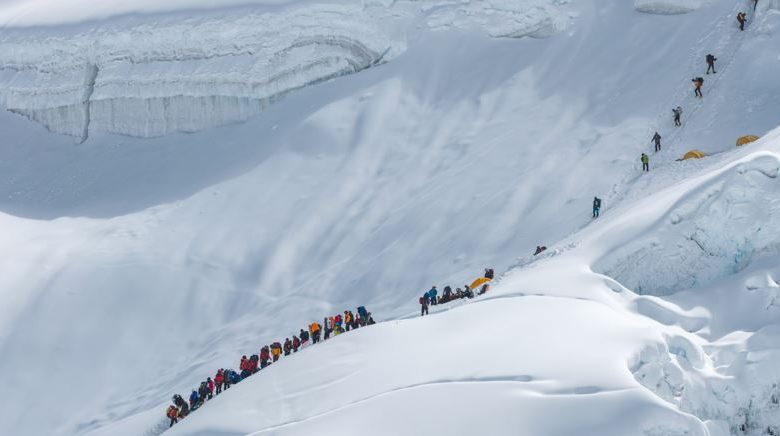
Similarly, 16 climbers from two teams have received permits to climb Dhangga Hiunchuli, while 10 climbers from one team have obtained permission for Baruntse. The distribution of permits across different peaks indicates that mountaineering activity is not limited to the most prominent eight-thousand-metre mountains, with expedition teams also targeting a range of high-altitude peaks across Nepal.
Permits Issued for Diverse Himalayan Peaks
In addition to Manaslu, Dhaulagiri I, Putha Hiunchuli, Dhangga Hiunchuli and Baruntse, climbing permits have been issued for several other mountains. The permitted peaks include Makalu, Gangapurna West (Langchenel), Thorong Peak, Norbu Khang, Annapurna IV, Chamlung, Lamjung Himal, Pumori, Saribung, Thapa Peak (Dhampus), Pokhar Khang, Ardang and Peri, among others. These mountains span different Himalayan regions and offer a variety of climbing experiences, ranging from major expedition peaks to technically challenging alpine objectives.

Government Revenue Exceeds Rs 238 Million
The Department of Tourism has collected US$1,568,734, equivalent to Rs 238.52 million, from the climbing permits issued for the autumn season. The royalty collected from mountaineering permits represents an important source of government revenue from Nepal’s adventure tourism sector. The high concentration of revenue from Manaslu also reflects the peak’s popularity during the autumn climbing season. Of the total Rs 238.52 million collected from the 18 mountains, Rs 225.86 million has come from Manaslu climbing permits.
Autumn Season Sees Continued Mountaineering Activity
The autumn season is one of Nepal’s major periods for Himalayan mountaineering, attracting climbers from different parts of the world. With hundreds of climbers securing permits for peaks across the country, Nepal’s Himalayan destinations continue to draw international expedition teams seeking high-altitude climbing experiences. The Department of Tourism’s latest figures provide an overview of the scale of mountaineering activity during the autumn 2026 season, with 637 climbers, 68 teams and 18 peaks included in the permits issued so far.