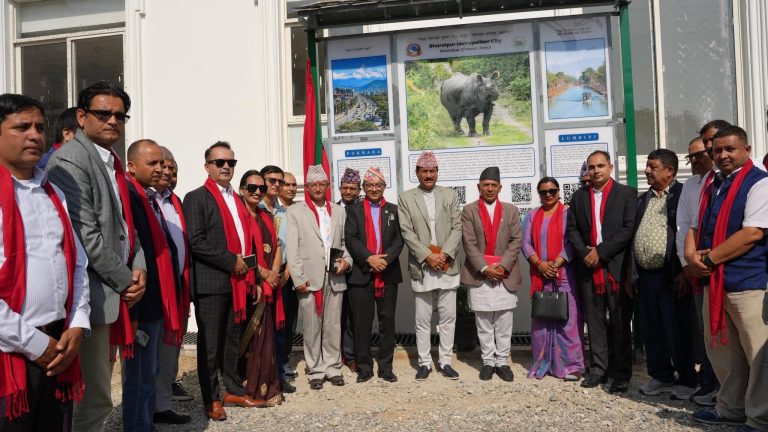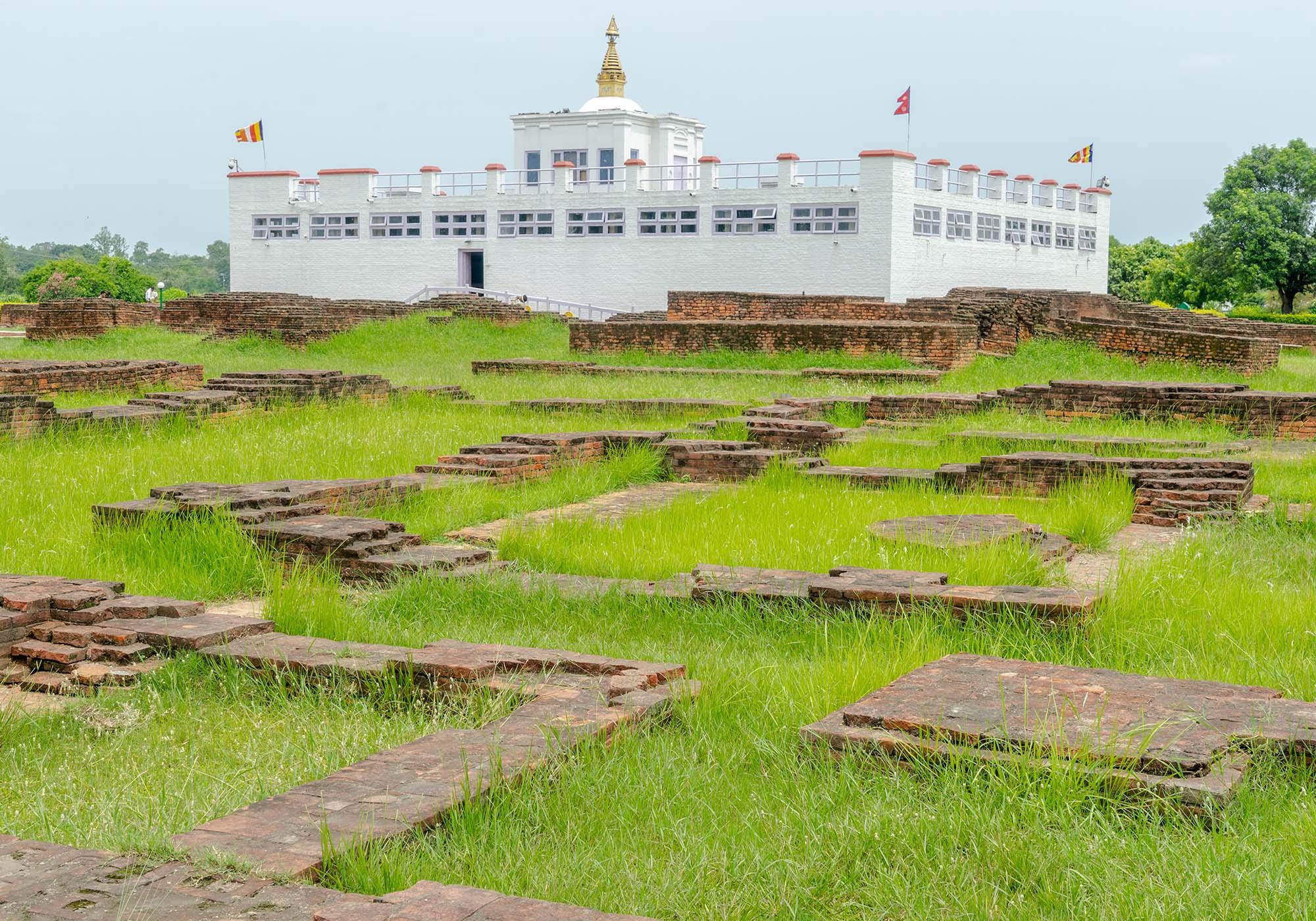
The sacred city of Lumbini, the birthplace of Lord Buddha, has once again become a focal point for global Buddhist devotees as the annual three-month-long Vassa retreat (Buddhist monastic rains retreat) commenced on Ashadh Purnima. The opening ceremony was officially inaugurated by former Chief Minister of Lumbini Province, Dilli Bahadur Chaudhary, at the Royal Buddhist Monastery (Rajkiya Bauddha Vihar) in Lumbini.
This spiritual observance, also known as “Vassavasa” in Pali and “Varshavas” in Sanskrit, is one of the most significant and ancient traditions in Theravada Buddhism. It involves Buddhist monks and nuns staying within a single monastery during the rainy season to engage in meditation, study, and self-discipline.
Joint Effort to Promote Spiritual and Cultural Heritage
This year’s Vassa program is being organized by the Lumbini Buddhist Women’s Committee, in collaboration with the Lumbini Development Trust, Lumbini Cultural Municipality, and the Lumbini Hotel Association. The coordinated effort aims to uphold Buddhist values, promote meditation and ethical practices, and further position Lumbini as a global spiritual hub.
In his inaugural address, former Chief Minister Chaudhary emphasized the profound impact of such rituals on peace-building and spiritual harmony. “Religious traditions like Vassavasa are essential for preserving the Buddhist heritage and establishing Lumbini as a true source of world peace,” he remarked. He also reaffirmed his commitment to the protection, promotion, and development of the Lumbini area as a sacred pilgrimage destination.
Significance of Vassa: A Tradition Dating Back to Buddha
The Vassa retreat dates back over 2,500 years, rooted in the teachings of Lord Buddha himself. According to Bhante Sagar Dhamma, chief monk of the Royal Buddhist Monastery, Vassa is not only a time for deep meditation but also for self-purification and inner transformation. He highlighted the unique historical and spiritual relevance of conducting this ancient tradition in Lumbini, the very birthplace of Siddhartha Gautama.
“Observing Vassa in a sacred place like Lumbini is an honor. It allows monks and devotees to delve into the Dhamma in an environment filled with spiritual energy and global significance,” Bhante Sagar Dhamma stated.
Diverse Participation from Around the Globe
The opening ceremony saw the participation of several notable figures, including Sanuraja Shakya, Member Secretary of the Lumbini Development Trust, Sajaruddin Musalman, Mayor of Lumbini Cultural Municipality, representatives of Buddhist organizations, monks and nuns, as well as hundreds of devotees from Nepal and abroad.
The event featured traditional rituals, chanting, and Dhamma discourses aimed at fostering spiritual awakening and moral reflection. It served as a prelude to the next three months during which monastics will reside in one monastery, refraining from travel and dedicating their time to religious studies, meditation, and community service.
Core Practices and Teachings
During the Vassa period, monks and nuns engage in:
- Daily Meditation Sessions: Focused mindfulness and Vipassana meditation to deepen their understanding of impermanence and detachment.
- Scriptural Study: In-depth learning of Buddhist scriptures, particularly the Vinaya Pitaka, which contains 227 monastic rules prescribed by the Buddha.
- Community Service and Dhamma Talks: Sharing teachings with lay devotees and guiding them in moral conduct, compassion, and insight.
One of the key features of Vassa is the emphasis on stability and inner contemplation. Unlike other times of the year when monks travel to teach or beg for alms, during Vassa they remain rooted in one monastery, creating a consistent spiritual environment for both monastics and followers.
Vassa: A Time for Spiritual Reflection and Merit
For lay followers, Vassa is also a time of increased devotion. Many people choose to observe additional precepts, practice generosity by offering food and necessities to monks (known as dana), and attend sermons regularly.
The retreat concludes with Pavarana Day, a significant occasion when monks confess any offenses and purify themselves through mutual forgiveness. This is followed by Kathina, a robe-offering ceremony where laypeople donate robes and other items to the Sangha.
Looking Ahead: Promoting Buddhist Tourism and Heritage
Organizers and stakeholders are hopeful that religious events like the Vassa retreat will further encourage spiritual tourism and help preserve the intangible heritage of Buddhism. Lumbini, being one of the four sacred sites of Buddhism, plays a critical role in global religious discourse.
“The world is searching for peace, and Lumbini offers the spiritual foundation for that journey,” said Mayor Musalman. “We must continue to honor and promote our traditions so the next generation carries this legacy forward.”
As the rains fall gently across the sacred plains of Lumbini, Buddhist monks now begin their 90-day journey inward, a collective retreat in search of enlightenment, discipline, and a peaceful world.