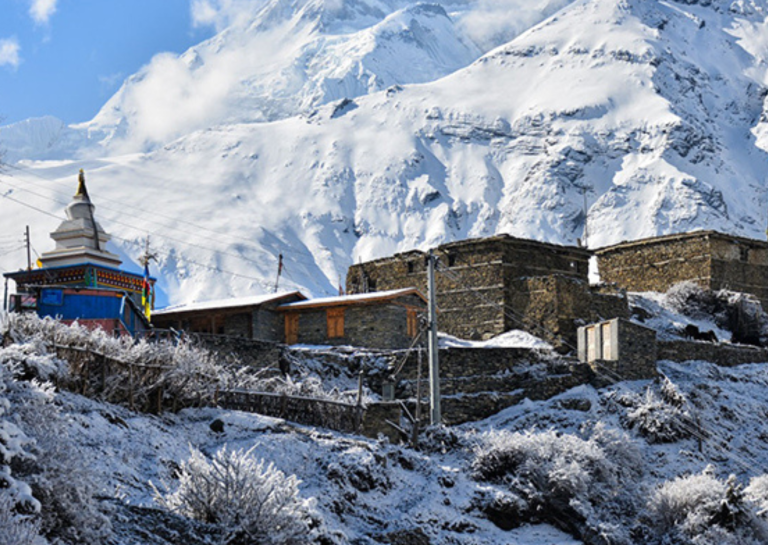
Mount Everest, also known as Sagarmatha, is the world’s highest peak and one of Nepal’s most iconic landmarks. The mountain has not only put Nepal on the global tourism map but has also contributed significantly to the nation’s economy. Beyond its touristic value, Mount Everest holds religious and cultural significance for the Nepali people. However, the increasing number of tourists and climbers has resulted in growing environmental challenges, particularly in the form of waste accumulation on the mountain.
Drone Technology Introduced for Waste Management
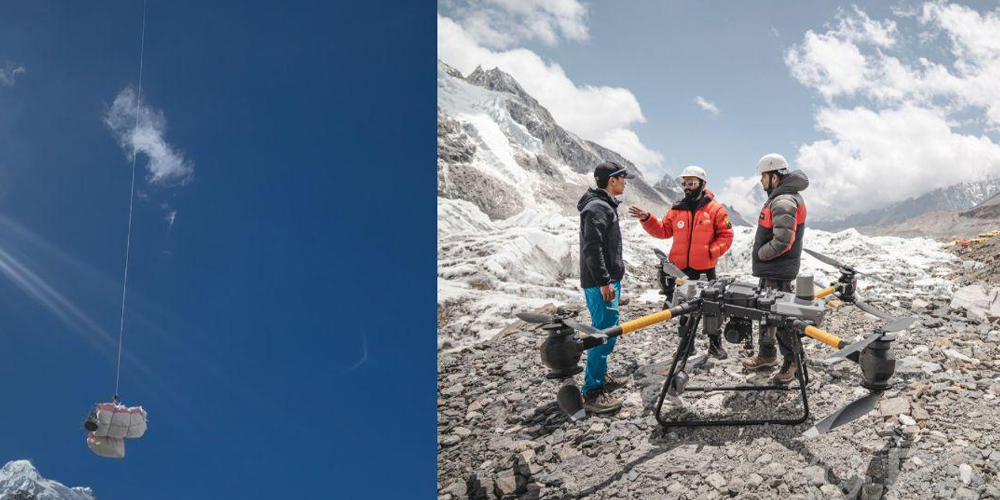
In a bid to tackle the waste problem and protect the fragile Himalayan ecosystem from the impacts of climate change, Nepal has recently embraced drone technology for waste collection on Mount Everest. Cimax Inc., the official distributor of electric vehicles BYD in Nepal, has partnered with Nepali drone company Airlift Technologies to implement this initiative. The campaign aims to collect a total of 1,000 kilograms of waste from the Everest region, using drones to reach areas that are otherwise difficult for humans to access.
Global Campaign ‘Cool the Earth by One Degree’
The Everest waste collection campaign is part of BYD’s global initiative titled ‘Cool the Earth by One Degree,’ which seeks to limit global temperature rise by promoting clean energy and zero carbon emissions. Through this program, BYD emphasizes the role of innovative solutions in mitigating climate change while inspiring local and international communities to adopt sustainable practices. Cimax Inc. has joined the campaign both economically and technically, reflecting their commitment to corporate social responsibility.
Progress in Waste Collection Efforts
According to Samir Shrestha, the market head of Cimax Inc., 286 kilograms of waste were successfully collected using drones from Camp-1 of Mount Everest during the previous climbing season. This year, the collaboration between Cimax Inc. and Airlift Technologies aims to extend these efforts and collect an additional 1,000 kilograms of waste from the region. The campaign has already seen promising results, indicating that technology can play a vital role in environmental conservation even in the most challenging terrains.
The Role of Technology in Himalayan Conservation
Cimax Inc.’s CEO, Sahil Shrestha, highlighted the importance of technological innovation in their climate-focused initiatives. “After successfully using drones in rope fixing for climbers, we have now adapted the technology for waste collection,” he explained. The use of drones not only reduces the risks associated with manual waste collection in high-altitude areas but also enhances efficiency, allowing more waste to be removed in a shorter time frame.
Future Plans and Environmental Impact
The ongoing campaign on Mount Everest reflects a broader commitment to sustainable tourism and environmental preservation in Nepal. By employing drones, the initiative addresses both ecological concerns and the practical difficulties of maintaining cleanliness in high-altitude environments. Stakeholders hope that this model can be replicated in other vulnerable regions of the Himalayas, ensuring that tourism development does not come at the expense of the environment.
In addition to waste collection, the campaign raises awareness about climate change and the importance of clean energy adoption, aligning local conservation efforts with global environmental goals. As Nepal continues to welcome tourists and climbers, initiatives like this are critical to safeguarding the natural beauty and cultural significance of Mount Everest for future generations.
Mount Everest has long stood as a testament to human aspiration and nature’s grandeur. Today, it also symbolizes the urgent need for sustainable environmental practices. With innovative drone technology and collaborative corporate efforts, Nepal is taking a vital step toward protecting its iconic mountain from the pressures of climate change and increasing tourist activity. This initiative demonstrates that with creativity, technology, and commitment, even the most formidable challenges can be addressed, ensuring that the roof of the world remains clean, majestic, and sustainable for years to come.