The governance of Nepal, Prime Minister Sushila Karki, who also oversees the Ministry of Culture, Tourism and Civil Aviation (MoCTCA), has decided that the General Manager (GM) of Nepal Airlines Corporation (NAC) will be selected through an open competition process. This decision aims to attract the most qualified candidate with proven expertise in aviation management, marking a departure from the long-standing practice of the political appointments.
The initiative responds to growing calls for professionalism in managing Nepal’s key public enterprises, particularly Nepal Airlines, which has faced financial and administrative challenges in recent years. By introducing a competitive and transparent selection process, the government hopes to ensure the merit-based leadership capable of addressing the national airline’s operational and strategic needs.
High-Level Committee Formed for Candidate Selection
Prime Minister Karki approved the formation of a high-level selection committee tasked with identifying, shortlisting, and recommending the most suitable candidates for the GM position. The committee comprises seasoned officials and aviation experts:
- Coordinator: Hari Prasad Mainali, Secretary at MoCTCA
- Expert Member: Captain Kul Bahadur Limbu, an experienced aviation professional
- Member Secretary: The Chief and Joint Secretary of MoCTCA’s Planning and Administration Division

The committee has been directed to complete the open competition process and submit its recommendations within one month, reflecting the government’s urgency in stabilizing and reforming the airline’s management.
Interim Appointments to Ensure Continuity
To maintain smooth operations during the selection period, interim appointments have been made. Janak Raj Kalakheti, the Deputy Director General and the corporation’s most senior employee, has been named as the Acting General Manager. His seniority ensures experienced oversight of all administrative and operational matters.
At the board level, Vice Chairman Bikram Rai will serve as Acting Chairman of the NAC Board of Directors until a permanent appointment is made. These interim arrangements guarantee that the corporate governance and the operational efficiency continue uninterrupted during the leadership transition.
Significance of Open Competition for Nepal’s Aviation Sector
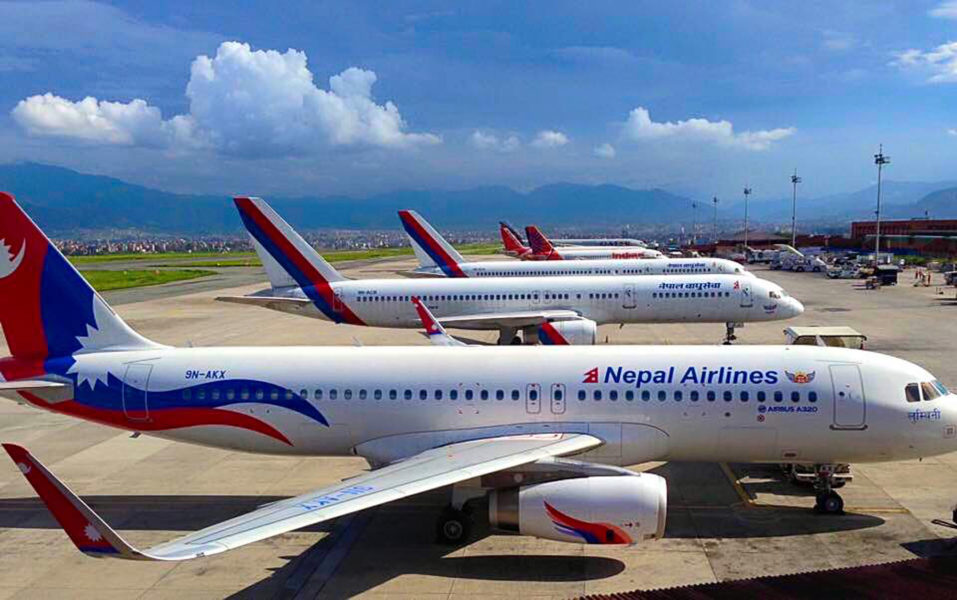
Selecting the NAC GM through open competition is a landmark decision for Nepal’s aviation industry. Nepal Airlines, the country’s national flag carrier, has long struggled with the financial instability, operational inefficiencies, and political interference.
This transparent selection process offers multiple advantages. Firstly, it ensures the new GM possesses the technical knowledge, managerial skill, and strategic vision necessary to lead NAC effectively in a competitive regional and international aviation market. Secondly, it signals the government’s commitment to reducing political influence in the public enterprises, which can restore public trust and attract the foreign investment partnerships.
The chosen leader will face several critical challenges. These include modernizing NAC’s aging fleet, expanding international routes, settling substantial debts, and enhancing service quality to compete with regional carriers. The selection committee is expected to evaluate the candidates not only on qualifications but also on their practical vision and actionable plans for revitalizing the airline.

A Model for Future Public Sector Appointments
The government’s adoption of an open competition model for selecting the GM could set a precedent for appointing the leaders of other major public entities. By emphasizing merit, technical competence, and transparent processes, Nepal can strengthen institutional capacity and enhance efficiency across key state-owned corporations.
Prime Minister Karki and MoCTCA officials have emphasized that the new GM’s role is crucial for restoring the airline’s profitability and operational excellence. The government is committed to finding a capable leader who can steer Nepal Airlines toward sustainable growth, improved services, and enhanced national and international competitiveness.
The success of this initiative will not only impact NAC’s future but may also redefine how leadership appointments are handled across Nepal’s public sector, fostering a culture of professionalism, accountability, and transparent governance.