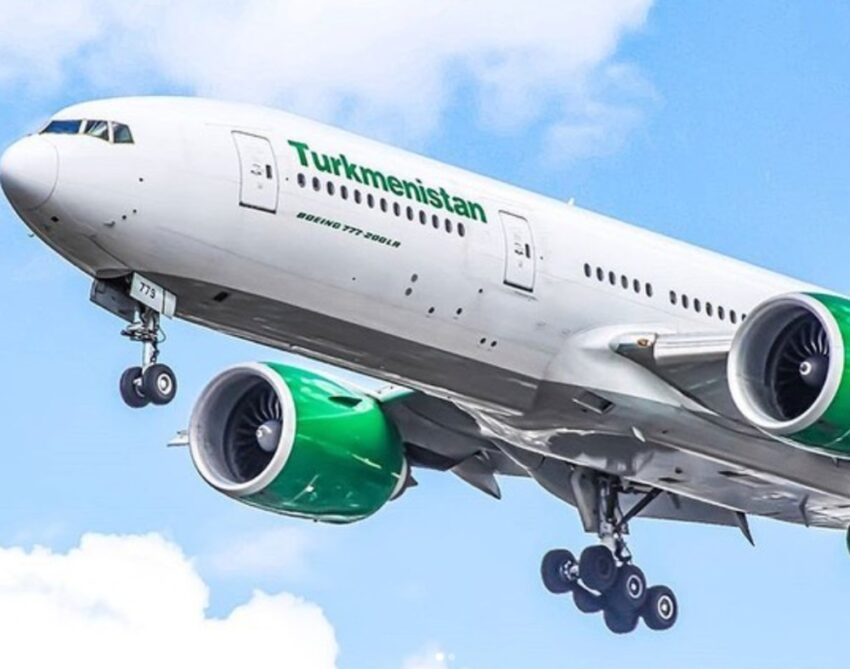
In a significant development for regional tourism and bilateral cooperation, Turkmenistan Airlines has announced the resumption of direct flights between Minsk, the capital of Belarus, and Ashgabat, the capital of Turkmenistan, effective from October 29, 2026. The move is expected to revitalize tourism, business travel, and diplomatic exchanges between the two countries, making cross-border travel faster, easier, and more convenient.
The airline will operate the route using modern Airbus A321LR aircraft, offering enhanced comfort, long-range efficiency, and improved onboard services. The direct air connection will significantly reduce travel time and eliminate the need for stopovers, encouraging increased passenger traffic between Eastern Europe and Central Asia.

Boosting Bilateral Tourism and Travel Convenience
The restoration of the Minsk–Ashgabat route is anticipated to play a transformative role in strengthening tourism ties between Belarus and Turkmenistan. The new service will simplify travel for leisure tourists, business travelers, and official delegations, paving the way for more dynamic cultural and people-to-people exchanges.
Belarus, a growing tourism destination in Eastern Europe, attracts travelers with its historic cities, nature reserves, and cultural heritage, while Turkmenistan offers unique desert landscapes, ancient Silk Road sites, and distinctive architectural landmarks in Ashgabat. Direct flights will make it easier for tourists from both nations to explore each other’s destinations, stimulating inbound and outbound tourism.
Strategic Expansion for Turkmenistan Airlines
The route revival is also a strategic expansion for Turkmenistan Airlines, reinforcing its role as a key connector between Central Asia and Europe. By linking Minsk and Ashgabat directly, the airline enhances its European footprint while strengthening air connectivity within Central Asia.
The new route aligns with the airline’s broader expansion strategy to serve growing international travel demand, particularly in emerging tourism corridors. It is expected to contribute to a steady increase in passenger volume and further position Turkmenistan Airlines as a major regional carrier.
Economic Cooperation Set to Gain Momentum
Beyond tourism, the direct air service is expected to deliver substantial benefits for bilateral trade and economic cooperation. Improved connectivity will enable entrepreneurs, investors, and business leaders to travel more efficiently, facilitating collaborations in key sectors such as energy, infrastructure, construction, agriculture, and technology.
With faster access to markets and business hubs, companies from both countries can strengthen trade partnerships, attend international exhibitions, and explore joint investment opportunities. The resumption of flights is therefore poised to accelerate economic engagement and promote sustainable commercial growth.
Strengthening Regional Connectivity in Central Asia
The Minsk–Ashgabat route also supports broader regional connectivity by enhancing access to Central Asia for European travelers. As interest in Silk Road tourism, cultural heritage exploration, and adventure travel grows, Turkmenistan stands to benefit from greater visibility in European markets.
For travelers seeking authentic cultural experiences and lesser-explored destinations, Turkmenistan offers significant appeal. The direct air link will encourage tourism operators to design new travel packages, strengthening Central Asia’s position on the global tourism map.

A Catalyst for Long-Term Tourism Growth
The revival of direct flights symbolizes a new phase in the tourism partnership between Belarus and Turkmenistan. By improving connectivity, reducing travel barriers, and encouraging cooperation across multiple sectors, Turkmenistan Airlines is playing a pivotal role in fostering sustainable tourism development and economic integration.
With the resumption of Minsk–Ashgabat flights, both nations are set to enjoy increased visitor numbers, deeper business ties, and enhanced cultural exchange, marking a promising future for bilateral tourism growth and regional connectivity.