Metro Manila is gearing up for a significant transformation in its hospitality landscape, with 2,890 new hotel rooms expected to enter the market in 2026. This growth is set to reshape the region’s hotel industry, particularly in prime areas such as Makati and the Bay Area, which will account for the majority of the new accommodations. While international tourism continues to recover slowly, domestic travel remains a robust driver of growth, providing optimism for the local tourism sector.
According to Colliers Philippines, hotel occupancy in Metro Manila is projected to reach around 60% in 2026. The continued rise of domestic tourism is supporting stays at hotels and the utilization of meeting facilities, particularly in the business-centric Makati and leisure-oriented Bay Area. Furthermore, the country’s MICE (Meetings, Incentives, Conferences, and Exhibitions) market is anticipated to grow, driving demand for hotels equipped with conference and event spaces.

Makati and Bay Area: Hubs of Hotel Growth
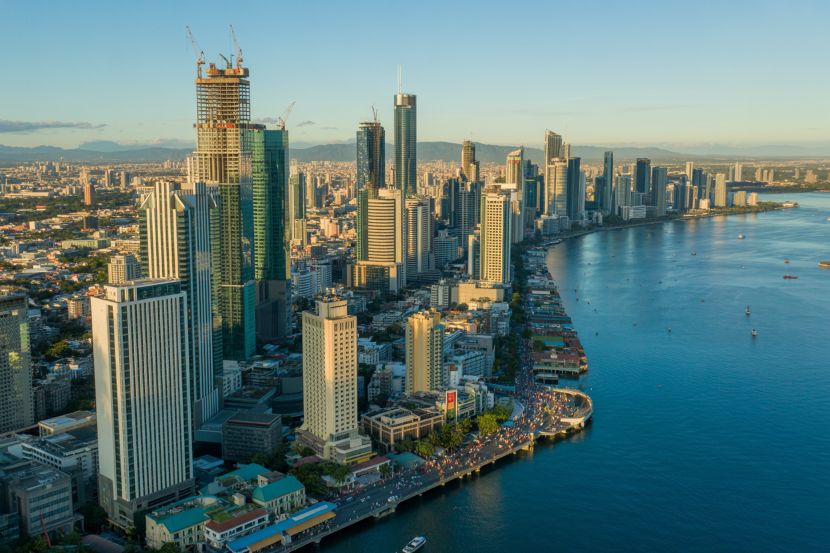
Of the projected 2,890 new hotel keys, a substantial portion will be concentrated in Makati’s Central Business District and the Bay Area, including Manila Bayfront developments. Makati remains the country’s corporate hub, attracting business travelers and international guests, while the Bay Area offers leisure experiences with its coastal views, cultural sites, and recreational attractions.
Developers are strategically focusing on these locations due to their dual appeal for both business and leisure travelers. The expansion of hotel supply in these areas will further reinforce Metro Manila’s position as a key destination for business, tourism, and MICE events.
Domestic Tourism Sustains Momentum Amid International Recovery
Although international arrivals in the Philippines remain below pre-pandemic levels, with 6.48 million visitors in 2025, compared to 8.26 million in 2019, domestic tourism continues to strengthen the hotel market. Popular destinations such as Cebu, Davao, and Clark are maintaining high occupancy rates, supported by local travelers seeking both leisure and business trips.
Regional competitors like Vietnam and Malaysia have surpassed pre-COVID tourist levels, partly due to stronger airport infrastructure and inter-island connectivity. The Philippines, while facing logistical challenges, is capitalizing on domestic travel to sustain growth.
Foreign Hospitality Brands and Asset-Light Strategies
Looking beyond 2026, Colliers projects around 1,800 new hotel rooms per year from 2026 to 2029. International brands such as Mandarin, Dusit, Moxy, and Canopy are expected to account for over half of this supply, raising the quality and variety of accommodations in the region.
Industry experts recommend adopting an asset-light strategy, where foreign brands enter management or franchise agreements with local property owners. This approach reduces initial capital costs while delivering steady returns. Successful examples include partnerships between Ascott Limited and DoubleDragon Corp., and Ayala Land Hospitality with Marriott and Hilton.
MICE Tourism Driving Hotel Demand
The MICE sector is playing a pivotal role in boosting hotel demand. International events, including the ASEAN Summit, are expected to attract significant business travel to the Philippines. Additional in-person events such as product launches, trade shows, and expos will further contribute to occupancy in business hubs like Makati and the Bay Area.
Hotels with state-of-the-art meeting facilities and convenient locations will benefit from this trend, reinforcing Metro Manila as a leading destination for corporate and incentive travel.
Expanding International Appeal
To grow international arrivals, experts suggest attracting travelers from Europe, the Middle East, and long-haul markets such as Russia, Canada, and India. Initiatives like digital nomad visas, Cruise Visa Waivers, and visa-free access for Indian and Chinese tourists are expected to enhance the Philippines’ appeal.
These measures, combined with new flight routes, are poised to attract premium travelers willing to spend on luxury and leisure experiences, further diversifying the tourism market.
Traveler Tips for 2026
- Plan for MICE Events: Choose hotels in Makati or the Bay Area for easy access to conference facilities.
- Book Early: With new rooms coming online, securing prime locations ensures the best rates.
- Mix Business and Leisure: Take advantage of the city’s blend of work and relaxation options.
- Consider Long-Term Stays: Asset-light hotels may offer flexible rates and packages for extended visits.

Outlook: A Bright Future for Metro Manila’s Hospitality
With nearly 2,900 new rooms expected in 2026, Metro Manila’s hotel sector is on a growth trajectory. Domestic demand, the rising importance of MICE tourism, and the entry of foreign brands are driving this expansion. Coupled with strategic initiatives to attract international travelers and investments in infrastructure, the Philippines’ hospitality industry is poised for a dynamic and promising future.
Metro Manila is set to emerge as a thriving hub for both business and leisure travel, offering visitors a wider range of high-quality accommodations and modern amenities than ever before.