Dubai’s tourism sector, which witnessed remarkable growth in 2025, is encountering new challenges in early 2026 as regional geopolitical tensions disrupt air travel. The introduction of “safe air corridors” by major airlines has altered flight routes across the Gulf, affecting travel schedules, hotel bookings, and overall tourist confidence. While the safety measures are necessary to protect passengers and crew, the changes are creating ripple effects across Dubai’s travel and hospitality industries.
Tourism Boom Followed by Sudden Uncertainty
Dubai enjoyed a record-breaking year for tourism in 2025, welcoming nearly 20 million visitors from around the world. Hotels across the emirate reported occupancy rates above 80 percent, while room prices climbed to historic highs due to strong international demand.

Encouraged by this momentum, tourism authorities projected that 2026 could attract up to 22 million international visitors, supported by an expanding flight network, global events, and Dubai’s reputation as a luxury travel hub. However, escalating tensions in parts of the Middle East have forced airlines to adjust operations, creating unexpected disruptions for the tourism industry.
Safe Air Corridors Alter Flight Routes
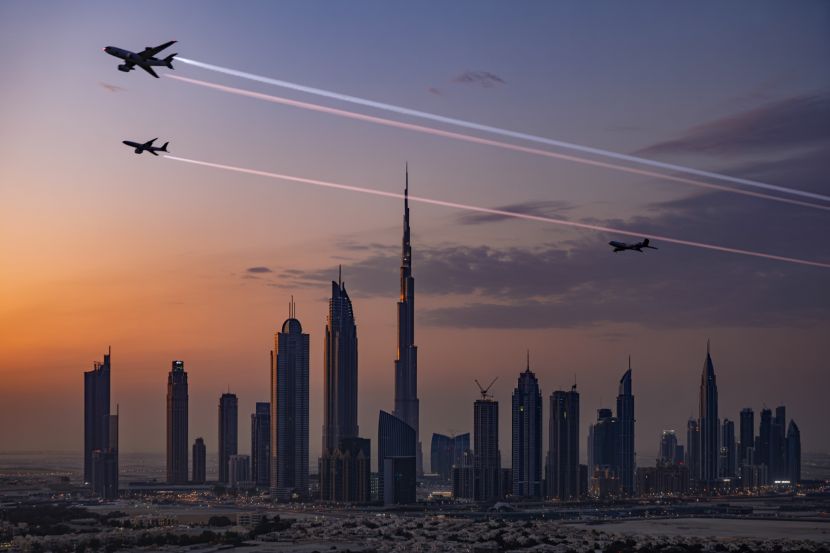
In response to security concerns in certain airspaces, aviation authorities have introduced safe air corridors designed to steer aircraft away from high-risk zones. Airlines such as Emirates and flydubai have begun rerouting flights to avoid sensitive regions, including areas near the Tehran Flight Information Region, where military activity has been flagged.
Instead of flying over traditional routes across Iran and neighboring regions, aircraft are now required to take longer paths over the Arabian Sea or detour further south through North Africa. While these measures prioritize safety, they also increase flight duration and complicate airline schedules.
As a result, passengers are experiencing longer travel times, tighter connections, and fewer direct flights. For travelers connecting through Dubai International Airport, the new routing patterns are creating uncertainties that are affecting travel plans.
Airlines and Operations Under Pressure
For Emirates and flydubai, the operational adjustments have added significant logistical challenges. The longer routes require additional fuel, adjustments in crew schedules, and careful coordination of flight connections.
Industry analysts say these changes could temporarily slow travel demand, particularly among tourists who prefer direct and predictable routes. Although the safe air corridors ensure the continuity of air travel, they have also introduced a level of uncertainty that some travelers find concerning.
Hotel Industry Feels the Impact
The disruption in air travel is already affecting Dubai’s hospitality sector. Several luxury hotels, especially those located in popular tourist areas such as Palm Jumeirah and Jumeirah Beach Residence, have reported a slowdown in premium bookings.
Hotels that previously enjoyed steady international demand are now dealing with cancellations and delayed reservations, as some travelers reconsider their trips or choose alternative destinations. To mitigate the impact, many properties are offering flexible booking policies, reduced deposits, and free date changes to maintain occupancy levels.
Business hotels near Dubai International Airport are also experiencing shifts in demand. Corporate travel planners are reassessing risk factors, and some international meetings and incentive trips scheduled for early 2026 have been postponed.
Travelers Weigh Risks and Rewards
Despite the uncertainty, Dubai remains an attractive destination for millions of travelers. The city’s luxury resorts, vibrant shopping districts, world-class dining, and year-round sunshine continue to appeal to tourists.
However, the possibility of flight disruptions and longer journeys has led some travelers, particularly families and cautious vacationers, to delay travel plans. On the other hand, frequent travelers and business visitors who trust aviation safety measures are still booking trips but are increasingly opting for flexible tickets and comprehensive travel insurance.
Tour operators report that customers are asking more questions about flight routes, cancellation policies, and travel protection before confirming bookings.
Industry Shows Signs of Resilience
Despite the challenges, experts believe Dubai’s tourism industry is well-positioned to recover. The city has previously demonstrated resilience during global travel disruptions and continues to benefit from its strong infrastructure and global connectivity.

Hotels and tourism businesses are adapting by offering discount packages, promotional deals, and added benefits such as resort credits to attract visitors during this uncertain period. If regional tensions ease and travel confidence improves, the sector could quickly regain momentum.
While the introduction of safe air corridors has temporarily complicated travel to Dubai, the measures are essential for maintaining aviation safety in a volatile region. Industry stakeholders remain optimistic that once flight patterns stabilize and travelers adjust to the new routes, tourism demand will gradually return.
For now, travelers planning a trip to Dubai in 2026 are advised to stay flexible, monitor airline updates, and consider travel insurance to navigate any potential disruptions. Despite the turbulence in the skies, Dubai continues to stand as one of the world’s leading tourism destinations, with strong potential to rebound once regional conditions improve.