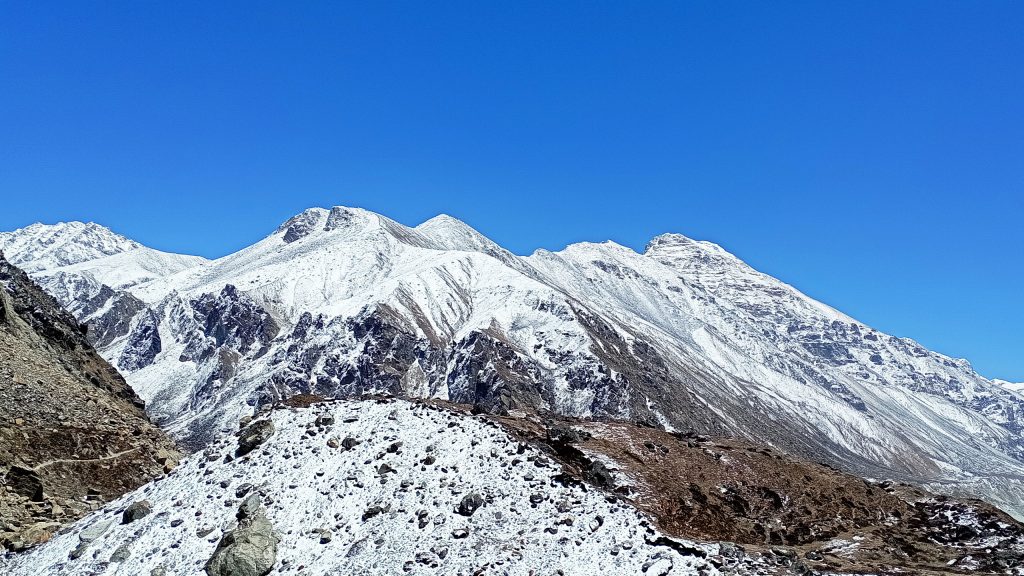
Introduction: Discovering the Untouched Beauty of Saipal Himal
Nestled in the remote northwestern corner of Nepal, Saipal Himal stands as one of the country’s most spectacular yet least explored mountain regions. While destinations such as Everest, Annapurna, and Langtang attract thousands of trekkers and climbers every year, Saipal remains a hidden gem waiting to be discovered. Located in Bajhang District of Sudurpashchim Province, Saipal Himal offers a rare combination of pristine wilderness, towering snow-capped peaks, rich biodiversity, ancient culture, and authentic Himalayan adventure.
Dominated by the magnificent Saipal Peak, which rises to an elevation of 7,031 meters above sea level, the region forms part of a dramatic mountain chain alongside Api Himal and Nampa Himal. Together, these peaks create one of Nepal’s most stunning Himalayan landscapes. The area is characterized by rugged glaciers, steep ridgelines, alpine meadows, dense forests, crystal-clear rivers, and isolated mountain villages that have remained largely untouched by modern tourism.
For adventure seekers looking to venture beyond Nepal’s mainstream trekking routes, the Saipal Himal Base Camp Trek offers an unforgettable journey into one of the country’s most remote and naturally preserved regions. It is a destination where travelers can experience the raw beauty of the Himalayas while immersing themselves in unique local cultures and traditions.
The Geographic Significance of Saipal Himal
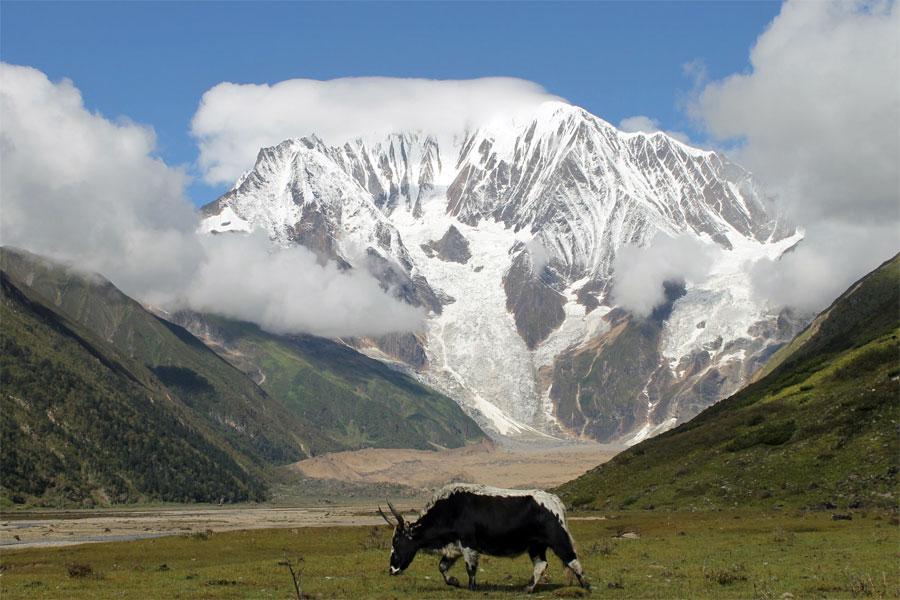
Saipal Himal is situated near the Nepal-Tibet border in the far-western Himalayan region. The mountain range lies within the Api Nampa Conservation Area, one of Nepal’s most important protected landscapes. Although less famous than the country’s eastern and central Himalayan regions, Saipal occupies a significant place in Nepal’s mountain geography.
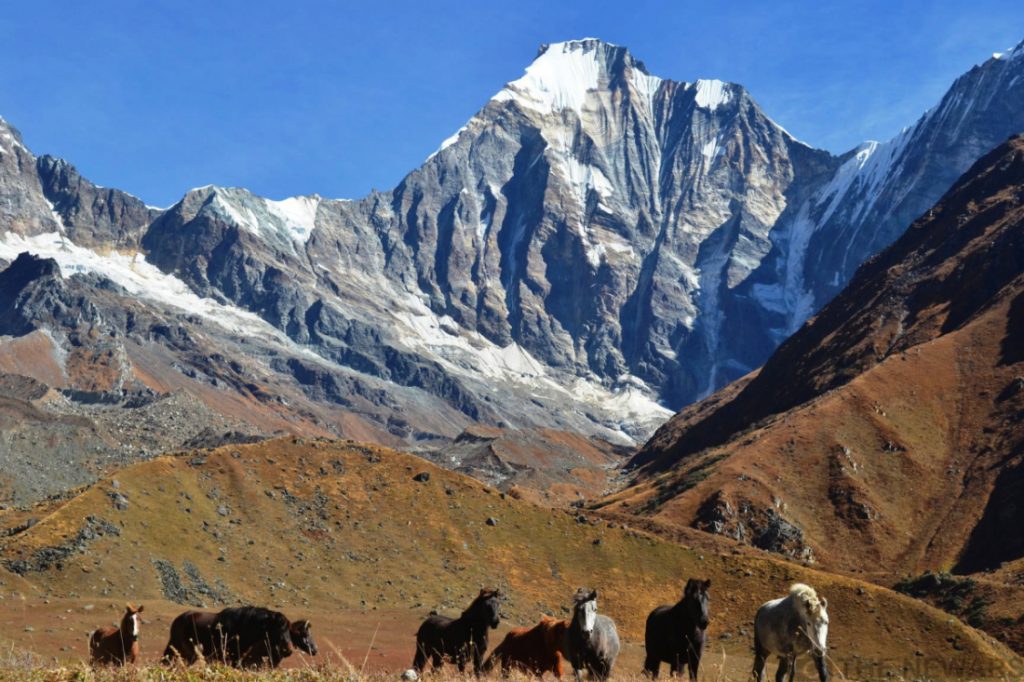
Standing at 7,031 meters (23,067 feet), Saipal Peak is the third-highest mountain in western Nepal after Api Himal and Nampa Himal. Its imposing snow-covered ridges, dramatic ice walls, and extensive glaciers dominate the skyline of Bajhang District. The mountain serves as a natural landmark visible from many surrounding valleys and settlements.
The region’s rugged terrain consists of deep river gorges, alpine plateaus, high mountain passes, and glacier-fed streams. Numerous rivers originating from the mountain’s snowfields provide vital water resources for local communities and downstream ecosystems. This unique geography creates an extraordinary diversity of landscapes that attract trekkers, mountaineers, photographers, and nature enthusiasts.
A Remote Trekking Destination Unlike Any Other
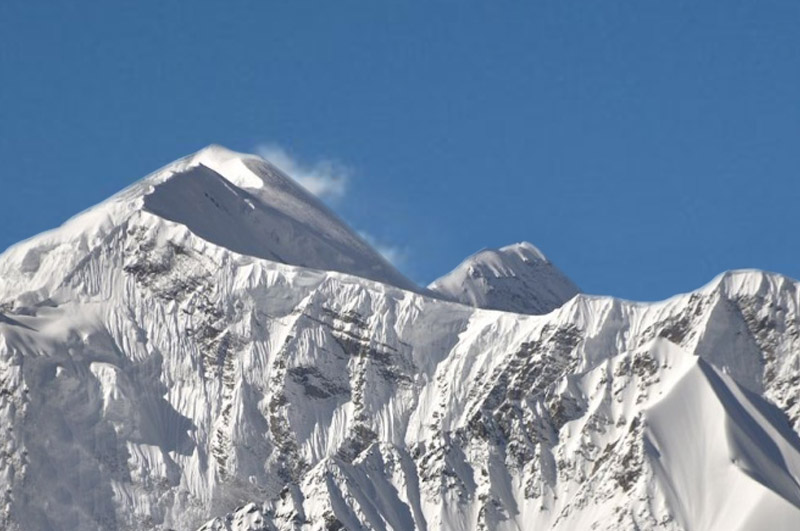
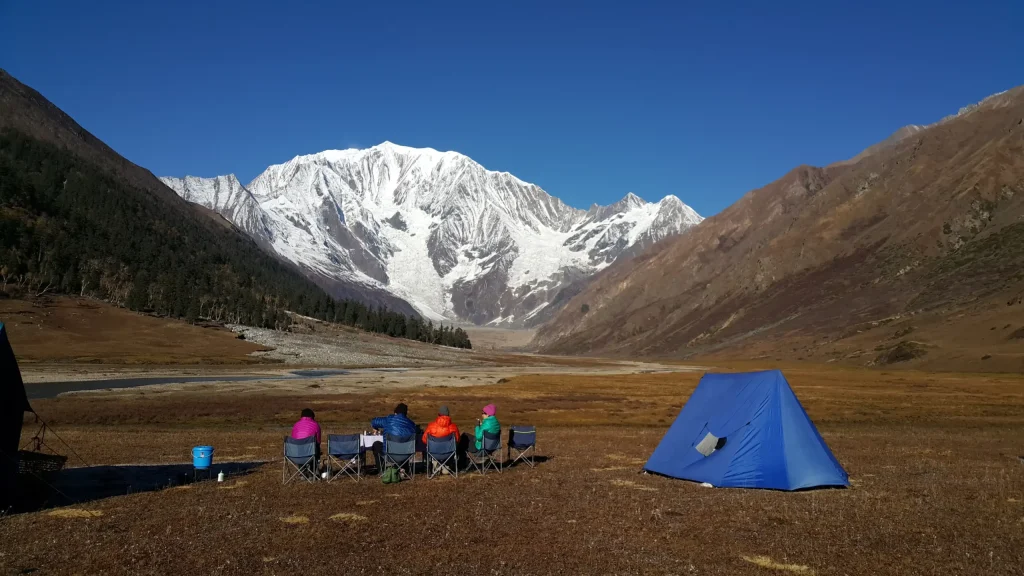
One of the most appealing aspects of Saipal Himal is its remoteness. Unlike Nepal’s heavily trafficked trekking routes, the trails leading to Saipal Base Camp remain relatively unexplored. Visitors often spend days trekking through isolated villages and pristine forests without encountering large tourist groups.
The journey typically begins from Chainpur in Bajhang District after traveling from Kathmandu through Nepalgunj or Dhangadhi. From there, trekkers gradually ascend through diverse terrain, passing traditional settlements, terraced fields, dense pine forests, and high-altitude grazing lands.
The trail offers an authentic Himalayan experience that has become increasingly rare in popular trekking regions. Travelers have the opportunity to interact closely with local communities, observe traditional lifestyles, and witness cultural practices that have been preserved for generations.
The trek demands physical fitness and mental endurance due to its remote location and challenging terrain. Steep ascents, rocky paths, river crossings, and changing weather conditions require careful preparation. However, the rewards far outweigh the challenges, as trekkers are treated to breathtaking mountain panoramas and an unparalleled sense of adventure.
Spectacular Mountain Views and Himalayan Landscapes
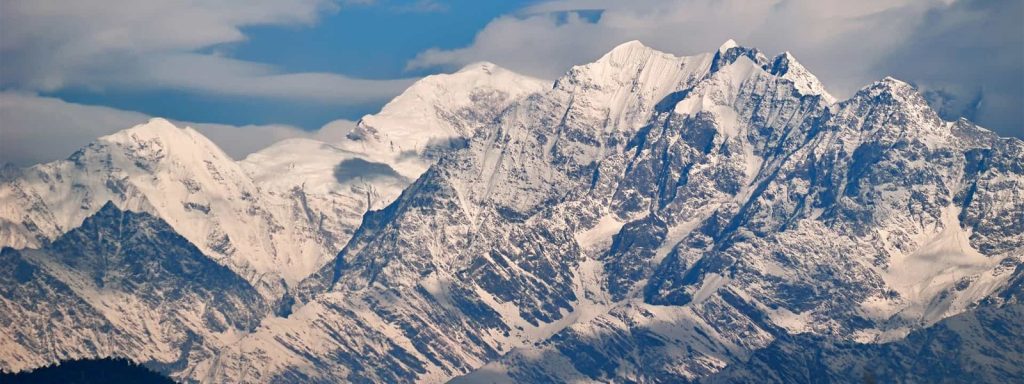
The scenery encountered during the Saipal Himal trek ranks among the finest in Nepal. As trekkers gain elevation, expansive views of snow-covered peaks unfold across the horizon. From strategic viewpoints and the base camp area, visitors can admire the grandeur of Saipal Himal alongside several other Himalayan giants. These include Api Himal, Nampa Himal, Rajamba Peak, Kapchuli, Thado Dhunga Tuppa, and even India’s majestic Nanda Devi on clear days.
The mountain landscapes continually transform throughout the trek. Lower elevations feature lush forests and green valleys, while higher altitudes reveal barren rocky slopes, glacial moraines, and vast alpine meadows. During spring, colorful rhododendrons bloom across the hillsides, adding vibrant hues to the already spectacular scenery. Sunrise and sunset over the snow-covered peaks create unforgettable moments. Golden rays illuminate the mountains, casting dramatic shadows across the valleys and creating ideal conditions for photography and sightseeing.
Rich Biodiversity Within the Api Nampa Conservation Area
Saipal Himal lies within the Api Nampa Conservation Area, one of Nepal’s most biologically diverse protected regions. The conservation area encompasses a wide range of ecosystems, from subtropical forests to alpine tundra, supporting an extraordinary variety of plant and animal species.
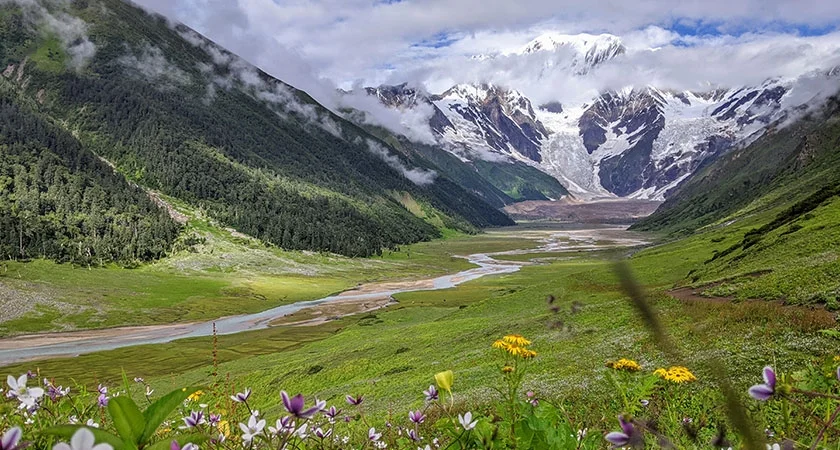
Wildlife enthusiasts visiting the region may encounter some of the Himalayas’ most elusive creatures. The area serves as habitat for snow leopards, Himalayan black bears, musk deer, Himalayan tahr, blue sheep, and numerous smaller mammals. The conservation area is also home to Nepal’s national bird, the colorful Danphe (Himalayan Monal).
Birdwatchers can observe a rich diversity of Himalayan bird species inhabiting different ecological zones. The forests and alpine meadows support pheasants, eagles, vultures, and many migratory birds. The region’s flora is equally impressive. Dense forests of pine, oak, fir, and rhododendron cover the lower slopes, while alpine herbs and medicinal plants thrive at higher elevations. Many of these plants play important roles in traditional medicine and local livelihoods.
Cultural Heritage and Indigenous Communities
Beyond its natural beauty, Saipal Himal is deeply connected to the cultural heritage of western Nepal. The remote mountain villages scattered throughout the region preserve traditions that have remained largely unchanged for centuries. Local communities maintain strong ties to agriculture, livestock herding, and traditional crafts. Visitors can experience authentic rural lifestyles and gain insight into the customs, festivals, and spiritual practices of the region.
Many settlements feature traditional stone houses, ancient temples, and monasteries that reflect the area’s rich cultural history. Hospitality remains a defining characteristic of mountain life, and travelers are often welcomed warmly by local families. The region’s cultural diversity contributes significantly to the trekking experience. Conversations with villagers, participation in local celebrations, and observation of daily life provide meaningful cultural exchanges that enhance the journey beyond its scenic attractions.
Mountaineering Potential and Growing Expedition Interest
In recent years, interest in Saipal Himal expeditions has grown steadily among international mountaineers seeking new challenges beyond Nepal’s more crowded climbing peaks. Saipal Peak presents a demanding mountaineering objective requiring technical skills, proper acclimatization, and extensive expedition planning. Its remote location adds to both the challenge and the appeal.
Climbers attempting the summit must navigate glaciers, steep snow slopes, and potentially difficult weather conditions. Despite these challenges, successful ascents are rewarded with spectacular views extending across Nepal and into neighboring Tibet and India.
The increasing popularity of Saipal expeditions reflects a broader trend among adventure travelers seeking less commercialized mountaineering experiences. The mountain’s untouched environment and limited climbing traffic offer a sense of exploration that has become increasingly rare in the modern Himalayan tourism industry.
Adventure Tourism Opportunities in Far-Western Nepal
Saipal Himal represents an important opportunity for the development of sustainable tourism in Nepal’s far-western region. The area possesses immense potential for trekking, mountaineering, wildlife observation, photography, and cultural tourism. Adventure travelers increasingly seek destinations that provide authentic experiences away from overcrowded tourist hubs. Saipal fulfills this demand by offering pristine landscapes, rich cultural encounters, and genuine wilderness exploration.
The development of responsible tourism infrastructure could generate economic opportunities for local communities while preserving the region’s environmental and cultural integrity. Community-based tourism initiatives, eco-lodges, local guiding services, and conservation programs can help ensure that tourism benefits local residents. At the same time, careful management is essential to protect the fragile ecosystems and cultural heritage that make Saipal unique.
The Future of Saipal Himal Tourism
As Nepal continues to diversify its tourism offerings, Saipal Himal is emerging as one of the country’s most promising adventure destinations. Improved accessibility, growing awareness among international travelers, and increasing interest in remote trekking experiences are likely to contribute to the region’s future growth.
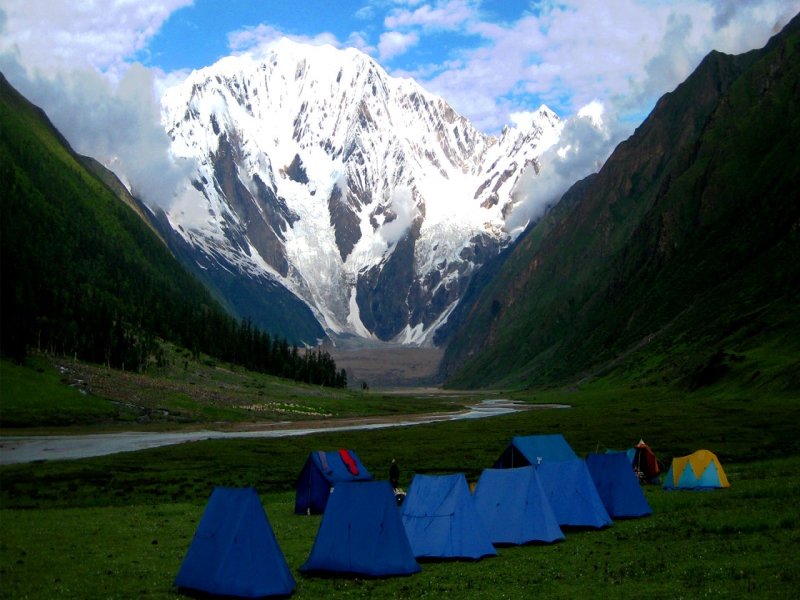
However, maintaining the area’s pristine character will be crucial. Sustainable tourism practices, environmental conservation, and community participation must remain central to development efforts. By balancing tourism growth with conservation, Saipal Himal can become a model destination that showcases the best of Nepal’s natural beauty, cultural richness, and adventure potential.
Saipal Himal stands as one of Nepal’s most extraordinary yet undiscovered treasures. Rising majestically above the remote landscapes of Bajhang District, it offers an unparalleled combination of towering peaks, untouched wilderness, rich biodiversity, and authentic cultural experiences. Whether viewed as a trekking destination, a mountaineering challenge, a wildlife sanctuary, or a cultural landscape, Saipal Himal embodies the essence of the Himalayan adventure.
For travelers seeking an off-the-beaten-path experience far from crowded trails, Saipal provides a rare opportunity to explore a region where nature remains pristine and traditions endure. As interest in sustainable adventure tourism continues to grow, Saipal Himal is poised to become one of Nepal’s most captivating destinations, offering visitors a journey into the heart of the western Himalayas and an experience that will remain unforgettable for a lifetime.