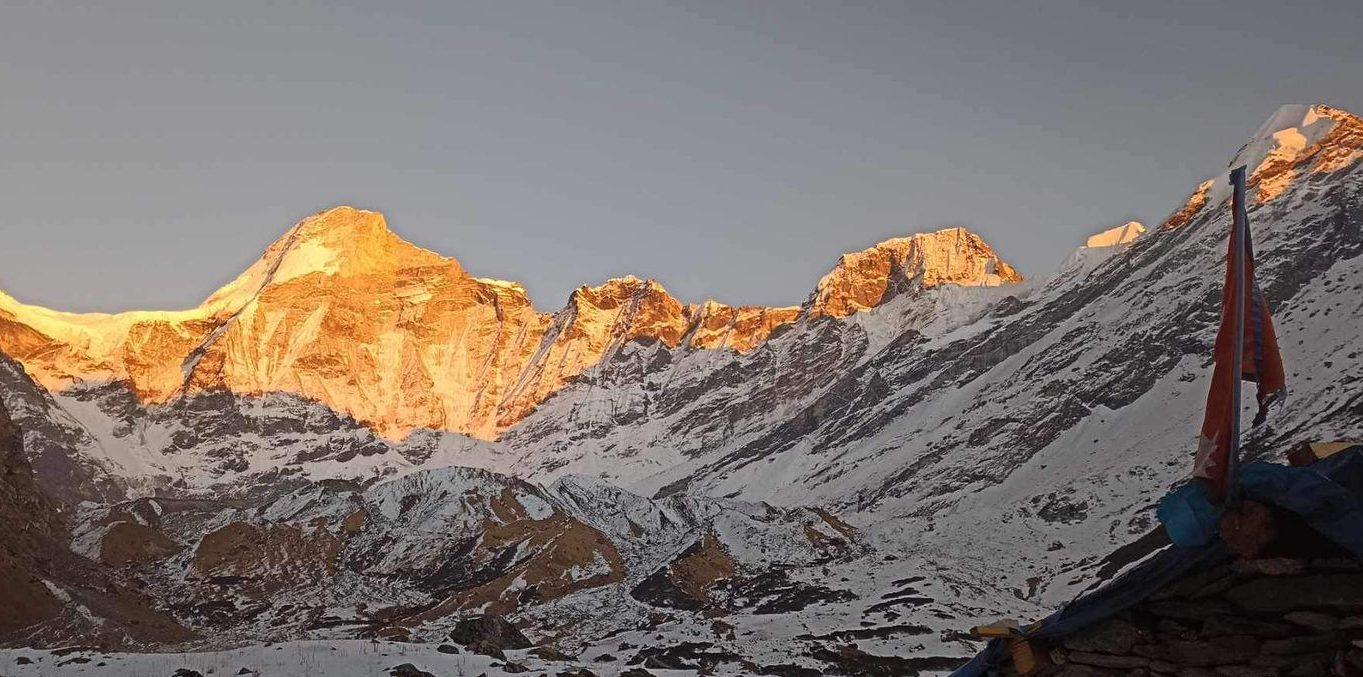
About Api Himal – The Hidden Giant of Western Nepal
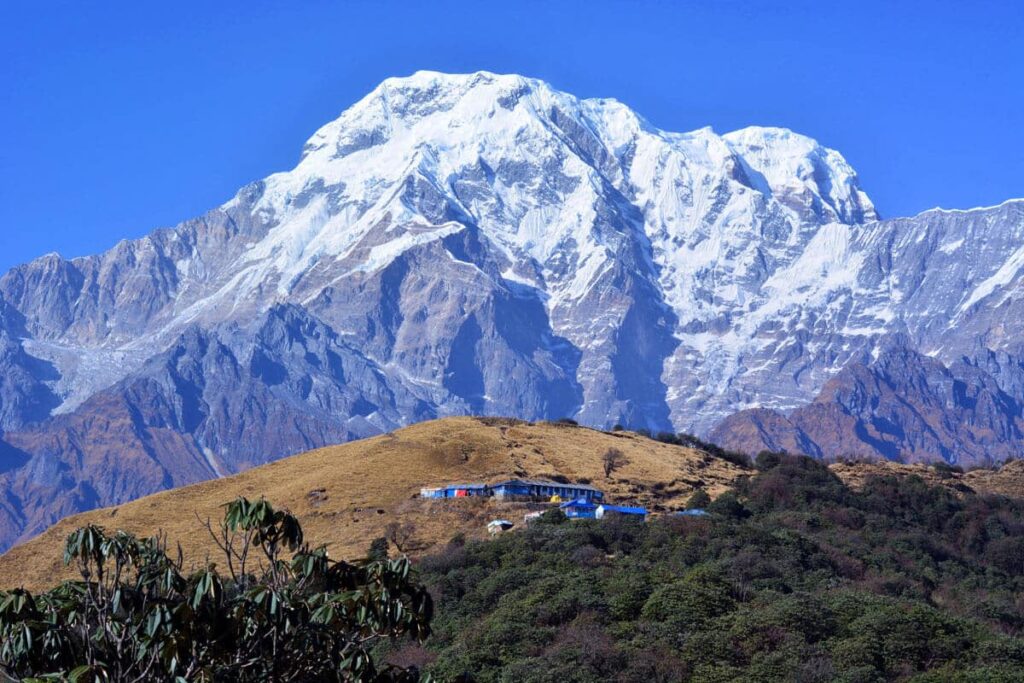
Api Himal (7,132m) is the highest peak of the Gurans Himal range in far-western Nepal, located in the remote Darchula district inside the Api Nampa Conservation Area. Unlike the popular trekking regions of Everest and Annapurna, Api Himal remains one of Nepal’s least explored Himalayan destinations, making it a true wilderness adventure for trekkers seeking solitude, raw nature, and authentic cultural experiences.
The region is characterized by dramatic landscapes, deep river valleys, dense alpine forests, glacial lakes, and untouched mountain terrain. The Api Himal mountain itself rises sharply above the surrounding hills, offering breathtaking views of snow-covered peaks and massive glaciers. The area is also ecologically rich, home to rare wildlife such as the snow leopard, musk deer, Himalayan black bear, and colorful Himalayan monal.
Culturally, the Api region is inhabited by diverse ethnic communities including the Byansi (Sauka), Chhetri, and Brahmin groups, who maintain ancient traditions influenced by Tibetan culture and Himalayan trade routes. Historically, this region was part of the old salt trade corridor between Tibet and India, making it culturally and historically significant. Today, the Api Himal Base Camp Trek is considered one of Nepal’s last untouched trekking routes, ideal for adventurers who want to experience pure wilderness without crowds.
Trek Route Overview: Api Himal Base Camp Journey
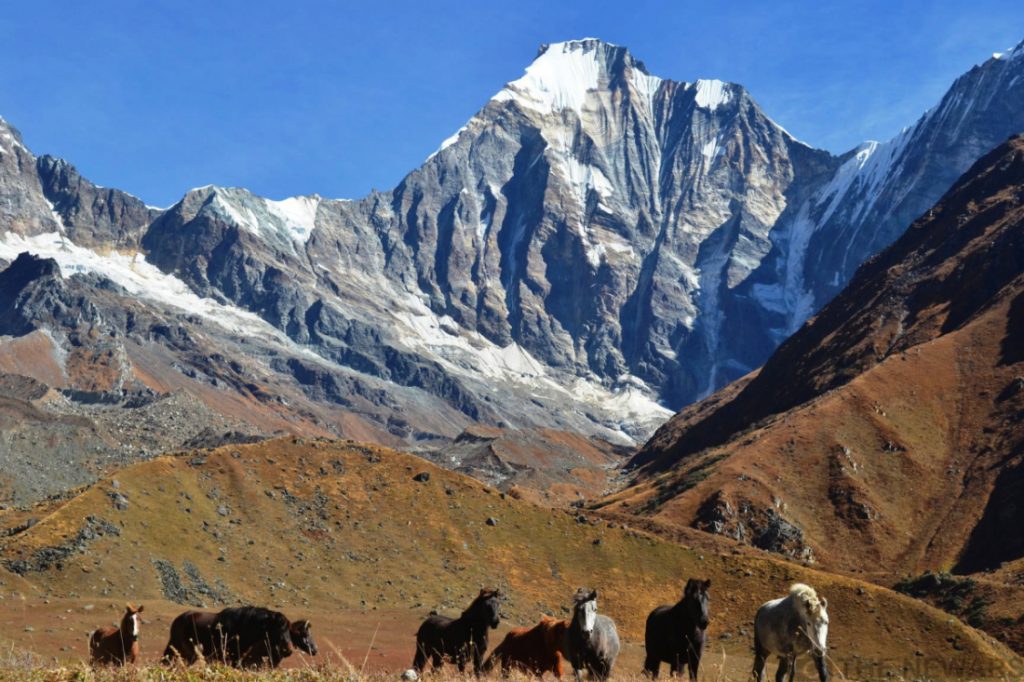
The Api Himal Base Camp Trek follows a remote and scenic route in far-western Nepal, combining flight, long road journeys, and multi-day trekking through isolated mountain villages.
The standard route is:
Kathmandu → Dhangadhi (Flight) → Dadeldhura (Drive) → Gokuleshwor → Makarigaad → Sitigaun → Dhauliodar → Api Base Camp (4,200m) → Kalidhunga Taal → Return via same route → Kathmandu
The journey begins in Kathmandu with a flight to Dhangadhi in the Terai plains. From there, a long scenic drive takes you through hilly terrain to Dadeldhura and further down to Gokuleshwor, the gateway to the Api region. The trekking portion starts from Makarigaad, gradually ascending through Sitigaun and Dhauliodar before reaching the majestic Api Base Camp at 4,200 meters.
Along the way, trekkers pass through dense forests, suspension bridges, remote villages, terraced farmland, and alpine meadows. The route is physically demanding but highly rewarding due to its untouched beauty and cultural authenticity.
Cost of Api Himal Base Camp Trek (2025–2026)
The cost of the Api Himal Base Camp Trek varies depending on group size, service level, and season. On average, the full 13-day package ranges between:
- USD 1,400 – USD 2,200 per person
Group-wise Cost Breakdown of Api Himal Base Camp Trek:
- Solo Trekker: USD 2,200
- Group of 2–6 people: USD 1,500 per person
- Group of 7–10 people: USD 1,400 per person
What is included in the cost:
- International airport pickup and drop service
- Kathmandu hotel with breakfast (2 nights)
- Domestic flights (Kathmandu–Dhangadhi–Kathmandu)
- All ground transportation (jeep, drive to trailhead, return transfers)
- Professional trekking guide and licensed porter support
- All meals during trekking (breakfast, lunch, dinner)
- Accommodation in homestays, lodges, and tents where required
- Fresh fruits, energy snacks, and drinking water support
- Government taxes and service charges
- Trekking support logistics and coordination
What is NOT included:
- International flights to Nepal
- Nepal visa fees
- Personal trekking gear (boots, jackets, sleeping bags)
- Travel and medical insurance (mandatory)
- Alcohol, bottled drinks, and personal snacks
- Tips for guides and porters
- Emergency helicopter evacuation
- Extra hotel nights due to delays or weather
Permit Requirements for Api Himal Trek
Since the Api Himal region lies in a restricted and conservation-controlled area, trekkers must obtain special permits before entering the trail. These permits are mandatory and are checked at multiple points along the route.
1. Api Nampa Conservation Area Permit
- Cost: NPR 3,000 per person
- Purpose: Conservation entry and environmental protection
- Required for all foreign trekkers
- Supports local biodiversity conservation programs
2. TIMS Card (Trekkers’ Information Management System) require for Api Himal Base Camp Trek
- Cost: USD 20 per person
- Purpose: Trekker safety and tracking system
- Issued by Nepal Tourism Board and TAAN
3. Vyas Rural Municipality Permit
- Cost: USD 90 per person (7 days validity)
- Additional: USD 15 per extra day
- Required because the region falls under a controlled rural municipality zone
- Revenue supports local infrastructure and community development
Permit Notes:
- All permits must be arranged before starting the trek
- Passport copy and photos are required
- Permits are usually managed by trekking agencies for convenience
- Entry without permits is strictly prohibited
13 Days Api Himal Base Camp Trek Itinerary (Detailed Day-by-Day)
Day 01: Arrival in Kathmandu (1,350m)
Arrival at Tribhuvan International Airport marks the beginning of your Himalayan journey. You will be welcomed by the trekking team and transferred to your hotel in Kathmandu. After check-in, you can rest and recover from your international flight. In the evening, a detailed briefing session is conducted covering the trekking route, safety instructions, weather conditions, and equipment checklist. Kathmandu offers a vibrant mix of culture and heritage, but this day is mainly for preparation and rest.
Day 02: Fly to Dhangadhi (109m) and Drive to Dadeldhura (2,090m)
A morning flight takes you to Dhangadhi, located in Nepal’s western lowlands. From here, a long scenic drive begins toward Dadeldhura, passing through rural landscapes, river valleys, and winding mountain roads. The transition from flat terrain to hilly regions becomes noticeable as altitude increases. Dadeldhura is a peaceful hill town known for its panoramic views and cool climate.
Day 03: Drive to Gokuleshwor (900m) and Trek to Makarigaad (1,300m)
The journey continues by road toward Gokuleshwor, the gateway to the Api region. From here, the trekking begins with a short hike to Makarigaad. The trail passes through small villages, suspension bridges, and terraced fields. This is your first real introduction to remote far-west Nepal and its traditional lifestyle.
Day 04: Trek to Sitigaun (2,200m)
The trail gradually ascends through dense forests and hillside settlements. The landscape becomes greener and more rugged as you move deeper into the Api Nampa Conservation Area. You will encounter local villagers and experience the hospitality of the Byansi community. Sitigaun is a traditional village surrounded by natural beauty and cultural richness.
Day 05: Trek to Dhauliodar (3,100m)
Today’s trek becomes more challenging as altitude increases. The path passes through alpine forests, steep ridges, and open landscapes with views of distant Himalayan peaks. The air becomes cooler, and vegetation changes dramatically. Dhauliodar offers a peaceful resting point surrounded by high mountain scenery.
Day 06: Trek to Api Base Camp (4,200m) via Kalidhunga Taal
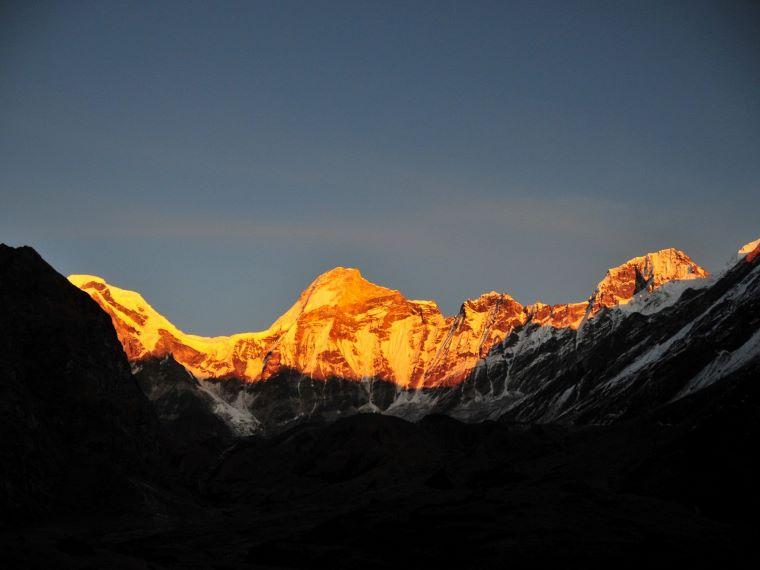
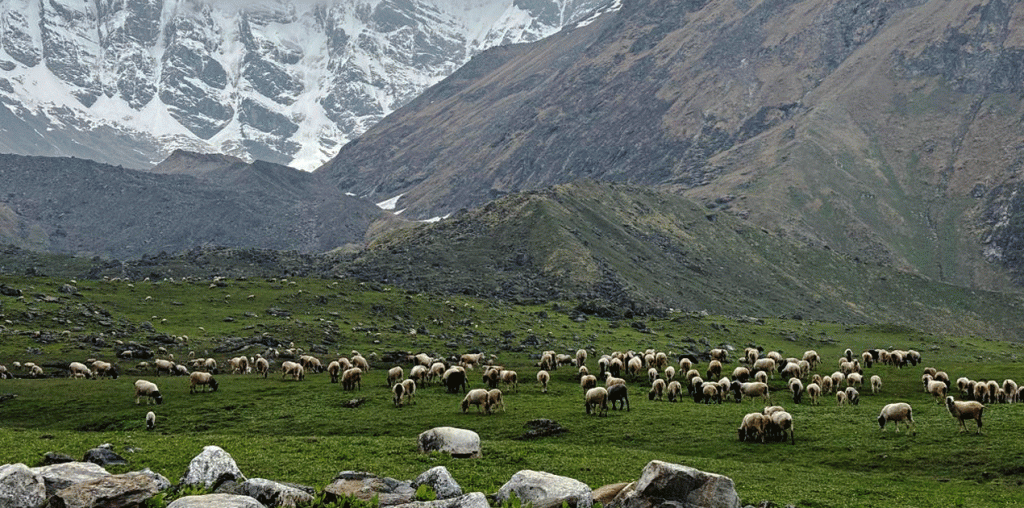
This is the most important day of the entire trek. You ascend toward Api Base Camp, located at the foot of Mt. Api (7,132m). The trail is rugged, passing through rocky terrain and glacial landscapes. At base camp, you are rewarded with breathtaking views of snow-covered peaks and glaciers. You then continue to Kalidhunga Taal, a sacred high-altitude lake believed to have spiritual significance. After exploration, you return to Dhauliodar.
Day 07: Optional Hike to Ringdepani Taal (4,000m)
This day is reserved for acclimatization and optional exploration. You can hike to Ringdepani Taal, a hidden alpine lake surrounded by peaceful mountain scenery. The area offers stunning reflections of snow peaks and a tranquil environment perfect for photography and rest.
Day 08: Trek back to Sitigaun (2,200m)
The descent begins as you retrace your steps toward Sitigaun. The downhill walk is easier but still scenic, passing through forests, rivers, and villages. Oxygen levels increase, making the journey more comfortable.
Day 09: Trek to Makarigaad (1,300m)
You continue descending toward lower elevations, passing agricultural land and local settlements. The warmth of the lower valleys returns, and interactions with villagers become more frequent.
Day 10: Drive to Dadeldhura (2,090m)
After completing the trekking section, you drive back to Dadeldhura. The journey offers time to reflect on the remote landscapes and cultural experiences of the trek.
Day 11: Drive to Dhangadhi (109m)
You descend further toward the Terai plains. The landscape changes from hills to flat tropical terrain, marking the end of the trekking region.
Day 12: Fly to Kathmandu
A morning flight brings you back to Kathmandu. The rest of the day is free for relaxation, shopping, or sightseeing around heritage sites.
Day 13: Final Departure
Depending on your flight schedule, you will be transferred to the airport for your onward journey, carrying unforgettable memories of one of Nepal’s most remote and pristine trekking experiences.
Conclusion
The Api Himal Base Camp Trek is far more than a trekking journey, it is an exploration into one of Nepal’s last untouched Himalayan frontiers. From the moment you leave Kathmandu and fly toward the far-western lowlands, the experience gradually transforms into a deep immersion in raw wilderness, ancient culture, and breathtaking mountain landscapes.
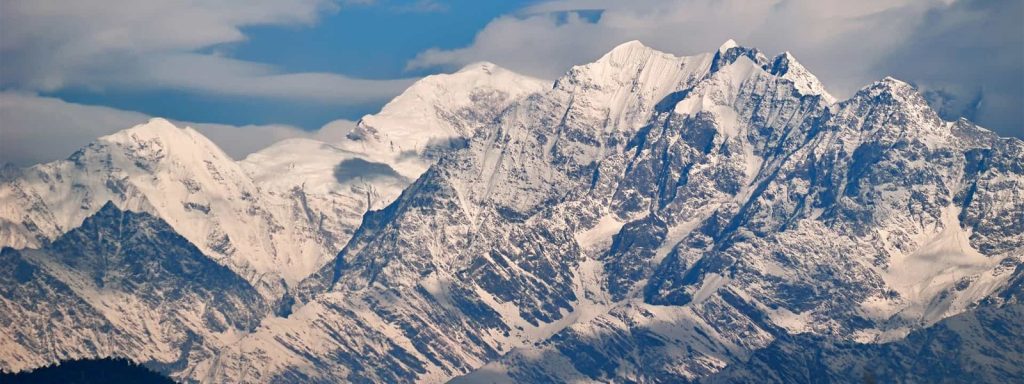
Unlike the heavily visited trekking routes of Nepal, Api Himal offers silence, solitude, and authenticity. The trail passes through remote villages where traditions remain unchanged for generations, alpine forests rich in biodiversity, and high mountain valleys that open into spectacular views of Mt. Api (7,132m) and surrounding peaks. The journey to Kalidhunga Taal and Ringdepani Taal further adds spiritual and natural depth, making the trek both physically rewarding and emotionally uplifting.
What makes this expedition truly special is its balance of adventure and cultural connection. Trekkers not only witness dramatic Himalayan scenery but also experience the warm hospitality of the Byansi and local communities whose lives are deeply connected to these mountains. Every step on this trail reflects history, tradition, and the resilience of people living in one of Nepal’s most remote regions.
Though moderately challenging due to long walking hours, remote terrain, and limited facilities, the trek is highly achievable for those with good fitness and a strong sense of adventure. Proper acclimatization, guided support, and well-planned logistics make the journey safe and enjoyable.
In essence, the Api Himal Base Camp Trek is a rare opportunity to experience Nepal in its purest form, untouched, peaceful, and deeply connected to nature. It is a journey that stays with you long after you return, not just as a memory of mountains, but as a life-changing encounter with one of the Himalayas’ most hidden treasures.