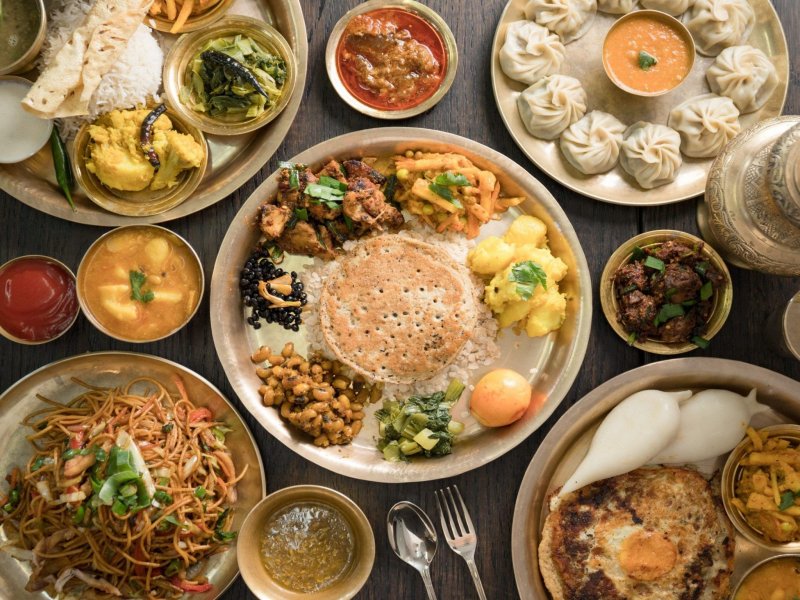
As Nepal’s tourism sector continues to grow, the local cuisine and hospitality scene are experiencing a remarkable evolution to cater to the diverse tastes and preferences of international visitors. This transformation reflects a blend of traditional flavors and modern influences, showcasing Nepal’s culinary heritage while embracing global trends.
In recent years, Nepal has seen a surge in international tourists, prompting local restaurants and eateries to adapt their menus to include a variety of global cuisines alongside traditional Nepali dishes. This shift is evident in the growing number of establishments offering fusion dishes that combine local ingredients with international cooking techniques. For instance, Nepali chefs are experimenting with dishes like momo tacos and thukpa burgers, blending traditional Nepali recipes with global flavors to appeal to a broader audience.
Despite the growing trend of fusion cuisine, there is a strong emphasis on preserving the authenticity of Nepali dishes. Tourists are increasingly drawn to traditional dishes such as dal bhat (lentil soup with rice), momos (dumplings), and sel roti (rice doughnuts). Local restaurants are focusing on using organic and locally sourced ingredients to maintain the traditional taste and quality of these beloved dishes.
As dietary preferences and restrictions become more prominent, Nepalese hospitality is evolving to accommodate a range of needs. Many restaurants now offer vegetarian, vegan, and gluten-free options, catering to the dietary requirements of international tourists. The inclusion of dishes like vegetable curries, lentil soups, and gluten-free rotis ensures that visitors with specific dietary needs can enjoy authentic Nepali flavors without compromise.
To enhance the tourist experience, several establishments are offering cooking classes and food tours. These experiences allow tourists to immerse themselves in Nepali culinary traditions, learning how to prepare local dishes while exploring the rich cultural heritage behind them. Cooking classes often include a visit to local markets to select fresh ingredients, providing a comprehensive and interactive culinary experience.
Nepalese hospitality is renowned for its warmth and friendliness, and this tradition continues to evolve with a greater focus on personalized service. Many hotels and guesthouses are investing in training programs to ensure that staff are well-versed in providing high-quality service that meets international standards. This includes offering personalized recommendations, accommodating special requests, and creating a welcoming atmosphere that enhances the overall tourist experience.
Foreign tourists visiting Nepal often seek out iconic Nepali dishes such as momos, dal bhat, and gundruk (fermented leafy greens). Additionally, there is a growing interest in fusion dishes that combine Nepali ingredients with international culinary techniques. For instance, dishes like yak steak with a side of mashed potatoes and curry-flavored sushi rolls are becoming popular among adventurous eaters.
Nepal’s culinary landscape is rapidly evolving to meet the diverse tastes and preferences of international tourists. By balancing traditional flavors with innovative culinary practices and maintaining high standards of hospitality, Nepal is positioning itself as a premier destination for food enthusiasts. As the country continues to welcome travelers from around the world, the evolution of its local cuisine and hospitality promises to offer a unique and memorable experience for every visitor.