The onset of the monsoon season has led to a significant decline in foreign tourist arrivals along the world-renowned Annapurna trekking route, with local tourism entrepreneurs reporting a sharp slowdown in business as fewer trekkers visit the region. According to officials at the Annapurna Conservation Area Project (ACAP) Tourist Check Post and Information Centre in Dharapani, the number of foreign trekkers has dropped dramatically since the beginning of the rainy season.
During the peak trekking season, the route typically welcomed 500 to 600 foreign tourists per day, while toward the end of the tourism season daily arrivals averaged 50 to 60 visitors. Since the start of Asar, however, the number has fallen to just 5-15 tourists a day, with some days recording only 1 or 2 visitors.
Annual Tourist Numbers Still Show Positive Growth
Despite the seasonal decline, overall foreign tourist arrivals on the Annapurna trekking route have remained encouraging during the current fiscal year. According to Bhupendra Gurung, in charge of the ACAP Tourist Check Post and Information Centre in Dharapani, more than 40,000 foreign tourists visited the Annapurna region between Shrawan 1 and Ashadh 25 of the current fiscal year, an increase of approximately 1,500 visitors compared to the same period of the previous fiscal year.

However, Gurung noted that the arrival of trekkers has fallen noticeably since the onset of the monsoon. While 2,775 foreign tourists visited the trail during Jestha, only around 800 tourists had arrived by Asar 25, reflecting the seasonal impact of adverse weather conditions.
Hotels and Local Businesses Feel the Impact
The decline in visitor numbers has directly affected tourism-related businesses along the trekking route. Panch Bahadur Gurung, a hotel entrepreneur from Jagat in Marsyangdi Rural Municipality-4, said hotel revenues have dropped significantly following the decline in tourist arrivals. He explained that businesses usually earn Rs 50,000 to Rs 60,000 per month during the peak trekking season, but current earnings have fallen to less than one-third of that amount.
“Earlier it was difficult to manage the number of guests, but now we have plenty of free time,” he said. “Tourists come, take photographs, and leave. Business has declined considerably.” According to local entrepreneurs, the income generated during the peak tourism season is helping many businesses survive the quieter monsoon months.
Entire Tourism Supply Chain Affected
The slowdown has impacted not only hotels and lodges but also restaurants, trekking guides, porters, transport operators, and other tourism-dependent businesses across the Annapurna region. Khush Bahadur Tamang, who operates a hotel near Bung Waterfall, said the monsoon has significantly reduced business activity.
He attributed the decline to poor road conditions, the increased risk of floods and landslides, and the difficulty of travelling during the rainy season, which discourages tourists from undertaking trekking trips. “When the roads were safe, groups of tourists arrived regularly. Now, with the increased risk caused by heavy rainfall, many visitors are reluctant to travel,” he said.
Flood and Landslide Risks Increase Travel Challenges
The Besisahar–Chame Road, the main gateway to the Annapurna trekking route, becomes particularly vulnerable to floods and landslides during the monsoon season, making travel more challenging. According to Nabin Bista, Information Officer at the Road Division Office, Lamjung, the risk of floods and landslides remains high from Ashadh until the first week of Asoj.

He said the department has stationed personnel and heavy equipment at strategic locations to respond quickly and keep the road operational. However, prolonged rainfall or major landslides could still disrupt transportation and affect access to the trekking route.
Tourism Stakeholders Hope for Seasonal Recovery
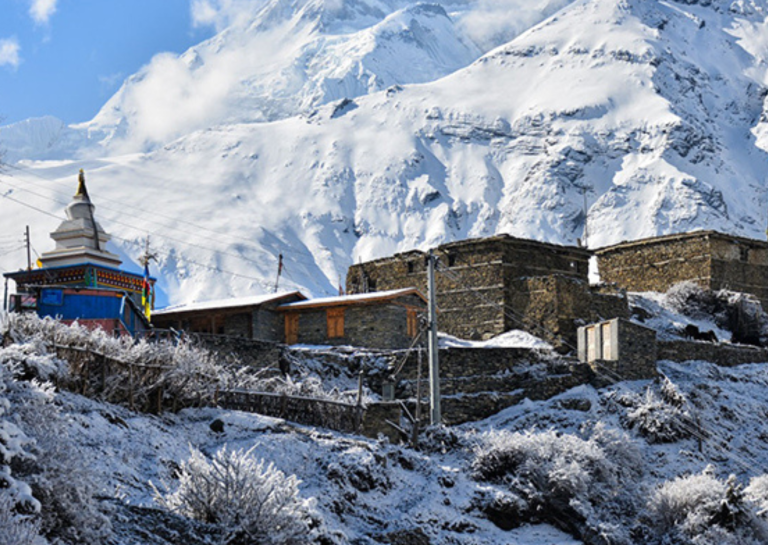
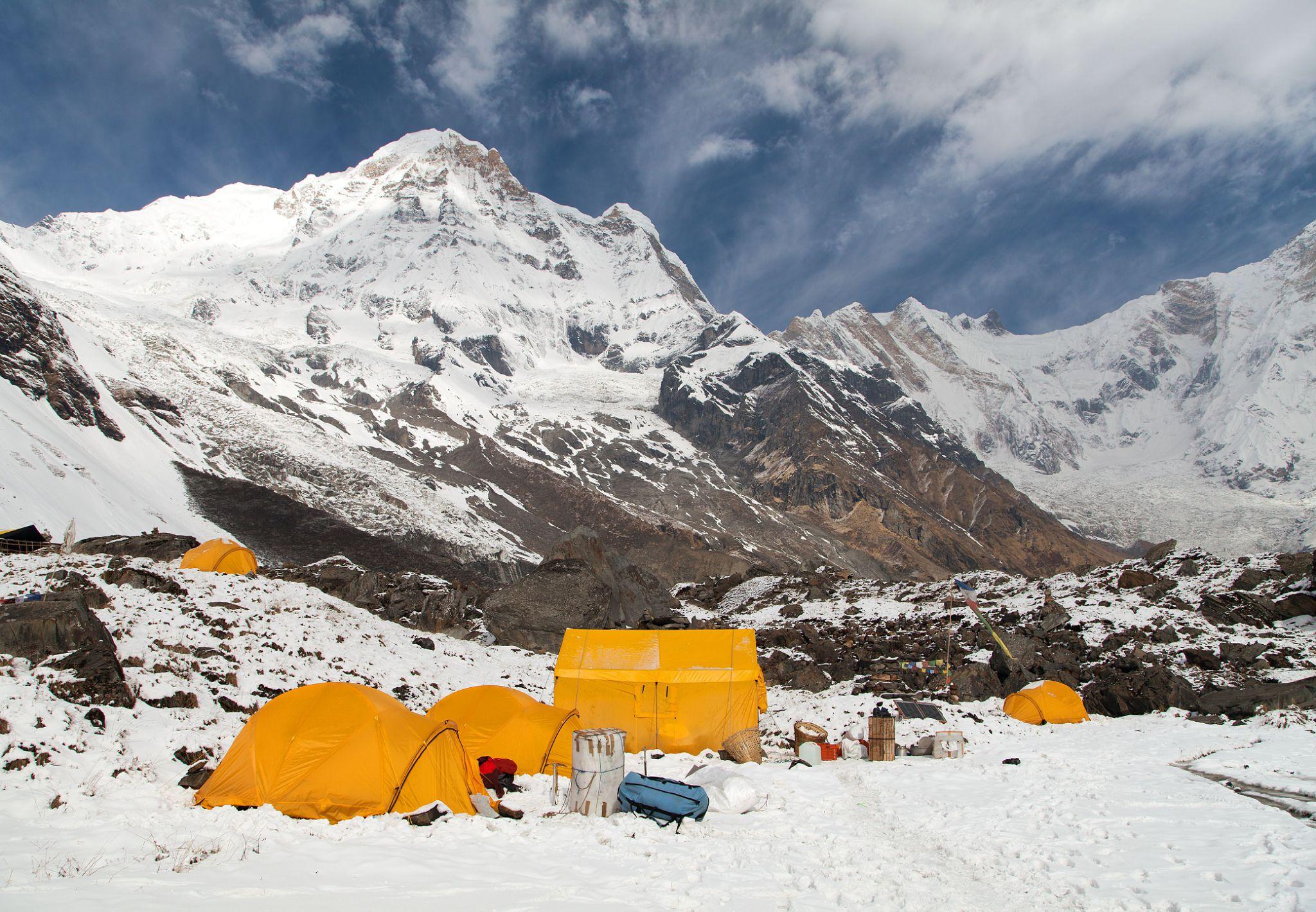
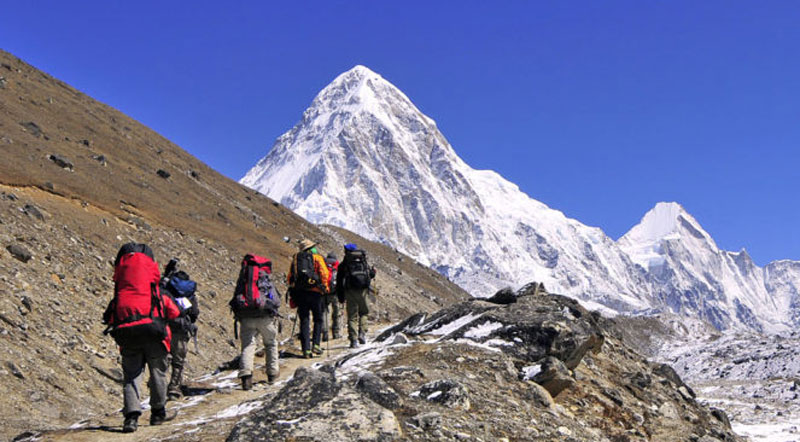
Regarded as one of the world’s finest trekking destinations, the Annapurna trekking route offers visitors breathtaking landscapes and rich cultural experiences across Lamjung, Manang, Kaski, Mustang, and Myagdi, with Besisahar in Lamjung serving as its gateway.
Despite the seasonal downturn, tourism entrepreneurs remain optimistic that visitor numbers will rebound once the monsoon ends and weather improves, allowing the Annapurna region to welcome large numbers of international trekkers during the upcoming autumn tourism season.