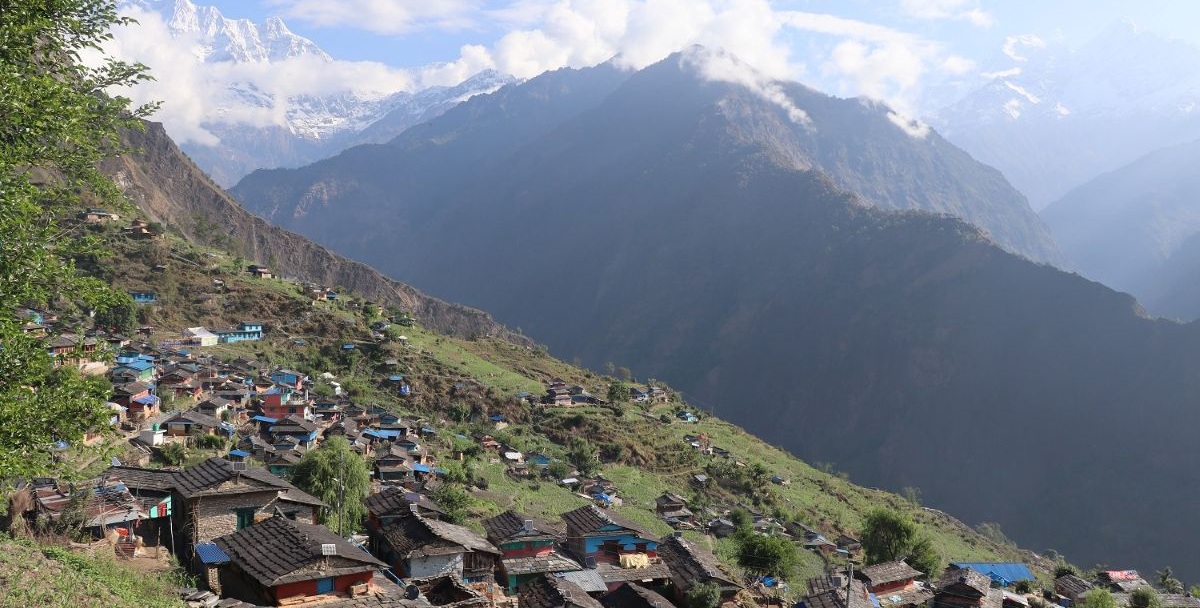
A new trekking route connecting Mudi, Gurja, Rughachour and Jaljala in Dhaulagiri Rural Municipality of Myagdi district is set to open from the coming winter season, marking a significant step toward expanding Nepal’s adventure tourism offerings and promoting lesser-explored destinations.
The proposed trail, described as a “virgin trekking route”, aims to provide trekkers with a unique experience by combining spectacular Himalayan landscapes with the rich cultural heritage of indigenous communities. Tourism stakeholders believe the new route will diversify trekking opportunities in western Nepal while generating employment and boosting the local economy.
Feasibility Study Completed for New Trekking of Mudi–Gurja–Jaljala Corridor
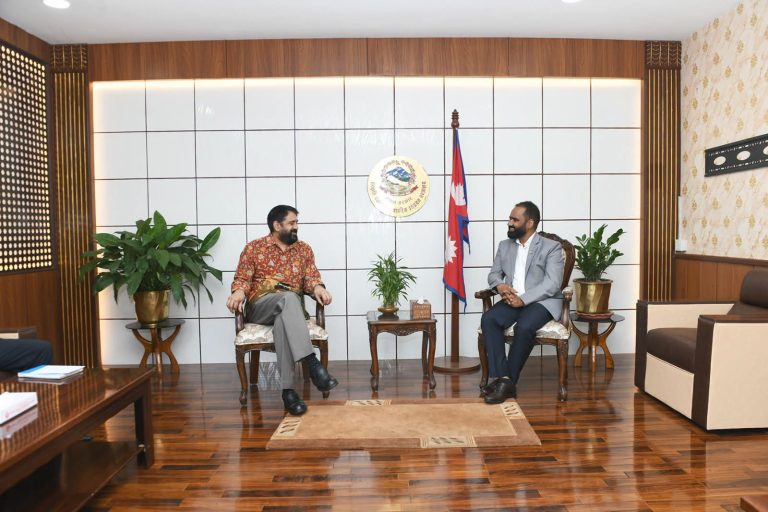
Preparations for the new trekking route are currently underway following the completion of a comprehensive feasibility study supported by the Department of Tourism. Minister for Science, Technology and Innovation Maha Bir Pun said the government plans to bring the Mudi–Gurja–Rughachour–Jaljala trekking route into operation from the upcoming winter trekking season.

According to the minister, the route will connect Mudi in Dhaulagiri Rural Municipality-4 with Jaljala in Ward No. 2, offering visitors access to remote mountain landscapes that have remained largely untouched by commercial trekking. Calling the trail a “virgin route,” Minister Pun urged tourism entrepreneurs, local communities, and stakeholders to begin necessary preparations to welcome trekkers once the route officially opens.
Government to Support Tourism Infrastructure of Mudi–Gurja–Jaljala Trekking Route
Minister Pun said the government is committed to developing essential tourism infrastructure along the new trekking route to ensure visitor safety and comfort. The Ministry has expressed its willingness to support the construction of facilities such as resting shelters, suspension bridges, and other basic trekking infrastructure, which are considered vital for making the route accessible to both domestic and international trekkers. The infrastructure development is expected to improve connectivity while preserving the area’s natural beauty and promoting sustainable tourism practices.
Extensive Survey Conducted Across Multiple Trekking Routes
The feasibility study was conducted by a technical team led by Chitra Tilija, Chief of the Beni-based Contact Office of Minister Maha Bir Pun. During the first, second, and third weeks of Asar, the team surveyed several trekking corridors, including the proposed Mudi–Gurja–Jaljala trekking route, the Dhaulagiri Circuit Trek, and another trail linking Dowa of Annapurna Rural Municipality-1 with Chimkhola through Raghuganga Rural Municipality-7.
Following the field assessment, the team prepared a detailed feasibility report and submitted it to Minister Pun and the Ministry of Culture, Tourism and Civil Aviation last week. The report is expected to serve as the foundation for infrastructure planning and future tourism development in the region.
Budget Allocated for Trek Development
Recognizing the tourism potential of the Dhaulagiri region, the Ministry of Culture, Tourism and Civil Aviation has allocated Rs 30 million in the budget for the upcoming fiscal year 2083/84 BS for the development of the Dhaulagiri Circuit Trek Project. In addition, the ministry has earmarked Rs 2.1 million specifically for conducting feasibility studies of new trekking routes, including the Mudi–Gurja–Jaljala trail. The investment reflects the government’s broader strategy of developing new trekking destinations beyond Nepal’s traditional tourism hotspots and promoting balanced regional tourism development.
Untapped Potential for Nature, Culture and Adventure Tourism
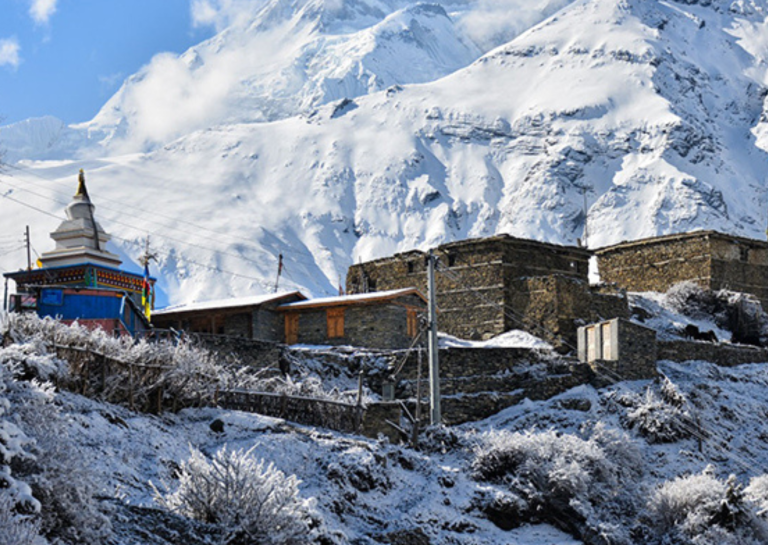
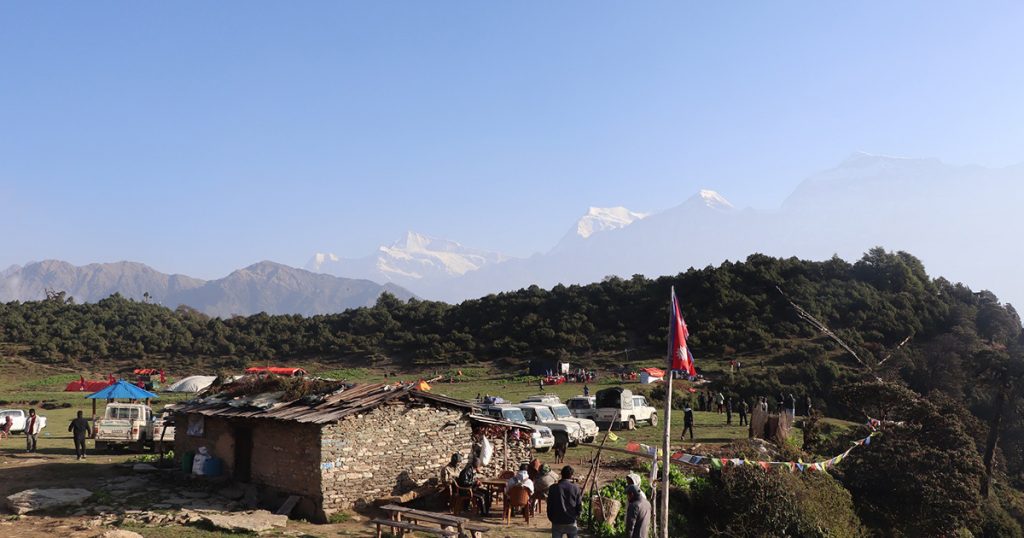
Tourism experts believe the proposed trekking route possesses immense potential due to its combination of pristine natural landscapes, diverse biodiversity, and authentic cultural experiences. The trail is expected to connect the majestic Dhaulagiri mountain region with the Dhorpatan Hunting Reserve, Nepal’s only hunting reserve, offering visitors opportunities to experience remote Himalayan ecosystems, alpine forests, high mountain meadows, waterfalls, and panoramic views of snow-capped peaks.
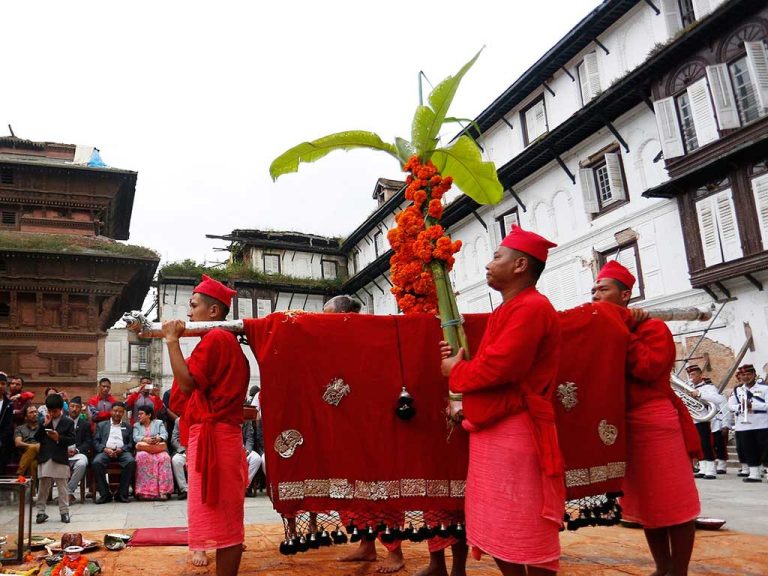
Beyond its natural attractions, the route also passes through culturally significant settlements that have preserved their traditional lifestyles for generations. The village of Mudi is home to Magar and Dalit communities, while Gurja, often referred to as a “hidden village,” is inhabited primarily by the indigenous Chhantyal community along with Dalit residents. The interaction with these communities is expected to offer trekkers opportunities to experience local traditions, indigenous culture, hospitality, traditional architecture, and unique mountain lifestyles, thereby adding significant cultural value to the trekking experience.
Local Communities Expect Economic Transformation
Residents have welcomed the initiative, expressing optimism that the new trekking route will revitalize tourism in the Dhaulagiri region. Bijay Gharti of Mudi said the operation of the new trekking trail would create fresh opportunities for employment and income generation at the local level. He noted that increased tourist arrivals would benefit hotel owners, homestay operators, trekking guides, porters, transport providers, farmers, handicraft producers, and other small businesses that depend on tourism. Local entrepreneurs also believe the new trail will encourage young people to remain in their villages by creating sustainable livelihood opportunities through tourism.

Boost for Dhaulagiri’s Tourism Development
Chairperson of Dhaulagiri Rural Municipality-4, Yam Prasad Gharti, expressed confidence that the trekking route would significantly contribute to both tourism development and the local economy. He said the initiative would help showcase the hidden beauty of the Dhaulagiri region while attracting adventure enthusiasts looking for less crowded trekking experiences. According to local officials, the opening of the route could also reduce pressure on Nepal’s more popular trekking destinations by encouraging visitors to explore emerging tourism areas.
A New Chapter for Adventure Tourism
With government support, completed feasibility studies, allocated budgets, and growing enthusiasm from local communities, the proposed Mudi–Gurja–Rughachour–Jaljala trekking route is expected to become one of Nepal’s promising new adventure tourism products.
If launched as planned during the upcoming winter season, the route is anticipated to strengthen Nepal’s reputation as a premier trekking destination while promoting sustainable tourism, preserving local culture, generating rural employment, and creating long-term economic opportunities for communities in the Dhaulagiri region. Tourism stakeholders believe the new trail represents an important milestone in Nepal’s efforts to diversify its trekking portfolio and unlock the tourism potential of previously unexplored Himalayan destinations.