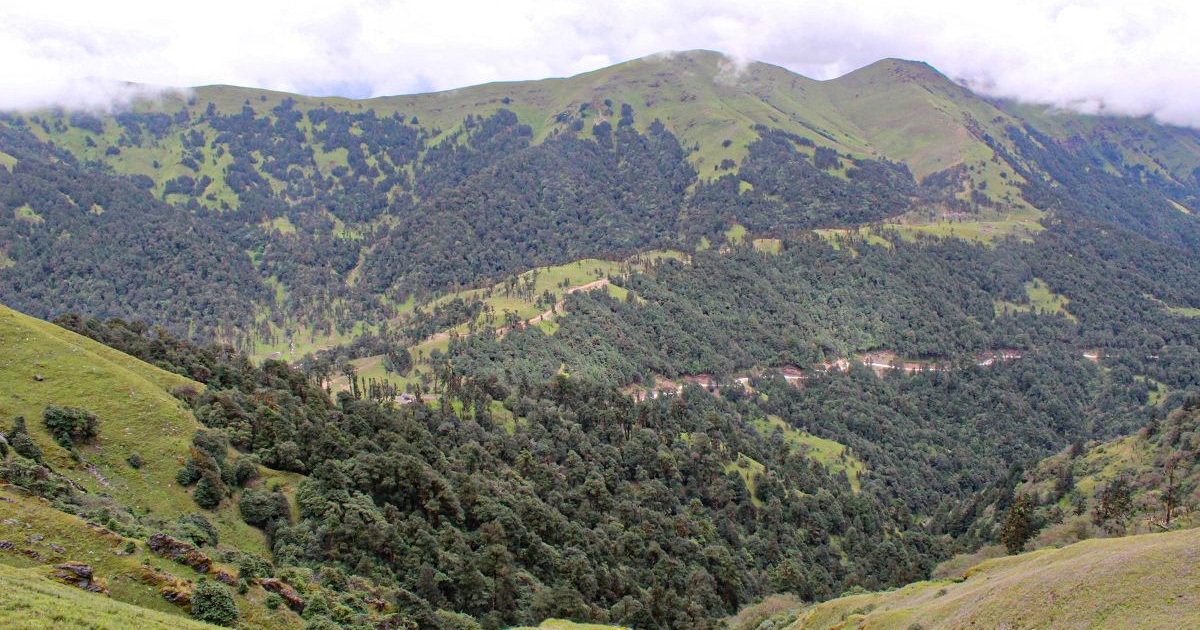
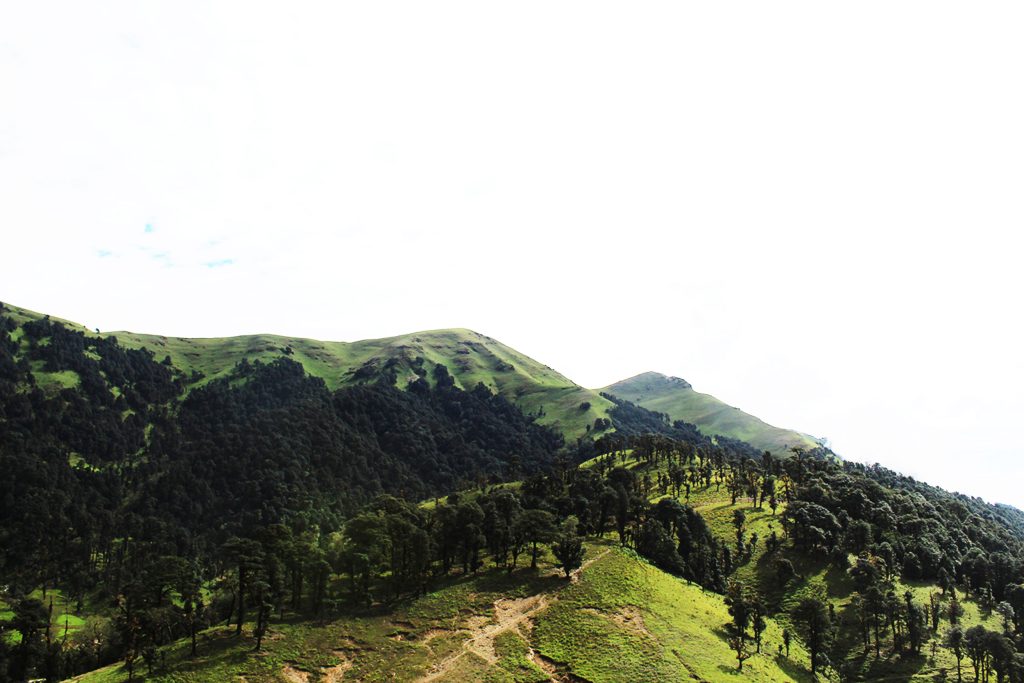
The tranquil Rig Lake (Rig Taal) in Nisikhola Rural Municipality–6 of Baglung district has witnessed a remarkable rise in domestic tourist arrivals this summer, as people from Nepal’s hot southern plains and nearby cities flock to the high-altitude destination in search of cooler weather and natural beauty. Situated at an altitude of approximately 3,200 metres above sea level, Rig Lake has become one of western Nepal’s emerging tourism destinations, offering visitors a refreshing escape from the intense summer heat experienced across the Terai and lower hill regions.
Cool Climate Attracts Growing Number of Visitors
With temperatures soaring in many parts of Nepal, especially in the Terai, Rig Lake’s cool mountain climate has become a major attraction for domestic travelers. Even during the monsoon season, the area experiences chilly winds comparable to winter conditions, making it an ideal destination for those seeking relief from the heat. The picturesque surroundings, peaceful environment, blooming wildflowers, fresh greenery, and panoramic mountain landscapes have further enhanced the area’s popularity among nature lovers and adventure seekers.

From Hidden Pasture to Emerging Tourist Destination
Until about a decade ago, Rig Lake remained largely unknown, serving mainly as a seasonal grazing area for local herders. However, increased promotion and growing awareness, coupled with improved road connectivity, have transformed the once-overlooked destination into a rapidly emerging tourism hotspot. Located near the Mid-Hill Highway, one of Nepal’s National Pride Projects, the lake is now easily accessible by road, allowing visitors to travel almost directly to the site. From Patihalne, located at the junction of Baglung, Rolpa and East Rukum districts, the lake can be reached within a 15-minute walk, making it convenient for travelers of all ages.
Tourist Numbers Rise Significantly
According to resident Purna Bahadur Gharti Magar of Nisikhola Rural Municipality–6, tourist arrivals at Rig Lake have increased dramatically over the past seven years. He said that since the beginning of Ashadh, more than 100 visitors have been arriving daily, while on public holidays and weekends, the number often exceeds 500 tourists. “Road development has brought tourists to what was once only a grazing area for herders,” Gharti Magar said. “In the past, shepherds from Nisi and Bhalkot villages spent the entire rainy season here with their sheep, goats, cows, and buffaloes. Today, the hills around Rig Lake are crowded with visitors because the place is naturally beautiful.”
Tourism Creating New Income Opportunities
The increasing number of tourists has provided new economic opportunities for local communities that traditionally depended on livestock farming. According to Gharti Magar, visitors frequently purchase locally produced milk, curd, and ghee directly from herders’ shelters, creating an additional source of income for local families during the summer tourism season.
Residents believe tourism has begun contributing significantly to the rural economy by generating income not only for livestock owners but also for transport operators, small businesses, and food vendors.
Waste Management Becoming a Growing Concern
While welcoming the rise in tourism, residents have also expressed concern over increasing environmental pollution around the lake. Gharti Magar noted that some visitors leave behind plastic bottles, beer bottles, and other non-biodegradable waste, threatening the area’s pristine natural environment. He urged tourists to practice responsible travel and help preserve Rig Lake’s ecological beauty by properly disposing of waste and minimizing environmental impacts.
Visitors Flock from Across Nepal
Rig Lake is currently attracting visitors from various parts of the country, particularly Butwal, Dang, Nepalgunj, Chitwan, and Bhairahawa, where summer temperatures have remained exceptionally high. Ritesh Tamrakar, who travelled from Nepalgunj, said he chose to spend a week in the mountains to escape the extreme heat of the Terai. During his trip, he visited several attractions, including Chaurikharka, Dhorpatan, Nisel Dho, and Rig Lake.

“The heat in the Terai has become unbearable,” he said. “The cool breeze here is something we rarely experience. The weather is so refreshing that after sitting for a while, you actually begin to feel cold. It makes you want to stay here throughout the summer.” Similarly, Prabesh Poudel from Bhairahawa said he visited Rig Lake with friends while returning to his ancestral home in Gulmi. He described the destination as a perfect retreat from the scorching temperatures of the plains and praised its peaceful surroundings and refreshing climate.
Strong Potential for Sustainable Tourism
Tourism stakeholders believe Rig Lake has significant potential to become one of western Nepal’s leading eco-tourism and nature-based destinations. Its combination of alpine climate, stunning landscapes, traditional pastoral culture, and easy road access offers visitors a unique opportunity to experience authentic Himalayan life without undertaking strenuous trekking. However, residents stress that sustainable tourism practices, improved waste management, and careful infrastructure development will be essential to protecting the area’s fragile ecosystem while supporting long-term tourism growth. As more domestic travelers seek cooler destinations during Nepal’s increasingly warmer summers, Rig Lake is steadily establishing itself as one of Baglung’s most attractive and promising highland tourism destinations.