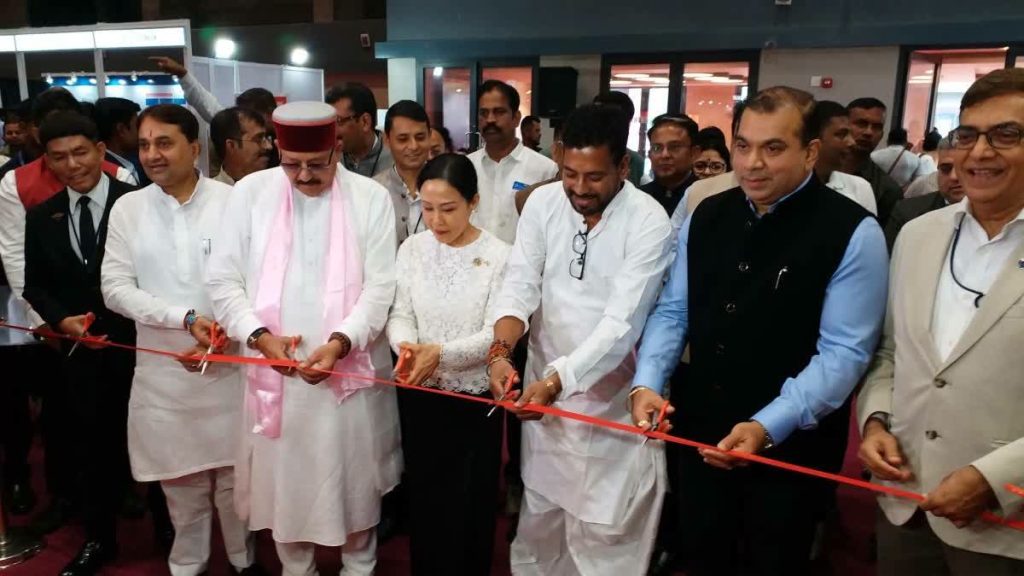
The Government of West Bengal has announced plans to introduce a comprehensive Homestay Policy and Tourism Industrial Policy as part of its broader strategy to make the state’s tourism sector more organised, modern, sustainable, and investment-friendly. The announcement was made by West Bengal Tourism Minister Shankar Ghosh during the inauguration of the Travel and Tourism Fair (TTF) Kolkata 2026, being held from 10 to 12 July at Biswa Bangla Mela Prangan. The three-day international tourism exhibition has brought together tourism boards, travel companies, hospitality businesses, tour operators, and industry stakeholders from across India and abroad to promote tourism collaboration and business networking.
Draft Policies Expected by August
Addressing the gathering, Minister Ghosh said the Tourism Department has already begun preparing the draft Homestay and Tourism Industrial Policies and aims to complete the drafting process and submit them to the state Cabinet for approval by August 2026. He emphasized that the new policies will not be prepared solely by the government but will be developed through extensive consultation with tourism stakeholders to ensure they address the practical needs of the industry.

According to Ghosh, representatives from homestay associations, hotel owners, tour operators, transport service providers, online travel platforms, and other tourism entrepreneurs will be invited to provide recommendations before the final policies are approved. The government will also seek suggestions from the general public before releasing the final draft, ensuring broad participation in shaping the future direction of West Bengal’s tourism sector.
Technology to Guide Tourism Planning in West Bengal
A key feature of the proposed tourism strategy is the adoption of data-driven planning through collaboration with the Indian Institute of Technology (IIT) Kharagpur. Minister Ghosh said the state government plans to establish a comprehensive tourist databank by analysing visitor behaviour, travel patterns, spending habits, and destination preferences. The collected data will help authorities identify destinations requiring additional tourism infrastructure, determine areas suitable for future investment, and promote lesser-known tourist attractions to distribute visitor traffic more evenly across the state. The initiative is expected to support evidence-based decision-making while improving tourism planning and destination management.
Reducing Pressure on Popular Destinations of West Bengal
The minister of West Bengal acknowledged that several of West Bengal’s leading tourist destinations are witnessing steadily increasing visitor numbers, creating challenges related to congestion and overcrowding. Referring specifically to Darjeeling, he said excessive traffic congestion during peak travel seasons has become a major concern for tourists.
To address the issue, the government plans to actively promote alternative hill destinations such as Kalimpong and Mirik, encouraging visitors to explore a wider range of attractions rather than concentrating tourism in a single location. Authorities also intend to determine the appropriate number of homestays, hotels, and resorts that should be developed in each destination based on its environmental carrying capacity.
Focus on Sustainable and Eco-Friendly Tourism
Minister Ghosh stressed that the government’s priority is not merely increasing tourist arrivals but ensuring that tourism development remains environmentally sustainable. He said future tourism expansion will focus on balancing economic growth with environmental conservation, minimizing ecological damage, and reducing the risks associated with overdevelopment and natural disasters. The proposed Homestay Policy is expected to support responsible tourism while encouraging community participation, rural entrepreneurship, and preservation of local culture.
Tourism Industry May Receive Industrial Status
As part of its tourism reform agenda, the West Bengal Government is also considering bringing tourism under the state’s industrial policy framework. According to the minister, this move would enable tourism businesses to access various financial and non-financial incentives designed to attract private investment and accelerate tourism infrastructure development. He expressed confidence that increased investment in hotels, resorts, homestays, transport, and related services would create new employment opportunities while strengthening the state’s economy.
TTF Kolkata 2026 Showcases Regional Tourism Potential
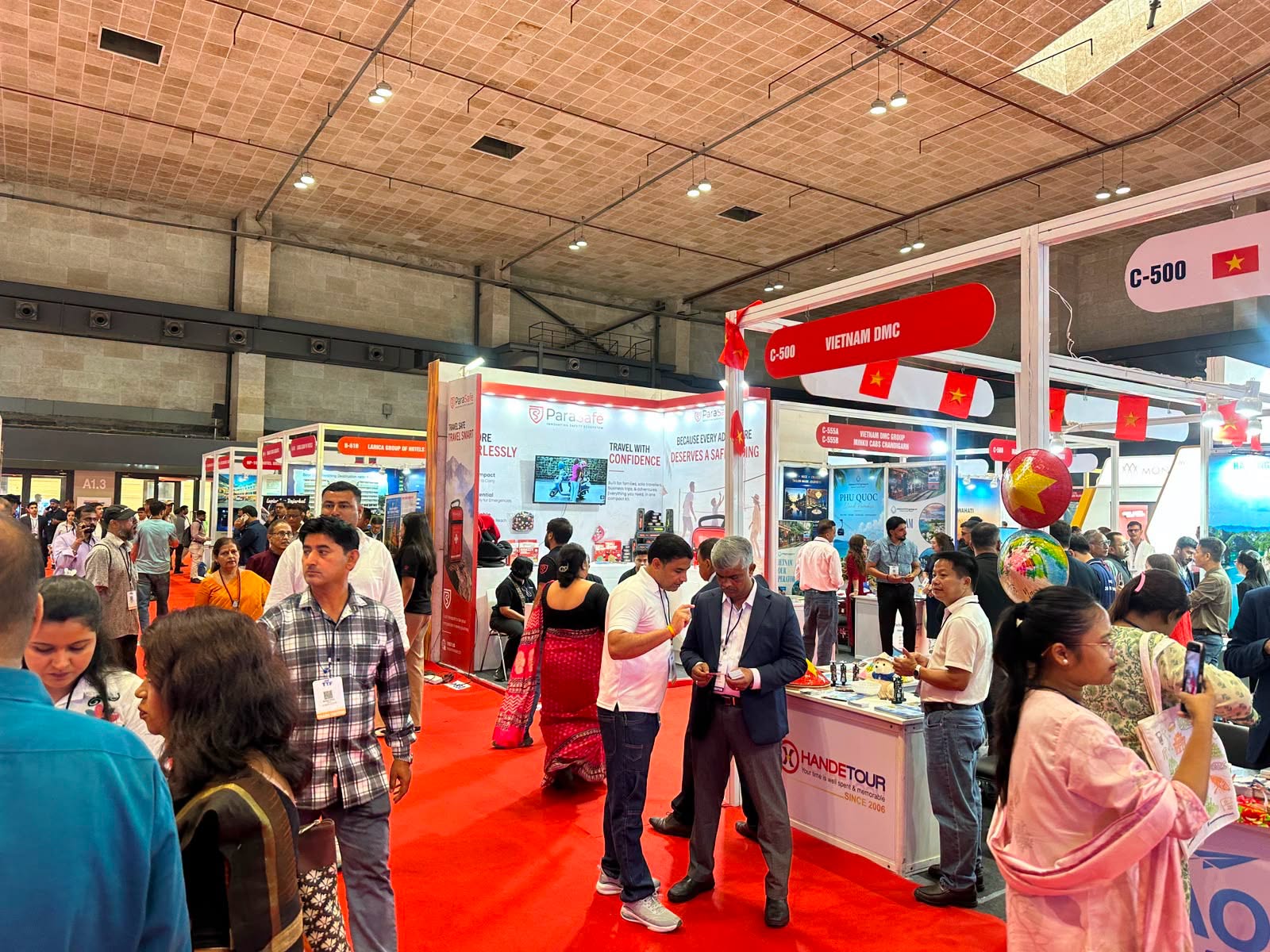
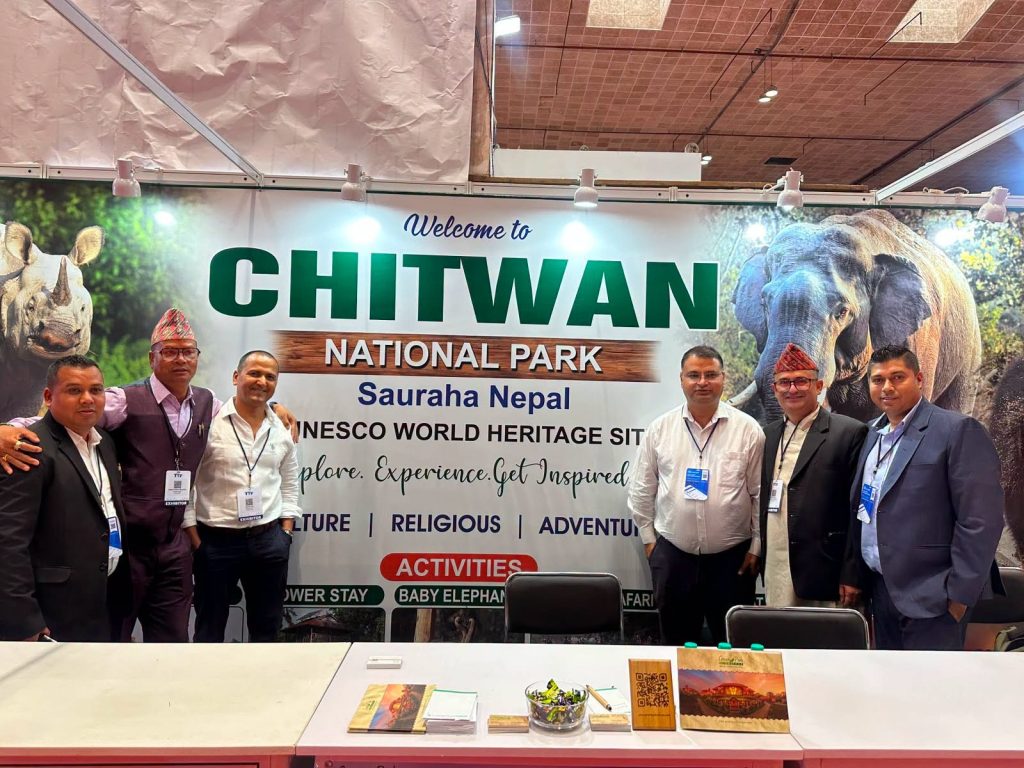
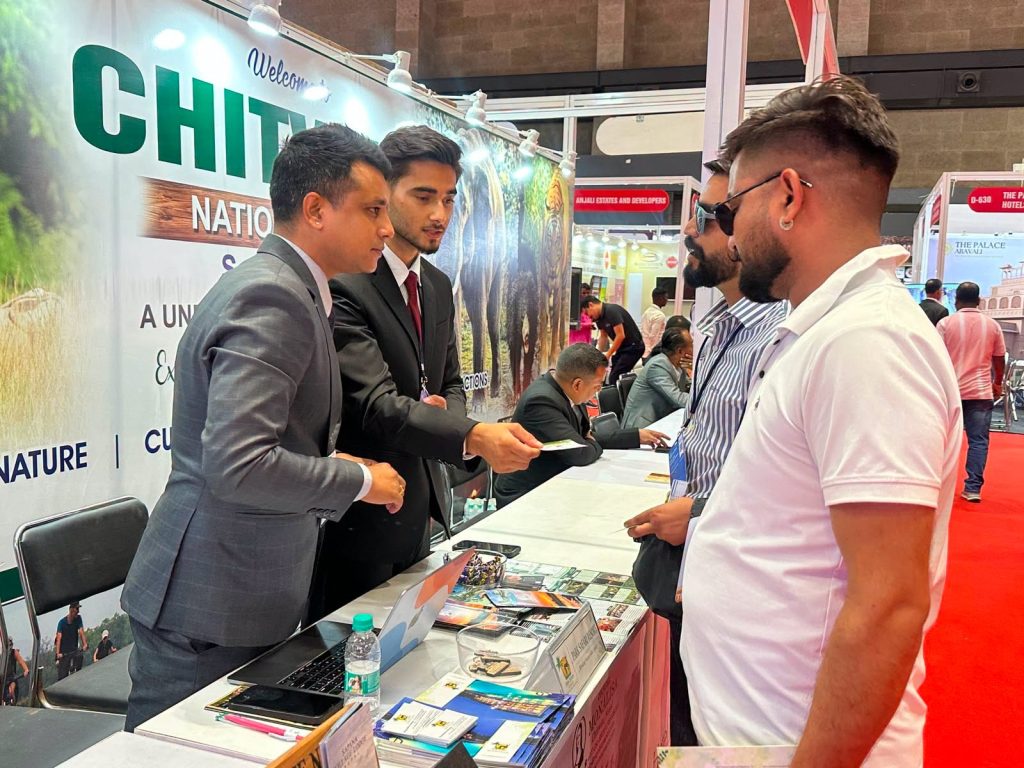
The policy announcement coincided with the opening of Travel and Tourism Fair (TTF) Kolkata 2026, one of Eastern India’s largest tourism exhibitions. The three-day event has attracted more than 500 exhibitors representing 21 Indian states and six countries, providing a major platform for tourism promotion, destination marketing, and business-to-business networking. Several senior government officials, tourism ministers, tourism boards, travel companies, and hospitality industry leaders are participating in the exhibition.
Among the distinguished guests were Uttarakhand Tourism Minister Satpal Maharaj, Goa Tourism Minister Rohan A. Khaunte, along with representatives from various Indian states and international tourism organizations. Organizers said the fair aims to strengthen tourism partnerships, enhance business collaboration, and promote new tourism opportunities across Eastern India and neighbouring international markets.

Madhya Pradesh Strengthens Presence in Eastern India
One of the key participants at the exhibition is the Madhya Pradesh Tourism Board, which is using TTF Kolkata 2026 to strengthen its outreach in the Eastern Indian travel market ahead of the upcoming festive and winter travel seasons. The Board is showcasing the state’s rich portfolio of heritage, wildlife, spiritual, cultural, adventure, and experiential tourism through destination presentations, business meetings, and strategic networking sessions. Tourism officials said the exhibition provides an ideal opportunity to build stronger partnerships with travel agents, tour operators, media organizations, and tourism stakeholders while promoting Madhya Pradesh as one of India’s leading experiential travel destinations.
New Policies Expected to Transform Tourism Sector
Tourism industry experts believe West Bengal’s proposed Homestay and Tourism Industrial Policies could significantly strengthen the state’s tourism sector by encouraging sustainable investment, improving destination planning, supporting community-based tourism, and enhancing visitor experiences. Combined with technology-driven planning, stakeholder participation, and environmentally responsible development, the new initiatives are expected to position West Bengal as one of India’s leading sustainable tourism destinations while creating new economic opportunities for local communities and tourism entrepreneurs.