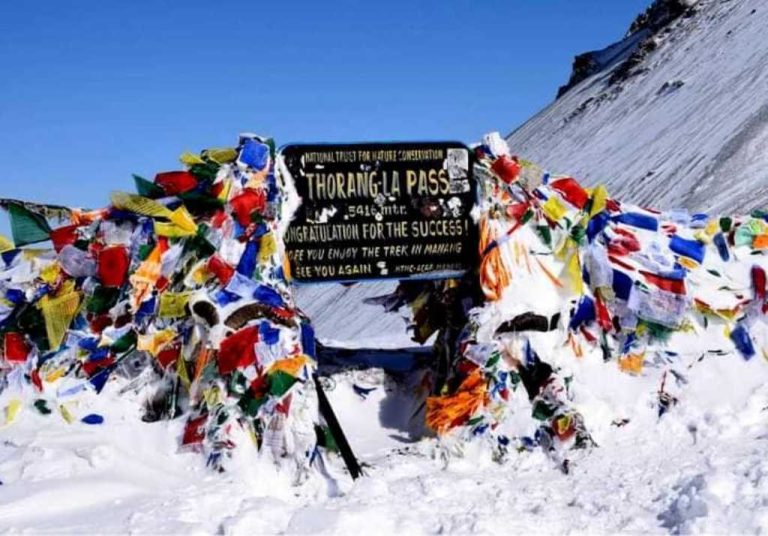
A total of 25 tourists and trekking workers died from high-altitude sickness along the Annapurna trekking route during the fiscal year 2082/83, according to the Annapurna Conservation Area Project (ACAP).
The fatalities included 12 Nepali nationals, nine Indians, and one each from Japan, Mexico, Spain and Singapore, highlighting the continued risks associated with trekking and climbing in high-altitude areas of the Annapurna region.

Mustang Records Highest Number of Deaths
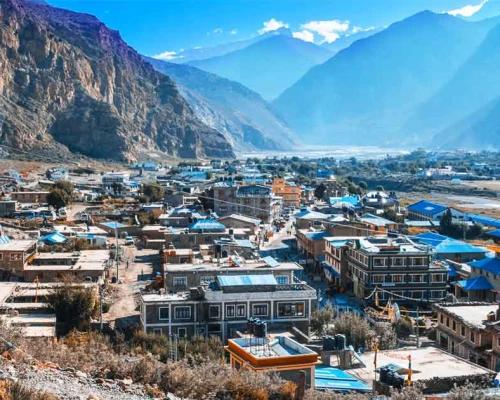
According to ACAP, 15 people died in Mustang, while eight fatalities were recorded in Manang. One person each died at the Annapurna Base Camp (ABC) and on the Mardi Himal trekking route due to high-altitude sickness. Among the Nepali nationals who lost their lives, four were guides and porters, according to ACAP Project Chief Dr. Rabin Kadariya.
Five More Die in Trekking-Related Accidents
In addition to the deaths caused by high-altitude sickness, five tourists lost their lives in falls and other trekking-related accidents during the same fiscal year. An Indian tourist died during heavy snowfall while trekking in Manang, while an Australian climber lost his life while descending after climbing Himlung Mountain in Manang. Similarly, a Nepali trekker died while trekking to Mardi Himal, and a German national died from altitude sickness while trekking in the Khopra area of Myagdi.
High-Altitude Areas Remain Most Vulnerable
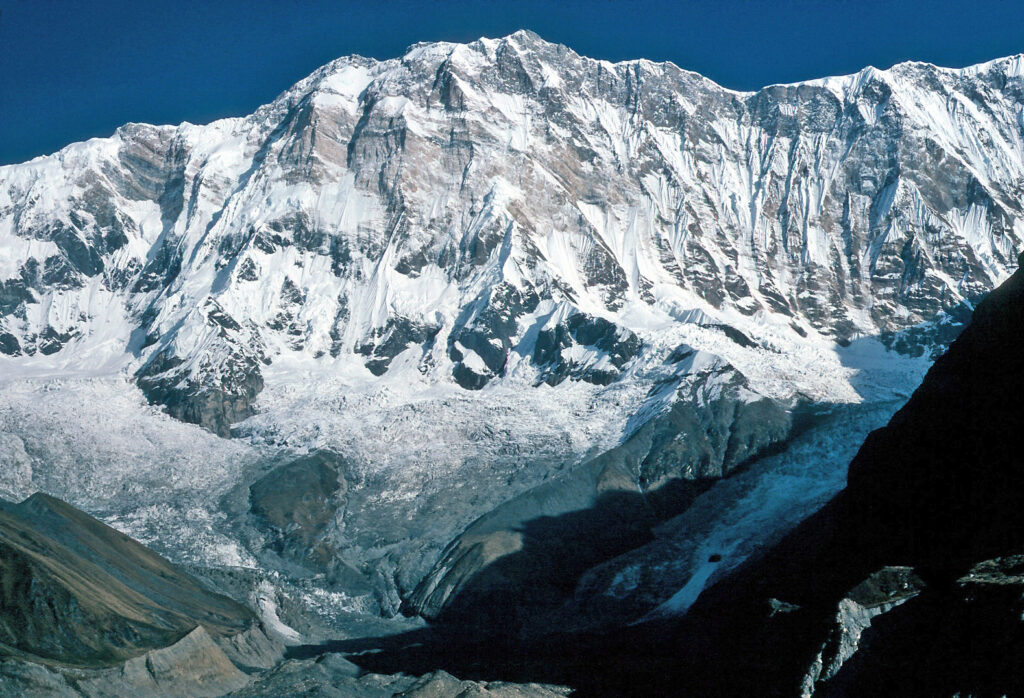
ACAP officials have stated that deaths caused by high-altitude sickness are generally concentrated in the higher regions of Mustang and Manang, where trekkers face rapidly changing weather, low oxygen levels and extreme altitude conditions.
The Annapurna region remains one of Nepal’s most popular trekking destinations, attracting thousands of domestic and international visitors every year. However, the increasing number of altitude-related fatalities has underscored the importance of proper acclimatization, health monitoring, weather awareness and preparedness while travelling to high-altitude areas.

Altitude-Related Deaths Remain a Persistent Concern
The number of deaths caused by high-altitude sickness has fluctuated in recent years. ACAP data shows that 21 people died from the same cause in fiscal year 2080/81, while the figure declined to 19 in fiscal year 2081/82.
The latest increase to 25 deaths in FY 2082/83 has renewed concerns over the risks faced by trekkers, climbers and tourism workers in the high-altitude areas of the Annapurna Conservation Area.