For more than 120 years, Rolls-Royce has been developing technologies to address some of the most complex challenges in aerospace. Over that period, aviation has undergone a remarkable transformation, with aircraft now capable of flying farther, higher and more efficiently than ever before.
The company’s progress has been driven not only by major technological breakthroughs but also by a continuous process of observation, testing, data analysis and incremental improvement. In an industry where even a small improvement in fuel efficiency can deliver significant economic and environmental benefits, this long-term approach has become central to Rolls-Royce’s engineering strategy.
Modern Trent XWB engines, for example, deliver a 25 percent improvement in efficiency compared with their predecessors from around three decades ago. The improvement reflects the steady development of aerodynamics, materials, manufacturing techniques, digital systems and operational knowledge accumulated over generations of engine programmes.

Engine Development Continues After Entry into Service by Rolls-Royce
An aero engine does not complete its development once it has passed testing, modelling and certification and entered commercial service. Instead, the beginning of airline operations marks a new stage of engineering learning. Every take-off, climb, cruise and landing generates valuable operational data. When this information is combined with inspection reports and maintenance findings, engineers gain a deeper understanding of how engines perform under real-world conditions.
This knowledge helps identify how components age, how they respond to different operating environments and where improvements can be made to increase reliability and durability. Aero engines operate in some of the most demanding conditions created by modern engineering. High-pressure turbine blades can rotate at approximately 13,000 revolutions per minute while operating in gas temperatures approaching 1,500 degrees Celsius.
These temperatures are around 200 degrees Celsius higher than the melting point of the alloy from which the blades are made. Despite facing immense thermal and mechanical stresses, engine components are designed to operate safely for extended periods, in some cases for up to six years without a major overhaul.
Real-World Operations Provide Valuable Engineering Data
Commercial aviation demands continuous improvement. Airlines require lower fuel consumption, fewer maintenance events and greater reliability because engine performance directly affects aircraft availability and operating costs. The importance of engine reliability extends beyond individual airlines. Aircraft connect cities and countries, support tourism and trade, transport essential cargo and contribute to wider economic activity. For national carriers and governments, dependable aircraft operations can also play a role in maintaining connectivity and supporting national development.
Rolls-Royce engines operating across the world provide the company with a broad range of operational experience. Engines are exposed to diverse environments, including hot, high, humid and dusty conditions, while some fleets operate intensively across long-haul routes. The data generated from these different conditions helps engineers understand how components perform over time and how their durability can be enhanced.
Trent Family Creates an Interconnected Engineering Ecosystem
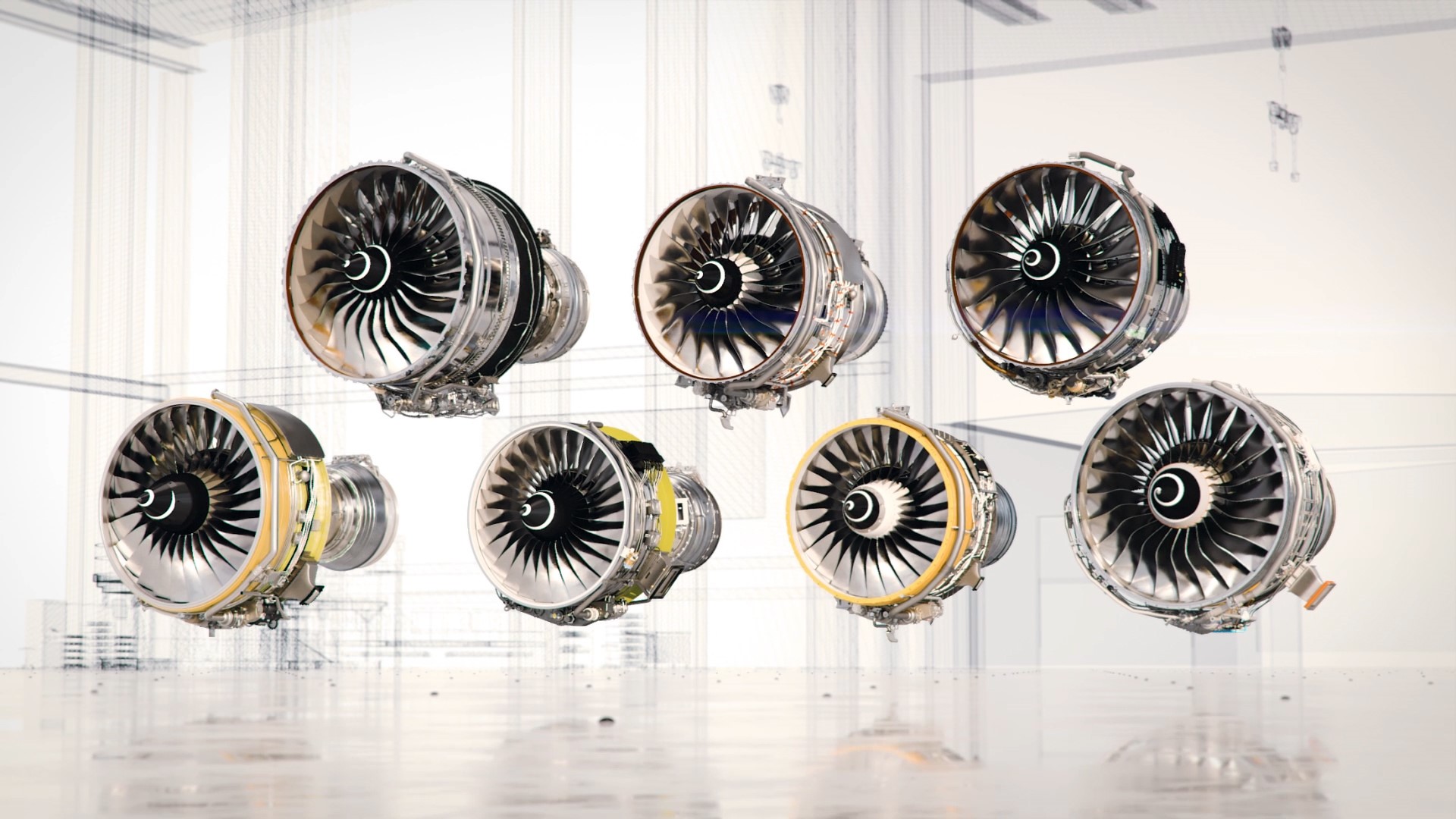
Rolls-Royce powers several of the world’s leading widebody aircraft. The Trent 1000 has powered the Boeing 787 Dreamliner since entering commercial service in 2011. The Trent XWB powers the Airbus A350, while the Trent 7000 powers the Airbus A330neo.
Although each engine of Rolls-Royce is specifically designed for its aircraft platform, the different Trent programmes form an interconnected engineering ecosystem. Knowledge gained in areas such as aerodynamics, combustion, cooling, digital controls, materials, manufacturing, health monitoring and maintenance can support improvements across multiple engine families. This allows Rolls-Royce to experience from one programme to strengthen engineering decisions on another. The approach also helps Rolls-Royce transform operational experience into new technologies and improvements for customers.
Trent 7000 Supports Further Durability Improvements
The Trent 7000 demonstrates how accumulated engineering knowledge can be applied to newer engine programmes. As the newest member of the Trent family, it benefits from decades of experience gained through earlier generations while also serving as an important platform for validating new durability enhancements.
Lessons learned from the Trent 7000 have contributed to technologies being incorporated into the Trent 1000 XE. This process allows proven operational evidence to be transferred into improvements that can benefit a wider customer base. The approach illustrates the importance of learning across engine programmes rather than treating each product as an isolated development. Every engine provides new information, and that information contributes to the development of future technologies.
Trent XWB-84 Exceeds Fuel-Burn Improvement Target
The Trent XWB also demonstrates the value of operational learning. The latest Trent XWB-84 Enhanced Performance standard has exceeded its original certified fuel-burn improvement target. Data gathered from everyday airline operations showed fuel savings of approximately 1.8 percent, almost twice the original target. For operators, the improvement can translate into significant financial benefits.
The estimated saving of Rolls-Royce is around $450,000 per aircraft annually, while a typical fleet of 20 Airbus A350-900 aircraft could achieve annual fuel savings of approximately $9 million. Such improvements highlight how relatively small gains in engine performance can produce significant benefits when applied across large commercial fleets.
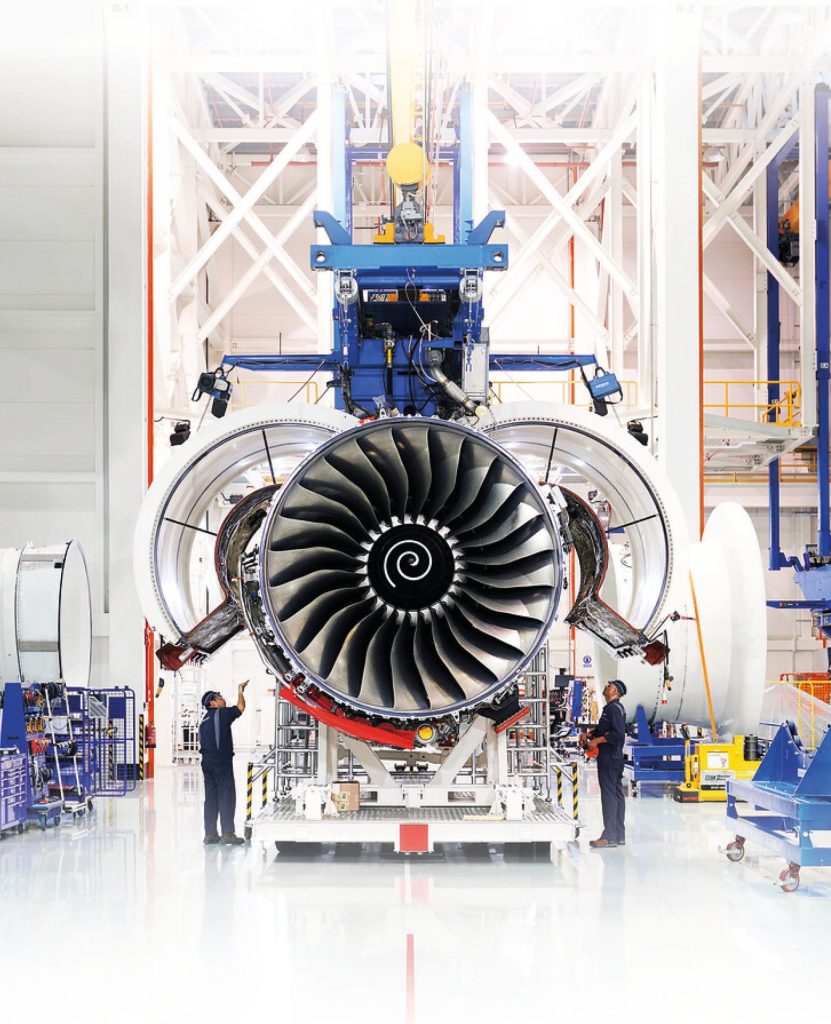
More Than £1 Billion Invested in Engine Improvement
Rolls-Royce has committed more than £1 billion to a comprehensive engine improvement programme covering the Trent 1000, Trent 7000 and Trent XWB-84. The programme focuses on improving fuel efficiency, durability and operational performance. Importantly, the resulting durability improvements are covered by standard TotalCare agreements for existing customers and engines already in service. The strategy of Rolls-Royce is based on the idea that existing engines can continue to benefit from new engineering knowledge long after they have entered commercial operation.
Time on Wing Remains a Critical Measure
One of the most important measures of engine performance is Time on Wing, which refers to the period an engine remains in service before being removed for scheduled overhaul. Longer Time on Wing can improve aircraft availability, simplify fleet planning, and reduce the need for spare engines. It can also help airlines plan maintenance more efficiently and reduce operational disruption.
For national carriers and governments, engine durability has wider implications. Reliable aircraft support route continuity, tourism, international trade, cargo transportation and national connectivity. As a result, improving durability has become one of the defining challenges of modern aerospace engineering.
Trent 1000 XE Introduces Multiple Durability Enhancements
The Trent 1000 XE for the Boeing 787 incorporates a range of improvements designed to increase durability. These include enhanced cooling systems, lighter high-pressure turbine blades that reduce centrifugal loading, advanced thermal-barrier coatings, redesigned combustor interfaces, and updated control software to manage thermal loads more consistently. Together, these technologies are expected to deliver up to three times the durability of the previous standard in certain operating environments.
The improvements are being incorporated into new engines and progressively retrofitted across the existing fleet. As of April 2026, approximately 30 percent of in-service Trent 1000 engines had received the first phase of improvements through a coordinated programme across the Rolls-Royce maintenance network. The wider fleet is continuing to move towards the XE standard as the improvement programme progresses.
Global Maintenance Network Strengthens Customer Support
Rolls-Royce is also expanding its global maintenance, repair and overhaul network through its own facilities, joint ventures, strategic partnerships and authorised maintenance centres. This interconnected network allows operational insights from engine overhauls to feed directly back into engineering and maintenance decisions.
It also helps bring technical capabilities closer to customers, transfer skills and support the development of local talent. The relationship between engineering development and maintenance is increasingly important. Each inspection provides information about how an engine performs in service, while every maintenance event can contribute to improving future products.
Engineering Knowledge Extends Beyond Civil Aerospace
The knowledge gained through Rolls-Royce’s aerospace programmes also contributes to innovation across its wider business. Advances in materials, manufacturing, digital engineering, predictive analytics and artificial intelligence can support innovation across Civil Aerospace, Defence and Power Systems. This creates a broader engineering ecosystem in which progress in one area can contribute to development in another.

The company’s long-term engineering knowledge is therefore not limited to individual engine programmes. It represents an accumulated body of experience developed through decades of research, customer interaction, operational data and problem-solving.
Future Aviation Will Demand Greater Efficiency and Durability
The demands placed on aviation will continue to evolve. Airlines will seek greater fuel efficiency, longer Time on Wing, lower operating costs and reduced environmental impact. Governments and national carriers will continue to rely on aviation to strengthen connectivity, support tourism and trade, and contribute to economic growth. At the same time, customers will increasingly expect manufacturers to provide not only advanced products but also long-term engineering support throughout the life of their fleets.
Rolls-Royce’s approach is built around continuous learning. Every flight generates new information, every customer contributes to the company’s understanding of real-world operations and every engineering challenge creates an opportunity for improvement. Over more than 120 years, the company’s progress has been measured through improvements in thrust, fuel consumption, efficiency and durability. Behind those achievements, however, lies a deeper asset: accumulated engineering knowledge. The company’s long-term approach demonstrates that aerospace innovation does not always depend on a single dramatic breakthrough. Often, it is the result of thousands of carefully measured improvements made over time.