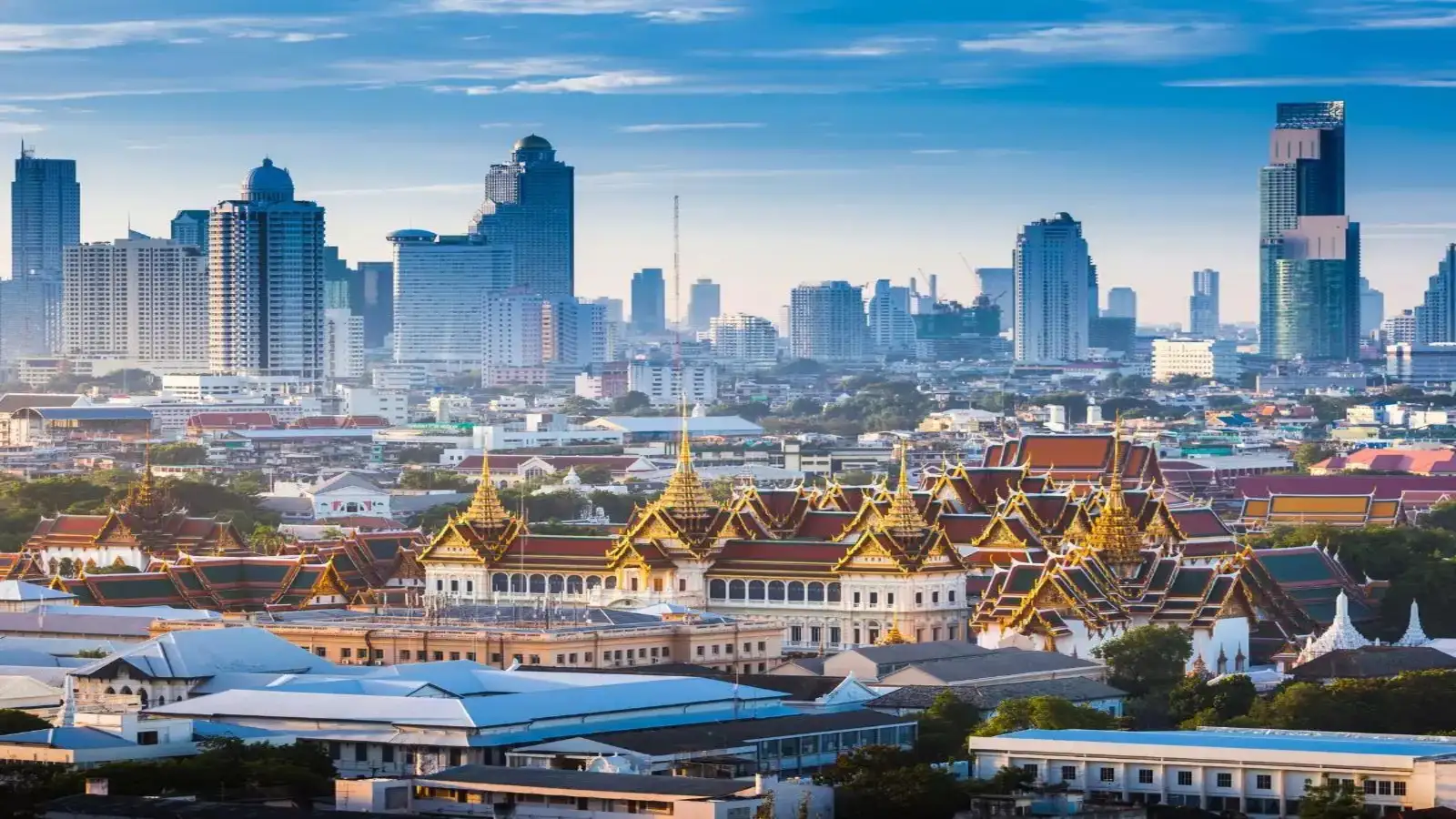
Thailand welcomed 17.36 million international tourists between January 1 and July 18, 2026, recording a 3.05% decline compared to the same period last year, according to the country’s Ministry of Tourism and Sports. Despite the decrease in visitor numbers, international tourism continued to generate significant economic value for the country, with foreign tourist arrivals contributing approximately THB 838.73 billion (US$25.8 billion) in tourism revenue during the period. The figures highlight Thailand’s continued strength as one of Southeast Asia’s leading tourism destinations, with the country remaining the fourth-richest in the region by GDP per capita after Singapore, Brunei and Malaysia.
The latest tourism performance indicates that while Thailand has experienced a decline in overall visitor numbers, spending by international tourists has remained a significant contributor to the national economy. International arrivals generated approximately THB 744 billion (US$22 billion) in revenue during the first six months of 2025, according to local media reports. The higher revenue recorded during the current reporting period reflects the continued importance of international tourism to Thailand’s economic activity, particularly across the hospitality, aviation, retail, food and beverage and transportation sectors.
China Remains Thailand’s Largest Source Market
China continued to be Thailand’s largest source of international visitors during the period, with approximately 2.86 million Chinese tourists visiting the country. China was followed by Malaysia with 2.25 million visitors, India with 1.31 million, Russia with 1.06 million and South Korea with 631,777 visitors.

Tourism and Sports Minister Surasak Phancharoenworakul said the Chinese market remained the leading source of international arrivals to Thailand this year. The strong performance of the major Asian markets reflects Thailand’s continued appeal among regional travellers, supported by relatively convenient air connectivity, established tourism infrastructure and the diversity of destinations and experiences available across the country.
Thailand remains a popular destination for travellers seeking beaches, cultural attractions, wellness experiences, shopping, food tourism and entertainment. The country’s established tourism infrastructure and extensive hotel network have also helped it maintain its position as one of the most visited destinations in Southeast Asia.

Weekly Arrivals Rise by More Than 4%
Tourism activity strengthened during the week from July 12 to July 18, when Thailand welcomed 585,189 foreign visitors. This represented an increase of 22,735 visitors, or 4.04%, compared with the previous week. The country recorded an average of approximately 83,598 international arrivals per day during the week, indicating an improvement in visitor flows despite the overall year-to-date decline.
The increase was partly supported by the summer school holiday season, which encouraged more international travel during the period. Increased flight frequencies on several international routes also contributed to the rise in arrivals. Among the routes supporting stronger connectivity was the Shenzhen–Phuket service, where the number of weekly flights increased from three to four. The additional flight frequency is expected to provide greater travel options for visitors from China and improve access to Phuket, one of Thailand’s most popular international tourism destinations.
Expanded Air Connectivity Supports Recovery
Thailand’s tourism sector has also benefited from new and expanded international air services. Flydubai recently launched a new Dubai–Bangkok service to Don Mueang International Airport, providing additional connectivity for long-haul travellers. The service is expected to expand travel options for passengers connecting through the Emirates and flydubai network, linking Thailand with a wider range of international markets.

The expansion of flight connectivity is particularly important for Thailand as the country seeks to strengthen international tourism demand and attract visitors from distant markets. Additional routes can help reduce travel barriers, increase seat capacity and create more convenient connections for tourists travelling from Europe, the Middle East and other long-haul destinations.
Meanwhile, Thai Airways launched a new Amsterdam–Suvarnabhumi route, further strengthening air connectivity between Thailand and Europe. The new service is expected to support the movement of tourists between the Netherlands and Thailand while also providing greater connectivity for travellers from surrounding European markets.

Tourism Remains a Major Economic Pillar
The latest tourism figures reaffirm the importance of the sector to Thailand’s economy. Even with international arrivals down by more than 3% compared with the same period last year, the country generated hundreds of billions of baht in tourism revenue during the first seven months of the year.
The strong revenue contribution demonstrates the broader economic impact of tourism, which extends beyond hotels and resorts. International visitors support airlines, restaurants, tour operators, transportation providers, shopping centres, entertainment businesses and local communities across the country.
Thailand has continued to develop and promote a diverse tourism offering in an effort to attract different categories of travellers. Alongside traditional beach and cultural tourism, the country has increasingly focused on wellness tourism, luxury travel, sports tourism, business events and longer-stay visitors. The country’s tourism performance is also closely linked to international air connectivity. The introduction of new routes and increased flight frequencies is expected to play an important role in supporting future visitor growth.
Thailand Seeks to Maintain Tourism Momentum
Although Thailand has recorded a decline in international arrivals compared with the same period last year, the recent weekly increase suggests that visitor demand remains resilient. The rise in arrivals during the July 12–18 period, combined with the summer holiday season and improved flight connectivity, could support stronger tourism activity in the coming weeks.
China, Malaysia, India, Russia and South Korea remain key source markets for Thailand, while the expansion of air services is expected to improve access from both regional and long-haul destinations. With 17.36 million international tourists already visiting the country and tourism revenue reaching approximately THB 838.73 billion, Thailand continues to maintain its position as one of Southeast Asia’s most important tourism economies.
The performance of the tourism sector in the remainder of the year will depend on several factors, including international travel demand, airline capacity, economic conditions in key source markets and seasonal tourism trends. However, the continued flow of visitors and strong revenue generation indicate that international tourism remains a major driver of Thailand’s economic activity.