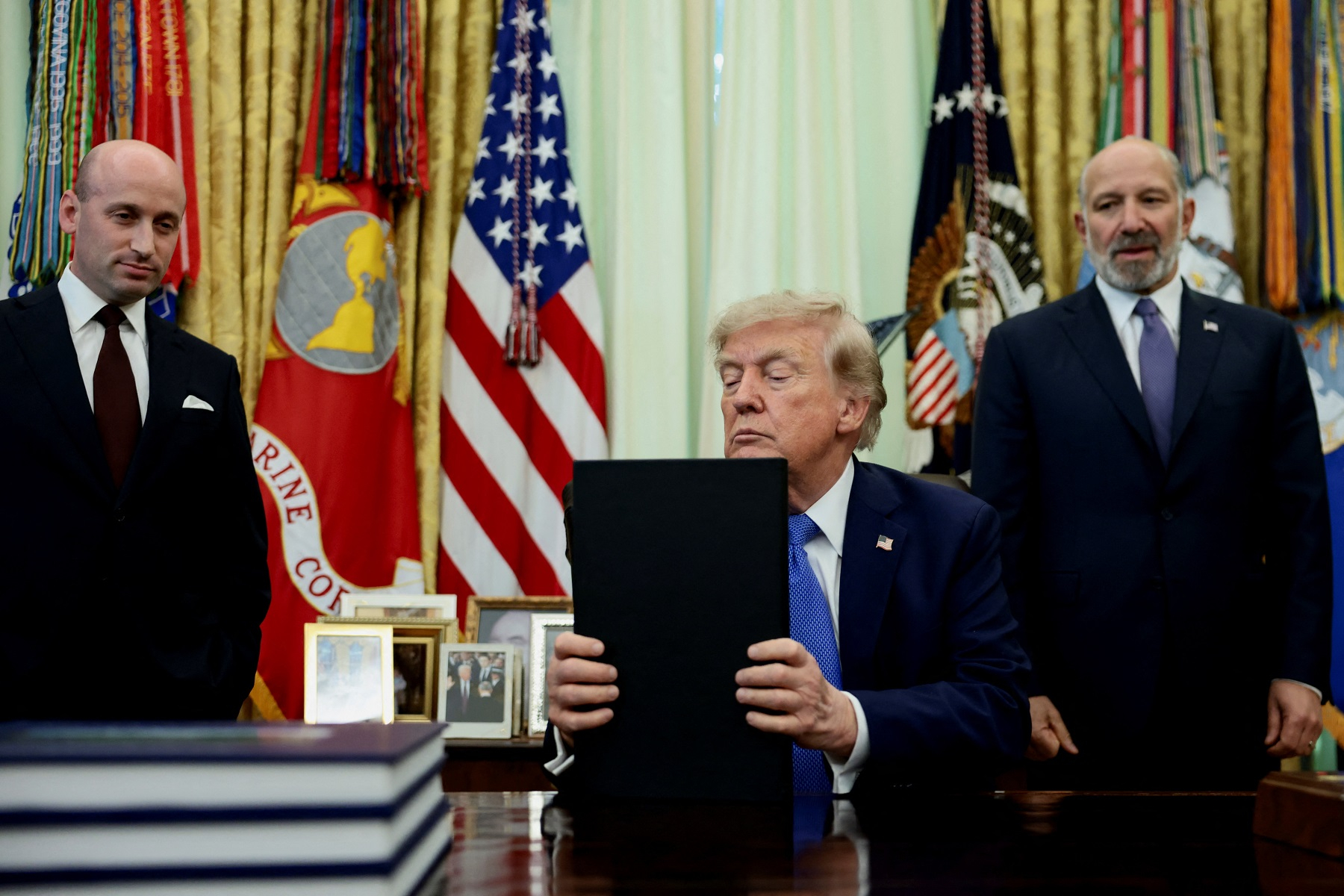
US President Donald Trump has renewed his efforts to restrict birthright citizenship, signing two new executive orders aimed at limiting automatic US citizenship for certain children born on American soil. The orders, signed at the White House on Thursday, come only weeks after the US Supreme Court rejected Trump’s earlier attempt to broadly restrict birthright citizenship. The latest move signals that the administration intends to continue challenging the long-standing interpretation of the 14th Amendment despite the previous legal setback. Speaking from the Oval Office, Trump criticized the current system of birthright citizenship, arguing that the rules have been abused and describing them as unfair.
New Move Follows Supreme Court Defeat
Trump’s latest action comes roughly five weeks after the Supreme Court struck down his earlier executive order on birthright citizenship. The original order, signed on Inauguration Day, sought to prevent children born in the United States from automatically receiving citizenship when their parents were undocumented immigrants or held temporary visas.
The Supreme Court’s late-June decision reaffirmed the broad constitutional protection associated with the 14th Amendment’s Citizenship Clause, which provides citizenship to people born or naturalized in the United States and subject to its jurisdiction. The ruling represented a significant setback for Trump’s immigration agenda. However, the president has continued to argue that the existing interpretation of birthright citizenship is too broad and has indicated that he intends to pursue alternative legal approaches.

First Order Targets ‘Birth Tourism’
One of the new executive orders focuses on birth tourism, a practice in which foreign nationals are alleged to travel to the United States primarily to give birth so that their children can obtain US citizenship. The Trump administration has directed the Secretary of State and Secretary of Homeland Security to strengthen enforcement against individuals who use tourist visas for this purpose.
Administration officials have pointed to reports of organized birth-tourism networks and alleged that wealthy foreign nationals have used such arrangements to secure US citizenship for their children. However, US immigration rules already prohibit obtaining a visitor visa when the primary purpose of the trip is to give birth in the United States for the purpose of obtaining citizenship for the child. This could limit the extent to which the new order changes existing policy in practice.
Second Order Seeks to Narrow Citizenship Eligibility
The second executive order takes a narrower approach than Trump’s original attempt to change birthright citizenship. According to White House officials, the measure focuses on specific categories of people whose children could potentially be excluded from automatic citizenship.
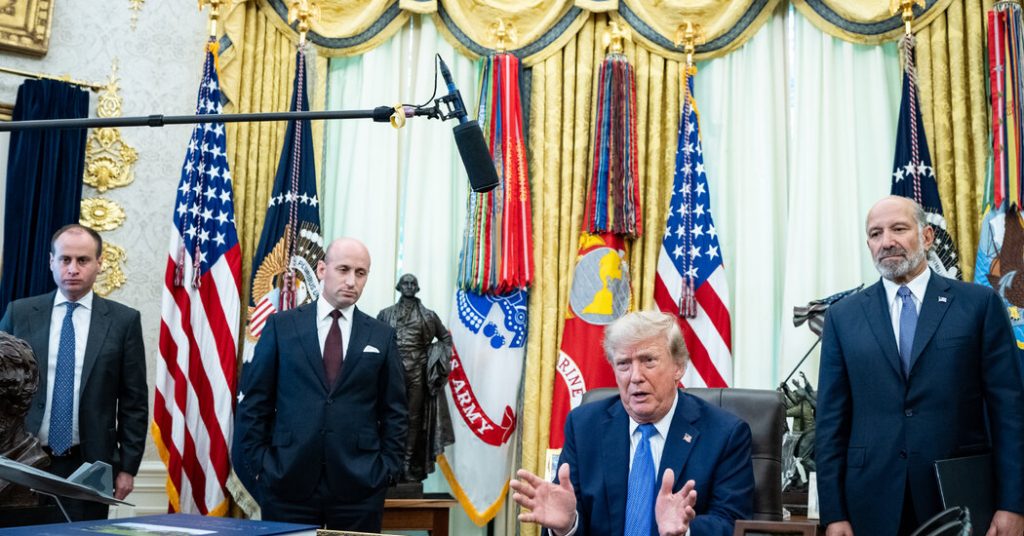
The administration has identified children of foreign enemies, members of foreign terrorist organizations, and individuals acting or lobbying on behalf of foreign governments among the categories it believes should face restrictions. White House deputy chief of staff Stephen Miller, a prominent architect of Trump’s immigration policies, has argued that the measure is intended to address what the administration considers loopholes in the current citizenship system.
Constitutional Challenge Expected
The new orders are expected to face immediate legal challenges. The central dispute revolves around the 14th Amendment, which states that people born or naturalized in the United States and subject to its jurisdiction are citizens. The amendment has historically been interpreted as guaranteeing birthright citizenship to nearly all people born in the country, with limited exceptions, including children of foreign diplomats.
Trump’s legal team previously argued for a narrower interpretation of the amendment, maintaining that its original purpose was primarily to establish citizenship rights for formerly enslaved people following the Civil War. That interpretation has faced significant opposition in the courts. The Supreme Court’s recent ruling against Trump’s broader order further complicated efforts to substantially alter the established interpretation. The administration’s latest strategy appears to rely more heavily on recognized exceptions and specific categories rather than attempting to eliminate birthright citizenship.
Part of Trump’s Broader Immigration Agenda
The new orders form part of Trump’s broader campaign to tighten immigration controls and reduce unauthorized migration into the United States. Since returning to office, the administration has pursued a range of immigration measures, including increased deportation efforts and changes to protections available to certain groups of migrants.

Birthright citizenship has remained one of the most controversial elements of Trump’s immigration agenda. Supporters of the president’s approach argue that the existing system encourages unauthorized migration and can be exploited through birth tourism. Opponents, however, argue that restricting citizenship based on the immigration status or circumstances of a child’s parents would conflict with the Constitution and established legal precedent.
Another Major Legal Battle Looms
The latest executive orders are likely to trigger another round of litigation, with courts expected to determine whether the administration has the constitutional and statutory authority to impose the proposed restrictions. The legal battle could ultimately return the issue to the Supreme Court, particularly if lower courts issue conflicting decisions.
For Trump, the latest move represents a renewed effort to reshape one of the most deeply established principles of US citizenship law. Despite his previous defeat before the nation’s highest court, the president’s decision to issue new orders demonstrates that birthright citizenship remains a central part of his immigration agenda.