Sudurpashchim Province has everything from snow-capped mountains and wildlife-rich wetlands to sacred pilgrimage sites, lakes, trekking routes and traditional communities. Yet despite its enormous tourism potential and ambitious tourism policies, the province continues to direct a large share of its tourism budget toward scattered infrastructure projects, raising questions about whether public spending is actually building a sustainable tourism economy.
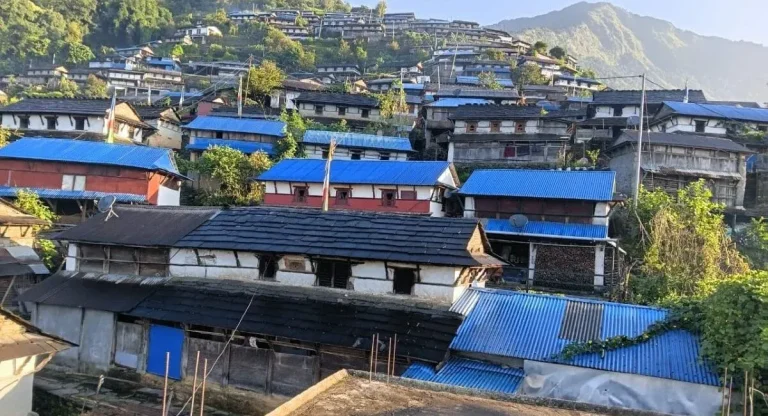
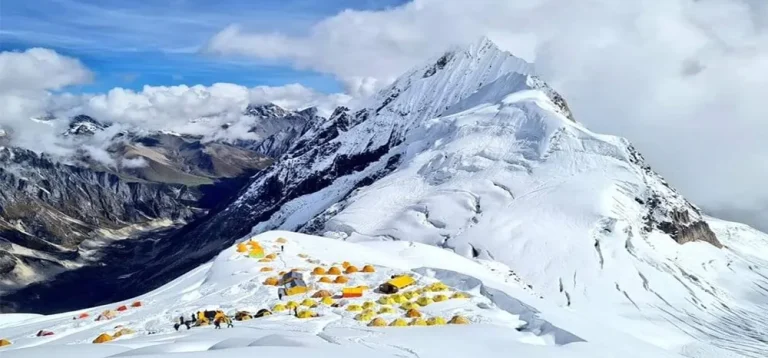
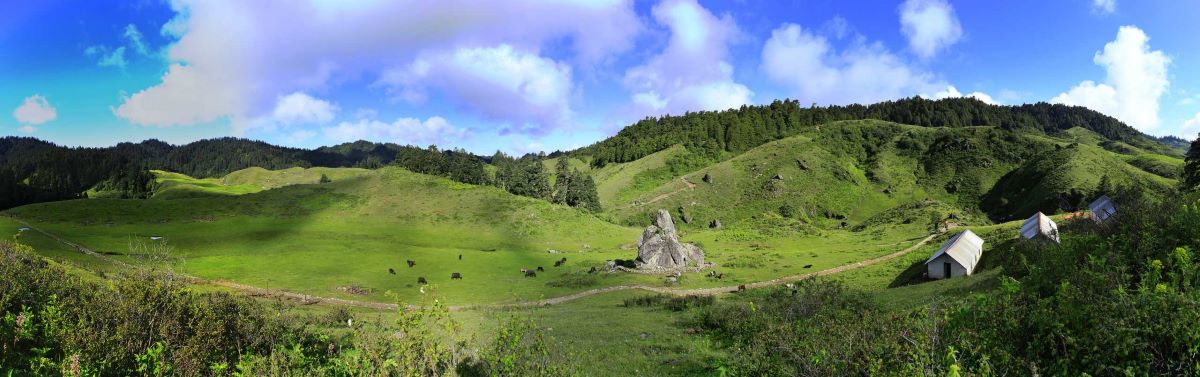
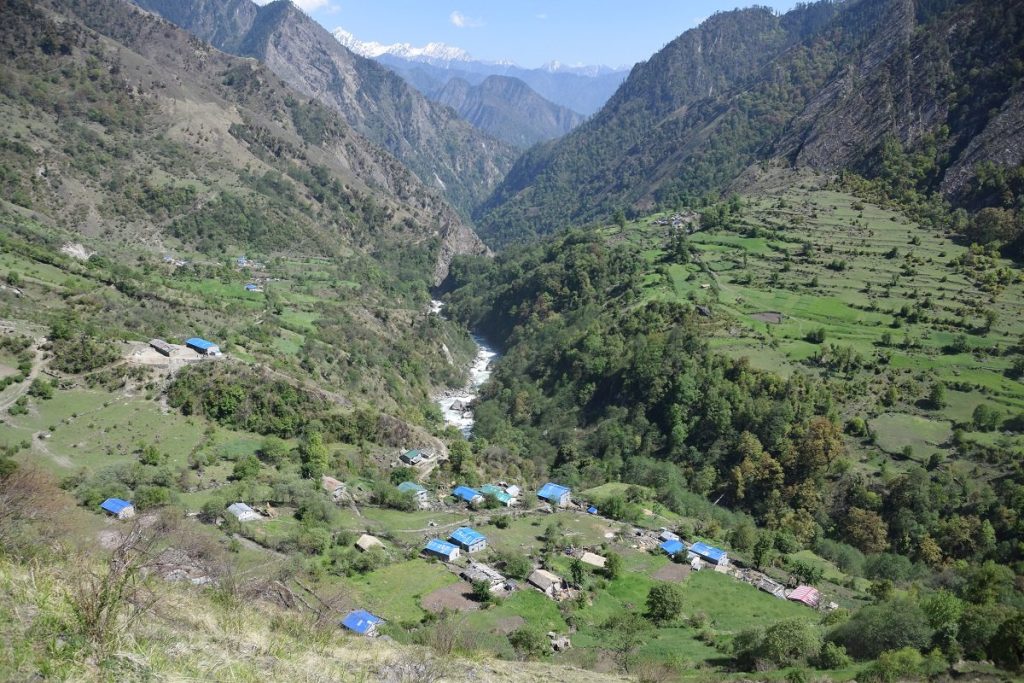
Khaptad’s rolling green meadows, the towering Api and Saipal Himalayas, the religious significance of Badimalika, the wildlife of Shuklaphanta, the lakes of Ramaroshan and Ghodaghodi, and historic sites such as Tripurasundari, Ugratara, Vaidyanath Dham, Parshuram Dham and Mallikarjun give Sudurpashchim a diverse tourism base. The Sudurpashchim Province has already adopted a Tourism Act and tourism master plan, while its annual programmes emphasize community-based tourism, homestays, destination promotion and tourist-friendly infrastructure. However, stakeholders say budget implementation has yet to reflect these priorities.

Majority of Budget Still Going to Infrastructure
According to the Ministry of Industry, Tourism, Forest and Environment, Rs 463 million was allocated for tourism-related programmes in fiscal year 2025/26. Of the 299 infrastructure projects implemented under the tourism sector, 174 were related to religious structures. These included 133 temples, six churches, two mosques, one Tharu Deuthan Maruwa, eight dharamshalas, one idol construction project and 22 religious-site fencing projects.
The government spent Rs 270.2 million on these religious infrastructure projects, representing about 60.24 percent of infrastructure expenditure. Temple construction alone accounted for Rs 186.1 million, or nearly 37 percent of the total tourism budget. Other spending included Rs 82 million for 63 trail projects, Rs 29 million for 18 tourism parks, Rs 17.3 million for nine social buildings and Rs 11.5 million for truss structures. While such infrastructure is necessary, tourism entrepreneurs and experts argue that construction alone cannot create a functioning tourism economy.
Tourism Investment Must Generate Local Income
Padam Bikram Singh, president of the Nepal Association of Tour and Travel Agents (NATTA), Sudurpashchim, says the success of tourism investment should be measured by the economic activity it generates. He says policymakers should consider how long visitors stay, what they eat, what they purchase, which local services they use, and how much income reaches local communities.
“Government investment should be planned after assessing how much it contributes to the overall development of the province. At present, budget allocation often appears to be based on individual demands rather than long-term tourism priorities,” Singh said. He called for investment decisions to be guided by the province’s tourism master plan, tourism policies and successful practices from other provinces rather than by individual project demands.
Limited Investment in Visitor Services
The Sudurpashchim Province’s spending on tourism services and community-based tourism remains relatively small. Only Rs 5.5 million was spent on homestay promotion and development, while Rs 5 million went toward tourism conservation. Natural lake conservation and fencing in tourism areas each received Rs 1.5 million.
Experts say greater attention is needed for tourist information centers, public toilets, rest areas, museums, accommodation, local transport, destination management and other services that directly influence visitor experience. A tourism destination is not created simply when a trail or building is completed. Its economic value emerges when visitors stay longer, spend locally and create income for hotels, homestays, farmers, transport operators, guides, artisans and other small businesses.
Experts Question Scattered Religious Spending
Cultural expert Padam Raj Joshi ‘Prabhat’ believes public investment in small clan deity and local religious structures should be reconsidered. “The government may consider this investment in religious tourism, but much of it does not necessarily create productive tourism activity. Clan temples and local shrines can often be developed by the communities themselves,” Joshi said.
He argues that government resources should instead be concentrated on major religious destinations capable of attracting visitors from across Nepal and neighboring India. Sudurpashchim has several important pilgrimage centers as well as internationally significant natural attractions. Better roads, accommodation, sanitation, visitor facilities and destination management at these sites, he says, could attract large numbers of visitors and generate employment across a wider area.
Temporary Employment, Limited Long-Term Impact
Ministry data show that tourism programmes implemented last year generated direct employment for 136,380 people. However, much of this employment was linked to construction activities and therefore remains temporary. NATTA’s Singh says future tourism spending should focus on permanent employment, new tourism enterprises, longer visitor stays and greater local spending.
Dabal Bahadur Bohara, chief of the Provincial Tourism Development Programme Implementation Unit, agrees that the scattering of budgets across religious structures has reduced the resources available for major destination development. He says local communities increasingly seek government funding even for small religious structures, making it difficult to concentrate resources on projects with wider tourism and economic benefits.
Master Plan Should Drive Tourism Investment
Sudurpashchim’s tourism opportunities extend well beyond religious tourism. The province has potential for Himalayan trekking, adventure tourism, wildlife tourism, water-based activities, homestays and routes connected to the Kailash Mansarovar region. The Karnali, Mahakali and Seti rivers also offer opportunities for water tourism. Dr. Jeevan Rana, vice-chairperson of the Sudurpaschim Provincial Policy and Planning Commission, says the province needs stronger coordination between its tourism master plan, policies and budget.
“The strength of Sudurpashchim lies in its natural and religious heritage. Developing these resources can protect cultural traditions while contributing to broader economic development. If programmes are implemented in Sudurpashchim Province according to the tourism master plan, many of the existing problems can be addressed,” Rana said. He noted that there is already agreement in principle to move away from scattered projects and prioritize sustainable, transformative and multi-year investments. The challenge, he said, is translating that understanding into actual budget implementation.

Government Calls for Better Project Selection
Bhoj Raj Pathak, information officer and undersecretary at the Ministry of Industry, Tourism, Forest and Environment, says investment in major destinations could also help surrounding smaller attractions develop. “Even within religious tourism, there are many options. If investment is guided by the tourism master plan, the benefits can reach a much wider area. We need to change the system through which projects are demanded, recommended and approved,” Pathak said.
From Building Structures to Building a Tourism Economy
Sudurpashchim does not lack tourism attractions. What it lacks, stakeholders say, is a consistent investment strategy that turns those attractions into functioning tourism destinations. Instead of spreading limited funds across hundreds of small projects, experts recommend prioritizing destination management, connectivity, visitor services, digital promotion, tourism branding, homestays, private investment, local product marketing and community capacity building. The Sudurpashchim Province’s tourism master plan already provides a roadmap. The bigger challenge is ensuring that annual budgets actually follow it. For Sudurpashchim to turn its mountains, lakes, wildlife and cultural heritage into sustainable economic opportunities, tourism policy and tourism budgets must finally move in the same direction.