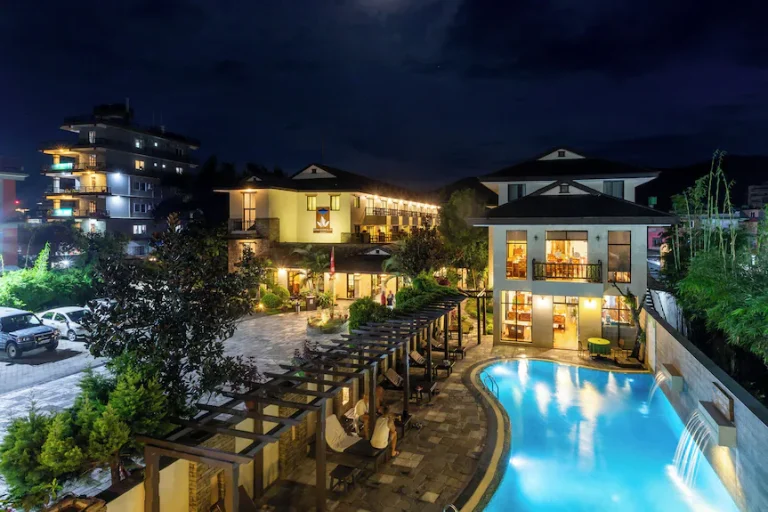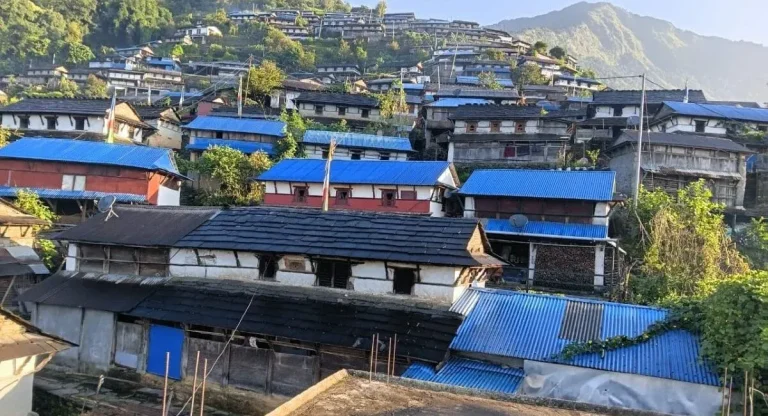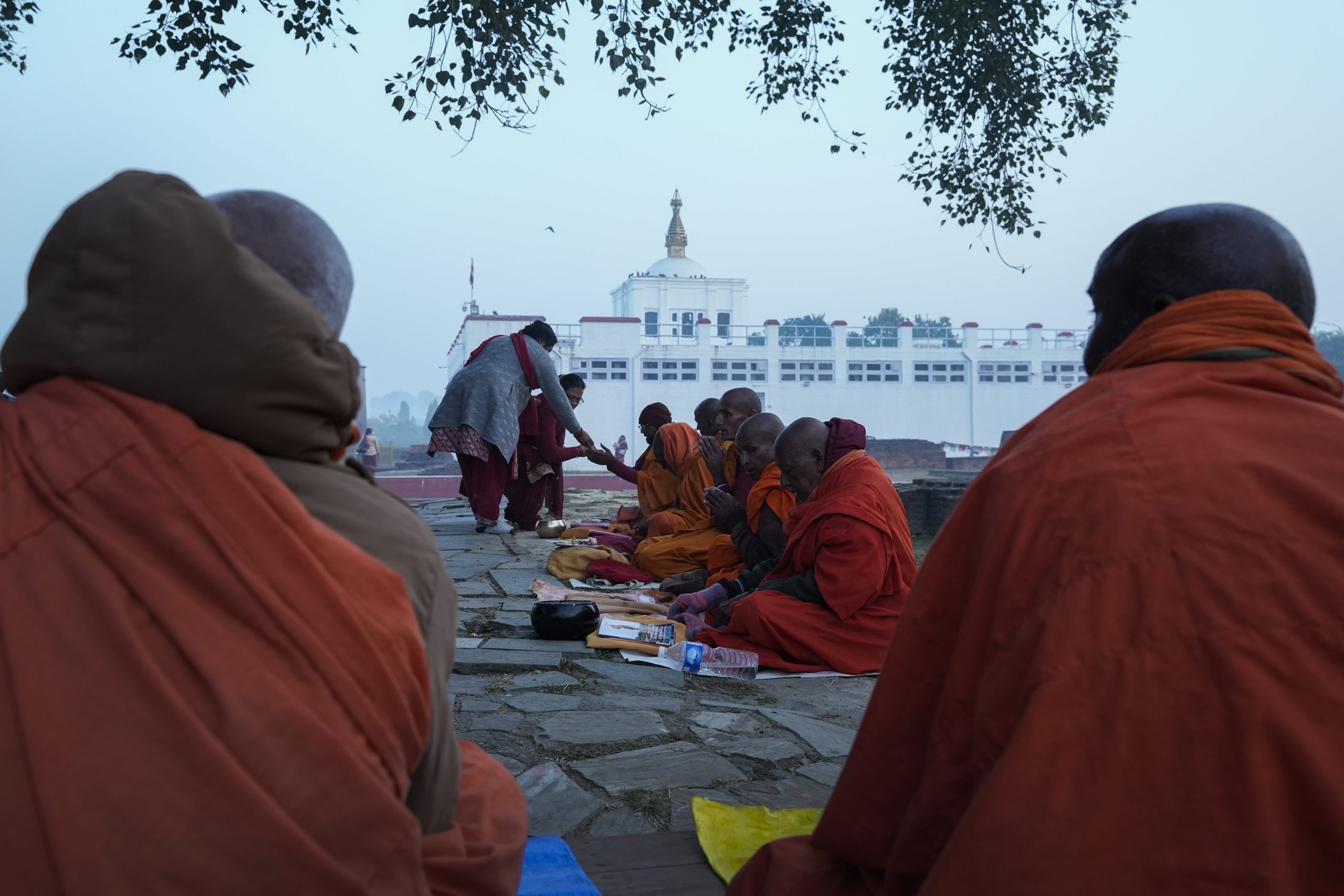
Lumbini Province has begun a new campaign to promote wellness (health) tourism alongside its already well-established religious tourism sector. The initiative aims to extend the length of stay of both domestic and international visitors who come to Lumbini, the birthplace of Lord Buddha, by giving them additional reasons to remain in the region longer than a brief pilgrimage visit. Rather than treating Lumbini purely as a religious and historical site to be visited and left quickly, organizers behind the campaign want to reposition it as a destination where travelers can combine spiritual reflection with physical rest and rejuvenation, encouraging longer, more immersive stays.
Why the Campaign Was Launched
Lumbini draws large numbers of pilgrims and tourists each year because of its religious and historical significance as the birthplace of Buddha, with visitors arriving from across Nepal as well as from Buddhist-majority and Buddhist-interested countries around the world. However, tourism stakeholders have observed that most visitors currently stay only a short time before moving on to other destinations, limiting the economic benefit the region draws from each trip.

The new wellness tourism drive is designed to change that pattern by encouraging travelers to combine their spiritual visit with rest, therapy, and rejuvenation services, thereby increasing the average duration of their stay in the province and, in turn, the amount they spend locally on accommodation, food, and services.
Private Sector Takes the Lead
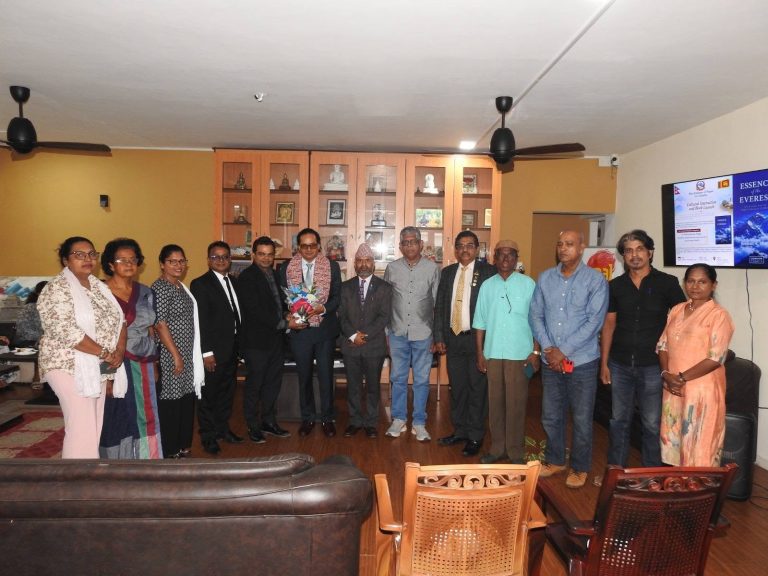
The campaign is being driven primarily by the private sector, with Tranquility Spa playing a central role in centering Lumbini as a wellness destination within the province’s broader tourism strategy. The company recently held discussions with tourism entrepreneurs in Bhairahawa to introduce the concept, explain its commercial potential, and explore how it could be integrated into the region’s existing tourism offerings.
These early conversations are seen as a first step toward building consensus among hoteliers, travel agencies, and service providers on how a coordinated wellness tourism product might be developed and marketed together, rather than left to individual businesses to pursue on their own.
What the Wellness Package Includes
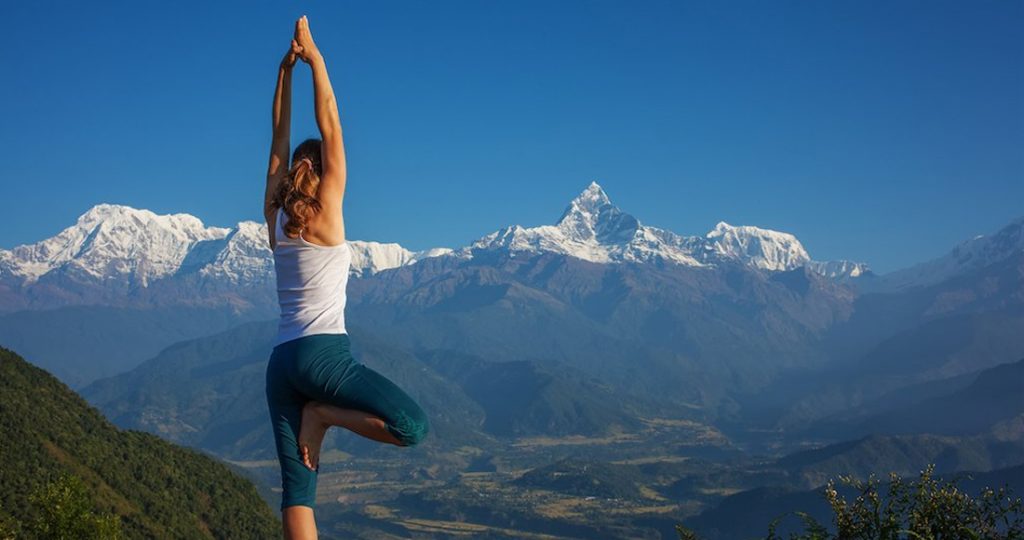
Presenting details of the proposed wellness tourism “package,” Tranquility Spa’s Regional Director for Lumbini Province, Nabin Thapa, outlined a range of services intended to attract health-conscious travelers. These include yoga sessions, meditation programs, massage therapy, hydrotherapy, steam baths, body scrubs, fitness services, and other wellness and rejuvenation offerings, together forming a broad menu of therapeutic and relaxation experiences that could be offered to visitors either as standalone services or bundled into a structured itinerary.
Thapa emphasized that these services are being positioned as a complementary experience for visitors who come to Lumbini primarily for religious or cultural reasons, giving them additional incentive to extend their trip rather than departing shortly after visiting the main pilgrimage sites. By pairing spiritual and physical well-being, the package is intended to appeal not only to religious tourists but also to a broader segment of travelers specifically seeking health and wellness experiences.
Call for Stronger Marketing
Speaking at the discussion, Chandra Prakash Shrestha, President of the Lumbini Province Hotel Association, stressed that the next crucial step is to focus on the marketing of wellness tourism. He underlined that without proper promotion and branding, even a well-designed wellness package would struggle to reach its target audience of health-conscious domestic and international travelers, and that the private sector and local hospitality industry would need to invest in visibility for the initiative to succeed. His remarks reflect a broader recognition among industry leaders that having quality services alone is not enough; Lumbini’s wellness offerings need to be actively promoted through targeted campaigns, partnerships, and outreach if they are to draw sustained visitor interest.

Integrating Wellness with Regular Tourism Packages
Chandra Thapa, a member of the Nepal Association of Travel Agents (NATA), noted that if wellness tourism can be successfully linked with regular tourism packages, it could meaningfully increase tourists’ length of stay in Nepal as a whole, not just in Lumbini Province.
He suggested that bundling spiritual, cultural, and wellness experiences together rather than offering them separately would create a more attractive, holistic product for travelers and help Nepal’s tourism sector capture greater economic benefit from each visitor. This kind of integration, he indicated, would require travel agencies and tour operators to rethink standard itineraries so that wellness activities are built directly into the pilgrimage and cultural tourism circuits rather than treated as an optional add-on.