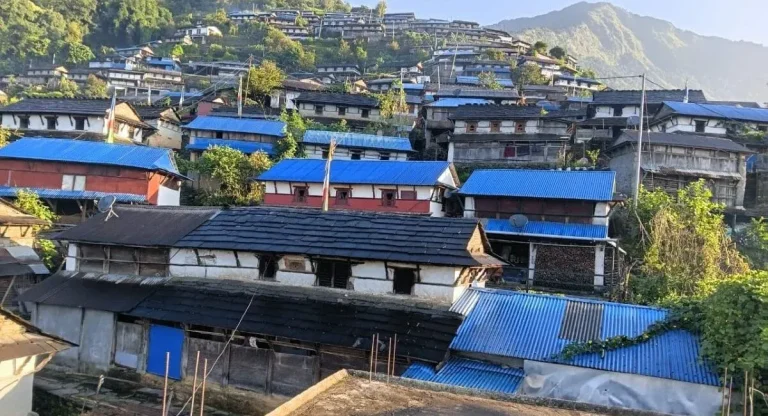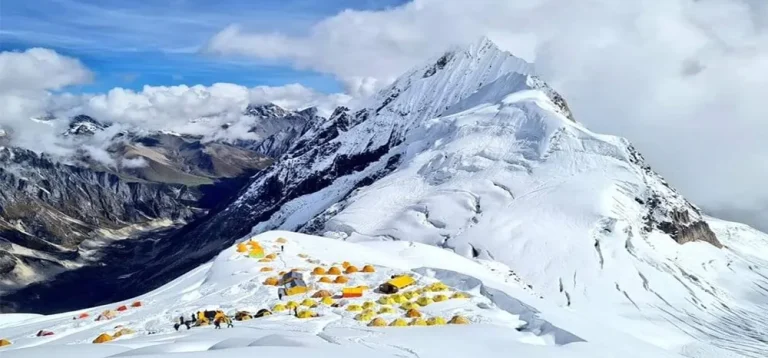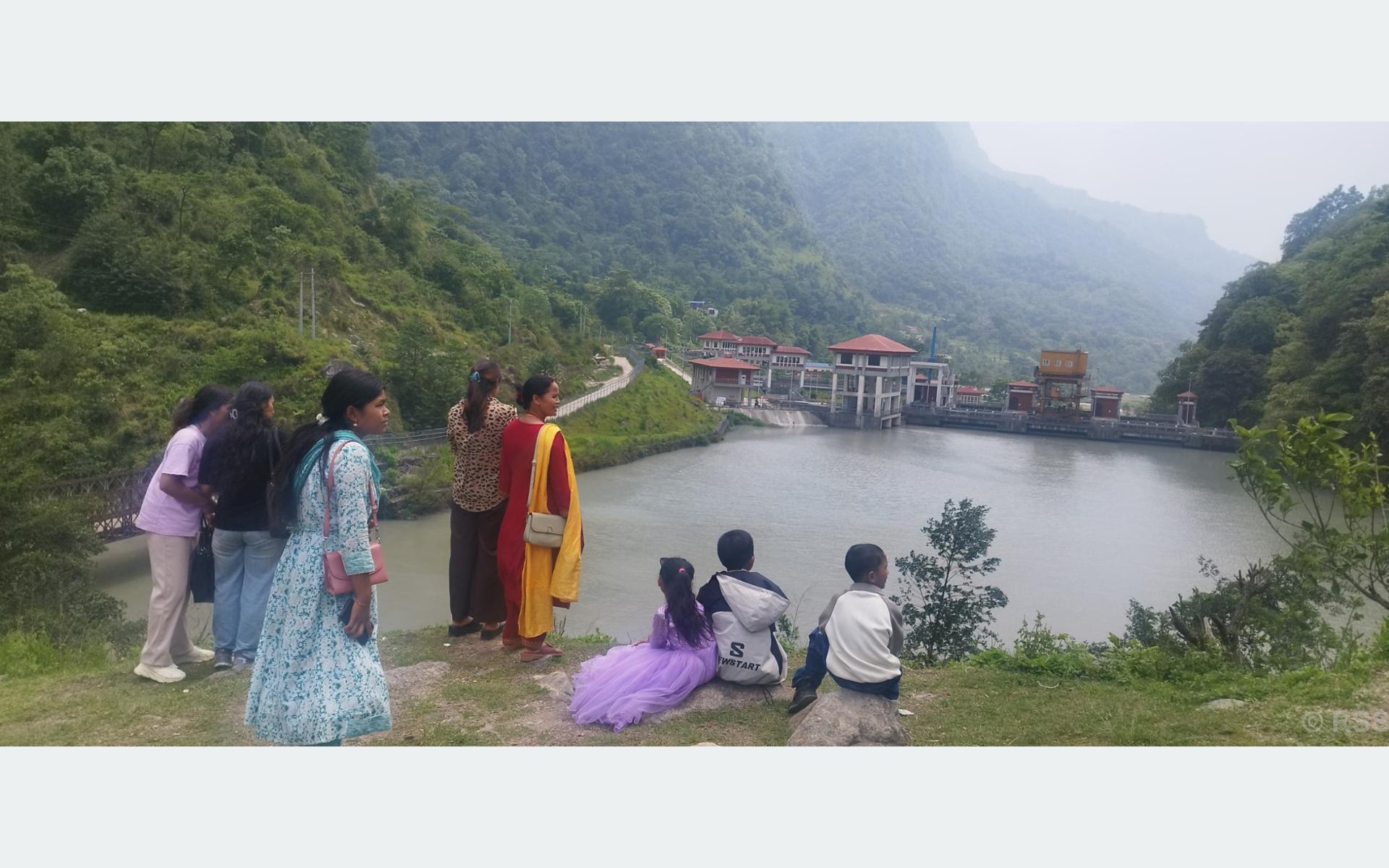
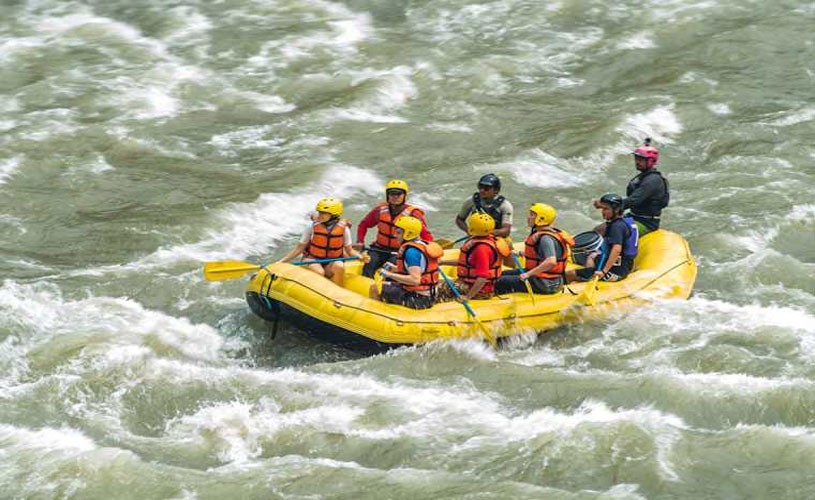
The rushing waters of the Marsyangdi River, lush green hills, panoramic Himalayan views, natural hot springs, religious landmarks, historical sites, and rich indigenous traditions are gradually putting Marsyangdi Rural Municipality of Lamjung on Nepal’s tourism map.
The municipality’s diverse combination of nature, culture and history offers significant potential for developing new tourism products and extending visitors’ stays. Destinations that were once familiar mainly to residents are increasingly attracting domestic tourists as awareness of the area’s attractions grows. Local residents and authorities now view tourism as one of Marsyangdi’s most valuable economic opportunities, although much of its potential remains to be developed.
Natural Hot Springs Attract Visitors
Natural hot springs have emerged as some of Marsyangdi’s notable attractions. A hot spring pond in Jagat, Ward No. 4, attracts visitors who come to bathe in its naturally warm waters while enjoying the surrounding landscape. Another hot spring in Bahundanda, Ward No. 6, also carries considerable tourism potential and is gradually gaining recognition among visitors.

Local communities have traditionally believed that bathing in the naturally occurring hot springs can provide relief from various ailments. This belief, combined with the area’s scenic surroundings, has helped make the springs attractive to both residents and visitors from outside the municipality. Beyond the hot springs, Marsyangdi’s hills and ridgelines provide wide views of the Himalayan range and surrounding countryside, offering opportunities for sightseeing, short hikes, and nature-based tourism.
Harsingdanda Combines History and Scenic Beauty
Harsingdanda in Ward No. 3 is another destination with strong potential because of its combination of natural beauty and historical significance. The site is locally associated with Bhakti Thapa, the celebrated Nepali national hero, who is believed to have grazed cattle there during his childhood. The historical connection gives Harsingdanda an additional dimension beyond its scenic appeal.
Residents believe the site could attract significantly more visitors if its historical importance were promoted alongside its natural landscape. Developing Harsingdanda as a destination centered on both history and nature could provide a distinctive tourism product for the municipality.
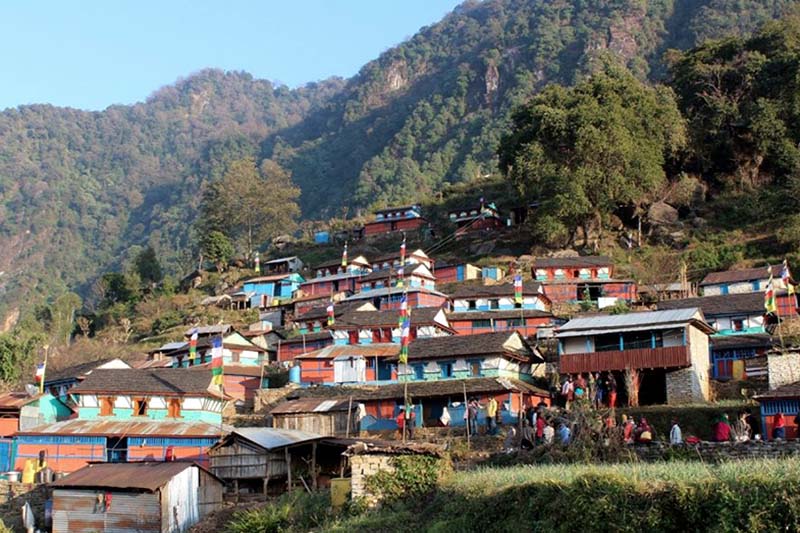
Indigenous Culture Adds to Tourism Appeal
Marsyangdi’s tourism potential extends beyond natural and historical attractions. The municipality is also home to diverse indigenous communities whose traditional festivals, dances and cultural practices remain an important part of local life. Cultural traditions such as Ghatu, Sorathi, Krishna Charitra, Balan, Jhyaure and Tamang Selo provide opportunities for developing community-based cultural tourism.
Integrating these traditions into tourism could serve a dual purpose: preserving local cultural heritage while creating additional income opportunities for communities. Cultural performances, homestays, traditional food, and local festivals could become important components of a broader tourism package.
Opportunity to Connect With the Annapurna Circuit
Marsyangdi also has a strategic advantage because several wards lie along established tourism and transportation routes leading toward Manang and the Annapurna region. During the peak trekking season, large numbers of international visitors travel through the area toward the Annapurna Circuit. However, many travelers currently pass through Marsyangdi without spending significant time or money in local communities.
Local tourism stakeholders believe this passing traffic could be converted into a greater economic opportunity by promoting hot springs, viewpoints, historical sites, religious attractions, and cultural experiences as worthwhile stops along the journey. Developing these attractions as connected tourism products could encourage travelers to stay longer and distribute tourism income among more settlements.
Local Community Sees Major Tourism Potential
Resident Purna Bahadur Gurung said Marsyangdi’s natural, historical and cultural resources should be treated as a tourism priority. He emphasized the need to identify sites with the greatest tourism potential and develop them through a combination of conservation, promotion and infrastructure.
Gurung has also been involved in promoting Harsingdanda through tourism-related business activities, with the aim of attracting visitors by highlighting its association with Bhakti Thapa. According to him, combining Harsingdanda’s historical identity with its natural surroundings could help transform the site into a destination in its own right rather than simply another location along the route to Manang.
Infrastructure Development Could Accelerate Tourism
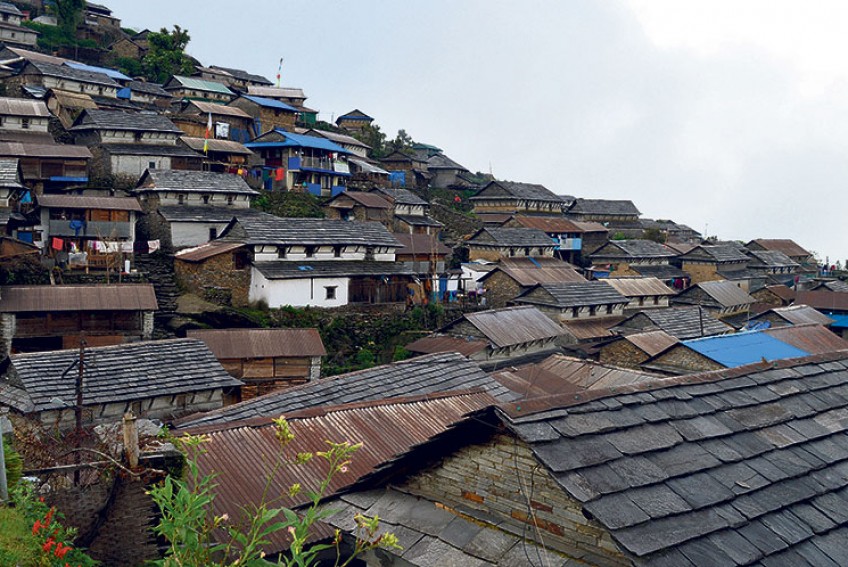
Improving road connectivity and other infrastructure is gradually making several previously difficult-to-access locations more accessible. Gurung said further development of roads, trekking trails, drinking water facilities, toilets, sanitation, information centers, signage and homestays would be important for turning individual attractions into an organized tourism circuit. Better infrastructure would not only improve visitor convenience but also encourage tourists to explore more destinations and stay longer in local communities.
Local Government Prioritizes Tourism Promotion
Marsyangdi Rural Municipality Chairperson Arjun Gurung said the municipality recognizes its religious, historical and tourism heritage as an important local asset. According to him, the local government has prioritized the conservation, promotion and publicity of tourism resources while also working to improve infrastructure and transportation access.
The municipality is focusing on programs designed to attract tourists, improve facilities at tourism sites and strengthen transportation networks so visitors can reach destinations more conveniently. “Alongside the conservation of our heritage, the rural municipality is working with priority to create an environment that attracts tourists through wide-ranging publicity, the construction of necessary infrastructure, and the expansion of transportation access,” Gurung said.

Linking Besisahar–Chame Road With Local Attractions
The Besisahar–Chame road corridor and the Annapurna trekking route provide Marsyangdi with an existing flow of travelers that could be leveraged for local tourism development. By linking these established routes with local hot springs, cultural experiences, viewpoints, religious sites and historical destinations, Marsyangdi could develop a broader tourism circuit capable of retaining visitors within the municipality for longer periods. Such an approach could also help spread tourism income beyond major trekking destinations and directly benefit local communities.
Marsyangdi Eyes Sustainable Tourism Growth
With its combination of natural landscapes, hot springs, Himalayan views, indigenous culture and historical heritage, Marsyangdi Rural Municipality has the foundations to emerge as an important tourism destination in Lamjung. However, realizing this potential will require coordinated efforts in conservation, infrastructure, accessibility, promotion and community participation.
If the municipality can effectively connect its attractions with the existing Annapurna tourism flow and the Besisahar–Chame road corridor, Marsyangdi could evolve from a transit area into a destination where visitors stop, explore, stay and spend, creating new economic opportunities for communities across the region.