Tourists visiting Chitwan can now explore the Elephant Breeding Centre at Khorsor and the Crocodile Breeding Centre at Kasara without paying an entrance fee, providing an additional incentive for visitors exploring the region’s wildlife and conservation attractions. The entrance charges previously collected from visitors were removed from July 20, following a decision by the National Trust for Nature Conservation (NTNC) to discontinue the fee collection. The move applies to both domestic and international tourists visiting the two centres.
Entrance Fees Removed for All Visitors
Previously, foreign visitors were charged NPR 100, Nepali visitors NPR 50, and students NPR 30 to enter the breeding centres. The removal of the charges is expected to make the attractions more accessible to visitors, particularly domestic tourists and students, while adding value to the overall Chitwan travel experience. The Elephant Breeding Centre and Crocodile Breeding Centre are popular stops for tourists staying in Sauraha, one of Chitwan’s major tourism hubs.

Popular Attractions for Sauraha Visitors
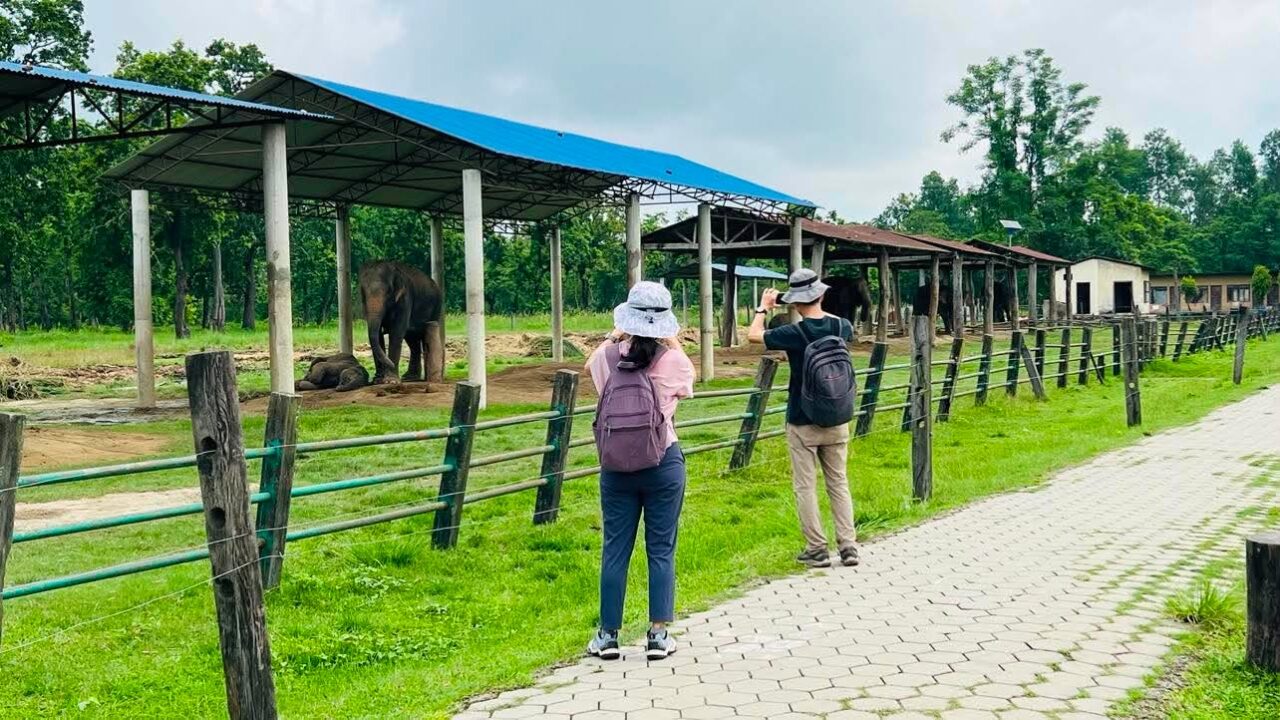
Tourists visiting Sauraha frequently include the Elephant Breeding Centre in their itineraries to learn about elephant conservation, breeding and daily care. The centre provides visitors with an opportunity to observe elephants in their naturalistic enclosures, learn about their feeding and care routines, and watch young calves interacting and playing with their mothers. The Crocodile Breeding Centre at Kasara offers another wildlife experience, allowing visitors to observe crocodiles at different stages of growth and learn about their conservation and breeding process.
Centres Previously Generated Millions in Entrance Fees
The two centres had previously generated significant revenue through entrance fees. According to the information provided by the authorities, the Elephant Breeding Centre had been collecting approximately NPR 7 million annually, while the Crocodile Breeding Centre generated around NPR 4 million in entrance fees.
The fees were collected through the National Trust for Nature Conservation. However, Chief Conservation Officer of Chitwan National Park Dil Bahadur Purja Pun said the park’s regulations did not provide a clear basis for the national park itself to collect the fees. He said continuing to collect the charges through a trust could also create administrative difficulties, prompting authorities to remove the fees for the time being.
Elephant Breeding Centre Welcomes Around 400 Visitors Daily
The Elephant Breeding Centre has become an established wildlife tourism attraction in Chitwan. According to centre chief Manpuran Chaudhary, around 400 visitors come to the facility on an average day. Established in 1987, the centre was initially developed with five elephants -four brought from India and one from Thailand. Since its establishment, 69 elephant calves have been born at the centre, making it an important institution for elephant breeding and conservation. The centre currently houses nine adult female elephants and seven calves.
Opportunity to Learn About Elephant Conservation
The centre offers tourists an opportunity to gain knowledge about elephant behavior, living conditions, feeding and care. Visitors are particularly attracted to scenes of young calves interacting with their mothers, providing an educational and engaging wildlife experience for families, students and international visitors. The facility also provides insight into the challenges and practices involved in elephant breeding and conservation.
Crocodile Breeding Supports Wildlife Conservation
The Crocodile Breeding Centre at Kasara is another important conservation facility and tourism attraction within the Chitwan area. Approximately 500 crocodiles are currently housed at the centre. The breeding programme involves collecting crocodile eggs from rivers and raising the hatchlings in a protected environment. Once they reach an appropriate stage of development, the crocodiles are released back into rivers to strengthen wild populations. This approach combines conservation efforts with opportunities for visitors to observe crocodiles and understand the species’ life cycle and protection measures.

Free Access Could Strengthen Chitwan’s Wildlife Tourism
The removal of entrance fees is expected to make the two centres more attractive to tourists visiting Chitwan, particularly those already staying in Sauraha. Chitwan is widely recognized for its wildlife-based tourism, and attractions such as the Elephant Breeding Centre and Crocodile Breeding Centre complement activities including jungle safaris, birdwatching, nature walks and visits to other conservation areas.
By allowing tourists to visit the breeding centres without an additional entrance charge, authorities have created an opportunity to improve the overall visitor experience and encourage more people to include the facilities in their Chitwan itineraries. The move also provides an opportunity to strengthen wildlife education and conservation-based tourism, allowing visitors to experience Nepal’s efforts to protect endangered and vulnerable wildlife while exploring one of the country’s major tourism destinations.