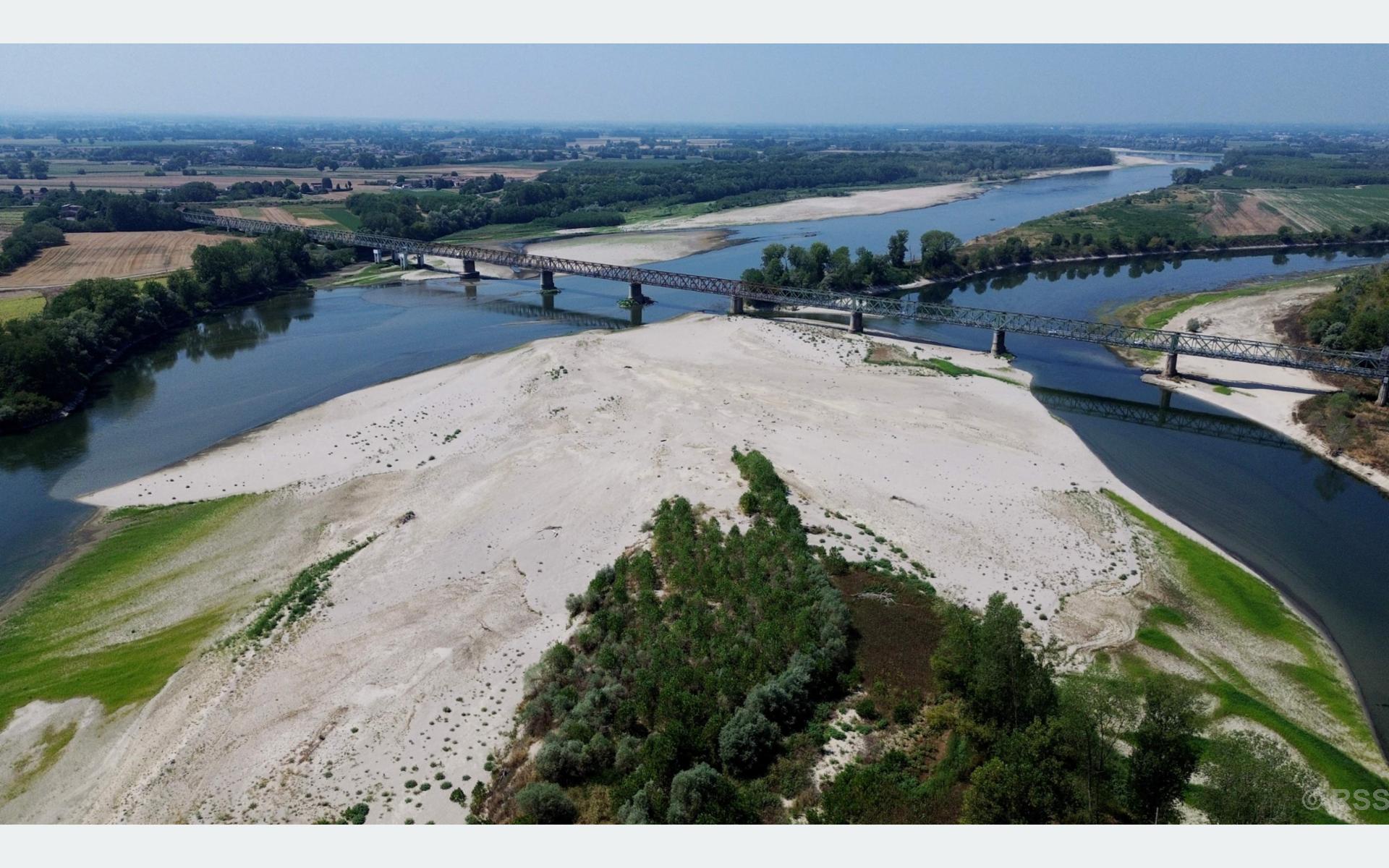
Western Europe experienced its hottest June-July period on record this year as climate change contributed to increasingly severe heat, drought and wildfires across the region, according to data released Monday by the European Union’s Copernicus Climate Change Service. The region recorded a combined average temperature of 21.62 degrees Celsius during June and July, surpassing the previous record set during the same period in 2022. The prolonged heat and unusually dry conditions have created difficult environmental conditions across several parts of Europe.
Heatwaves and Drought Spread Across Western Europe
Europe is warming faster than any other continent, and the first two months of this summer have been marked by repeated heatwaves, exceptionally high temperatures and prolonged dryness. In July, unusually dry conditions were recorded across parts of western and central Europe, including France, Spain, Austria and Hungary, as well as parts of the United Kingdom, Ireland and Iceland. The prolonged heat has also contributed to severe soil dryness.

Compared with the major drought of 2022, soil moisture levels in July were even lower in some parts of the region. Samantha Burgess of the European Centre for Medium-Range Weather Forecasts said heat and drought were reinforcing each other, describing the situation as a clear example of how climate change is intensifying extreme heat conditions.
Major Rivers Face Falling Water Levels
The prolonged heat and dry weather have also reduced water flows in some of Europe’s major rivers. The Seine, Rhine and Danube have experienced unusually low water levels, affecting water transport, irrigation and energy production. The decline in river levels could also affect tourism activities in some areas, particularly river cruises, boating and other water-based recreational activities that depend on stable river conditions.
Wildfire Risk Rises Across Europe
Hot and dry weather has significantly increased the risk of wildfires across Europe. Scientists have warned that climate change is increasing the frequency of weather conditions favorable to extreme wildfires. France and Spain have faced some of the most severe fires in recent decades this summer. Other parts of Europe have also experienced serious wildfire activity, while parts of the northwestern United States and Canada have faced major fires. The spread of wildfires poses risks not only to communities and ecosystems but also to visitors in affected destinations. Authorities may restrict access to forests, hiking areas, national parks and other outdoor attractions when fire danger becomes extreme.

Impact on Travel and Tourism
The combination of extreme heat, drought and wildfires is also creating challenges for Europe’s tourism industry during the busy summer travel season. High temperatures can make sightseeing, hiking and other outdoor activities uncomfortable or potentially dangerous, while wildfire-related restrictions can temporarily affect access to popular natural and recreational destinations. Low river levels may also disrupt river-based tourism, while extreme heat can influence travelers’ decisions about when and where to visit. Despite these challenges, Europe’s major tourism destinations continue to receive visitors, although travelers are increasingly required to monitor weather conditions and local safety warnings when visiting areas affected by extreme heat or fires.
Global Ocean Temperatures Also Reach Record Levels
The extreme heat has extended beyond land, with global ocean temperatures also reaching exceptional levels. According to Copernicus, the average global sea-surface temperature in July reached 20.96 degrees Celsius, the highest recorded for July and above the previous record set in 2023. Parts of the Mediterranean Sea and Atlantic Ocean were particularly warm. The unusually high sea temperatures are significant for coastal and marine tourism, as prolonged marine heatwaves can place pressure on marine ecosystems and coral reefs and affect activities such as diving, snorkeling and other forms of nature-based tourism.

El Niño Adds to Global Warming Pressure
Copernicus Director Carlo Buontempo said parts of the Mediterranean and Atlantic were experiencing unusually high temperatures. He also pointed to the developing El Niño phenomenon in the Pacific as one factor that could contribute to rising global ocean temperatures. El Niño is the warm phase of a natural climate cycle in which tropical Pacific Ocean temperatures temporarily increase. It can influence weather patterns around the world, contributing to drought, heavy rainfall and other extreme weather events. The additional warming from El Niño is occurring against a backdrop of long-term human-caused global warming driven largely by greenhouse gas emissions.
Greenhouse Gas Emissions Remain the Main Driver
Copernicus data show that July was among the warmest months globally, with the planet continuing to experience exceptionally high temperatures. The previous 11 years have been the warmest on record, according to Copernicus. Scientists have identified the growing concentration of greenhouse gases from human activities as the primary long-term driver of global warming.
Oceans have absorbed a large proportion of the additional heat generated by human-caused carbon emissions, helping to moderate warming on land. However, continued ocean warming can have serious consequences for marine ecosystems and the wider climate system. Warmer oceans can contribute to stronger storms and heavier rainfall while increasing the risk of marine ecosystem disruption and coral bleaching.

Climate Data Provide Warning for the Future
Copernicus collects and analyzes climate information from billions of satellite and weather observations to monitor changes in Earth’s climate system. Its datasets extend back to 1940. The latest record heat, drought and wildfire conditions underline the growing influence of climate change on Europe’s environment and economy.
For tourism destinations, the changing climate is becoming an increasingly important consideration, particularly in regions dependent on summer travel, outdoor recreation, river tourism, coastal activities and nature-based tourism. The continued rise in extreme weather events is likely to require destinations, tourism businesses and travelers to place greater emphasis on climate adaptation, visitor safety and sustainable tourism management.