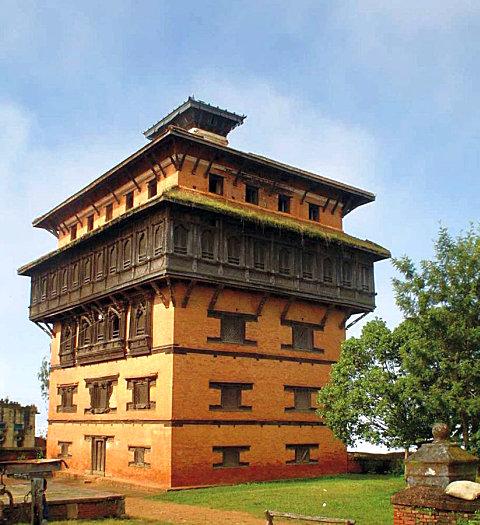
Perched above the historic town of Nuwakot, Nuwakot Palace offers travelers something far more meaningful than a conventional sightseeing stop. Known locally as Saat Tale Durbar, or the Seven Storey Palace, this remarkable complex brings together royal history, traditional architecture, religious heritage and the living culture of the surrounding communities. Standing amid the hills of Bagmati Province, the palace looks across the landscape from a location that once held enormous strategic importance on the historic route connecting the Kathmandu Valley with Tibet. UNESCO identifies the Nuwakot Palace Complex as an 18th-century heritage ensemble featuring the main palace together with temples and shrines, most prominently the Bhairab Temple.
The palace is particularly significant because of its close connection with King Prithvi Narayan Shah, the founder of modern Nepal’s unification campaign. After the conquest of Nuwakot, the king made the settlement an important base for his campaign and shifted his capital from Gorkha to Nuwakot. Today, visitors can walk through the palace area, admire its traditional Newar-influenced craftsmanship, explore the surrounding temples, and experience a historic town where architecture, religion, and community traditions remain closely connected.
Where Nuwakot Palace Stands And Why It Matters
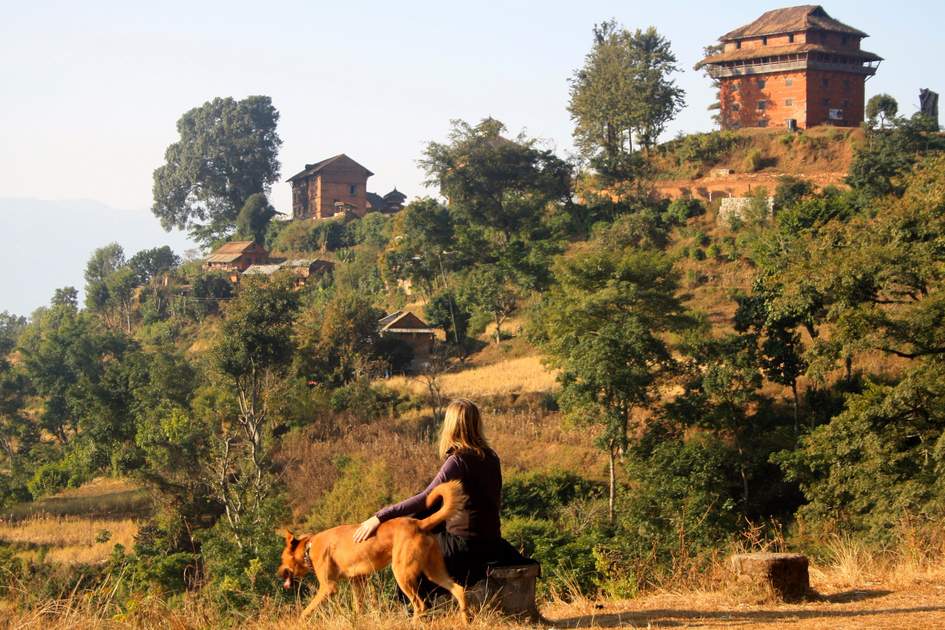
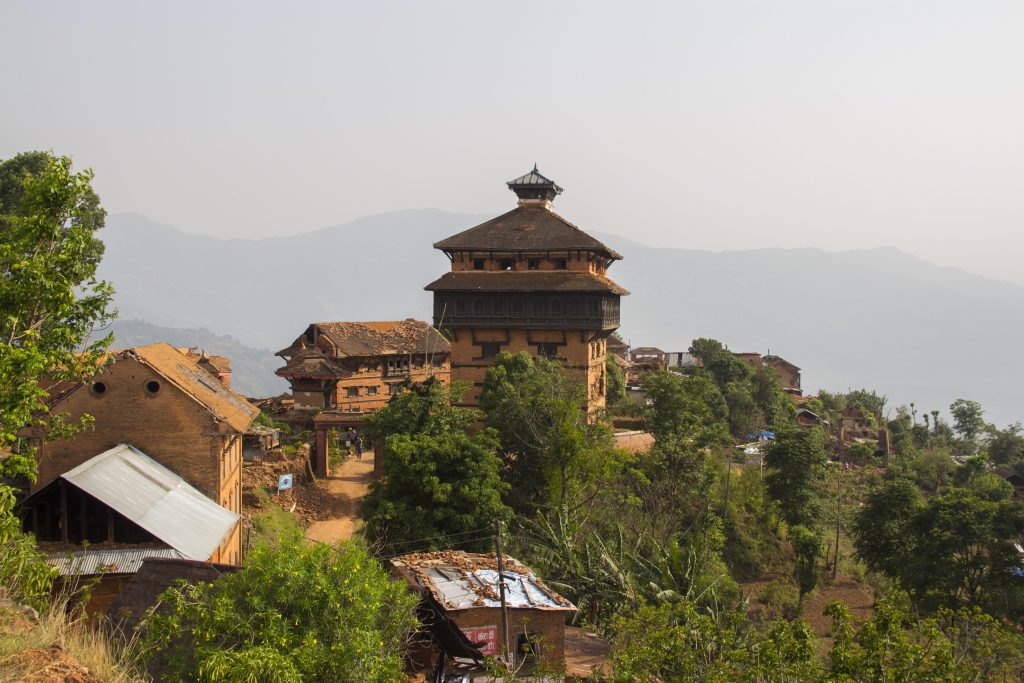
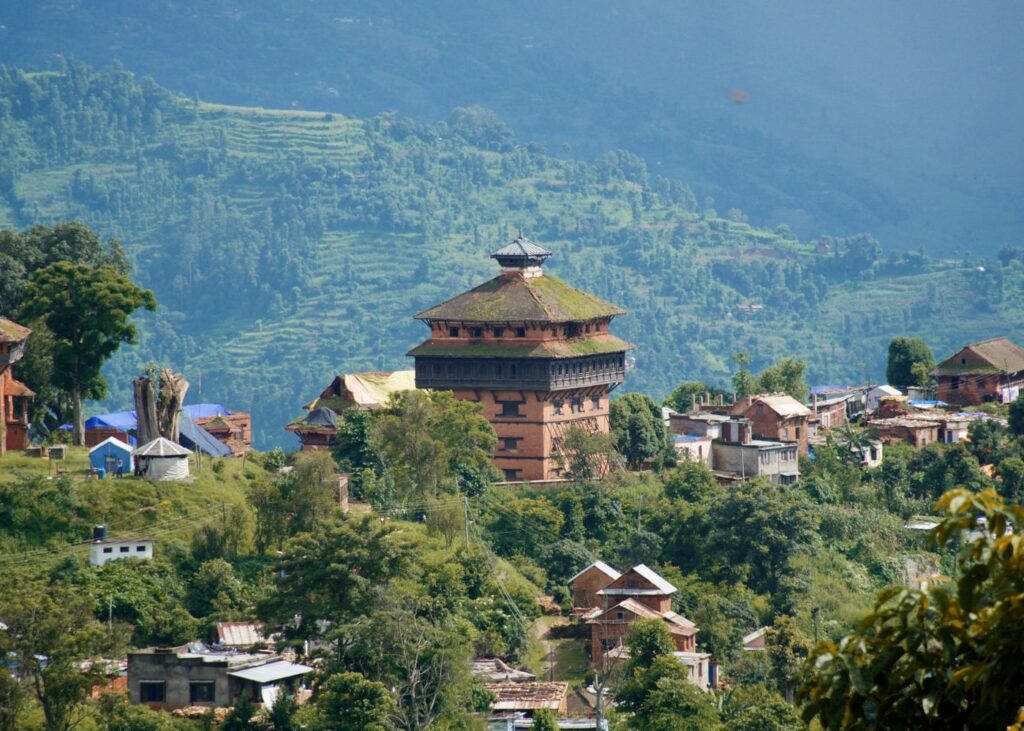
Nuwakot Palace is located in Nuwakot District of Bagmati Province, within the Bidur Municipality area. The palace complex occupies a hilltop setting and is positioned above the surrounding settlement, giving visitors a sense of the strategic character that made Nuwakot important centuries ago. UNESCO notes that the complex stands along the ancient trade route between the Kathmandu Valley and Tibet, while its architecture combines the character of a fortified palace with traditional Nepalese design.
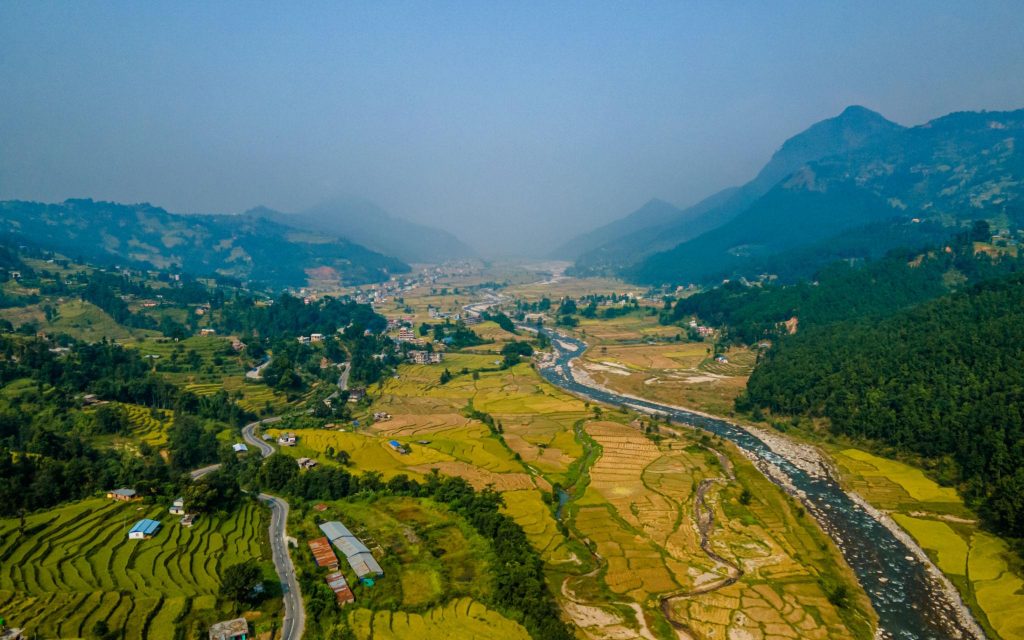
The location is equally appealing for travelers interested in combining heritage with scenery. From the palace area, the surrounding hills, cultivated landscapes and valleys create a distinctly different atmosphere from the dense urban environment of Kathmandu. The journey itself becomes part of the experience, gradually moving from the capital’s busy streets toward quieter hill settlements and eventually to a historic royal center surrounded by greenery and mountain landscapes.
Nuwakot also makes an interesting stop for travelers exploring the wider northern corridor of Nepal. The palace can be incorporated into journeys toward destinations in the Langtang and Gosainkunda region, making it particularly attractive to visitors who want to add cultural exploration to a mountain itinerary. Trekking itineraries in the region commonly use Nuwakot as an overnight or cultural stop before continuing toward northern destinations.
A Palace At The Heart Of Nepal’s Unification History
The story of Nuwakot Palace is closely tied to the political transformation of Nepal in the 18th century. Historical sources place the conquest of Nuwakot by Prithvi Narayan Shah in 1801 BS, corresponding to 1744-1745 AD, after which Nuwakot became an important base for the continuation of his unification campaign. The palace complex subsequently developed into an important royal center.
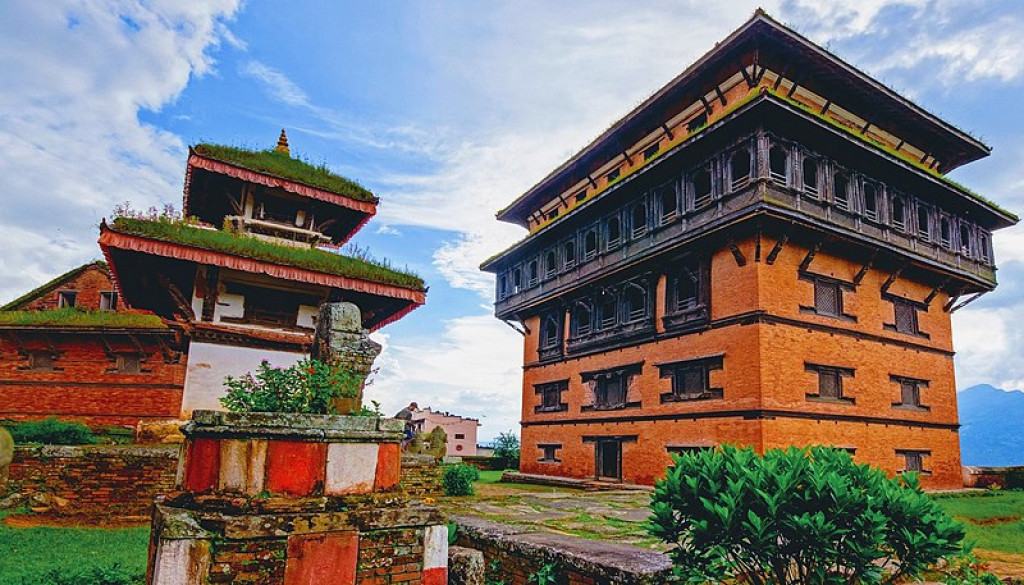
The seven-storey main palace is the feature that gives the complex its distinctive identity. Its different levels historically served different purposes, reflecting the organization of royal and military life within the palace. The complex included spaces associated with royal residence, meetings, religious practice, guards and military functions. Its thick walls, traditional windows and fortified character reveal how architecture was designed not only for beauty but also for administration, residence and strategic protection.
The palace is also an important example of the architectural relationship between Nuwakot and the Kathmandu Valley. Traditional craftsmanship associated with the valley is visible in its carved wooden windows and architectural details, while the palace’s hilltop position and fortified form give it a character of its own. The building is therefore valuable not simply as an old royal residence, but as a physical record of the political, architectural and cultural world of 18th-century Nepal.
The complex has also endured major historical events and natural changes over the centuries. Following the devastating 2015 earthquake, restoration and conservation work became an important part of the palace’s modern history. Current references describe the complex as undergoing restoration, while UNESCO records that the palace complex retains its historic form and has been subject to conservation efforts.

The Seven Storey Palace And Its Remarkable Architecture
The main palace is traditionally known as Sat Tale Durbar, meaning the Seven-Storey Palace. Its vertical design is one of its most memorable features, with each level historically associated with different activities. The lower portions were connected with courtiers and guards, while upper levels included meeting, residential, religious and military spaces. The palace also incorporated prison areas and a top-level lookout or Burja, reflecting the building’s combination of royal, administrative and defensive functions.
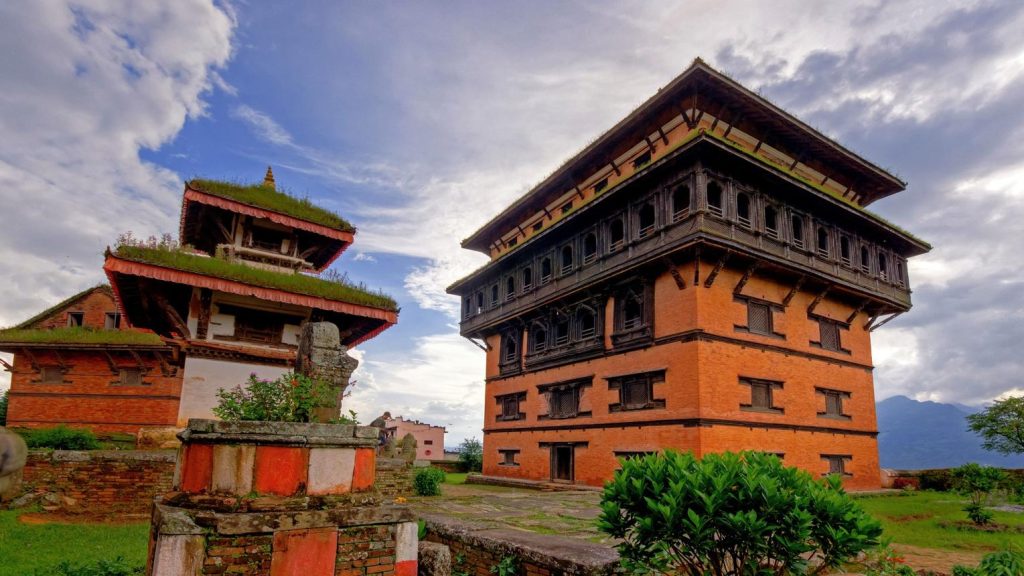
The building’s architectural details reward slow exploration. Visitors can look closely at the carved wooden windows, traditional brickwork, glazed roof tiles and thick masonry walls, all of which contribute to the character of the complex. The principal palace is approximately 84 feet by 36 feet, with its main entrance facing east and walls reported to be around six feet thick. Craftsmen from Lalitpur were involved in its construction, helping bring Kathmandu Valley craftsmanship into the royal complex.
Rather than viewing the palace simply as a monumental building, travelers can appreciate it as a collection of architectural details. Wooden carvings, traditional openings, courtyards and surrounding shrines create opportunities for photography and quiet observation. Morning and late afternoon light can be especially rewarding, when the warm tones of the historic structures contrast beautifully with the surrounding hills.
A Heritage Complex Filled With Temples And Stories
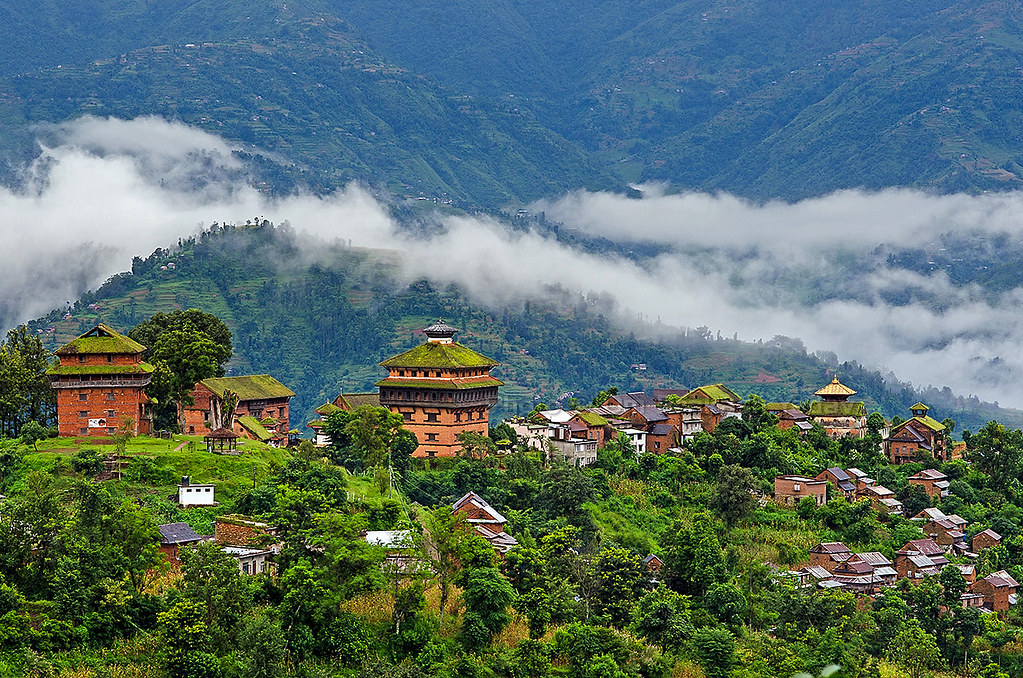
Nuwakot Palace is more than the seven-storey main building. The wider complex contains a collection of palaces, temples, shrines and historic structures, making it possible to experience several layers of Nepalese heritage within a relatively compact area. UNESCO specifically identifies the Bhairab Temple as one of the most prominent religious structures associated with the complex.
Among the important structures is Bhairavi Temple, located close to the main palace and associated with the religious traditions of Nuwakot. The temple becomes particularly significant during local festivals and religious celebrations, when the heritage area takes on an especially vibrant atmosphere.
Another important landmark is the Taleju Bhawani Temple, situated on a small hill near the palace. The temple is associated with the Taleju tradition of the Malla rulers and adds another important layer to the history of the site. Nearby, the Narayan and Bishnu Temples represent another chapter of the area’s religious heritage, with an inscription dating to 1498 associated with the temple complex.
The palace area also includes the Ranga Mahal, historically associated with entertainment and royal activities, and Garad Ghar, traditionally connected with guards and military storage. The Lampati Palace, once associated with the king of Patan, has also been used as a museum. Together, these structures transform a visit to Nuwakot from a single-palace sightseeing experience into a broader exploration of Nepal’s royal and religious heritage.
Culture, Festivals And The Living Community Of Nuwakot
One of Nuwakot Palace’s greatest strengths is that its heritage is not confined to stone, brick and timber. The surrounding community continues to preserve cultural traditions connected with temples, festivals, music, rituals and local social life. The historic town provides visitors with opportunities to observe traditional settlement patterns and the relationship between religious spaces and everyday community life.
Festivals associated with the palace area bring this cultural heritage to life. Bhairavi Jatra, along with other local celebrations, is closely connected with Nuwakot’s religious and cultural identity. Traditional processions, worship, music and community participation create an atmosphere in which the historic palace complex becomes part of a living cultural landscape rather than simply an archaeological attraction.
Visitors who spend additional time in the surrounding town can also experience traditional Newar architectural influences, local food, small markets and the rhythm of hill town life. For culturally curious travelers, one of the most rewarding experiences is simply walking slowly through the surrounding streets, observing traditional buildings and speaking respectfully with local residents about festivals and customs.
The community itself is an important part of the destination’s tourism appeal. Heritage tourism here can connect visitors with local guides, accommodation providers, restaurants, transport operators and small businesses, allowing a palace visit to become a broader cultural experience while contributing to the local tourism economy.
What To See And Do Around Nuwakot Palace
A visit can comfortably be designed around walking, photography, heritage exploration and cultural discovery. Begin with the main Seven-Storey Palace and take time to observe its architectural details rather than rushing through the complex. The historic windows, brickwork, roofline and palace layout provide excellent subjects for photography, while the elevated setting creates attractive views across the surrounding landscape.
From there, visitors can explore the nearby Bhairavi Temple, Taleju Bhawani Temple, Narayan and Bishnu Temples, Ranga Mahal and other historic structures. Walking between these sites provides a sense of how royal, religious and community spaces were arranged around the historic center.
The destination can also serve as a starting point or cultural stop for travelers interested in short hikes and longer trekking journeys. Hiking routes connecting nearby settlements and the palace area have been documented, including walks from Bidur and Battar toward Nuwakot Durbar. One recorded Battar–Nuwakot Durbar hiking route covered around six kilometers over approximately four hours.
For visitors planning a longer adventure, Nuwakot can also be incorporated into itineraries toward Tamang Heritage, Langtang and Gosainkunda. Trekking itineraries commonly include Nuwakot before continuing north toward Syabrubesi and the Langtang region.
How To Reach Nuwakot Palace From Kathmandu
By Road
For most visitors, road travel is the simplest and most practical option. Nuwakot Palace is roughly 50 kilometers by road from Kathmandu, although the exact distance and journey time vary according to the route and traffic. A private car, taxi or jeep provides the greatest flexibility, particularly for visitors who want to stop at viewpoints or explore other attractions along the way. Current route information places the drive at roughly one to three hours depending on traffic, route and starting point.
A common public-transport approach is to travel from Kathmandu toward Bidur or Trishuli and then continue locally toward the palace area. Public buses operate from Kathmandu toward Nuwakot/Bidur, while local taxis and other vehicles can be used for the final approach to the hilltop palace area.
By Air
There is no regular commercial passenger airport at Nuwakot Palace. Travelers arriving in Nepal by air normally land at Tribhuvan International Airport in Kathmandu and continue to Nuwakot by road. A private helicopter charter could theoretically provide aerial access, but it is not a normal or necessary way to visit the palace and would be substantially more expensive than road transportation.
By Hiking Or Trekking
Nuwakot Palace can also be incorporated into a day hike or cultural trekking itinerary. Routes from nearby areas such as Bidur and Battar have been used by hikers, while longer trekking programs connect Nuwakot with the Tamang Heritage and Langtang regions.
For a visitor primarily interested in the palace, however, hiking should be considered an optional experience rather than a requirement. The palace is accessible by road, making it possible to enjoy the destination without undertaking a multi-day trek.
Accommodation And Staying Overnight
Visitors can explore Nuwakot Palace as a day trip from Kathmandu, but staying overnight in the Nuwakot/Bidur area offers a more relaxed way to experience the destination. Local hotels, guesthouses, and smaller accommodation properties provide options for travelers who want to explore the palace around sunrise or sunset and spend more time discovering the surrounding town. Accommodation availability is concentrated around Bidur and nearby Nuwakot settlements.
As a general planning guide, current listings show that a standard room in the Bidur area can begin around NPR 2,500 per night, although prices vary by property, season, room type, and booking date. Homestays and locally operated accommodation can also be a rewarding choice for travelers who want a more community-centered experience.
Estimated Cost For A Nuwakot Palace Visit
Because transport and accommodation prices vary, visitors should treat the following figures as planning estimates rather than fixed official prices. A public bus from Kathmandu to Nuwakot or Bidur generally costs around NPR 300-600+ one way, while a local taxi or vehicle for the final approach may cost approximately NPR 300-1,000+, depending on the distance and whether the ride is shared. Travelers hiring a private car or taxi for a day trip from Kathmandu should budget roughly NPR 4,000-8,000+, depending on the vehicle and duration.
A basic local meal usually costs around NPR 300-700, while a comfortable hotel room in Bidur or Nuwakot may cost approximately NPR 2,500-5,000+ per night. Current online listings show rooms in the Bidur area available from roughly NPR 2,500, although prices vary according to the property, season and booking date. Visitors should also check locally for the current palace or heritage entry fee, as charges may change.
For the palace itself, it is best not to publish a fixed Nepali, SAARC or foreign visitor fee without confirmation from the local heritage authority. Nepal Tourism Board notes that heritage entry fees can vary by destination and visitor category, but its published national heritage-fee table does not provide a specific Nuwakot Palace tariff.
Permits And Entry Requirements
For a normal sightseeing visit to Nuwakot Palace, travelers do not generally need a trekking permit such as an ACAP, restricted-area permit or national-park permit. The destination is a heritage attraction rather than a restricted trekking zone.
International visitors should, however, carry their passport and valid Nepal entry documentation, while Nepali visitors should carry normal identification where appropriate. If a visitor combines Nuwakot Palace with a separate trek into the Langtang or another regulated area, the requirements for that trekking destination should be checked separately. For entry fees, the most responsible approach is to confirm the current palace/heritage charge locally before visiting, particularly because conservation and management arrangements can change.
Best Time To Visit Nuwakot Palace
Spring, from March to May, is an excellent period for combining heritage sightseeing with hill walks. The surrounding landscape becomes greener and more colorful, while the generally pleasant conditions make walking between the palace and nearby temples enjoyable.
Autumn, from September to November, is another particularly attractive season. The skies are often clearer, visibility across the surrounding hills can be impressive, and the comfortable weather is ideal for photography, walking, and combining Nuwakot with wider travel around central Nepal.
Winter, from December to February, brings cooler temperatures but can offer crisp mornings and clear mountain scenery. Travelers who enjoy quieter heritage visits may particularly appreciate this period. The monsoon months, June to August, bring lush greenery and a fresh landscape, although travelers planning hiking or extended road journeys should allow greater flexibility for changing mountain weather.
For cultural travelers, the best time may also depend on the local festival calendar, particularly if the goal is to experience Nuwakot’s traditional religious celebrations and community processions.
What To Carry And How To Experience The Palace
A visit to Nuwakot Palace is best approached as a walking heritage experience. Comfortable shoes are useful for stone pathways, steps and walking between the palace and surrounding temples. Carry drinking water, sun protection and a light layer because temperatures can change noticeably between the valley and hilltop environment.
A camera or smartphone is highly recommended for visitors interested in architecture and landscape photography. The carved windows, traditional brick structures, temple details and surrounding hills offer plenty of visual material. A small amount of cash is also useful for local food, transportation and small purchases.
Most importantly, give yourself enough time to look beyond the main palace building. The surrounding temples, streets, courtyards and views are part of what makes Nuwakot distinctive. A slower visit allows the destination’s history and living culture to emerge naturally.
A Hidden Heritage Experience Beyond The Palace Walls
One of Nuwakot’s most appealing qualities is that the palace is only the beginning. Visitors who take time to explore the surrounding area discover a destination where royal history meets local religious traditions, traditional architecture and everyday community life.
The hilltop setting is another memorable feature. Rather than encountering the palace in an enclosed urban environment, visitors experience it within a broader landscape of hills, fields and settlements. This combination of architecture and scenery creates excellent opportunities for photography and quiet observation, particularly during the softer light of early morning and late afternoon.
For travelers who have already explored Kathmandu’s better-known Durbar Squares, Nuwakot provides a different perspective on Nepal’s heritage. Its historical significance is tied directly to the formation of the modern state, while its surrounding religious and community traditions reveal cultural layers that extend well beyond the royal period.
A Heritage Journey Worth Taking
Nuwakot Palace is the kind of destination that becomes more impressive the longer it is explored. Its seven-storey royal architecture, historic temples, traditional craftsmanship, hilltop setting and connection with Prithvi Narayan Shah’s unification campaign give it a depth that cannot be captured by a quick photograph or a short stop.
Its importance is also recognized internationally: the Nuwakot Palace Complex has been on UNESCO’s Tentative List since 2008, reflecting its cultural and historical significance. Yet the real charm of Nuwakot lies in the experience of standing among its historic buildings, looking across the surrounding hills and realizing that the landscape has witnessed centuries of Nepalese history.
For travelers seeking a destination that combines royal heritage, architecture, religion, culture, scenic landscapes and walking experiences without requiring a long journey from Kathmandu, Nuwakot Palace offers an exceptionally rewarding escape. It is a place where Nepal’s past is not locked away behind museum glass it remains part of the landscape, the temples, the streets and the life of the community. Nuwakot is more than a palace to visit; it is a chapter of Nepal’s history waiting to be walked through.