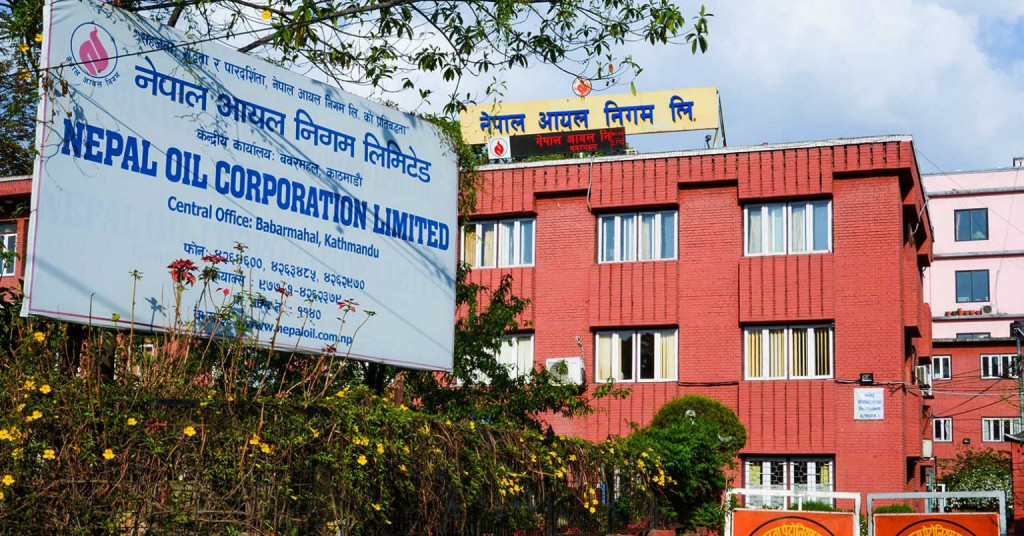
Nepal Oil Corporation (NOC) has temporarily stopped the sale of liquefied petroleum gas (LPG) for commercial use through gas depots and distributors inside the Kathmandu Valley, prioritizing household consumers amid concerns over supply pressure. The new arrangement means large hotels, restaurants, industries and other commercial establishments operating in the Valley will no longer be able to purchase LPG intended for commercial purposes from local distributors. Instead, businesses will have to arrange their supplies directly from liquefied petroleum gas industries located outside the Valley and manage transportation to Kathmandu on their own.
Household Consumers Given Priority
According to NOC officials, the measure has been introduced because household demand for cooking gas remains high in the Kathmandu Valley. Large-scale purchases by hotels, restaurants and industries from the same distribution network could place additional pressure on supplies available to ordinary consumers.

The corporation has therefore decided to separate commercial demand from the regular household distribution system. The objective is to ensure that domestic consumers can obtain LPG more easily, particularly during periods when supply becomes tight.
Hotels and Restaurants Must Arrange Their Own Supply
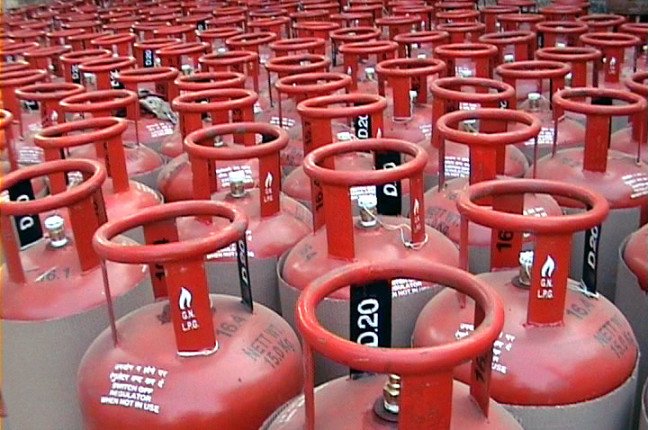
The restriction does not prevent hotels, restaurants, or industries from using LPG. Rather, commercial establishments must now purchase gas directly from liquefied petroleum gas companies outside the Kathmandu Valley and take responsibility for transporting it into the capital.
Businesses will be required to arrange their own vehicles and logistics for bringing the cylinders from outside the Valley. LPG cylinders transported from areas such as Hetauda, Chitwan and Nawalparasi will also not be permitted to be sold commercially through Valley-based distributors.

Possible Impact on Hospitality Businesses
The decision is expected to place an additional logistical burden on hotels, restaurants and other businesses that rely heavily on LPG for their daily operations. They will need to establish direct supply arrangements with LPG producers outside Kathmandu and factor transportation into their operational planning.
At the same time, NOC expects the measure to ease pressure on household supplies by preventing commercial users from drawing large quantities of LPG from the same local distribution channels used by families. For Kathmandu’s hospitality and tourism businesses, maintaining reliable alternative supply arrangements could therefore become increasingly important, particularly during periods of high demand or disruptions in the LPG market.