Buddha Air has decided to keep its airfares unchanged until road transportation returns to normal, as devastating floods in Rasuwa and the Bhotekoshi region continue to disrupt major highways and push more travelers toward domestic air services. With long-distance road connections damaged and alternative routes coming under increasing pressure, the surge in demand has placed additional strain on Nepal’s domestic aviation sector. Despite the sharp rise in passenger numbers and flight frequency, Buddha Air said it would continue carrying travelers at its existing fares, describing the decision as a contribution to the country during a period of disaster and widespread transport disruption.
Road Disruptions Push Travelers Toward Air Travel
The damage caused by the floods and landslides has significantly affected road connectivity, particularly along routes linking Kathmandu with other parts of the country. The Krishnabhir section of the Prithvi Highway has been disrupted, while the Tribhuvan Highway and Kanti Lokpath have also come under greater pressure as travelers and goods are diverted to available routes.
With long-distance road travel increasingly difficult, domestic airlines have faced a sharp increase in demand. Buddha Air, which carries more than 10,000 passengers a day, said both passenger numbers and flight frequency have risen substantially since the Bhotekoshi floods, creating a situation in which air transport has become an increasingly important alternative for people unable to travel by road.

Buddha Air Executive Chairman Birendra Bahadur Basnet said the airline would not raise fares while the country’s major highways remain inaccessible. He said the company would continue transporting passengers at its current fares despite the additional pressure on its operations.
Basnet described the situation as one in which the aviation sector effectively needs to establish an “air bridge” to compensate for disrupted road connectivity, adding that the airline’s decision was driven by the circumstances facing the country rather than commercial considerations alone. The company estimates that maintaining the current fare structure could result in losses of more than Rs 600 million during the current fiscal year.
Minimum Fares To Continue Through Dashain And Tihar
The airline has also said that its decision to maintain minimum fares will continue through the major festival period of Dashain and Tihar, when demand for domestic flights traditionally increases significantly. Domestic airlines frequently face pressure over higher fares during the festival season as large numbers of people travel from Kathmandu to different parts of the country.
Buddha Air said it would maintain its minimum fares this year despite the expected increase in demand, while also preparing to expand its flight operations to accommodate passengers affected by the ongoing road disruptions. Basnet estimated that it could take at least six months for road transportation to return to normal and said the airline would continue increasing the number of flights during that period.
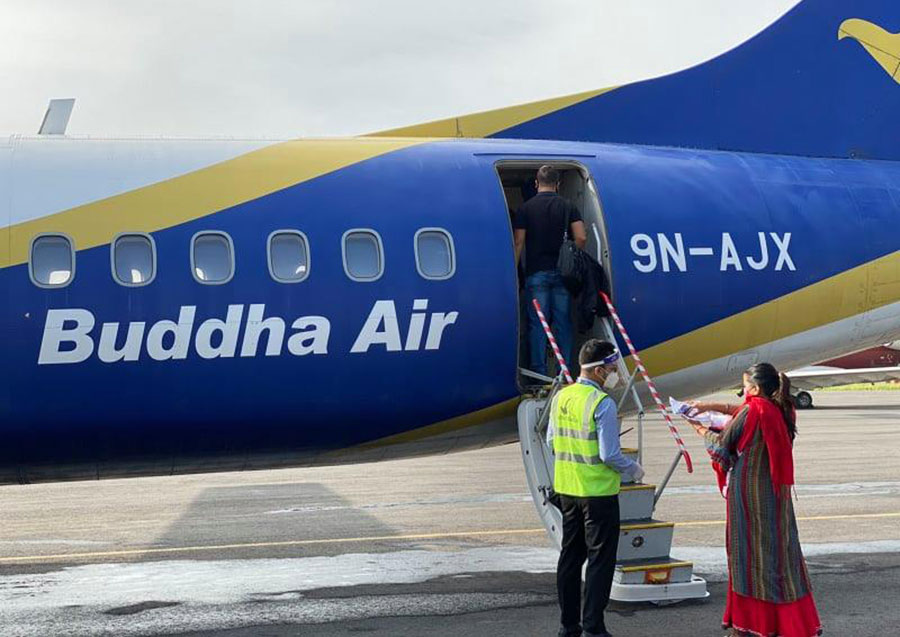
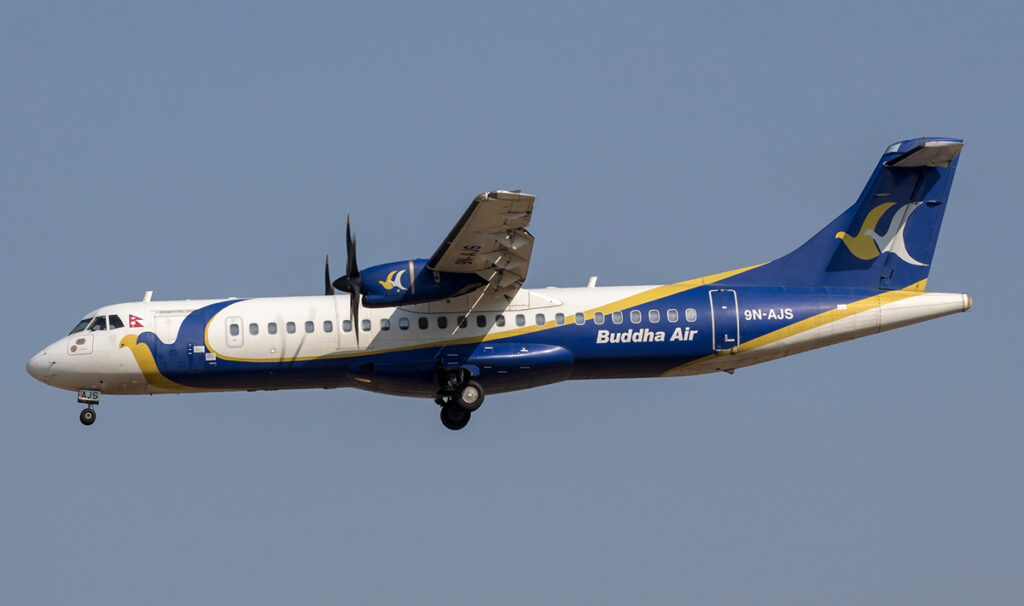
Buddha Air has already extended its operating hours following the disaster, with its final flights now operating as late as 11 pm. The airline currently operates 15 ATR 72-500 aircraft and one ATR 72-600, with each aircraft capable of carrying 72 passengers, and operates around six dozen flights a day. The extended operating schedule is intended to help accommodate the increased demand created by damaged road networks while maintaining access to air travel at a time when transportation options remain limited.

Airline Steps Up Relief Support Despite Rising Fuel Costs
Alongside maintaining fares, Buddha Air has also been providing free transportation for relief supplies destined for communities affected by the Bhotekoshi floods. The airline said it transported 6,420 kilograms of relief materials to different destinations on Wednesday alone, with supplies sent to Bhadrapur, Bharatpur, Surkhet, Dhangadhi, Biratnagar, Bhairahawa and Simara. The move comes as damaged roads continue to complicate the movement of essential goods into and out of affected areas, making alternative transportation channels increasingly important for relief and recovery efforts.
The airline’s decision to hold fares steady comes despite a substantial increase in operating costs. According to Buddha Air, aviation fuel prices rose by 96 percent between February and August 2026, increasing from $127 per litre to $249 per litre. The airline has nevertheless said it will continue maintaining minimum fares while road connections remain disrupted. On the Kathmandu-Bhairahawa route, fares increased from Rs 5,700 in February to Rs 6,500 in August, representing a 14 percent increase, highlighting the wider cost pressures facing domestic aviation even as the airline seeks to limit additional fare increases during the current disaster.
The decision by Buddha Air reflects the growing role of domestic aviation in keeping Nepal’s transport network functioning while major road links remain damaged. With travelers increasingly dependent on flights, the airline is attempting to balance higher passenger demand, extended operations and rising fuel costs with its commitment to keeping fares at their current levels. For passengers affected by the disruption, the move offers some relief at a time when road travel remains uncertain, while the airline’s expanded services and free transport of relief materials provide additional support to the broader disaster response effort.