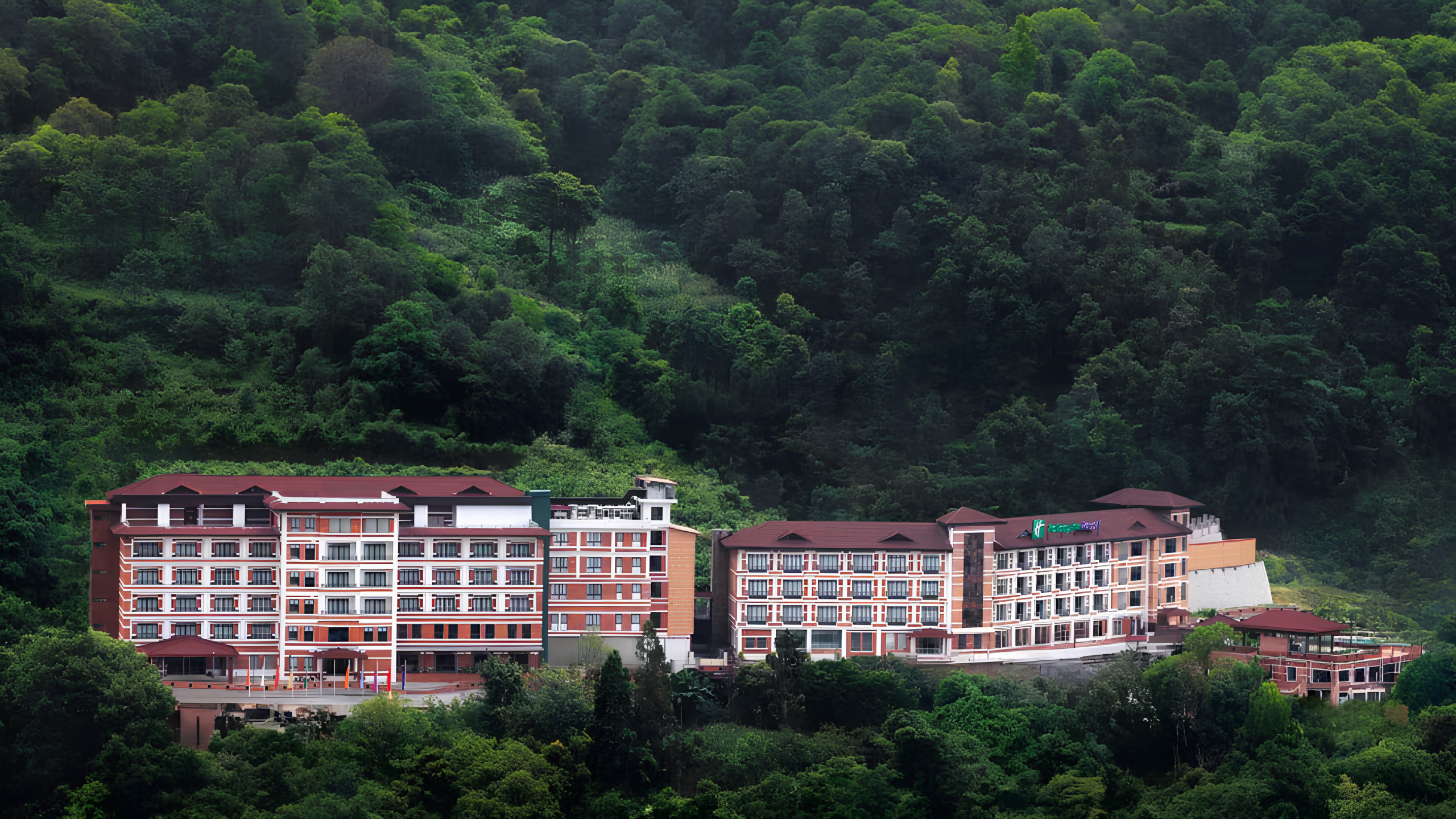
Infomerics Credit Rating Nepal Limited (Infomerics Nepal) has reaffirmed the ‘IRN BB- (Issuer)’ rating assigned to Hotel Forest Inn Limited, which operates the five-star Holiday Inn Resort Budhanilkantha in Kathmandu. The rating agency has also reaffirmed the ‘IRN BB-’ rating on the company’s long-term bank facilities of NPR 1.92 billion and ‘IRN A4’ rating on short-term bank facilities of NPR 50 million.
The total rated bank facilities stand at NPR 1.97 billion. Infomerics Nepal said the ratings are supported by the company’s experienced board and professional management, strategic location and association with global hospitality group InterContinental Hotels Group (IHG), while the rating remains constrained by weak profitability during the hotel’s early operational phase, high interest costs, industry cyclicality and intense competition.
Revenue Expands 40% in FY26 Despite Operating Loss
Hotel Forest Inn recorded a significant increase in operating income during FY26 as the property continued to ramp up its operations. According to Infomerics Nepal, the Hotel Forest Inn Limited’s total operating income increased to NPR 191 million in FY26 from NPR 136 million in FY25, representing growth of around 40%. The improvement reflects the gradual scaling of operations as the hotel moved toward its full operating capacity.
Despite the strong top-line growth, the company continued to remain in the loss-making phase because of high fixed operating costs and substantial interest expenses associated with its debt-funded investment. Hotel Forest Inn Limited reported negative EBITDA of approximately NPR 18 million in FY26, although the operating loss narrowed considerably from around NPR 39 million in FY25. However, net loss widened to approximately NPR 245 million in FY26, compared with a net loss of around NPR 172 million in FY25, reflecting the continuing burden of financing and depreciation costs during the early stage of operations.

Gearing Improves to 1.23 Times Following IPO
Hotel Forest Inn Limited’s capital structure improved during FY26 following the successful deployment of approximately NPR 400 million in IPO proceeds. Infomerics Nepal noted that the equity infusion partially deleveraged Hotel Forest Inn Limited, with the overall gearing ratio improving to 1.23 times in FY26 from 1.58 times in FY25.
Similarly, the company’s total outside liabilities to tangible net worth (TOL/TNW) ratio improved to 1.43 times from 1.77 times during the same period. While the improvement indicates a stronger capital structure, Infomerics Nepal continues to consider the company’s solvency profile as moderate, particularly given the large debt burden associated with the hotel project and its continuing negative earnings.
The company’s long-term bank facilities have also declined from NPR 2.11 billion to NPR 1.92 billion, providing some additional relief to its overall debt position. Nevertheless, the hotel will need to generate substantially stronger operating cash flows as it moves toward stabilization to support its sizeable financial obligations.
Holiday Inn Resort Brand Strengthens Market Position
One of the major strengths supporting the rating is Hotel Forest Inn’s association with the globally recognized Holiday Inn Resort brand through a hotel management agreement with InterContinental Hotels Group (IHG). The international affiliation is expected to provide the property with established operating systems, marketing support, technology and technical services, consultation and access to a broad international customer base.
Infomerics Nepal noted that IHG operated more than 7,000 hotels across over 100 countries as of August 2026, giving the Holiday Inn Resort brand significant international visibility. The association can help Hotel Forest Inn benefit from established brand recognition and global distribution channels while strengthening guest bookings and marketing reach.
For a newly operational hotel still working to establish its market position, the relationship with IHG could be particularly important in attracting international travelers and corporate customers. The global brand also provides standardized operational practices that could support service quality and customer experience as the property moves toward full stabilization.
104-Room Resort in Strategic Budhanilkantha Location
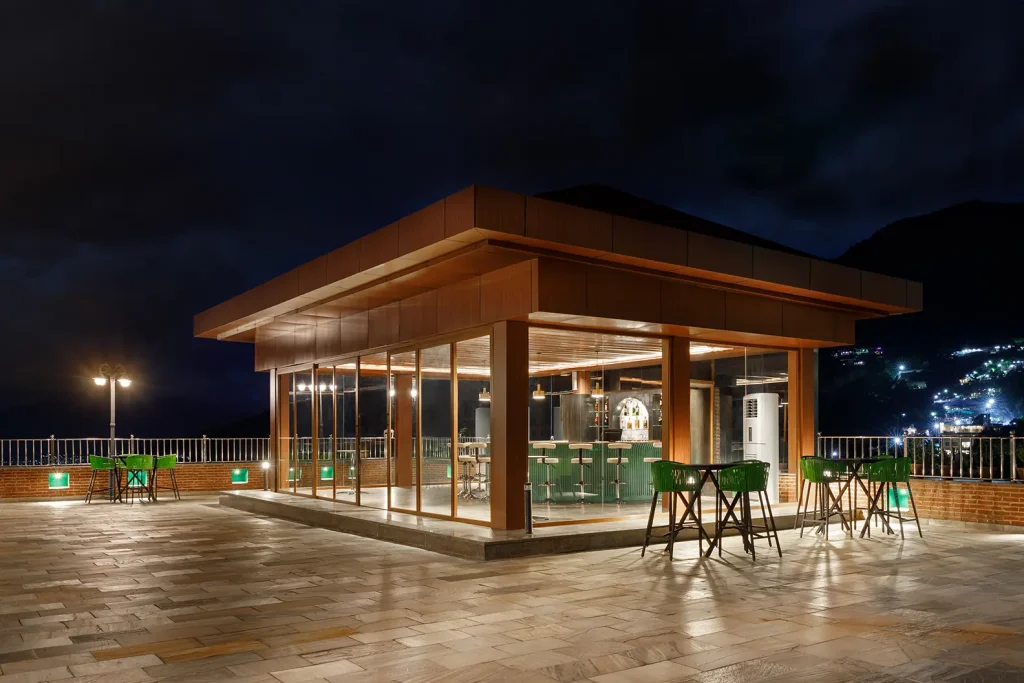
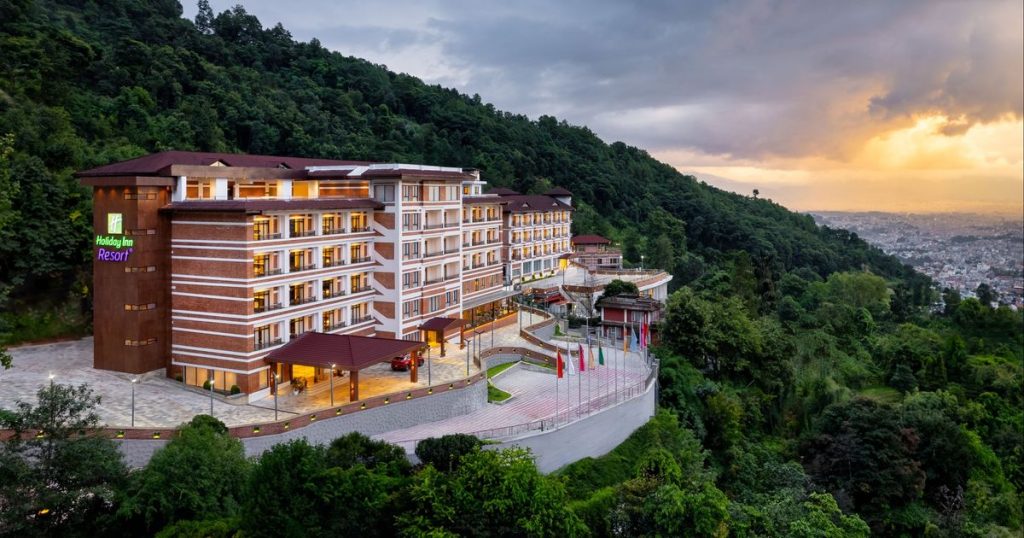
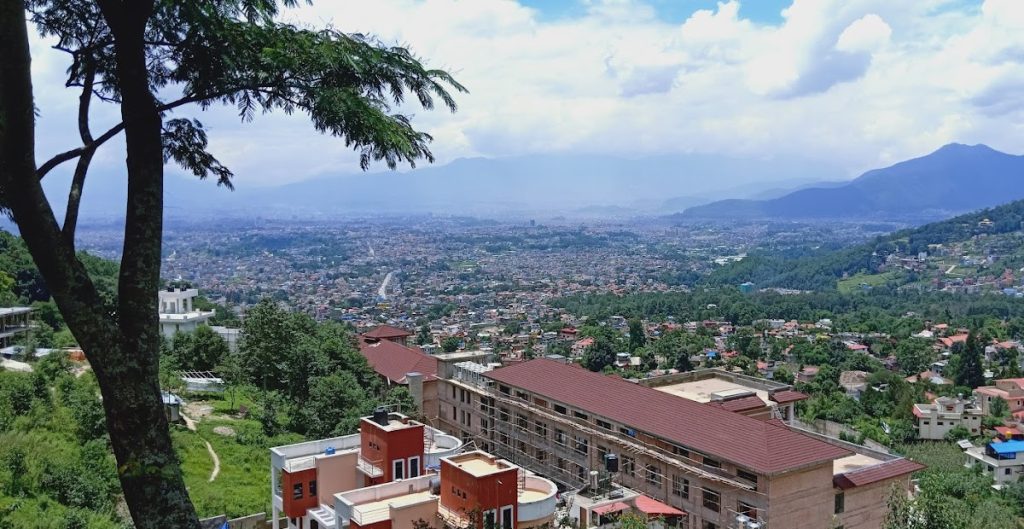
Hotel Forest Inn was established on November 22, 2010, and operates a five-star hotel under the Holiday Inn Resort Budhanilkantha brand. The property is spread across approximately 1.24 hectares of land and has a total capacity of 104 rooms. The hotel initially commenced phased commercial operations with 68 rooms in July 2024 and subsequently reached its full 104-room capacity by April 2025. The property is situated in Budhanilkantha, an area known for its natural surroundings and proximity to cultural and religious attractions.
Its location provides the hotel with potential to attract both leisure travelers and corporate customers seeking premium accommodation away from the more congested central areas of Kathmandu. Infomerics Nepal considers the location a key rating strength, particularly because Kathmandu remains Nepal’s principal tourism gateway and a major center for business, diplomatic and leisure activity. The hotel’s proximity to natural reserves and cultural landmarks could provide an additional advantage in attracting travelers seeking short retreats and leisure experiences.
Early Stabilization Phase Remains a Major Challenge
Despite the positive revenue growth, Hotel Forest Inn remains in the early stages of operational stabilization. Hotels generally have high fixed costs, and newly established properties often require several years to build a stable customer base, achieve optimal occupancy and reach sustainable profitability.
Infomerics Nepal has therefore highlighted the company’s ability to increase occupancy, strengthen its brand equity, manage operating costs and achieve operational break-even as key factors for its future financial performance. The company will need to convert its growing revenue into positive operating cash flows while maintaining competitive average room rates.
The challenge is particularly significant because the property is carrying substantial debt while still reporting negative EBITDA. A sustained improvement in occupancy and room rates will therefore be essential to generate sufficient cash flows to meet interest obligations and improve the company’s overall financial profile.
High Interest Costs Continue to Weigh on Profitability
Although the company’s gearing has improved following the IPO, high financing costs remain a major concern. The hotel was developed through significant debt-funded capital expenditure, resulting in substantial interest obligations. The company’s negative EBITDA means that operating earnings are currently insufficient to cover these financing costs.
Infomerics Nepal has identified the company’s ability to manage high interest costs as one of the key rating sensitivities. Any sustained increase in borrowing costs could further pressure profitability and liquidity, while a faster-than-expected improvement in operating earnings could gradually strengthen its debt-service capacity. The company will therefore need to balance its debt obligations with its operational expansion and revenue growth as it moves toward a more stable phase of operations.
Hospitality Sector Faces Cyclicality and Intense Competition
The rating also remains constrained by the inherent cyclicality and competitive nature of Nepal’s hospitality industry. Kathmandu has witnessed significant growth in hotel capacity, with numerous domestic and international brands competing for the same pool of travelers.
The growing number of organized and unorganized hospitality businesses can lead to aggressive pricing, potentially placing pressure on average room rates even when tourist arrivals increase. Hotels are also exposed to seasonal fluctuations and changes in domestic and international economic conditions. Any slowdown in tourism, reduced corporate travel or deterioration in consumer spending could negatively affect occupancy and revenue.
For Hotel Forest Inn, which is still establishing its market position, maintaining occupancy while protecting room rates will be critical. The Holiday Inn Resort affiliation may provide an advantage, but the company will still need to compete effectively on service quality, pricing, guest experience and marketing.
Experienced Board Supports Corporate Governance
Hotel Forest Inn is governed by a five-member Board of Directors led by Binita Thapa, who holds approximately 17% of the company’s shares as of mid-July 2026. Thapa brings more than two decades of professional and business experience and holds leadership roles across different industries.
The board is supported by a professional management team with experience in the hospitality sector. Infomerics Nepal has considered the experience of the company’s directors and management as a positive factor in assessing the company’s ability to navigate the operational challenges associated with a newly established five-star hotel. The management’s focus will now be on translating the hotel’s international brand affiliation and strategic location into higher occupancy, stronger revenues and improved operating margins.
Government Tourism Policies Provide Industry Support
The broader policy environment remains supportive of Nepal’s tourism and hospitality industry. The Government of Nepal has identified tourism as an important contributor to economic growth, foreign exchange earnings and employment generation and has introduced various measures to encourage private-sector investment.
Infomerics Nepal noted that tourism-related businesses benefit from policy support, including tax incentives and concessions, while Nepal Rastra Bank has historically classified tourism as a productive sector and encouraged credit flow toward the industry. Continued government promotion of Nepal as a tourism destination is expected to support demand for hotels over the medium and long term. The improving trend in tourist arrivals could further benefit Kathmandu-based hotels, particularly properties associated with internationally recognized hospitality brands.

Rs. 1.97 Billion Facilities Retain Existing Ratings
Following its assessment, Infomerics Nepal has reaffirmed the IRN BB- issuer rating for Hotel Forest Inn Limited. The agency has also maintained the IRN BB- rating on NPR 1,920.52 million of long-term bank facilities and IRN A4 rating on NPR 50 million of short-term bank facilities. The total rated exposure stands at NPR 1,970.52 million. An IRN BB- issuer rating indicates a moderate risk of default regarding timely servicing of financial obligations.
The reaffirmation reflects the balance between the company’s operational strengths and financial weaknesses. Its experienced management, strategic location, international hotel-brand association and supportive industry outlook provide a foundation for future growth, while its continuing losses, high interest burden, early-stage operations and competitive market remain significant credit concerns.
Occupancy and Break-Even Will Determine Future Rating
Going forward, the company’s ability to scale up occupancy, improve average room rates, achieve operational break-even and control financing costs will be critical to its credit profile. The 40% increase in operating income during FY26 indicates that the hotel is moving toward greater operational scale, while the narrowing of EBITDA losses provides an early indication of improving operating performance. However, the sharp net loss and continued negative EBITDA demonstrate that the hotel has yet to reach sustainable profitability.
A sustained improvement in operating margins, accompanied by further deleveraging and stronger debt-service coverage, could strengthen its credit profile over time. Conversely, prolonged operating losses, weaker-than-expected occupancy, aggressive competition or higher financing costs could place additional pressure on liquidity and solvency. For now, the IRN BB- rating reflects a company with a promising strategic position and strong international brand backing, but one that still has to demonstrate its ability to convert rising revenues into sustainable profits and adequate cash flows.