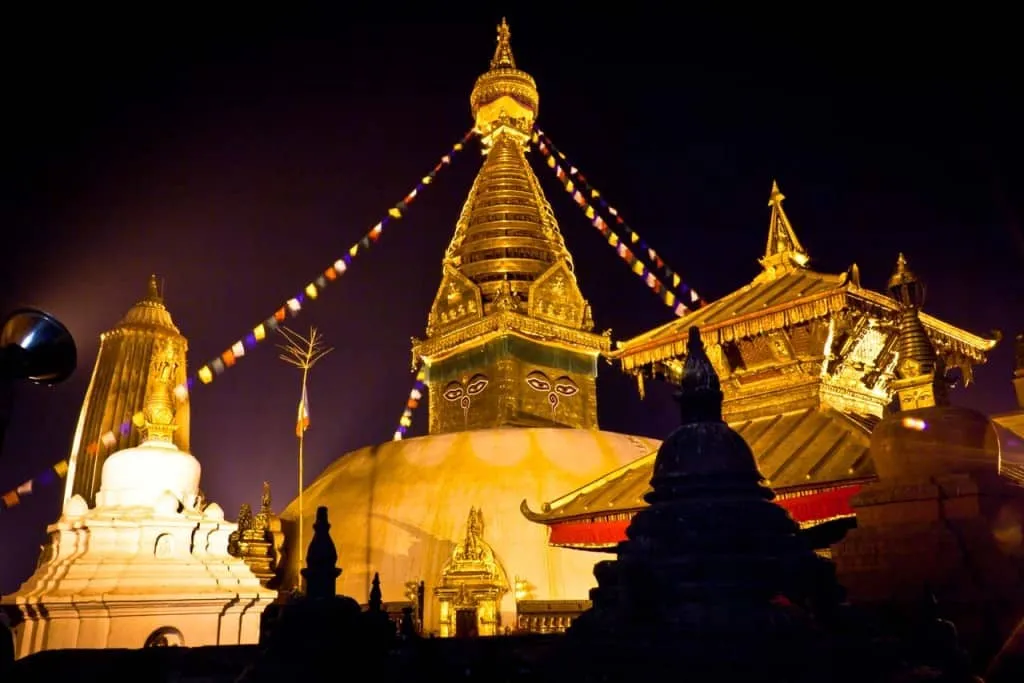
Swayambhunath came alive with religious activity throughout the month-long Gunla Festival, with nearly 200,000 devotees visiting the UNESCO-listed Buddhist heritage site during the celebration. The annual fair was organized by the Swayambhu Management and Conservation General Committee and began on Shrawan 28. It officially concluded on Saturday night following traditional religious rituals.
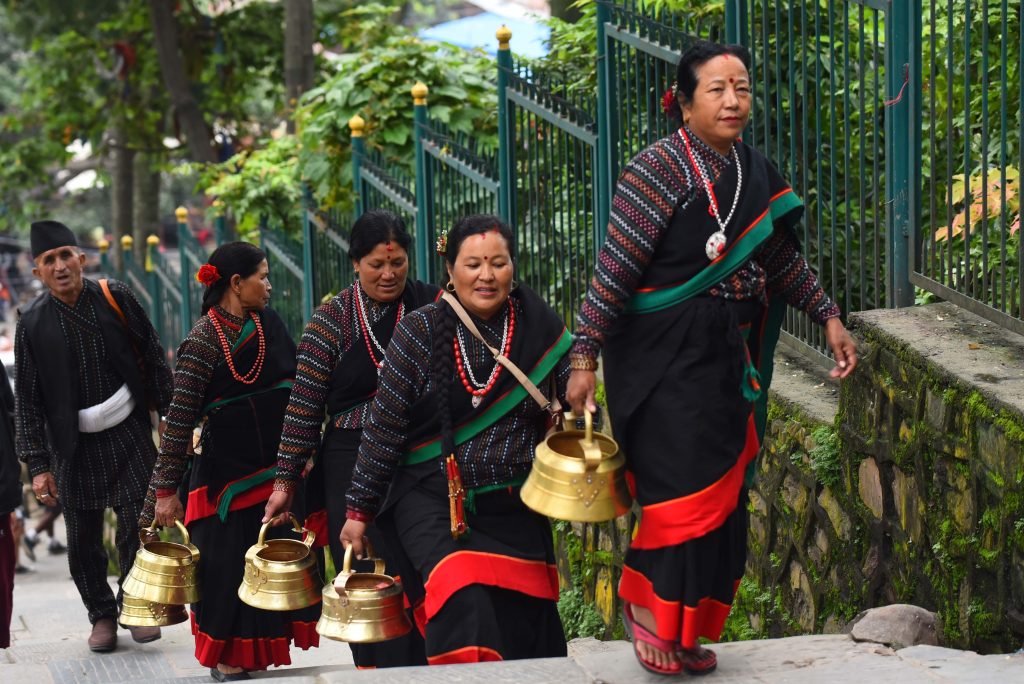
Devotees from Nepal and followers of different Buddhist traditions, including Theravada, Mahayana and Vajrayana, took part in the month-long observances. The large turnout reflected the continuing religious importance of Swayambhunath as a major pilgrimage destination for Buddhist communities.

Gunla Observed as a Sacred Period
Gunla is regarded by Buddhist devotees as a spiritually significant month connected with the Buddha’s enlightenment and his teachings for the well-being of humanity. Committee Secretary Chandraratna Buddhacharya said devotees traditionally make their way to Swayambhunath during the festival and also visit other important religious sites in the vicinity. Shobha Bhagawati and Bijeshwari are among the places commonly included in the pilgrimage. Many devotees believe that prayers, religious observances and visits to sacred sites during Gunla help accumulate spiritual merit. This belief continues to bring pilgrims to Swayambhunath from different parts of Nepal and beyond.
Crowd Management and Religious Programs
With thousands of visitors arriving throughout the festival, the conservation committee worked to facilitate the pilgrimage and manage the crowds around Swayambhunath and nearby monasteries. Arrangements also included street lighting and other measures intended to make movement around the heritage area easier for visitors. Religious storytelling was another feature of the month-long program.

Stories based on the life of Buddha and his teachings were presented during the festival, giving devotees an opportunity to combine pilgrimage with learning and reflection. Swayambhunath itself carries a distinctive place in Buddhist tradition. Its name is derived from Sanskrit and is understood as referring to a place that arose by itself.
Buddhist tradition also holds that Vipasshi Buddha visited the site and worshipped there. Today, Swayambhunath remains an important spiritual destination for followers of different Buddhist traditions. The completion of this year’s Gunla Festival has once again demonstrated the site’s continuing role in Nepal’s religious tourism, Buddhist heritage and cultural traditions.