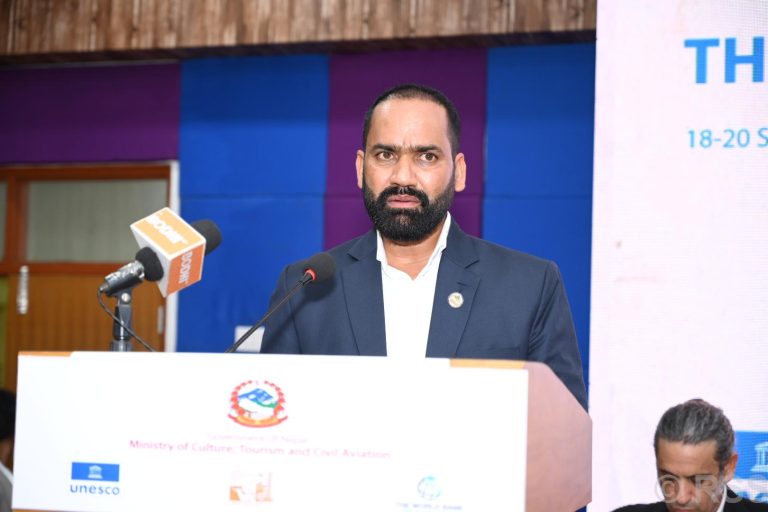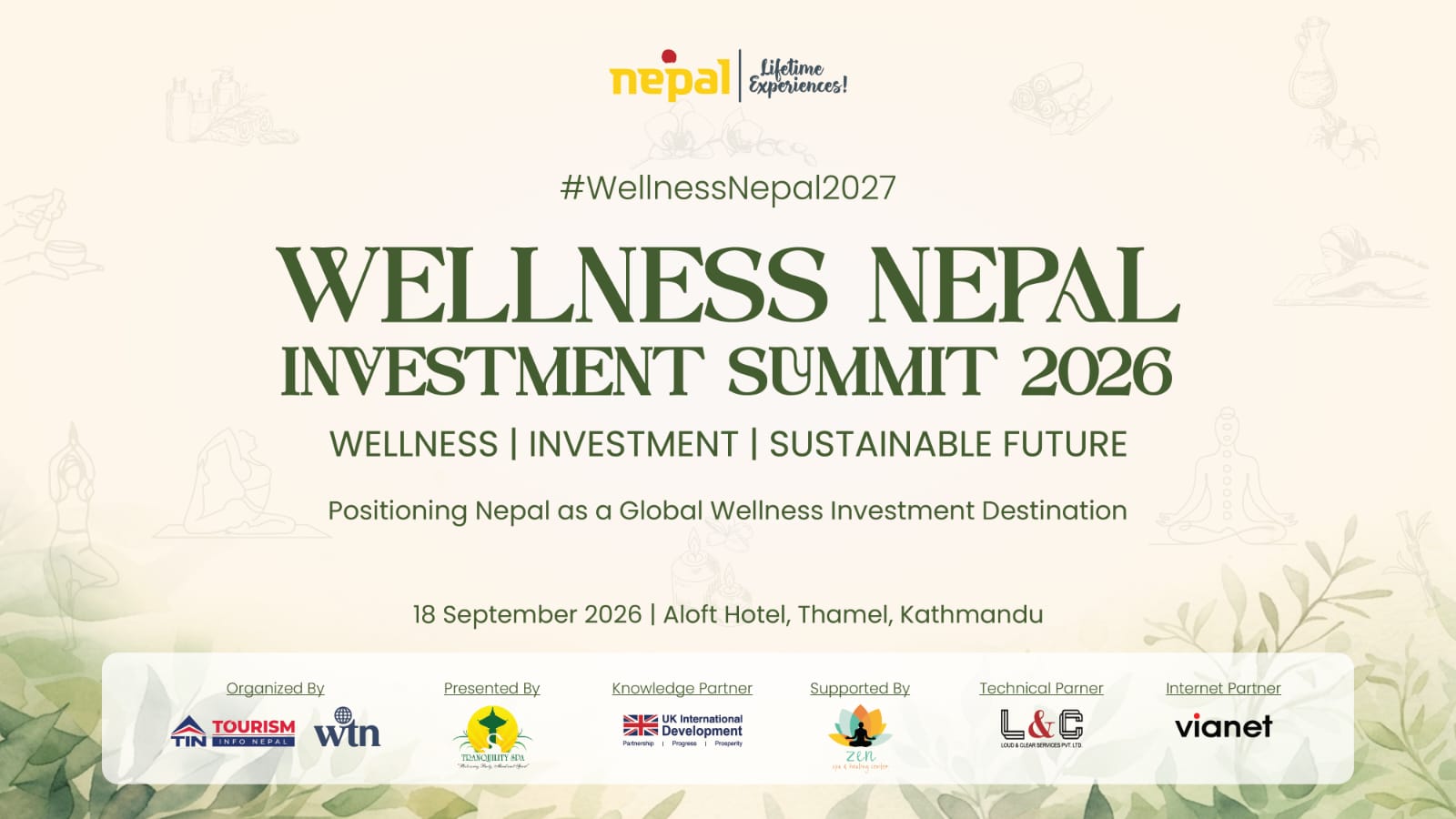
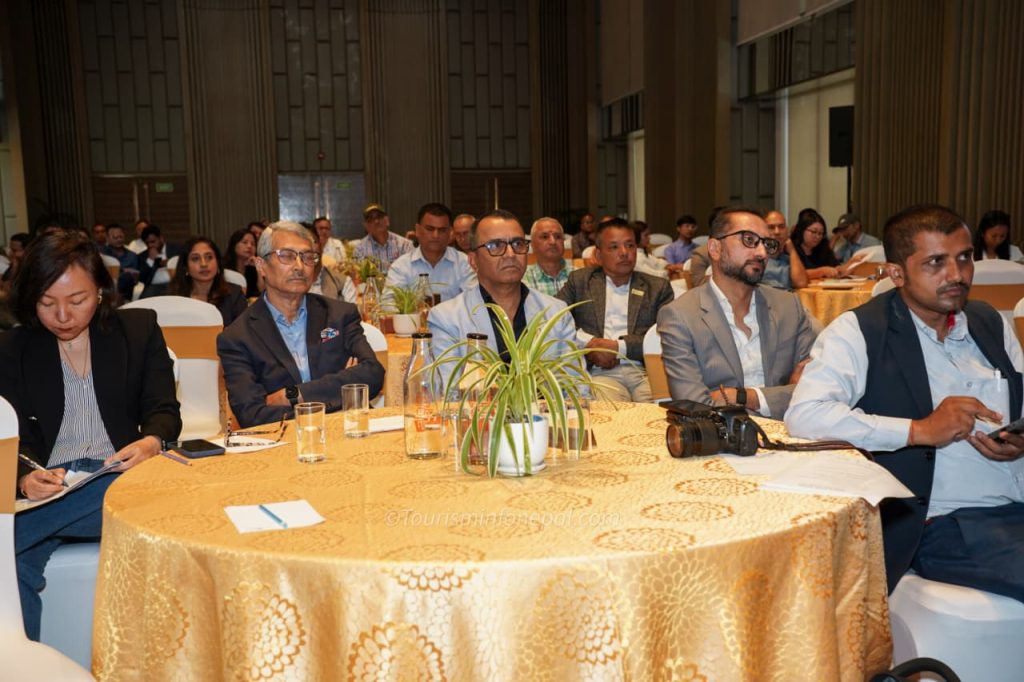
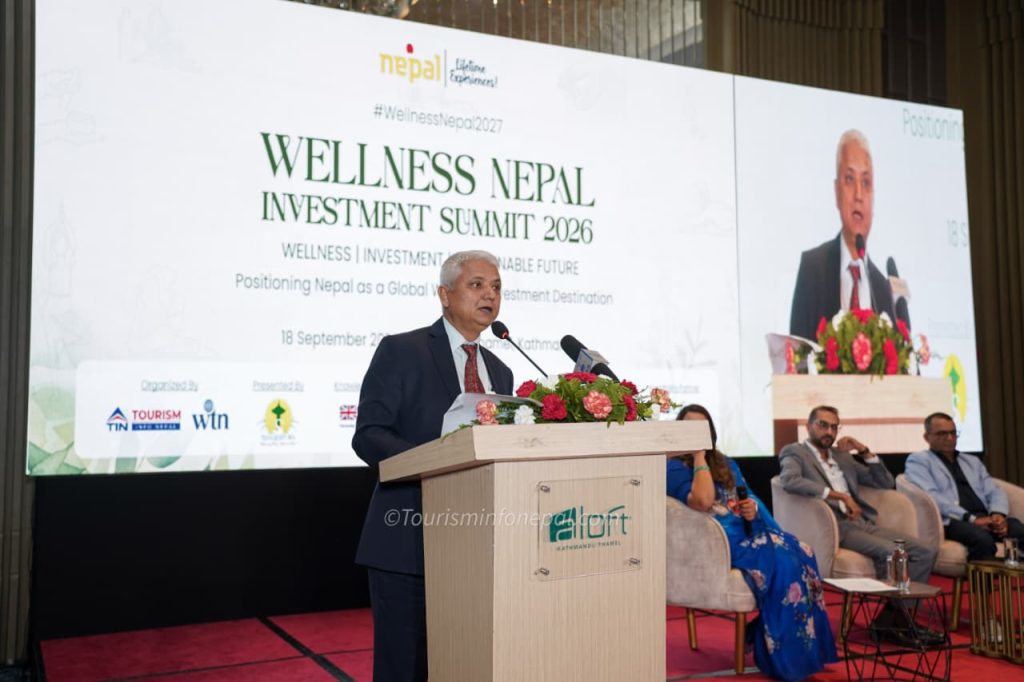
The Wellness Nepal Investment Summit 2026 concluded on Friday at Aloft Hotel, Thamel, Kathmandu, with government officials, tourism leaders, wellness professionals, investors and private-sector representatives calling for increased investment, stronger infrastructure, improved standards and skilled human resources to establish Nepal as a leading global wellness destination.
The summit was jointly organized by the World Tourism Network (WTN) and Tourism Info Nepal, bringing together stakeholders from the government, tourism, hospitality, wellness, healthcare and investment sectors to discuss its potential, investment opportunities and policy priorities in wellness tourism.
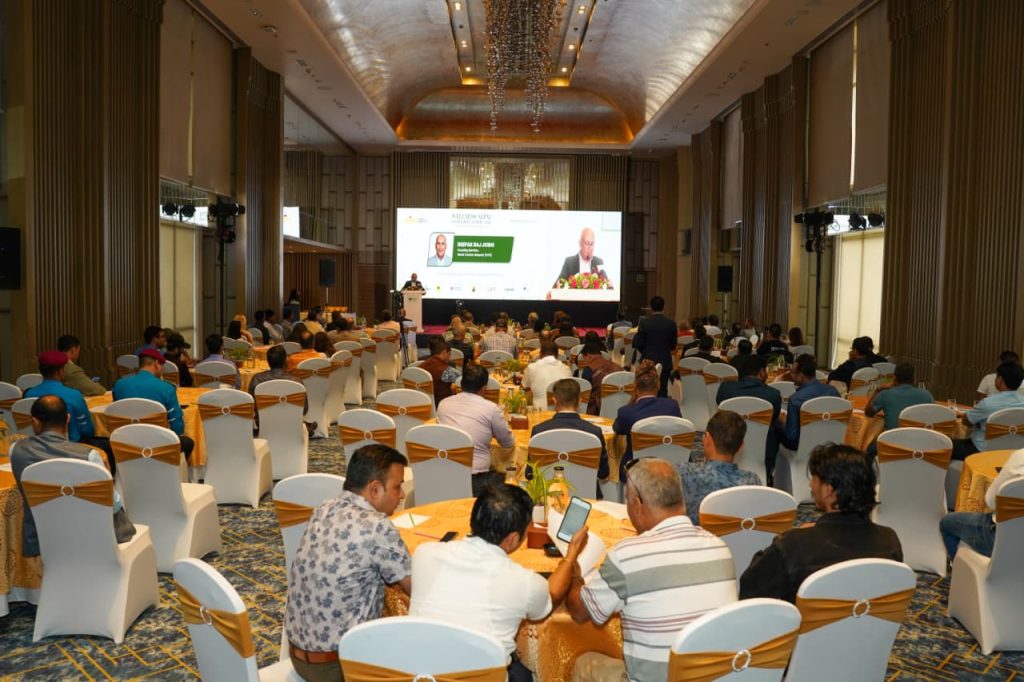
The event featured presentations, experience-sharing sessions and panel discussions focused on developing a sustainable wellness ecosystem and promoting its Himalayan environment, natural resources, Ayurveda, yoga, meditation and cultural heritage in international markets.
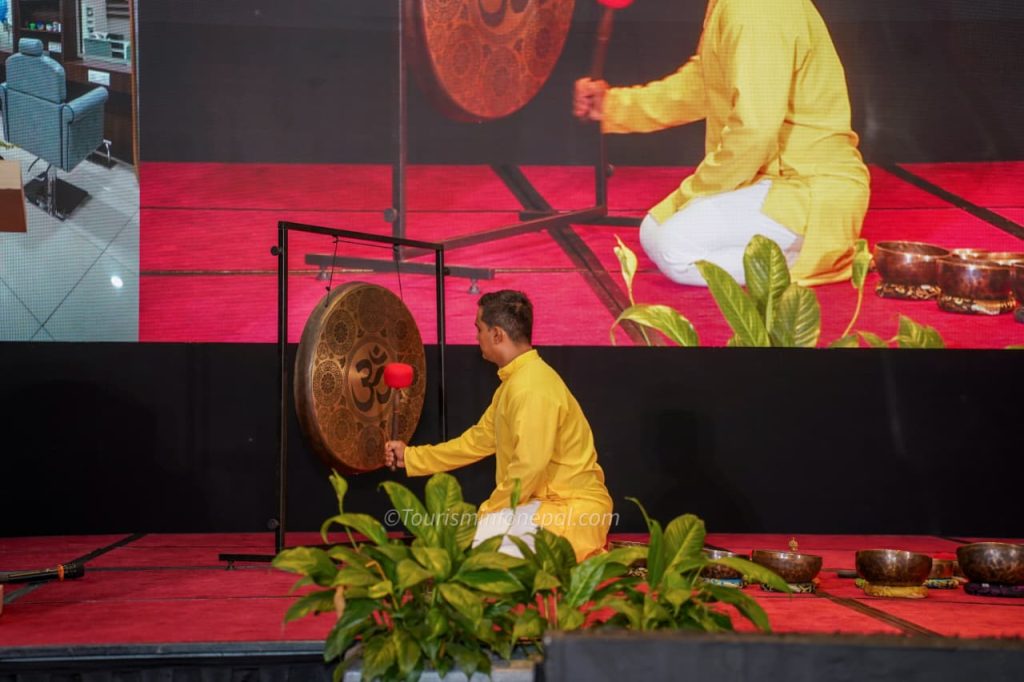
Sound Healing and Wellness Travel Sessions
The programme began with a sound healing meditation session led by Gaurav Baral, providing participants with an experiential introduction to wellness practices and setting the tone for the summit’s discussions on holistic wellbeing.
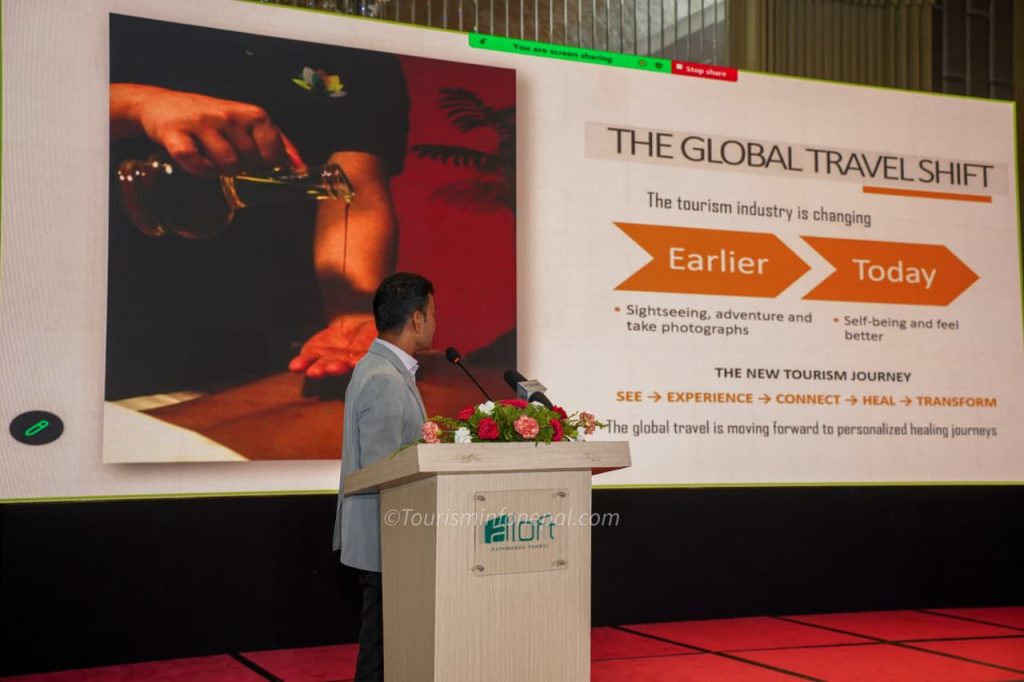
This was followed by a presentation on wellness travelling by Ram Dev Mahato, Chair of Zen Spa. The session highlighted the growing relevance of wellness-focused travel and the importance of creating experiences that combine relaxation, health, mindfulness and destination-based activities. Mahato discussed the role of wellness businesses in developing tourism products that can respond to changing traveller preferences and create longer and more meaningful visitor experiences.
Nepal Needs Investment and Infrastructure
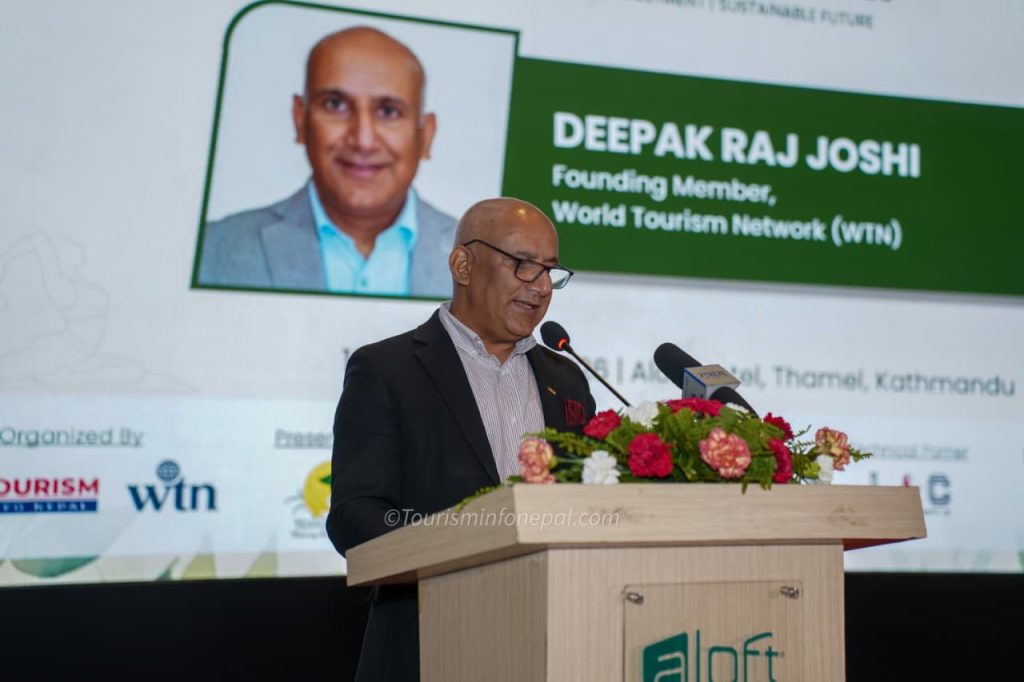
Former CEO of Nepal Tourism Board and founding member of the World Tourism Network Deepak Raj Joshi said Nepal has considerable potential in wellness tourism but has not yet received sufficient investment and infrastructure development in the sector. He said Nepal’s unique natural and cultural resources could be transformed into commercially viable wellness destinations by attracting domestic and international investment. According to Joshi, developing appropriate infrastructure and creating investment opportunities would be essential to convert Nepal’s existing wellness assets into competitive tourism products.
Status of Wellness and Spa Sector Discussed
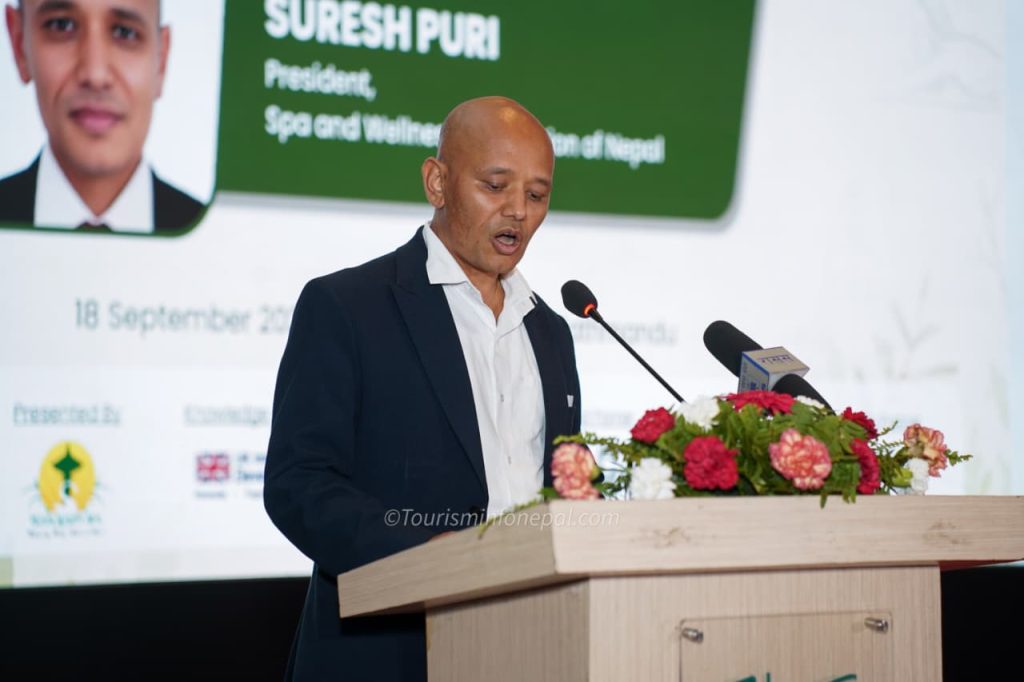
Suresh Puri, President of the Spa and Wellness Association of Nepal (SWAN), presented a detailed overview of the status of wellness and spa in Nepal. Puri discussed the current development of its spa and wellness industry, its opportunities and the challenges facing businesses operating in the sector. He highlighted the need to strengthen professionalism, service standards, skilled manpower and infrastructure to support the sustainable growth of Nepal’s wellness industry.
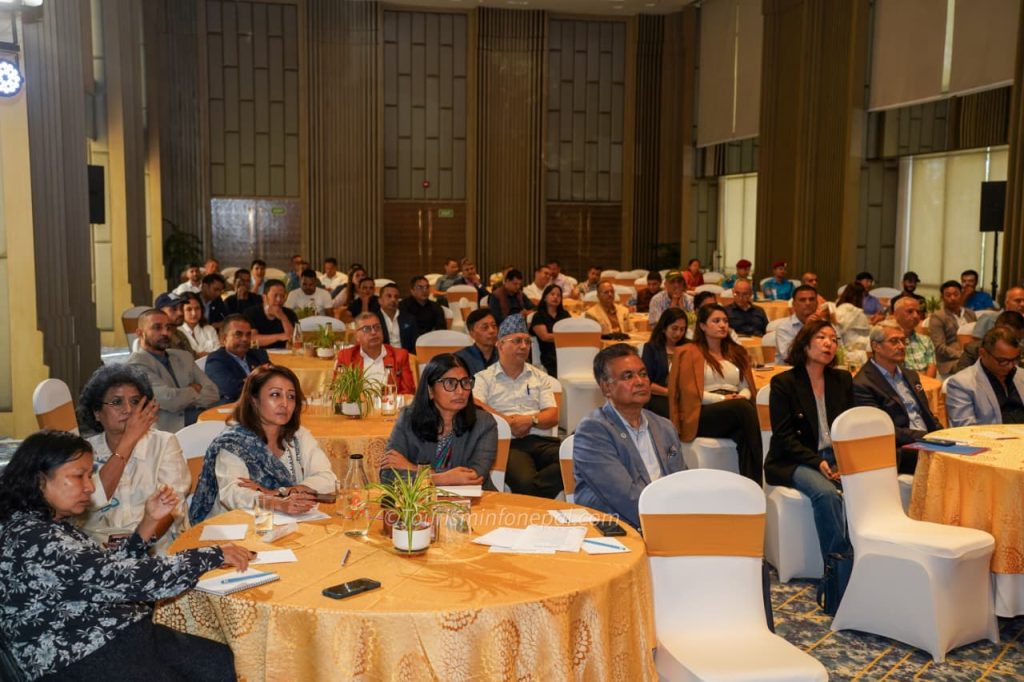
He also emphasized the importance of developing a coordinated wellness ecosystem in which spa and wellness businesses, hotels, resorts, tourism companies, government agencies and investors can work together to create integrated wellness experiences for domestic and international visitors.
Tranquility Spa Shares Experience and Scope
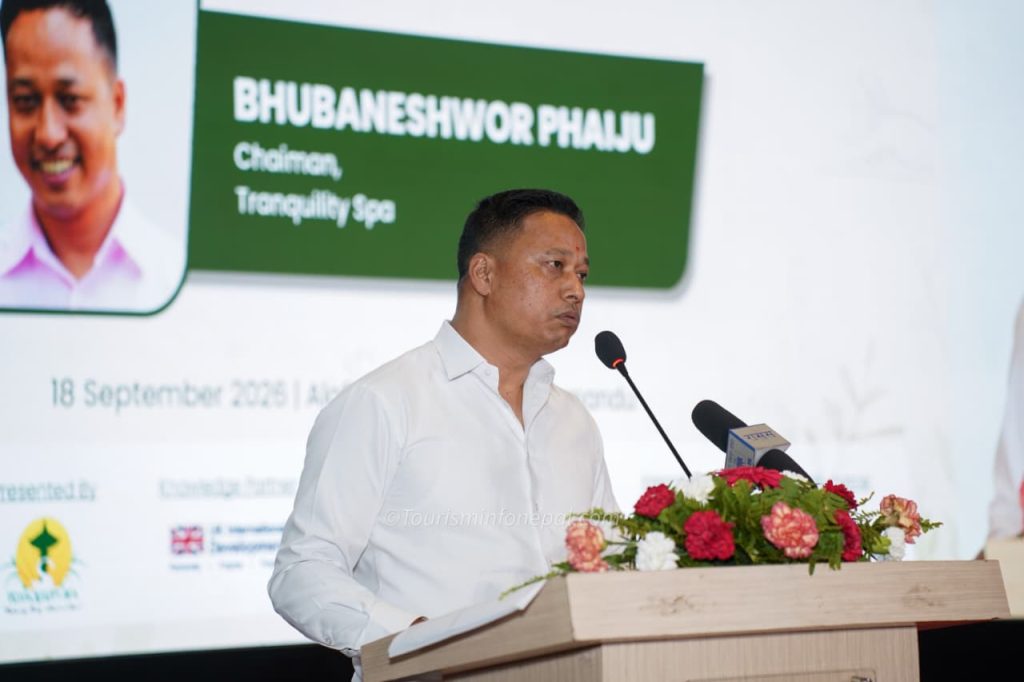
Bhuwan Paiju, Chair of Tranquility Spa, presented “A Story of Tranquility Spa: Experience and Scope,” sharing the company’s experience and perspectives on the development of Nepal’s wellness ecosystem. The presentation highlighted the opportunities for expanding wellness services in Nepal by connecting spa and wellness facilities with tourism, hospitality, natural healing, lifestyle and destination experiences. Paiju also shared experiences from the wellness sector and emphasized the need for a stronger ecosystem in which private businesses, government agencies, investors and tourism stakeholders can work together to develop quality wellness products and services.
Presentation on Nepal’s Wellness Tourism Strategy
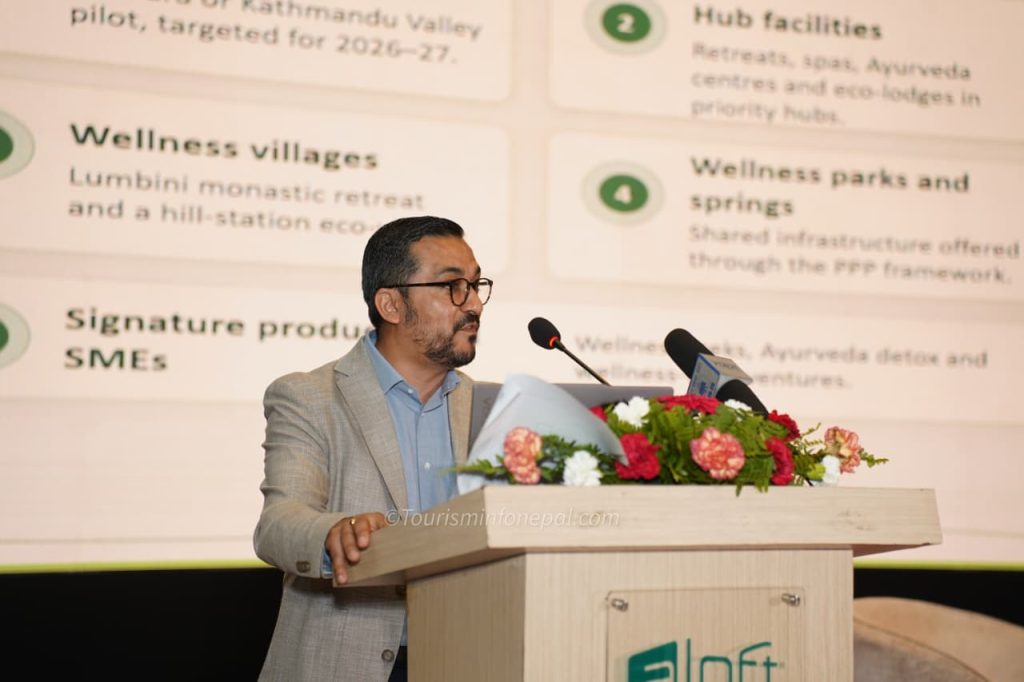
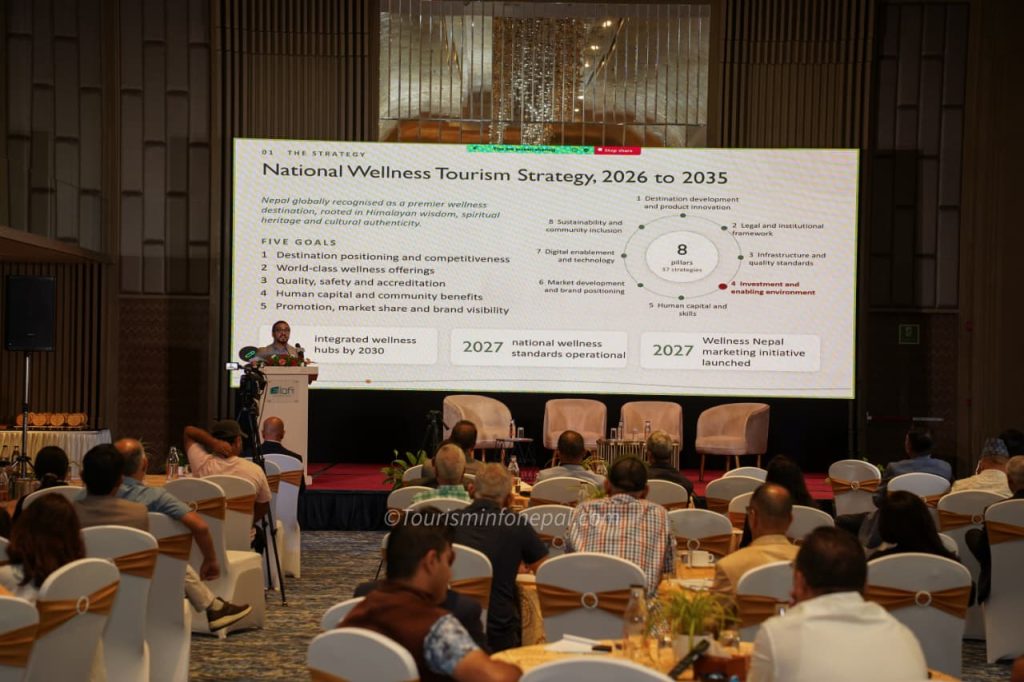
A brief presentation on the Wellness Tourism Strategy of Nepal was delivered by Sudip Bhaju, Private Sector Development and Investment Advisor. The presentation provided an overview of the government’s strategic direction for developing wellness tourism and highlighted the importance of coordinated efforts between the public and private sectors. Nepal has adopted the National Wellness Tourism Strategy 2026–2035 and announced 2027 as Nepal Wellness Tourism Year, providing a policy framework for developing the sector and increasing its international competitiveness.
Government Emphasizes Strategic Development
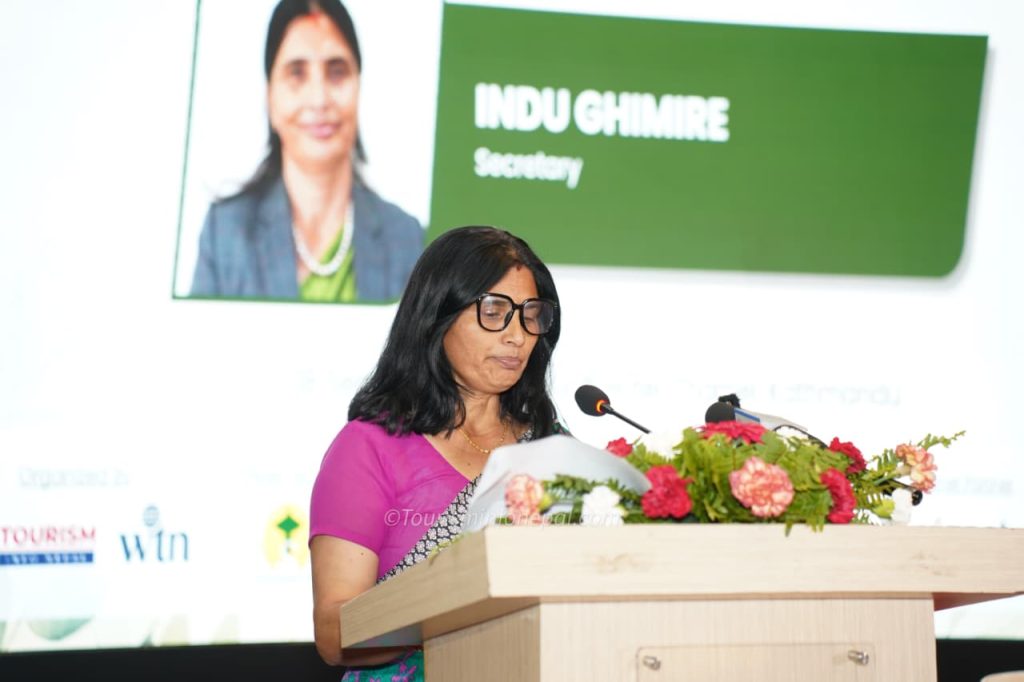
Speaking at the summit, Defence Secretary Indu Ghimire said the National Wellness Tourism Strategy 2026–2035 has identified five major objectives and 37 strategies. She said the strategy focuses on areas including destination competitiveness, quality and standards, human resource development and market promotion, among other priorities for the development of wellness tourism. She emphasized the importance of implementing the strategy effectively to strengthen Nepal’s position in the international wellness tourism market.
IBN Ready to Facilitate Investment
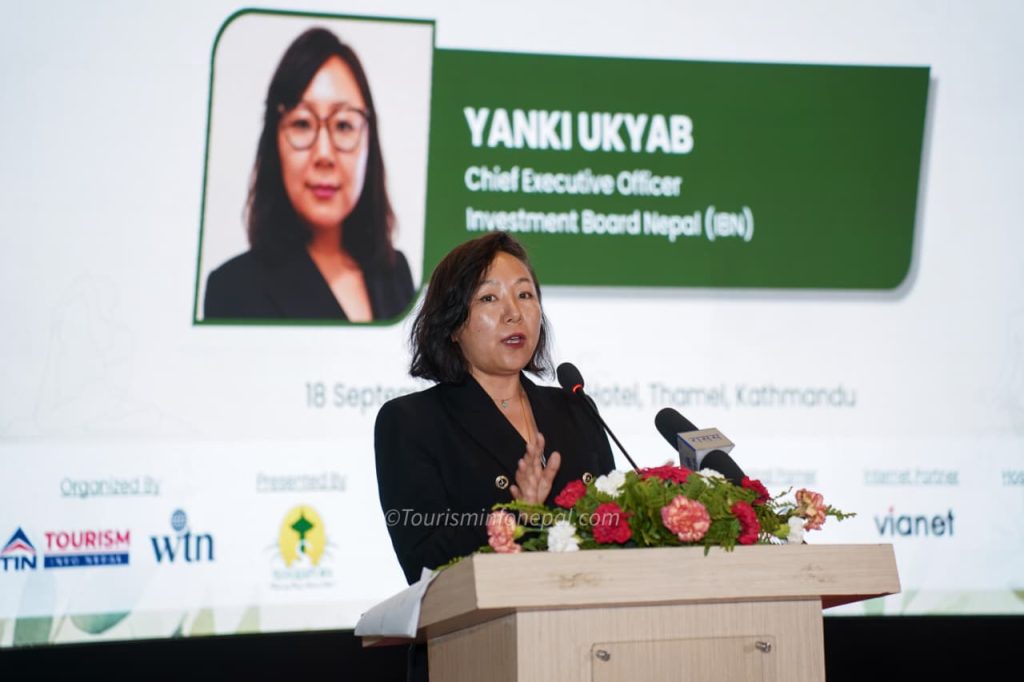
Investment Board Nepal (IBN) Chief Executive Officer Yanki Ukyab said the board is ready to facilitate foreign investment in Nepal’s wellness tourism sector. Ukyab said the board could facilitate issues related to land, roads and legal processes while stressing that the private sector needs to bring forward investment-ready projects with clear commercial structures. She noted that coordination between investors and relevant government agencies would be important for addressing procedural challenges and creating an environment conducive to large-scale investment.
Focus on Authentic Wellness Experiences
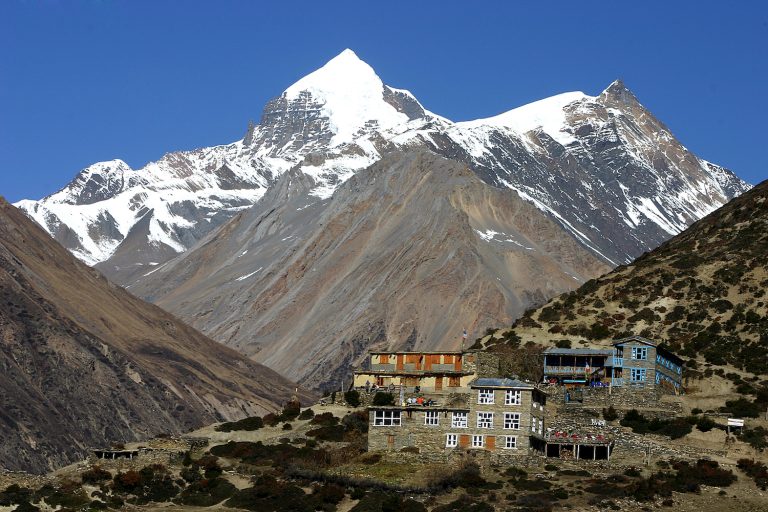
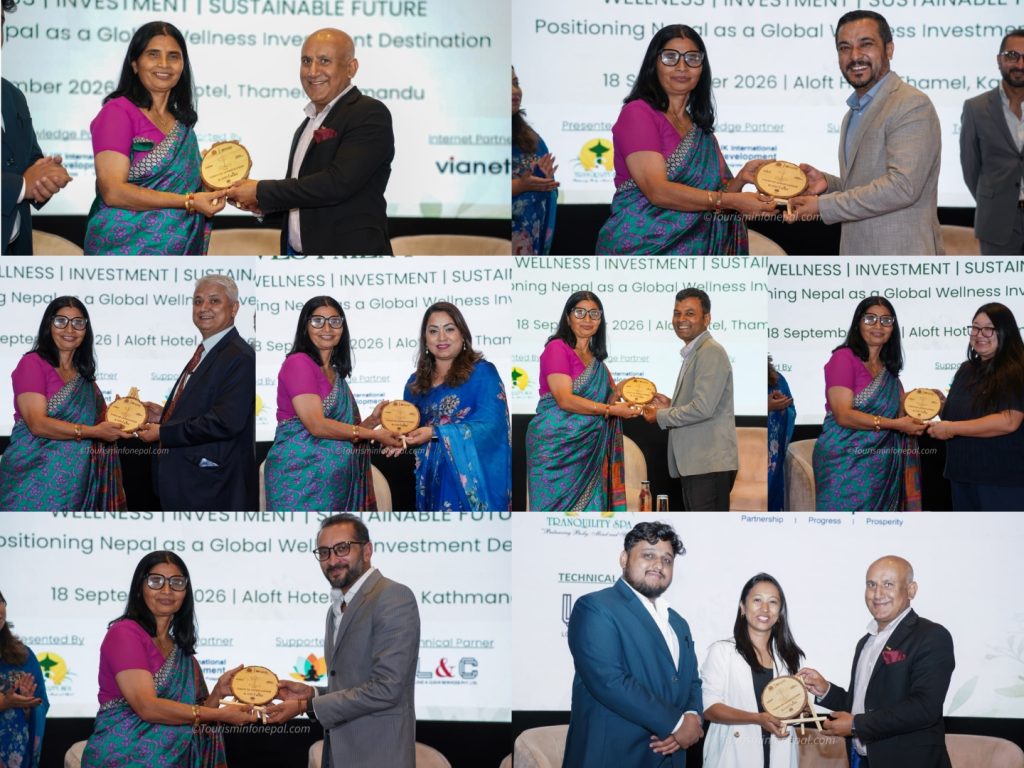
WTN Chairman Juergen Steinmetz said wellness travellers generally tend to stay longer and spend more than conventional tourists. He suggested that Nepal should focus on its distinctive and authentic wellness experiences rather than competing primarily on price. He highlighted Nepal’s natural environment, Himalayan setting, spiritual traditions and cultural heritage as resources that can help create differentiated wellness tourism products for international visitors.
NATHM to Introduce Wellness-Related Courses
Dr. Dibyaraj Pokharel, Executive Director of the Nepal Academy of Tourism and Hotel Management (NATHM), said the development of skilled human resources would be crucial for the expansion of wellness tourism. He informed that NATHM plans to introduce bachelor’s and master’s level courses incorporating subjects related to yoga, Ayurveda and spirituality from the upcoming fiscal year. The initiative is expected to contribute to developing trained professionals capable of serving the growing wellness tourism sector and supporting the industry’s quality and service standards.

Private Sector Calls for Investment-Friendly Environment
During a panel discussion, Hitesh Golcha, Founder and Managing Director of Kavya Resorts and Spa; Ramesh Hamal, Managing Director of Omstone Hotels Ltd. (Dusit Thani Dhulikhel); and Amritanjali Shakya, Executive Director of Park Village Resort, highlighted challenges faced by the private sector in developing tourism and wellness projects.
They called on the government to create a more investment-friendly environment by simplifying cumbersome legal and administrative procedures. The private-sector representatives also suggested introducing targeted incentive packages for a defined period to encourage investment and accelerate the development of wellness tourism infrastructure and services.
Nepal’s Wellness Ecosystem Needs Greater Collaboration
The summit discussions emphasized that Nepal’s wellness tourism potential extends beyond spas and resorts and can include Ayurveda, yoga, meditation, natural healing, spirituality, healthcare, hospitality and nature-based experiences. Participants stressed that integrating these sectors could help Nepal develop comprehensive wellness destinations and experiences capable of attracting international visitors seeking longer stays and holistic wellbeing. The discussions also underlined the importance of establishing quality standards, improving accessibility and infrastructure, developing trained human resources, facilitating investment and strengthening international marketing.
Summit Concludes with Call for Public-Private Cooperation
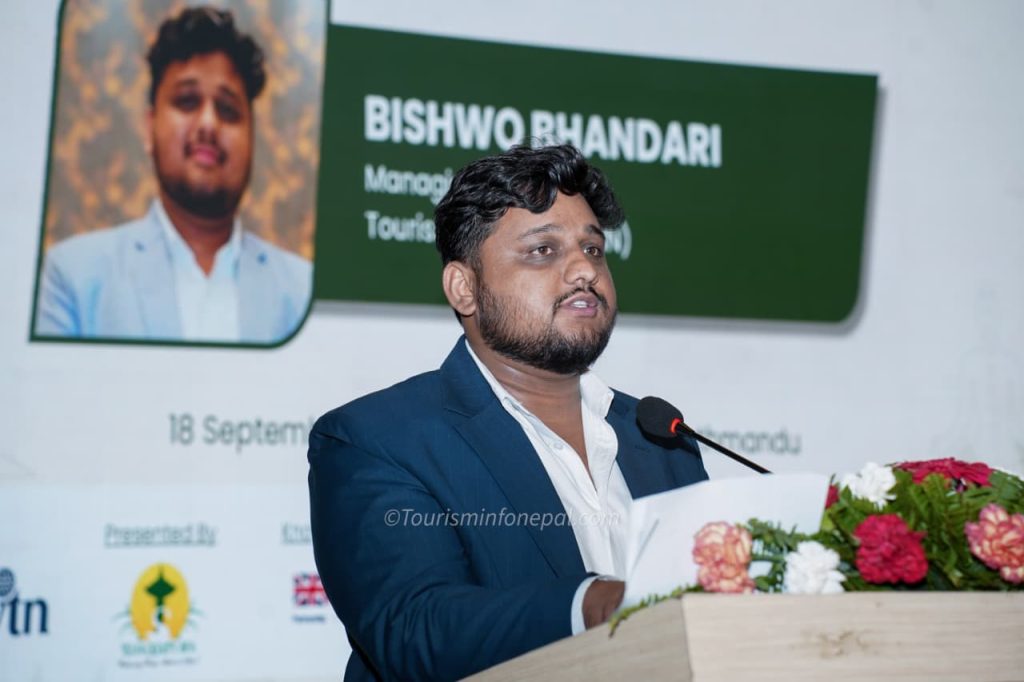
Concluding the summit, Tourism Info Nepal Managing Director Bishwo Bhandari said stronger coordination and collaboration between the government and private sector would be necessary to attract foreign investment and develop Nepal’s wellness tourism industry.
He said the summit provided a platform for government representatives, investors, tourism entrepreneurs and wellness-sector stakeholders to exchange ideas and identify opportunities for building a stronger wellness tourism ecosystem in Nepal. The summit concluded with a broader call for coordinated action to transform Nepal’s natural, cultural and wellness resources into sustainable tourism products and strengthen the country’s position in the growing international wellness tourism market.