Minister for Culture, Tourism and Civil Aviation Khadak Raj Paudel ‘Ganess’ has emphasized the need for stronger inter-ministerial coordination, enhanced institutional capacity within government agencies and continuous collaboration with the private sector to make Nepal’s tourism development more effective.
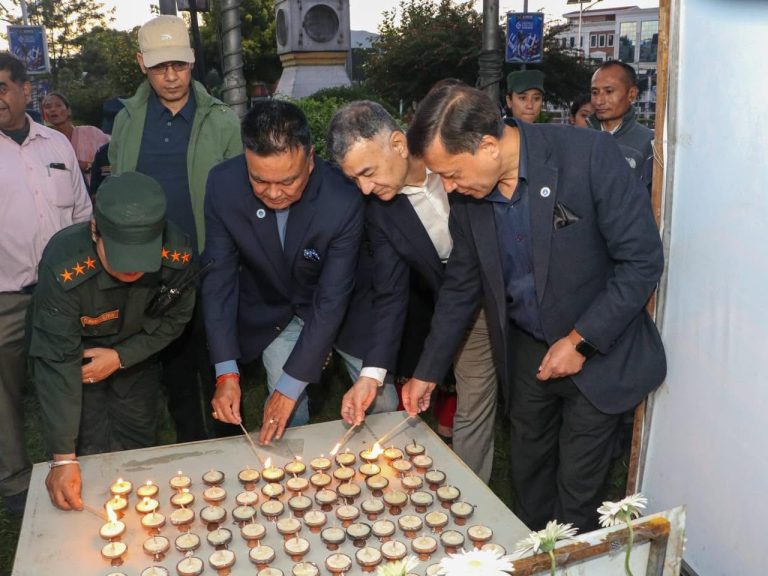
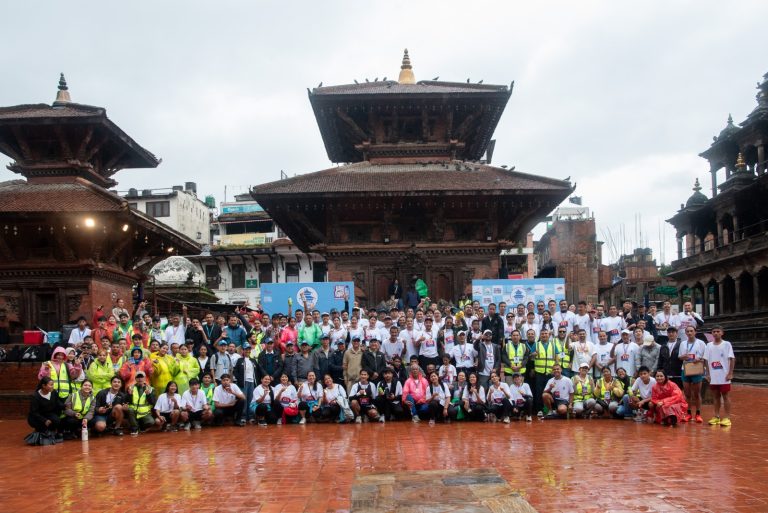
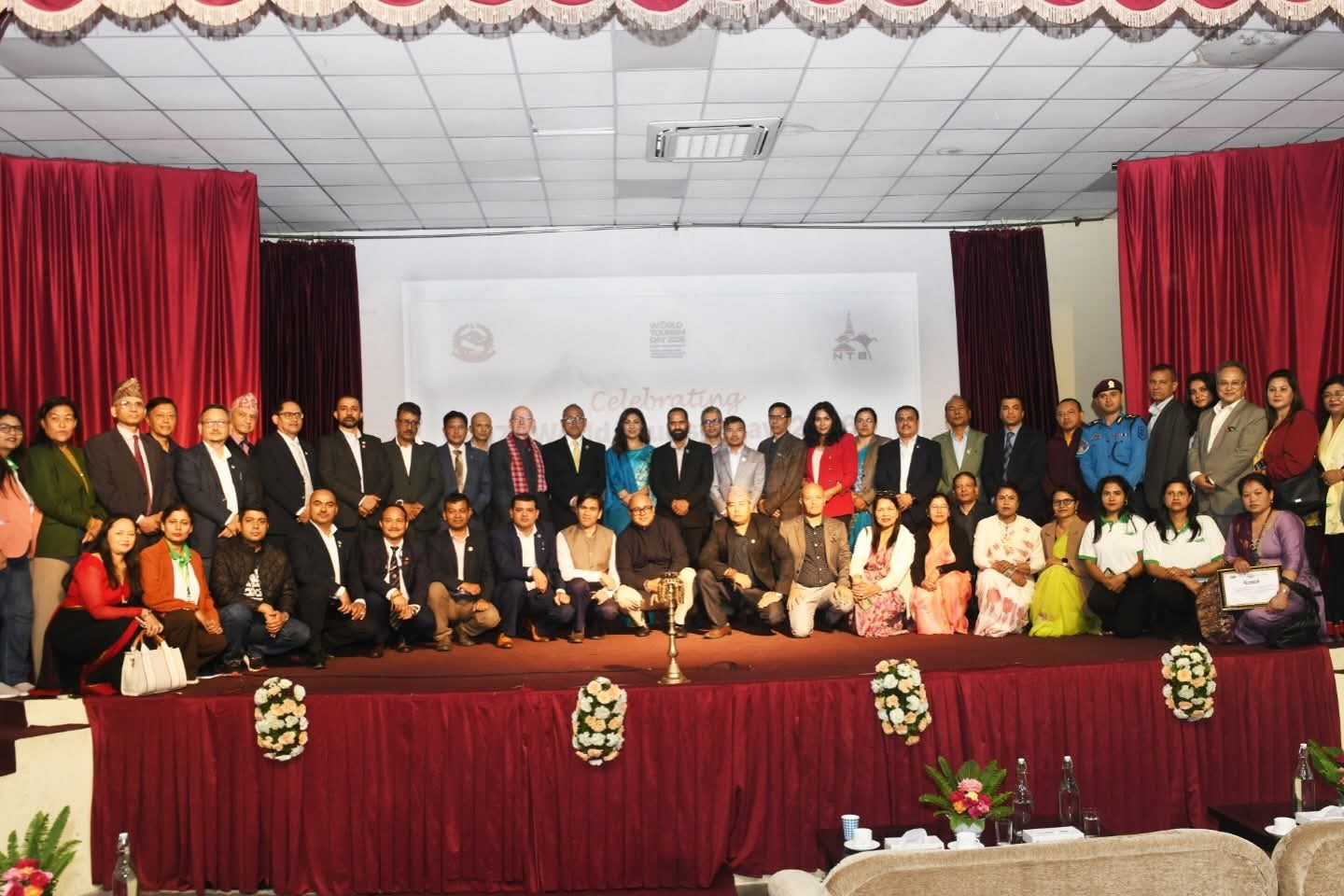
Addressing a programme organized on the occasion of the 47th World Tourism Day on Sunday, Minister Paudel said tourism development could not be advanced through the efforts of a single ministry alone. Minister Paudel said he had been consistently emphasizing effective coordination among different government agencies involved in tourism and related sectors. The programme was organized jointly by the Ministry of Culture, Tourism and Civil Aviation, Nepal Tourism Board and various tourism-sector stakeholders to mark World Tourism Day.
Focus on Institutional Capacity and Service Delivery
Minister Paudel said the government has plans to strengthen the capacity of government institutions working in the tourism sector. According to him, institutional structures and service delivery mechanisms need to be strengthened in line with the changing nature of the global tourism industry.

Minister Paudel stressed that tourism institutions must be able to respond to emerging challenges, changing traveller preferences and technological developments. Improving the effectiveness of public institutions, Minister Paudel said, would be important for creating a more supportive environment for tourism businesses and visitors.
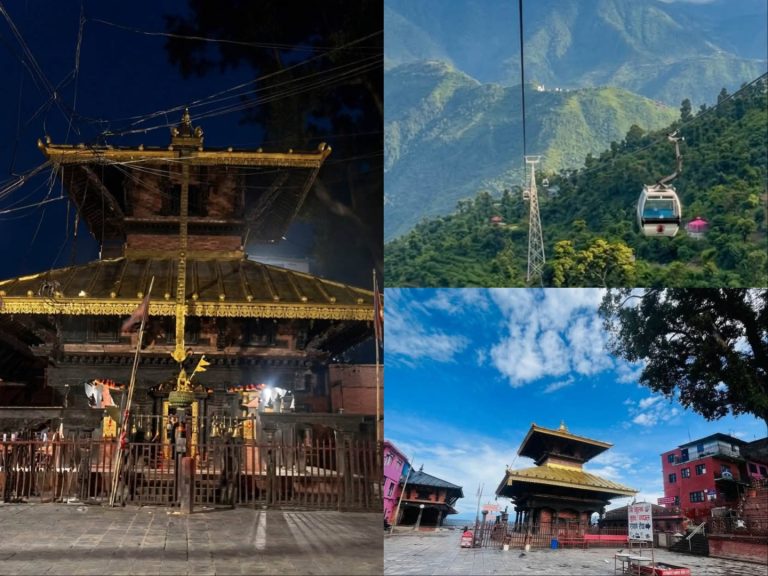
The minister also highlighted Nepal’s rich cultural heritage as one of the country’s major tourism assets. He said traditional festivals, community-based jatras and cultural activities that have been practised for generations should be protected and promoted by linking them more closely with tourism development.
Cultural Heritage and Himalayan Resources
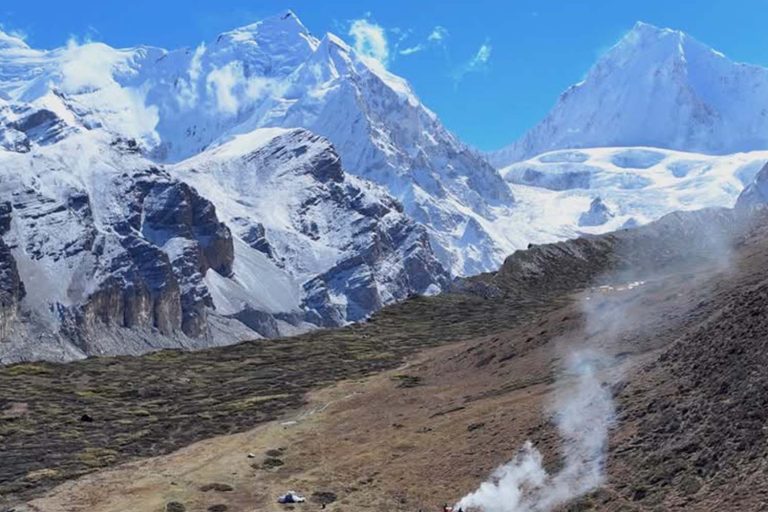
Minister Paudel described the Himalayas as a sacred natural heritage not only of Nepal but of the wider region. He noted that rivers originating in the Himalayan region contribute to the livelihoods of millions of people across the region.
Minister Paudel stressed that the protection of the Himalayan environment should go hand in hand with responsible and sustainable tourism use. According to him, Nepal needs to balance tourism opportunities with the long-term conservation of its natural and cultural resources.
The minister also said that feedback from the private sector would remain important in improving existing laws and regulations related to tourism. Minister Paudel noted that tourism entrepreneurs have first-hand experience of operating businesses and therefore their practical suggestions can help identify weaknesses in existing policies and legal provisions. Minister Paudel said the government was committed to incorporating relevant suggestions from the private sector while undertaking policy and legal reforms in the tourism sector.
Digital Transformation and AI Take Centre Stage
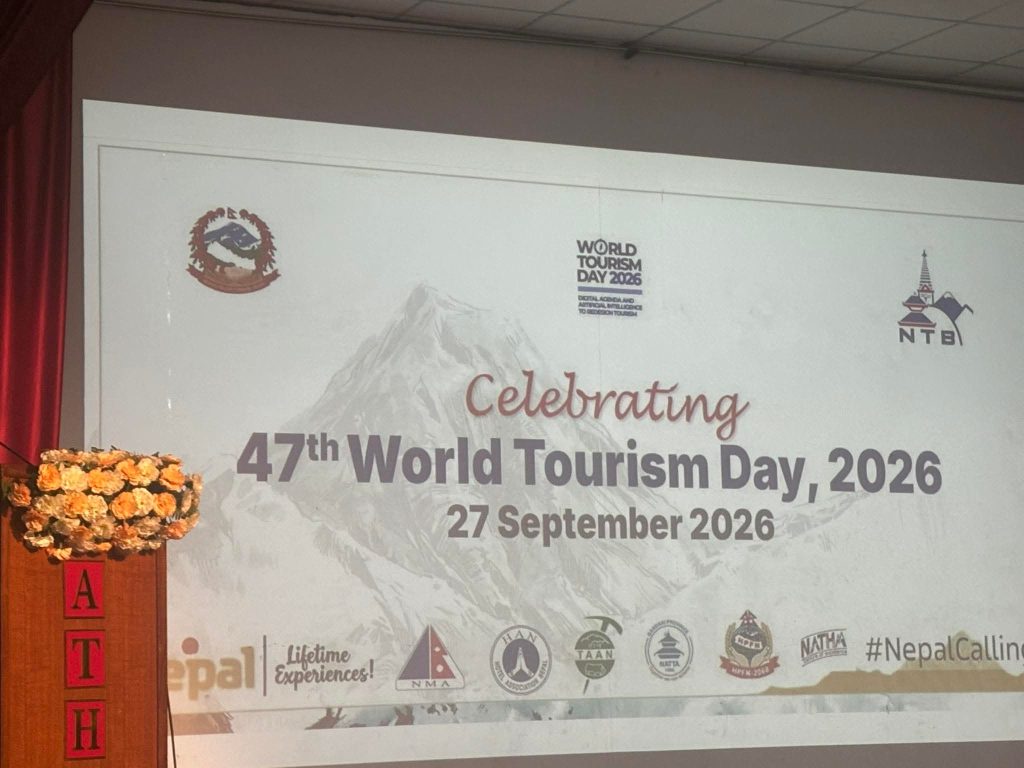
The World Tourism Day programme also focused on the growing role of digital technology and artificial intelligence (AI) in Nepal’s tourism sector. The international theme for World Tourism Day 2026 is “Digital Agenda and Artificial Intelligence to Redesign Tourism,” placing technological transformation at the centre of discussions surrounding the future of tourism.
Discussions at the programme explored how digital technologies and AI can be used for tourism promotion, destination management, information delivery, crisis response and improving the overall visitor experience. The speakers emphasized that digital transformation should not be viewed only as a promotional tool but also as an important mechanism for strengthening tourism resilience and improving access to reliable information.
Bhote Koshi Flood Highlights Need for Digital Disaster Preparedness
Nepal Tourism Board Officiating Chief Executive Officer Santosh Pant linked the lessons from the recent Bhote Koshi floods with the need for greater use of digital technology in tourism risk management. Pant said damage to regular access routes and accommodation facilities serving the Langtang area following the recent floods had directly affected tourism activities. He stressed that safe infrastructure, timely information, alternative access routes and effective disaster preparedness had become essential requirements for Nepal’s tourism sector.
Given Nepal’s challenging geographical conditions and limited resources, Pant said it could be difficult to immediately develop highly rapid and reliable physical infrastructure in every vulnerable tourism area. In such circumstances, he said, digital technology could serve as an effective tool for reducing tourism-related risks. Digital systems could be used to keep tourist travel information updated, provide early warnings about potential risks and facilitate coordination during emergencies, according to Pant.
Digital Information Can Improve Destination Promotion
Pant further emphasized the importance of providing accurate and timely destination information through digital platforms. He said potential visitors increasingly require reliable, relevant and personalized information while planning their journeys. From the initial stage of travel planning to arrival at the destination, access to accurate information can help tourists make informed decisions, he said. Digital platforms can also help tourism authorities and businesses communicate real-time information about destination conditions, accessibility and available services.
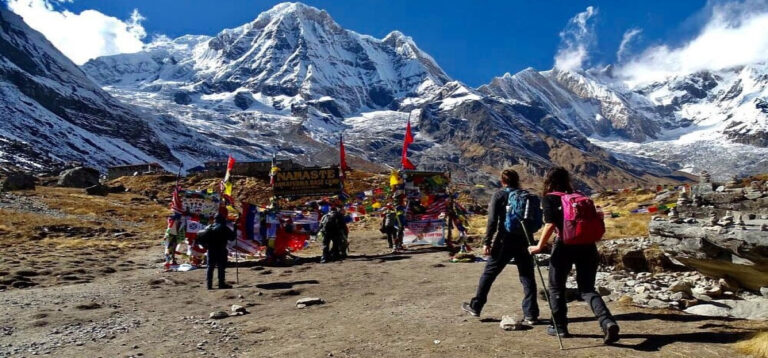
The emphasis on accurate travel information comes amid continued efforts by Nepal’s tourism industry to communicate that the recent flood impacts were geographically concentrated rather than representative of conditions across the entire country. The PATA Foundation, for example, has stated that major destinations including Kathmandu Valley, Pokhara and the Annapurna region, Everest and Khumbu, Chitwan, Bardiya and Lumbini continue to operate, while emphasizing the need for accurate destination information.
PATA Foundation Pledges Continued Support for Tourism Recovery
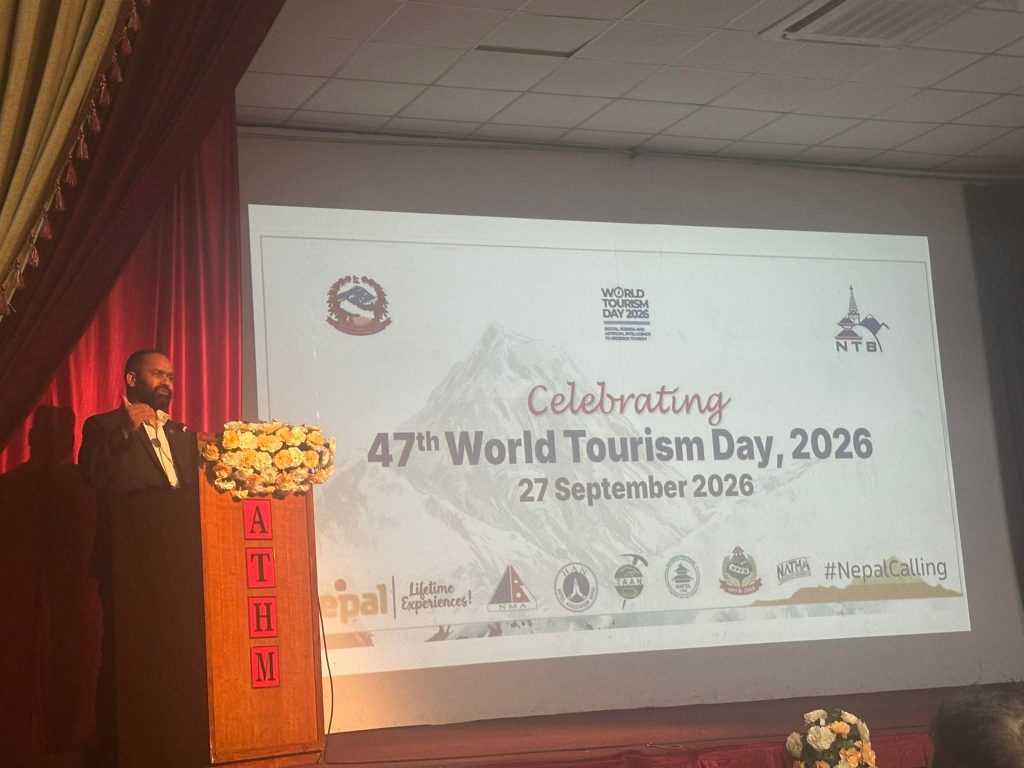
The programme’s main speaker, Andrew Jones, Chairman of the PATA Foundation, highlighted Nepal’s geographical and cultural diversity and expressed continued support for the recovery of Nepal’s tourism sector following the Bhote Koshi floods. Jones said AI and digital media were becoming increasingly important in supporting nature-based tourism and strengthening destination communication.
The PATA Foundation has also established the Nepal Tourism Recovery Fund to support tourism-dependent workers and small businesses affected by the August 26 floods. The fund focuses on groups including guides, drivers, porters and tourism businesses such as lodges, homestays and teahouses in affected areas.
The foundation has said the fund is intended to help affected tourism communities recover their livelihoods by supporting equipment, business facilities and other resources needed to resume operations. Jones currently serves as Chairman of the PATA Foundation’s Board of Trustees. The foundation announced its new board in March 2026, with Jones appointed to lead the board.
Tourism Technology, Employment and Nepal Airlines Discussed
The programme also featured remarks from National Planning Commission member Prof. Dr. Sanjay Acharya and members of the House of Representatives’ International Relations and Tourism Committee, including Anushka Shrestha, Dr. Arjun Kumar Karki and Mingma Gyabu Sherpa.
The speakers discussed several issues concerning Nepal’s tourism sector, including the application of technology in tourism, protection of tourism-related employment, strengthening the national flag carrier Nepal Airlines Corporation, and ensuring that tourists have access to verified and reliable information. Sumnima Udas, Chairperson of the International Relations and Tourism Committee of the House of Representatives, was also present at the programme.
New Tourism Promotional Audio-Visual Content Unveiled
As part of the World Tourism Day programme, the Nepal Tourism Board unveiled new promotional audio-visual content prepared to promote Nepal as a tourism destination. The new promotional material is intended to support destination marketing by presenting Nepal’s tourism attractions and experiences through contemporary visual and digital formats.

Three Villages Declared ‘Villages of the Year’
On the occasion, VITOF-Nepal also announced three villages as ‘Villages of the Year’. Minister Paudel presented certificates to representatives of the selected villages. The initiative aims to strengthen rural tourism by bringing local communities, culture and rural experiences into the mainstream of Nepal’s tourism industry. By highlighting villages and community-based tourism experiences, the initiative seeks to encourage visitors to explore destinations beyond Nepal’s established tourism centres while creating opportunities for local communities.
World Tourism Day 2026 Focuses on Digital Transformation
World Tourism Day is observed annually on September 27. In 2026, the global observance is centred on “Digital Agenda and Artificial Intelligence to Redesign Tourism,” highlighting the growing role of digital technology and AI in transforming tourism. For Nepal, the theme has provided an opportunity to discuss how digital tools can be applied not only in destination marketing but also in tourism information systems, disaster preparedness, visitor services, crisis communication and destination management.
The discussions at the Kathmandu programme highlighted that Nepal’s future tourism development will require coordination between government agencies, stronger tourism institutions, private-sector participation and greater adoption of digital technologies. At the same time, speakers stressed the importance of protecting the country’s cultural heritage, communities and Himalayan environment as Nepal works to build a more resilient and sustainable tourism sector.