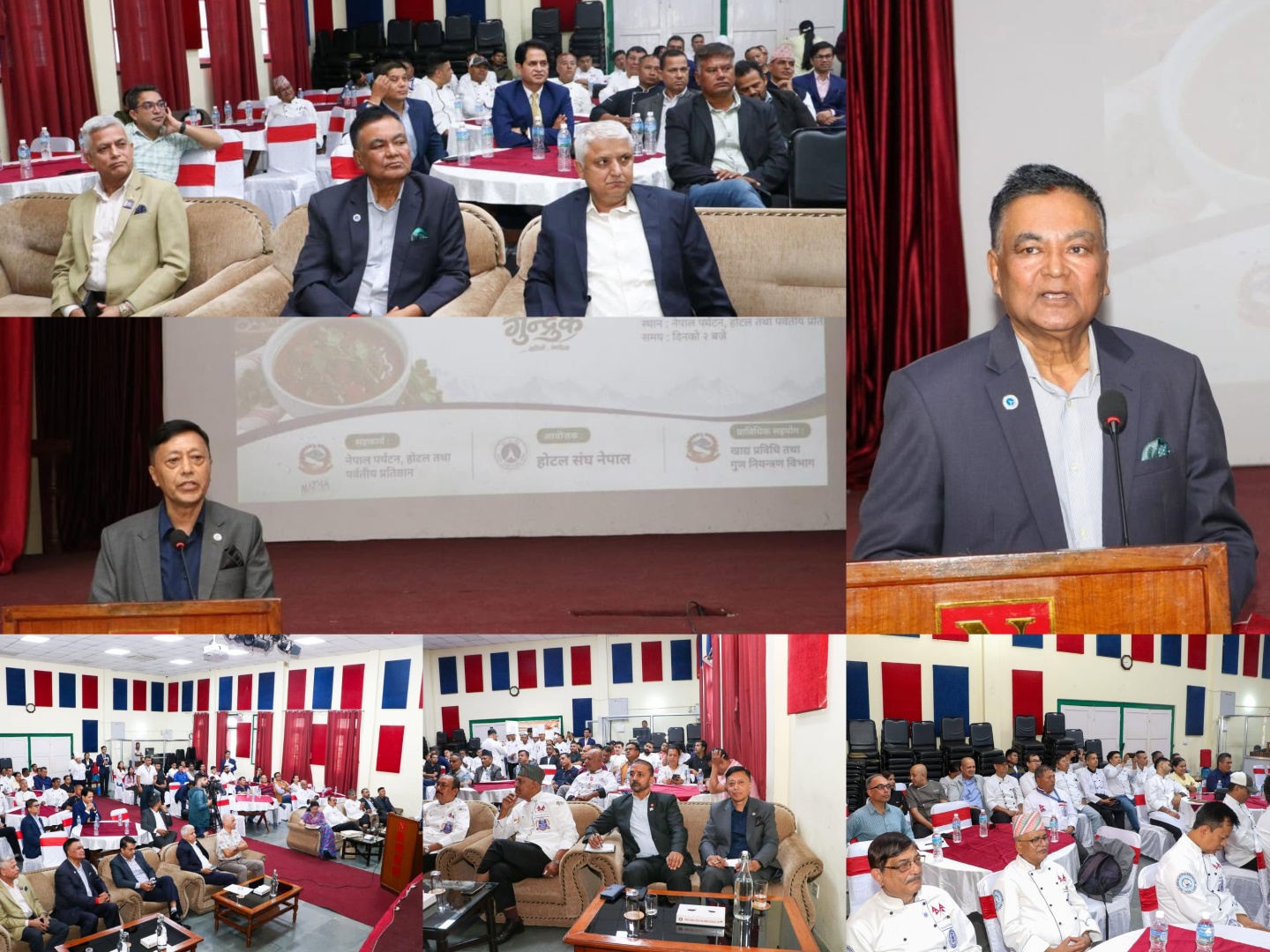
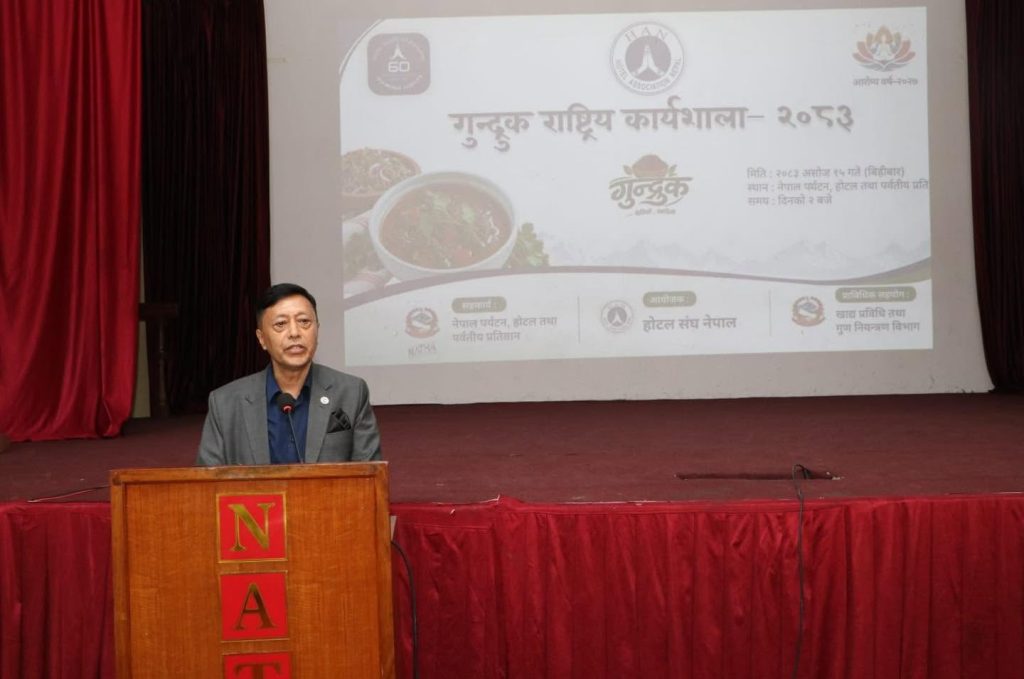
The National Gundruk Workshop, organized with a focus on Arogya Year 2027, concluded in Kathmandu on Thursday with stakeholders calling for greater promotion, commercialization, standardization and international recognition of Gundruk as an authentic indigenous Nepali food product.
The workshop was organized by the Hotel Association Nepal (HAN) in collaboration with the Nepal Academy of Tourism and Hotel Management (NATHM), with technical support from the Department of Food Technology and Quality Control (DFTQC).
The event brought together representatives from the hotel and tourism sectors, government agencies, culinary professionals, food experts, academia and private-sector organizations to discuss ways to strengthen the production, quality, safety, preservation and commercial use of Gundruk.
HAN Highlights Need to Strengthen Gundruk’s National and International Identity
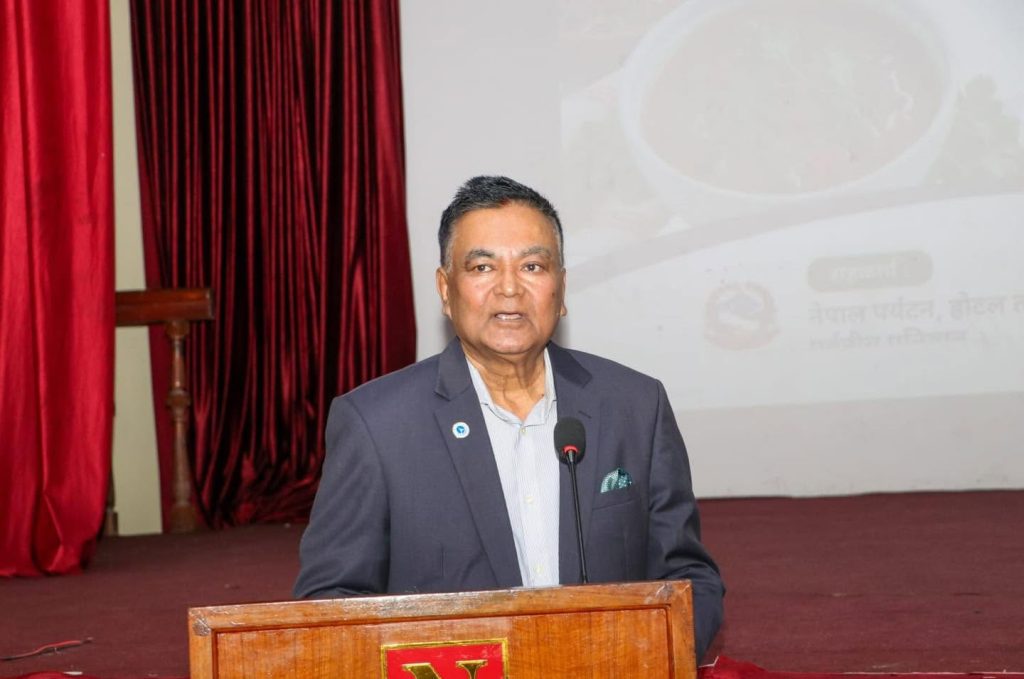
Welcoming participants to the workshop, Binayak Shah, President of Hotel Association Nepal, described Gundruk as an authentic and indigenous Nepali food product with significant potential for promotion within the country’s tourism and hospitality sectors.
Shah emphasized the need to expand the commercial use of Gundruk and establish a stronger identity for the product both nationally and internationally. He highlighted the importance of improving the marketing and branding of Gundruk while maintaining its traditional characteristics and ensuring that the product meets appropriate food safety and quality standards.
He also stressed the need to improve storage and preservation practices, explore opportunities to expand Gundruk into international markets, and promote its wider use in hotels, restaurants and other tourism-related businesses. Shah further raised the possibility of observing a national day dedicated to Gundruk as a way of increasing public awareness and recognizing its cultural and culinary significance.
DFTQC Presents Research on Production, Nutrition and Food Safety
During the workshop, Bhim Pulami, Senior Research Officer at the Department of Food Technology and Quality Control, presented a detailed paper covering different aspects of Gundruk, including its production process, quality characteristics, nutritional value and food safety considerations.
The presentation provided participants with technical perspectives on the traditional fermented leafy vegetable and the factors that influence its quality and safety. Discussions also focused on the need to maintain appropriate standards during production, processing and storage to ensure that Gundruk can be used more extensively in commercial food services.
The paper was commented on by writer and food analyst Sharada Gyawali, Senior Chef Govinda Narasingh KC, and Consulting Chef Shyam Bahadur Tamang. Their comments highlighted the culinary, cultural and commercial dimensions of Gundruk and its potential for wider integration into Nepal’s hospitality industry.
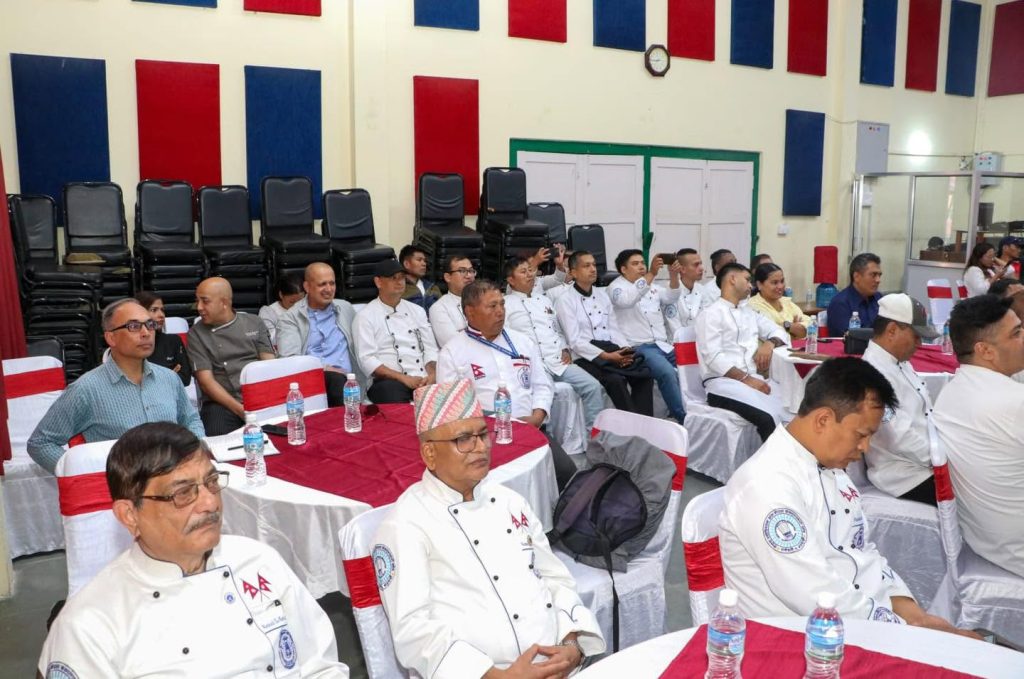
Stakeholders Discuss Commercialization and Use in Tourism
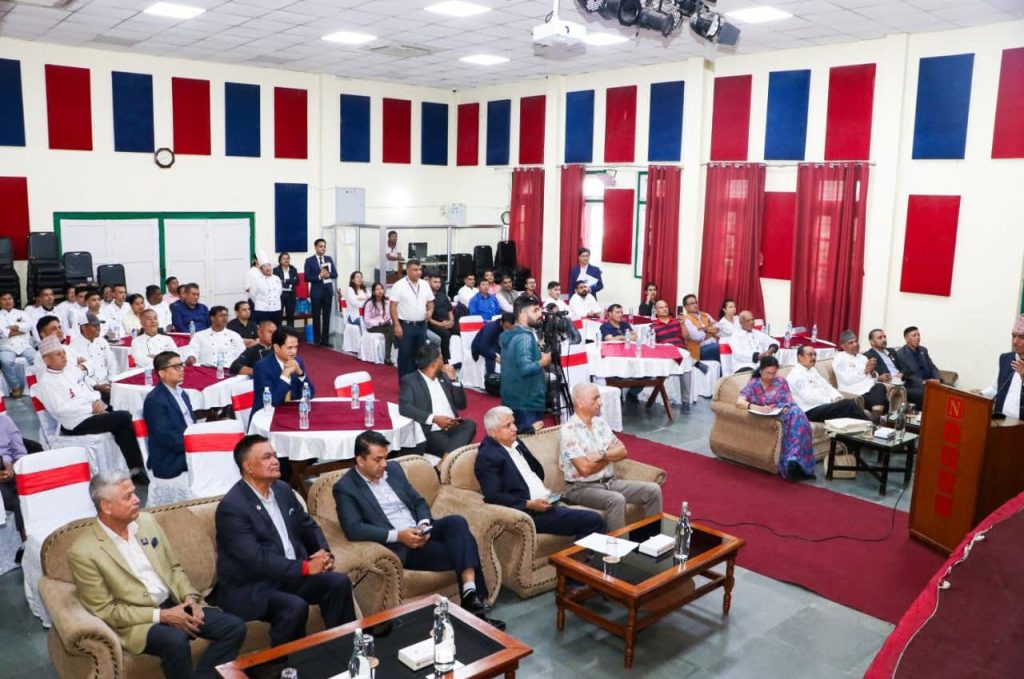
Following the presentation and expert comments, participants engaged in an extensive discussion on Gundruk’s production, processing, quality control, preservation, commercial utilization and promotion. The discussion particularly examined how Gundruk could be incorporated more effectively into the hotel and tourism sectors while maintaining its traditional character and improving its consistency and quality for commercial use.
Participants also raised questions related to production practices, food safety, preservation and the potential for expanding the market for Gundruk. Senior Research Officer Bhim Pulami and Consulting Chef Shyam Bahadur Tamang responded to the questions and provided technical and culinary perspectives during the discussion.
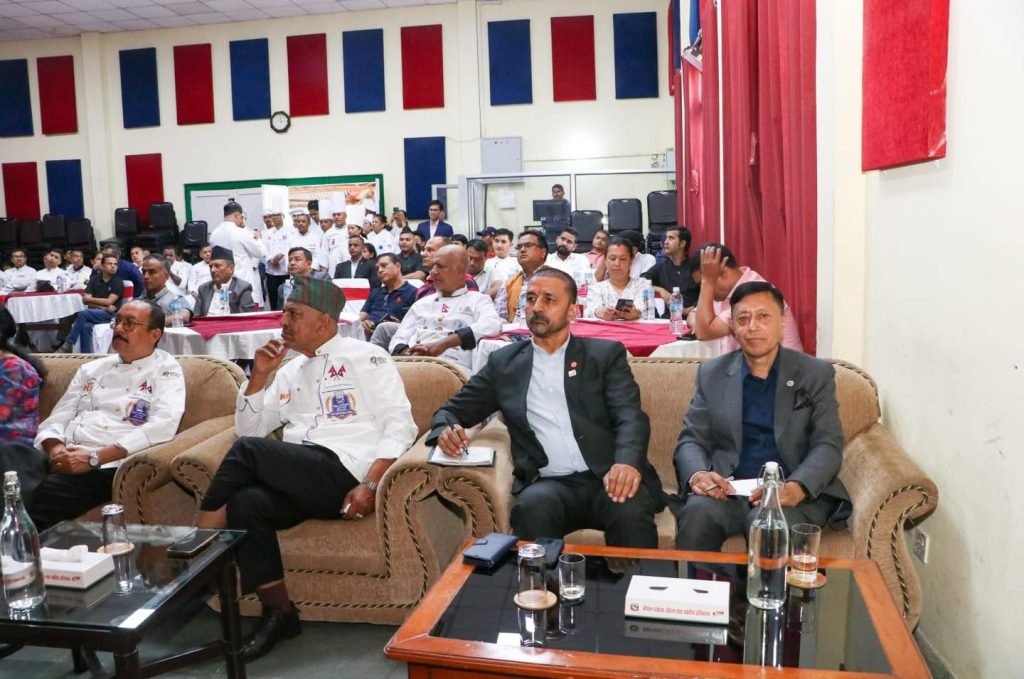
Hotels Encouraged to Include Gundruk in Menus
Representing the hotel sector, Kedar Pandey of Royal Tulip Kathmandu described the workshop as an important initiative for promoting indigenous Nepali food products. Pandey expressed commitment from the hotel sector to promoting Gundruk by incorporating it into hotel dishes and menus. He emphasized that hotels and restaurants can play an important role in increasing the visibility and acceptance of traditional Nepali foods among both domestic and international visitors. The wider adoption of Gundruk in hotel menus could also provide visitors with greater opportunities to experience authentic Nepali cuisine as part of their travel experience.
NATHM Sees Potential for Gundruk in Academic Curriculum
Divya Raj Pokharel, Executive Director and Principal of the Nepal Academy of Tourism and Hotel Management, highlighted the importance of introducing Gundruk more systematically through academic and professional hospitality education. Pokharel expressed the view that Gundruk could be incorporated into relevant academic and professional curricula, enabling students and future hospitality professionals to understand its cultural, nutritional and culinary importance. He noted that integrating indigenous food products into hospitality education could contribute to their preservation and wider promotion while helping future chefs and tourism professionals develop greater knowledge of Nepal’s traditional cuisine.
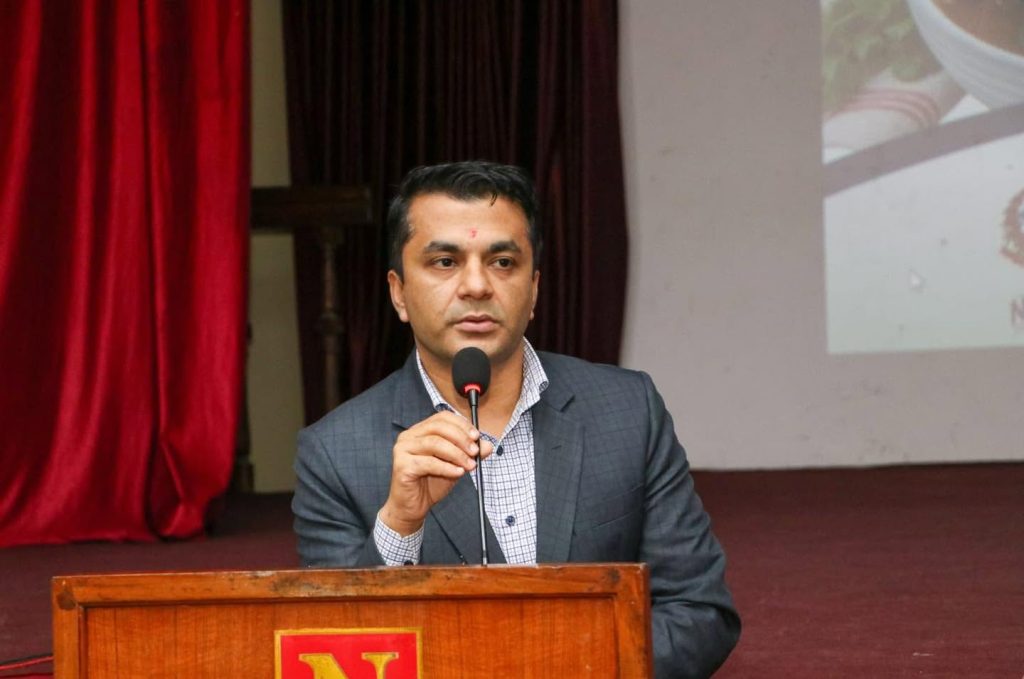
Tourism Department Calls for Greater Use of Authentic Nepali Dishes
The chief guest of the program, Ram Krishna Lamichhane, Director General of the Department of Tourism, encouraged hotels and tourism businesses to effectively implement provisions related to including authentic and indigenous Nepali dishes on their menus. Lamichhane called for greater incorporation of Gundruk and other traditional Nepali food products into hotel and tourism-sector menus.
He noted that promoting authentic Nepali cuisine could contribute to enriching the overall tourism experience by allowing visitors to experience the country’s food culture alongside its natural and cultural attractions. The integration of indigenous cuisine into tourism services could also help create greater demand for locally produced food products and strengthen the connection between tourism and local communities.
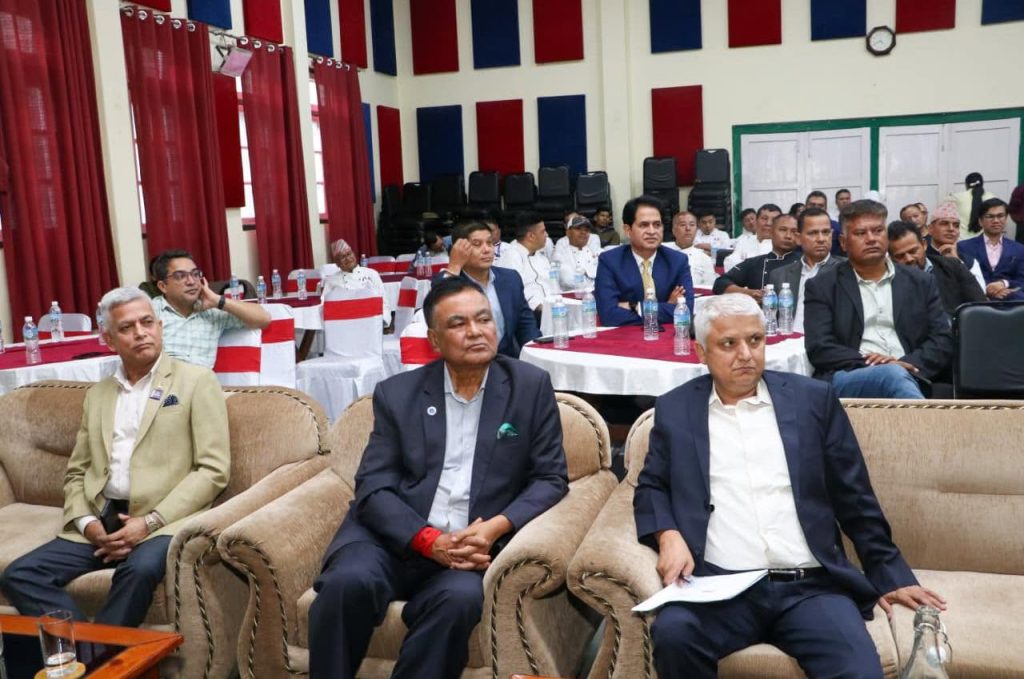
Tourism and Hospitality Leaders Highlight Gundruk’s Cultural Value
Other speakers at the workshop also highlighted the cultural and economic significance of Gundruk as an indigenous Nepali food product. Mohan Katuwal, Member of the CTEVT Council and Vice President of the Federation of Nepal Cottage and Small Industries; Sangharsha Bista, President of the Restaurant and Bar Association Nepal (REBAN); and Narendra Bhatt, President of the PATA Nepal Chapter, emphasized the importance of preserving and promoting Gundruk as part of Nepal’s culinary heritage.
Their remarks underlined the potential for collaboration among government agencies, hospitality businesses, educational institutions, food producers and tourism organizations to create a stronger ecosystem for the promotion and commercialization of indigenous Nepali foods.
HAN to Document Recommendations and Continue Stakeholder Coordination
Concluding the workshop, Sajan Shakya, General Secretary of Hotel Association Nepal, said that the key issues, suggestions and recommendations raised during the event would be documented and taken forward for implementation. Shakya said HAN would continue discussions and coordination with relevant stakeholders on matters related to Gundruk’s production, quality, food safety, preservation, commercial utilization and promotion within the tourism and hospitality sectors. He emphasized the importance of continued collaboration among stakeholders to translate the recommendations discussed at the workshop into practical initiatives.
Focus on Arogya Year 2027 and Promotion of Nepali Cuisine
Hotel Association Nepal stated that, with a focus on Arogya Year 2027, it will continue organizing initiatives aimed at promoting indigenous and authentic Nepali food products and encouraging a culture of healthy eating. The association said such initiatives are intended to contribute to the wider recognition of Nepali cuisine by strengthening the use and promotion of traditional food products in hotels, restaurants and tourism businesses.
The workshop also highlighted the broader opportunity to position indigenous Nepali foods as an important component of Nepal’s tourism offering. By improving quality, food safety, preservation, presentation and commercial availability, stakeholders believe traditional products such as Gundruk can gain greater visibility among both domestic consumers and international visitors. The initiative ultimately seeks to strengthen the identity of Nepali cuisine at both the national and international levels, while connecting traditional food heritage with the country’s growing tourism and hospitality industry.