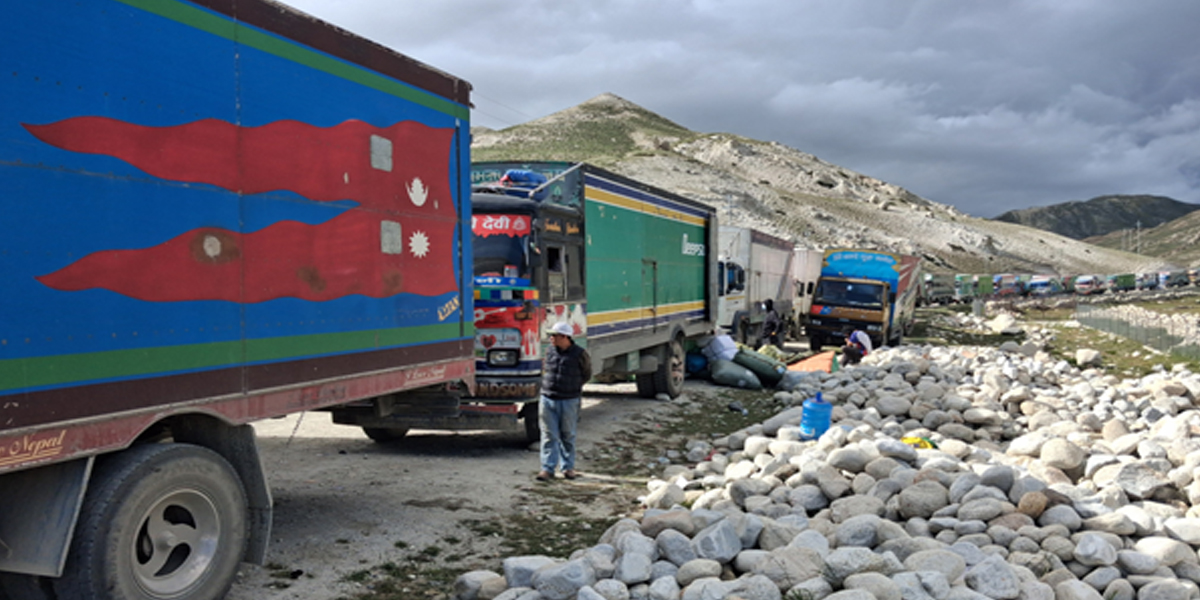
The reopening of the Beni–Jomsom route has re-established a crucial trade route to Mustang, easing the flow of goods and people to the Himalayan district while also giving a much-needed boost to tourism in the region. After the road was cleared, 173 lorries of goods imported from China via the Korala border gate left Mustang for destinations like Pokhara and Kathmandu. In addition, hundreds of other vehicles have also departed.
The road had been closed for nearly two weeks, leaving many goods stuck in Mustang. Its reopening is important not only for trade but also for tourism, as the route is an important thoroughfare for tourists traveling to Jomsom, Kagbeni, Muktinath, and other destinations in Mustang.

The Reopened Road Unifies Mustang and Facilitates Trade
Inspector and information officer at the District Police Office in Mustang, Santosh Basyal, stated that the road was cleared and opened on the evening of October 9. On the day of its reopening, 85 cargo containers had departed Jomsom, Mustang, while 88 cargo vehicles departed the following day, October 10, raising the number of containers to 173.
Meanwhile, according to the police post at Ghasa, Thasang rural municipality-4, which borders Myagdi and Jomsom, Mustang, 391 different kinds of vehicles left Mustang on the first two days following the reopening of the route.
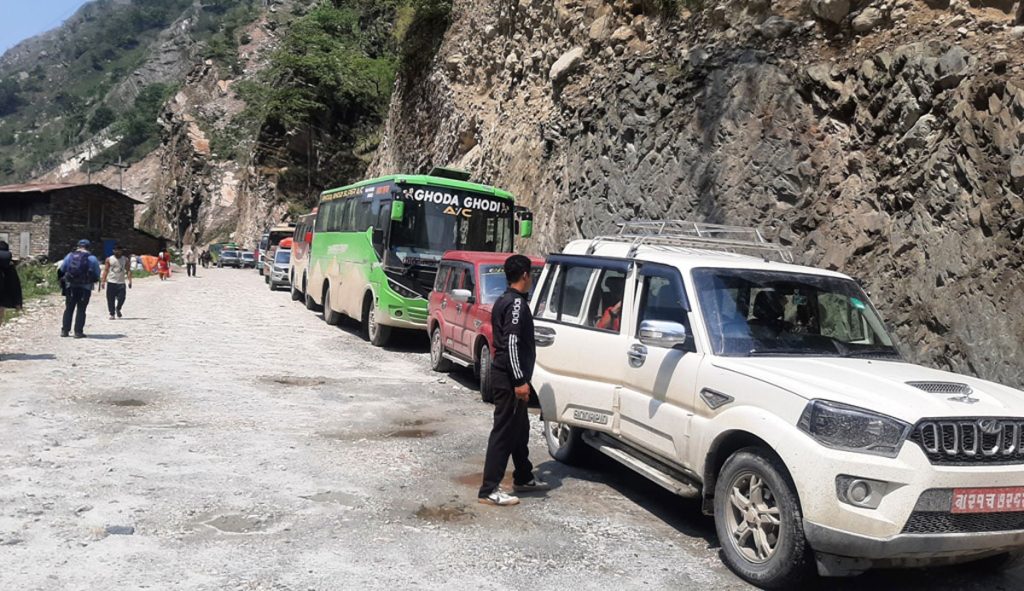
In addition to the 391 vehicles, more than 50 vehicles had departed Mustang as of the latest update. The reopening of the road is critical to tourism businesses, transportation firms, and tourists themselves, as it allows for unrestricted movement throughout the region. In addition, because of the vast number of people using the road, the closure resulted in restricted movement of goods and services to hotels, tourist sites, and other businesses in Mustang.
Reopened Road Good for Tourism Businesses
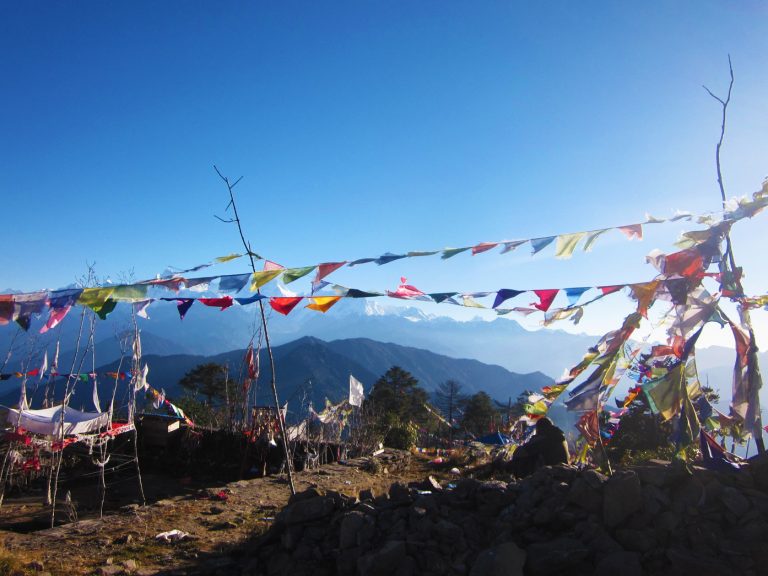
The Beni–Jomsom road traverses the most spectacular landscapes in Mustang, providing hikers, pilgrims, and mountain bikers with a spectacular view. Jomsom is a significant regional center for Muktinath Temple, Kagbeni, and other destinations in Mustang. It is a crucial route for both domestic and international visitors to Mustang. It is a crucial route for both domestic and international visitors to Mustang. The road’s reopening is critical to the region’s tourism-dependent economy, as it allows for greater connectivity and easier access to Mustang’s many attractions for road-trippers from Pokhara. While it will undoubtedly help tourism in Mustang, it is important to note that the road’s reopening does not indicate that the entire stretch is clear of danger.

Trade of Apples and Other Local Products Resumes
The reopening of the road has also allowed Mustang’s agriculture-dependent economy to resume normal operations. Locally-grown products may once again be transported to other parts of Nepal. Karma Gurung, owner of Chimle Apple Farm, stated that following the reopening of the road, apples from Mustang are being sent to market. Agriculture and tourism are vital industries in Mustang that provide inns, cafes, shops, transportation services, and farmers with a steady stream of income.
In addition to providing fresh fruit to local customers and catering to the region’s growing number of tourists, the transportation of both local and imported goods will undoubtedly contribute to the region’s thriving economy. Mustang’s economy will benefit from the resumption of regular trade and transportation because it will help connect the region to Nepal’s primary commercial and tourism hubs while also ensuring that essential items reach Mustang’s mountainous communities.