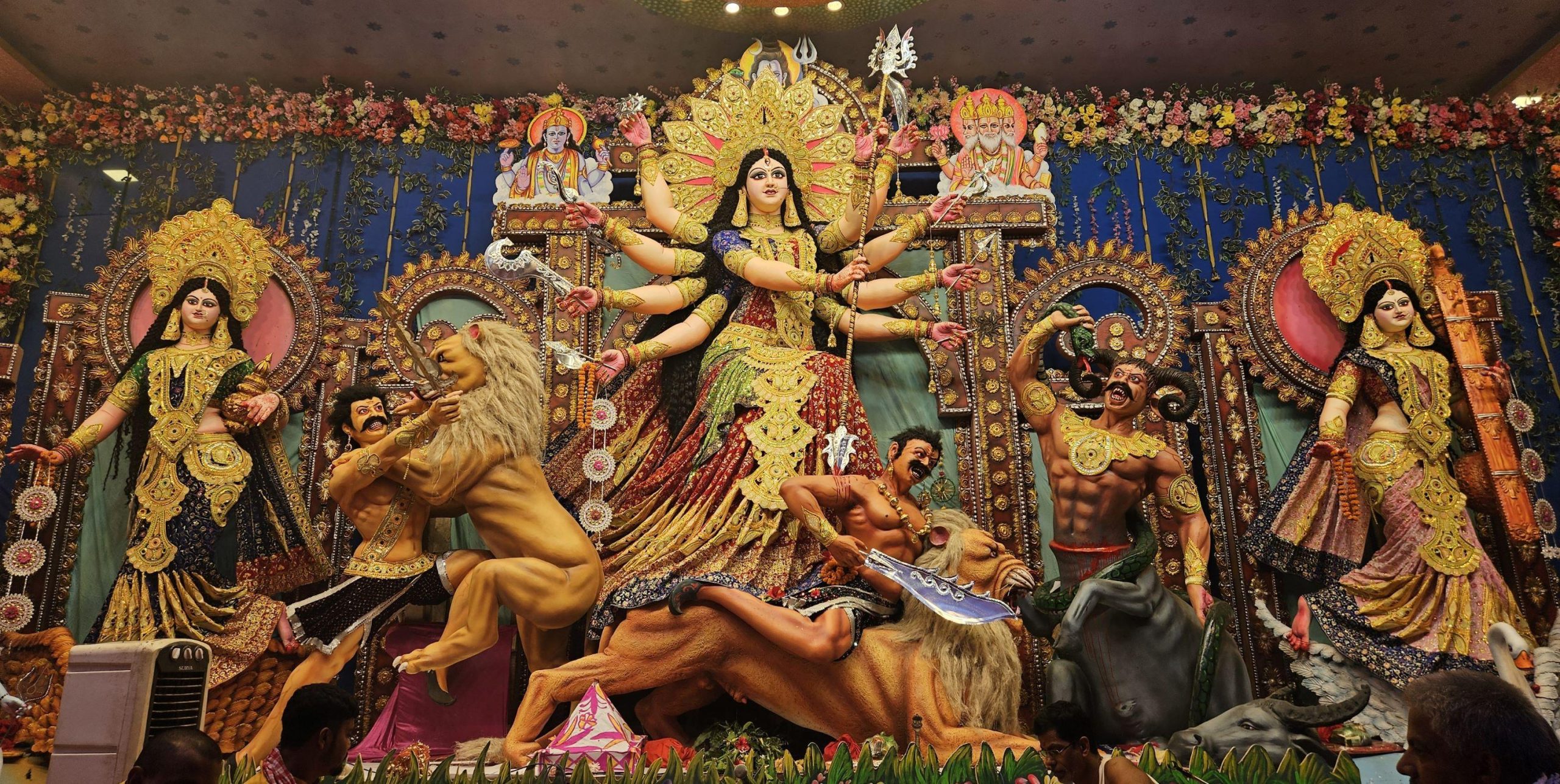
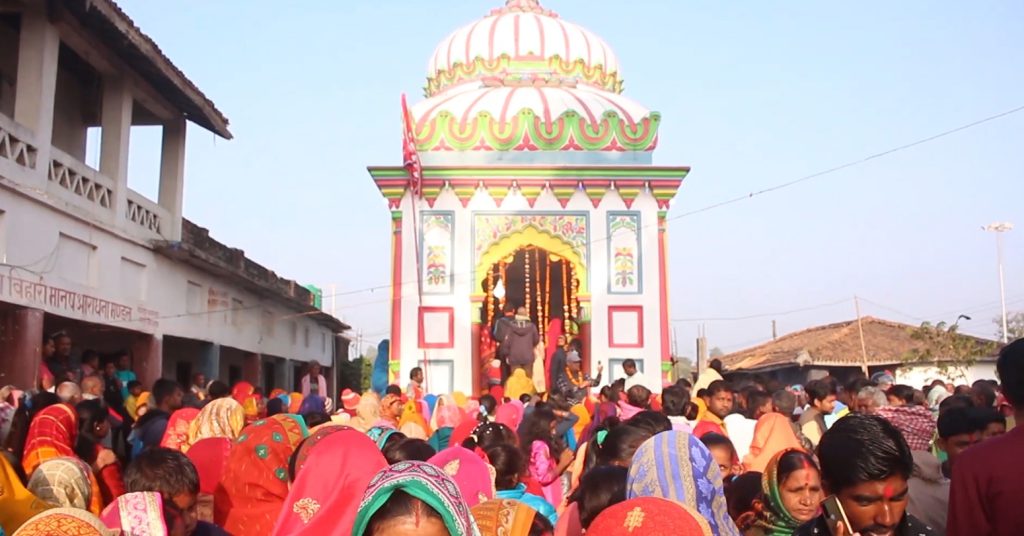
Navaratri celebrations are underway in Nepal’s Mithila region, unveiling the area’s centuries old traditions of Maithili religious music, dance. Community members are participating enthusiastically in the festival of Goddess Durga. Temples, markets. Throughout Mahottari and dozens of surrounding settlements, the Mithila region of south Nepal has been transformed into a land of celebration as people observe the nine night festival of Durga.
The Mithila region’s Navaratri traditions are an amazing display of the area’s rich culture. Locals are uniting to welcome the Goddess’s arrival with rituals, songs, and dances as part of the festival. While the focus is on the religious aspect, the rich cultural traditions on display make it a great opportunity to promote cultural tourism and experience the local culture.
Devotional Songs, Mithila’s Living Legacy of Religion
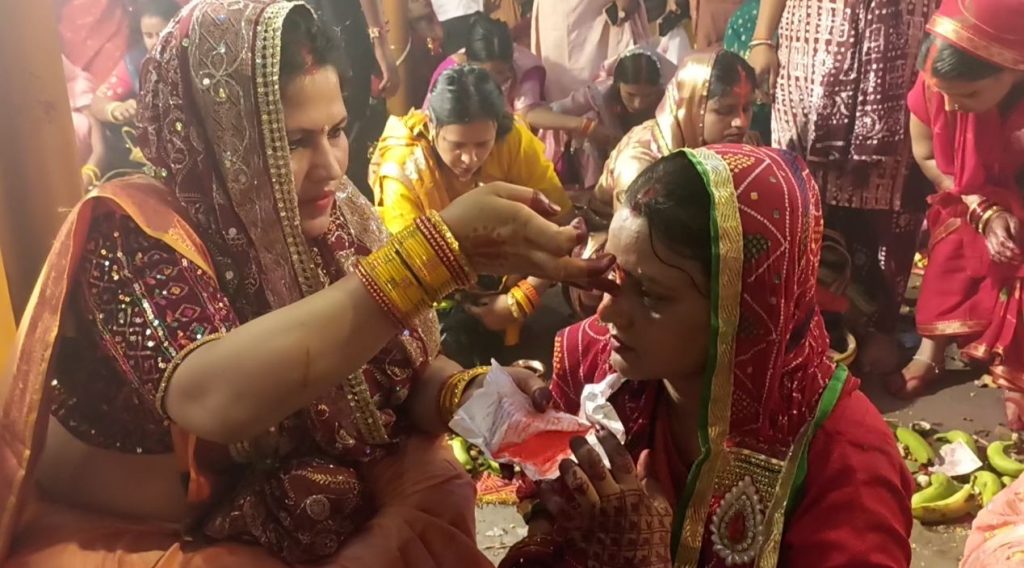
Maithili devotional songs dedicated to Goddess Durga have been echoing inside temples and public places across the state as part of the Navaratri festival. They invoke the power of the almighty to free the people from despair, greed, vanity, and bring them love, peace, and prosperity. In addition to expressing devotion to the Almighty, the songs reflect the underlying messages of the festival – unity, love, and peace. Dhruva Rai, a Maithili expert and former associate professor at Yajnavalkya Lakshminarayan Vidyapeeth in Matihani, has drawn attention to the messages of compassion embedded in these traditional songs.
According to Rai, traditional songs extolling the virtues of Goddess Durga and exhorting people to love all living creatures, spread peace, and destroy hatred are significant. He said that music lovers should know that these songs are an essential part of the Mithila culture. The themes of these songs reflect people’s values and aspirations.
Jhijhiya Dance, Community Spirit Enrich Festival Traditions
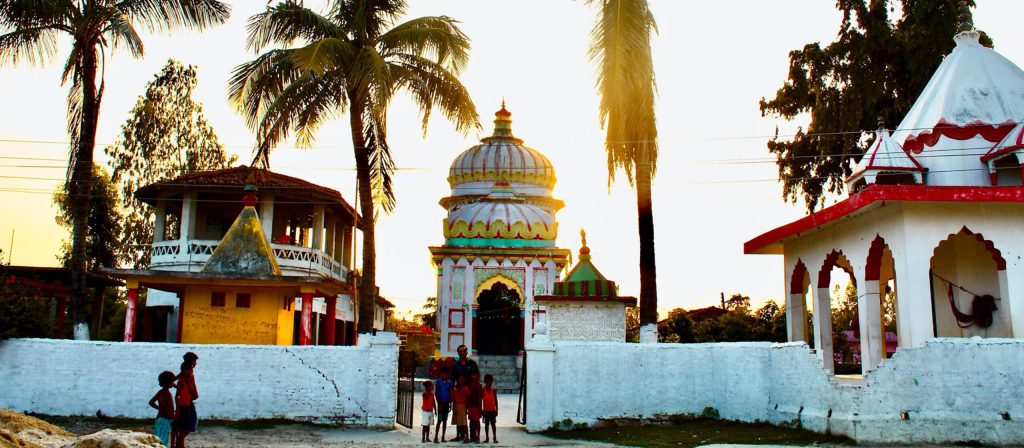
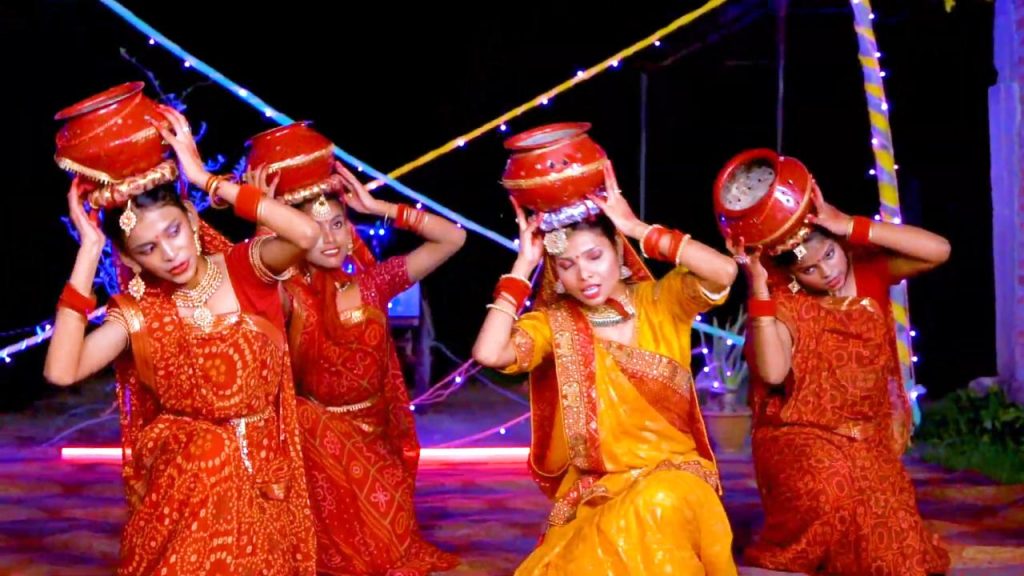
As part of the festival’s cultural programs, Durga devotional songs and Jhijhiya dance are being performed in most of the settlements under the district. Traditional cultural programs are being held in different places as part of the festival. This is an indicator of rich and vibrant culture, but to develop it as a tourism product, it has to be presented in a way that would appeal to tourists.
Community members are coming together to prepare for the festival by painting the houses and streets, decorating public places, and planting trees to welcome the festive season. Similar activities were reported in different parts of the district as people eagerly await the festival. It has become a tradition to spruce up the village before Dashain, Deepawali, and Chhath.
Navaratri’s Emphasis on Devotion, Discipline, and Purity Attract Pilgrims
It is an important time for all people of the region as the festival is an opportunity to reiterate faith in the almighty. Most people in Mithila go on a fast, only to eat certain fruits during the Navaratri. The festival emphasizes devotion, discipline, and purity. The festival’s deep-rooted belief revolves around the triumph of good over evil. According to the locals, Navaratri also instills a sense of devotion and piety in people. The festival is held across the state, with people participating with a sense of religiosity.
Birendra Jha, a 70 year old resident of Bardibas, said that fasting is an age old tradition in the Mithilachari people, especially during the autumn season when Navaratri, Deepawali, and Chhath are celebrated. The festival season is an important time for people of the state, as they participate in various religious and cultural activities and visit each other in fairs and festivals. Fasting during Navaratri promotes devotion and discipline among people, which in turn fosters family bonds and community relations.
Mithila’s Rich Traditions and Festivities Draw Focus on Cultural Tourism
The Mithila region’s unique melodic musical tradition and rich cultural history offer great potential to promote and develop cultural tourism. As the locals participated in the festivity and performed traditional dances and songs, tourists could interact with the local people and learn about their traditions and way of life. However, the reports do not mention an increase in tourist footfalls since the commencement of the festival.
The festival is considered one of the most important events in the cultural calendar of Mithila. Chandranarayan Singh Tharu, a former head teacher in a secondary school, said that the period between Dashain and Chhath is special in the cultural history of the Mithila region. The report stressed the need to popularize and promote the rich traditions of the Mithila community, which will, in turn, help in making the area a popular cultural tourism destination. There is no doubt that the locals hold the festival in high esteem, and the event is celebrated with great enthusiasm.
Source: RSS