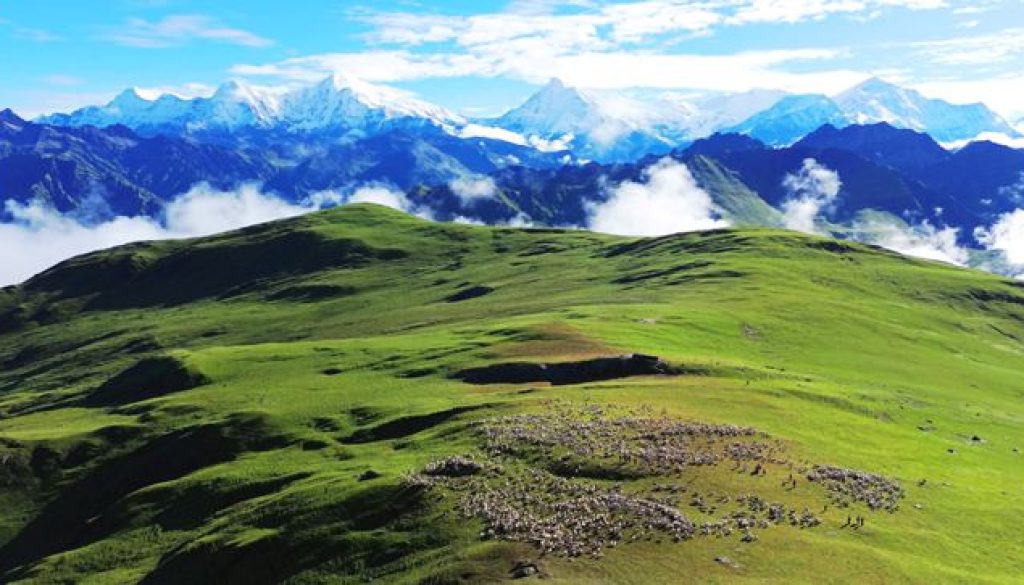
Dhorpatan Hunting Reserve, Nepal’s only hunting reserve, is preparing to conduct a fresh census of blue sheep (naur) and Himalayan tahr (jharal) across all seven hunting blocks to help determine future annual hunting quotas.
Census to Guide Hunting Quota
The reserve conducts a population census of naur and jharal every five years to support the scientific determination of hunting quotas. With the beginning of the second four-month period of the current fiscal year, preparations are underway to mobilize technical teams and reserve staff across all seven hunting blocks.
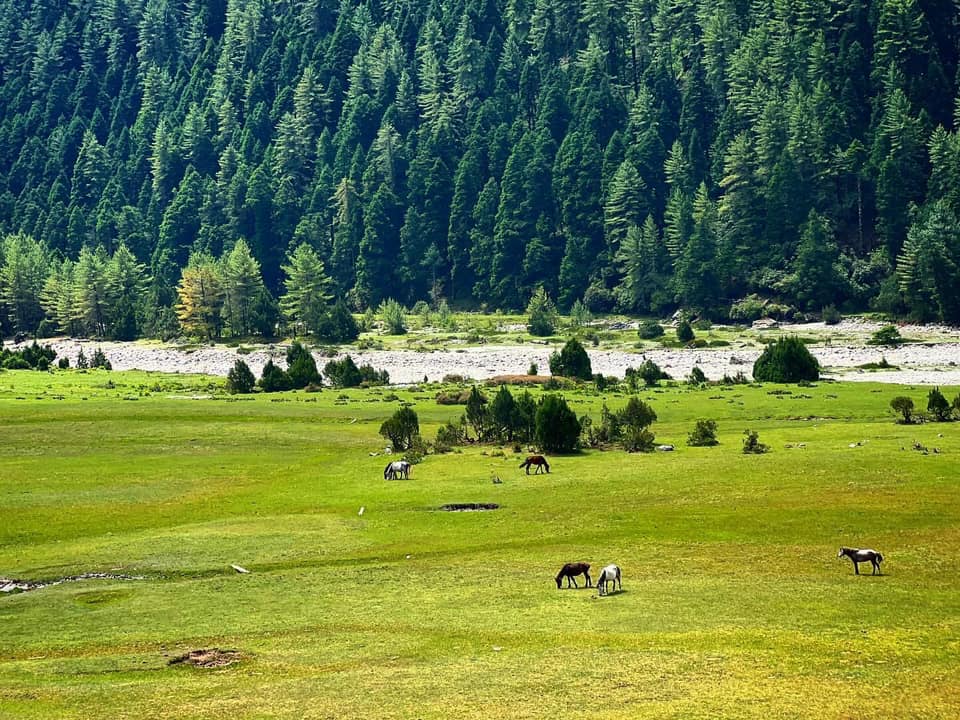
The census will use a direct head-counting method, according to the reserve office. The seven hunting blocks are Surtibang, Fagune, Barse, Seng, Dogadi, Ghustung and Sundah. Technicians, rangers, porters and local residents with experience in hunting-related activities will participate in the population survey.
Previous Census Recorded 1,290 Naur and 744 Jharal
The previous census, which was conducted in 2079 BS (2022) after being delayed by a year due to the COVID-19 pandemic, recorded 1,290 naur and 744 jharal in the reserve. The population figures, along with the age and sex composition of the animals, are used by the Department of National Parks and Wildlife Conservation to determine annual hunting quotas.
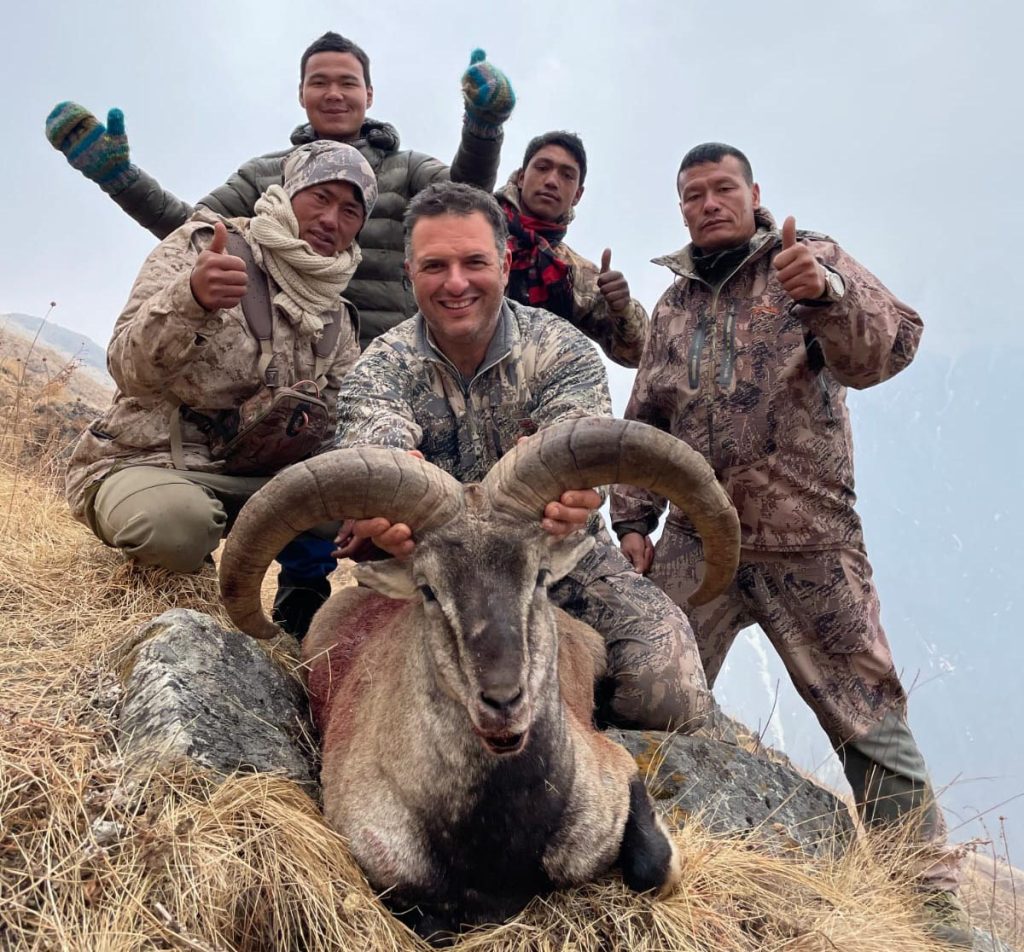
Ranger Sagar Subedi said the annual quota has generally ranged between 19 and 24 naur and 14 and 19 jharal in recent years. Following the previous census, the annual quota for naur was fixed at 20. “The hunting quota may be increased or reduced based on the results of this census,” Subedi said.
Census to Assess Adult Population and Breeding Structure
The upcoming census will provide information on the number of adult naur and jharal, the ratio of males to females, and the status of their young. The data will help authorities assess the population structure and determine a sustainable level of hunting in the reserve. The census is also expected to provide an updated basis for managing the wildlife population and regulating legal hunting activities.
Two Hunting Seasons Every Year
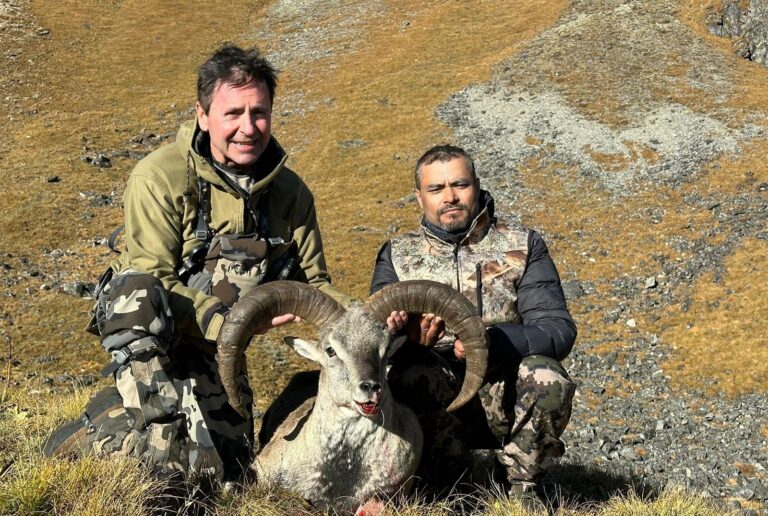
Naur and jharal are wild animals belonging to the goat family and are among the major species targeted under Dhorpatan’s regulated hunting programme. Legal hunting is permitted in Dhorpatan during two seasons each year: Ashoj to Mangsir and Falgun to Baisakh. The first hunting season of the current fiscal year has already begun. For the ongoing season, the reserve has allocated a quota of 10 naur and seven jharal for hunting.
Foreign Hunters Continue to Visit Dhorpatan
According to Chief Conservation Officer Ananath Baral, foreign hunters who have received hunting permits have started arriving in Nepal for the current season. Professional hunters from countries including the United States, Russia, Spain, South Africa, and Norway regularly visit Dhorpatan for regulated hunting. Dhorpatan has established a reputation internationally as a destination for legal and regulated mountain hunting. Foreign hunters often reach the reserve by helicopter to experience hunting and adventure tourism in the remote Himalayan landscape.
Hunting Revenue Supports Conservation
Revenue generated from legal hunting has become an important source of funding for wildlife conservation and management of the reserve. The upcoming census is therefore significant not only for determining hunting quotas but also for monitoring the population and demographic structure of naur and jharal and supporting the long-term management of Dhorpatan Hunting Reserve.