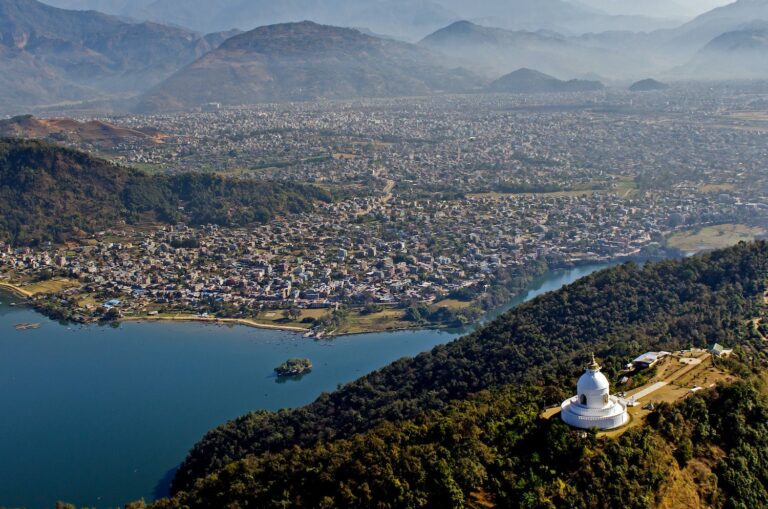
Pokhara celebrated its Dashain Tourism and Cultural Festival, bringing Nepal’s traditional festivities to the lakeside of Phewa Lake. Held at Barahighat in Pokhara 6 on the occasion of Sharada Purnima, the event aimed to connect Nepal’s cultural heritage with tourism and offer visitors a closer experience of the country’s traditions.
Organized by the Women Tourism Entrepreneurs Forum (WOTEF), the festival was held under the theme “Tika, Jamara and Kite Flying Celebrating Dashain with Tourists in Pokhara.” The initiative sought to extend Dashain celebrations beyond family gatherings by introducing domestic and international visitors to Nepal’s customs, traditional food, cultural practices, and festive lifestyle.
Foreign Tourists Experience Traditional Dashain Rituals
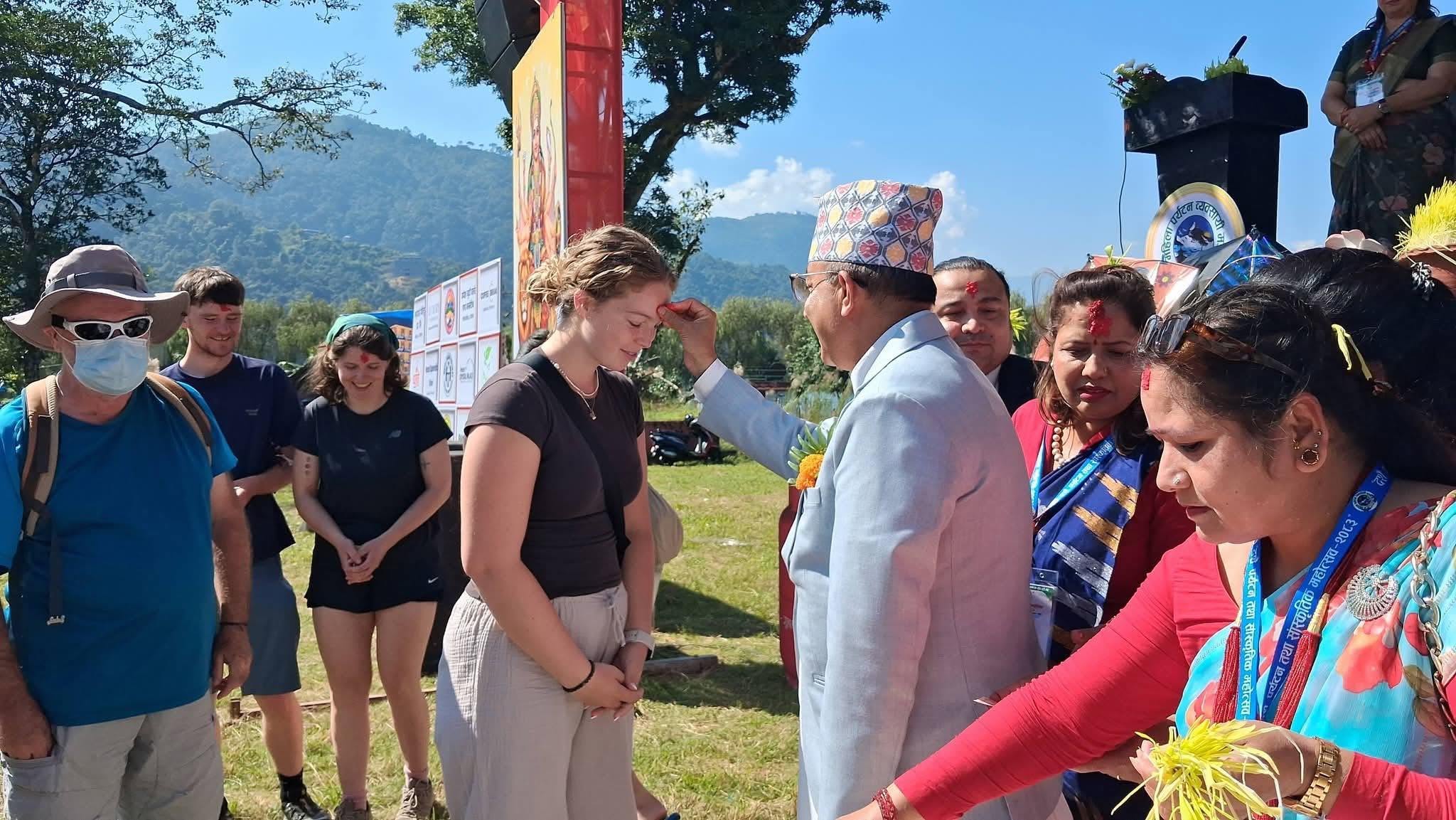
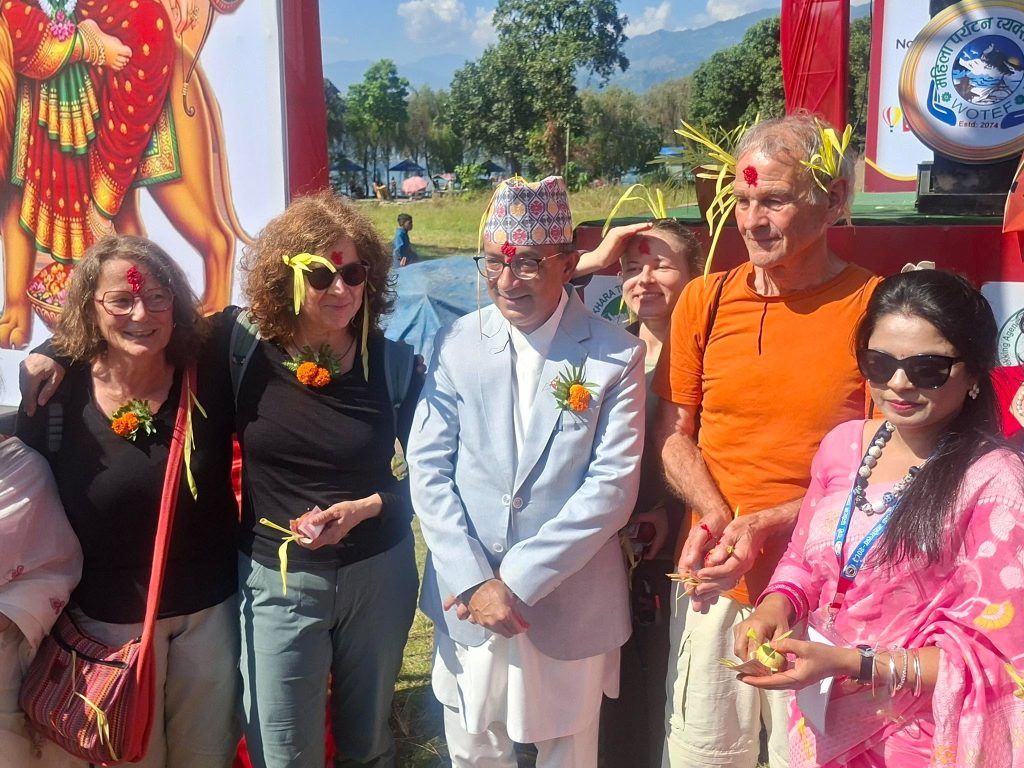
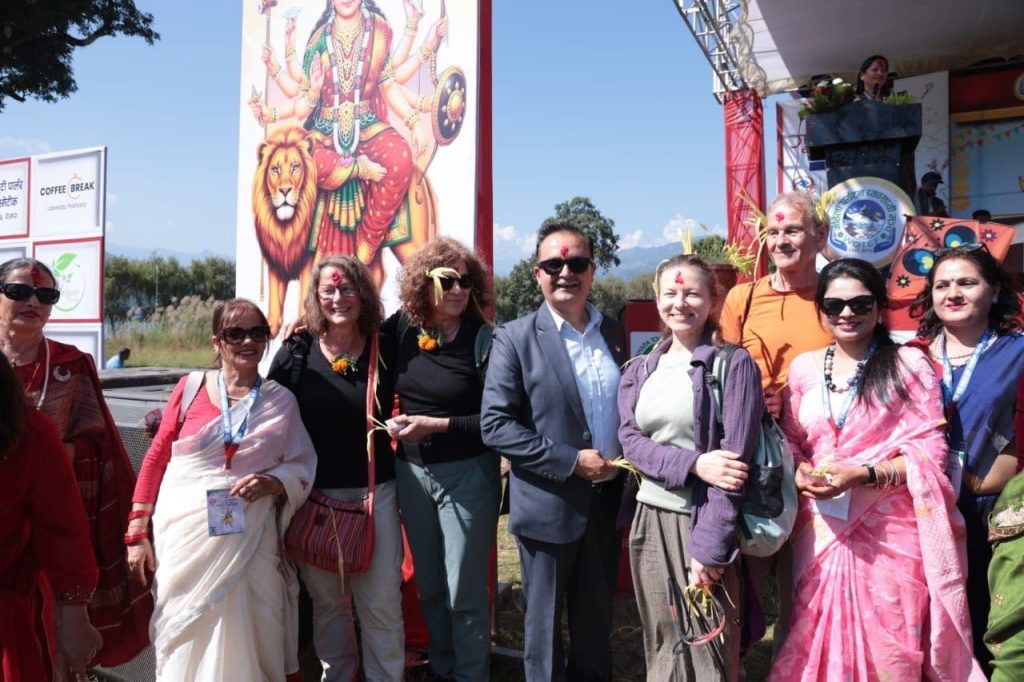
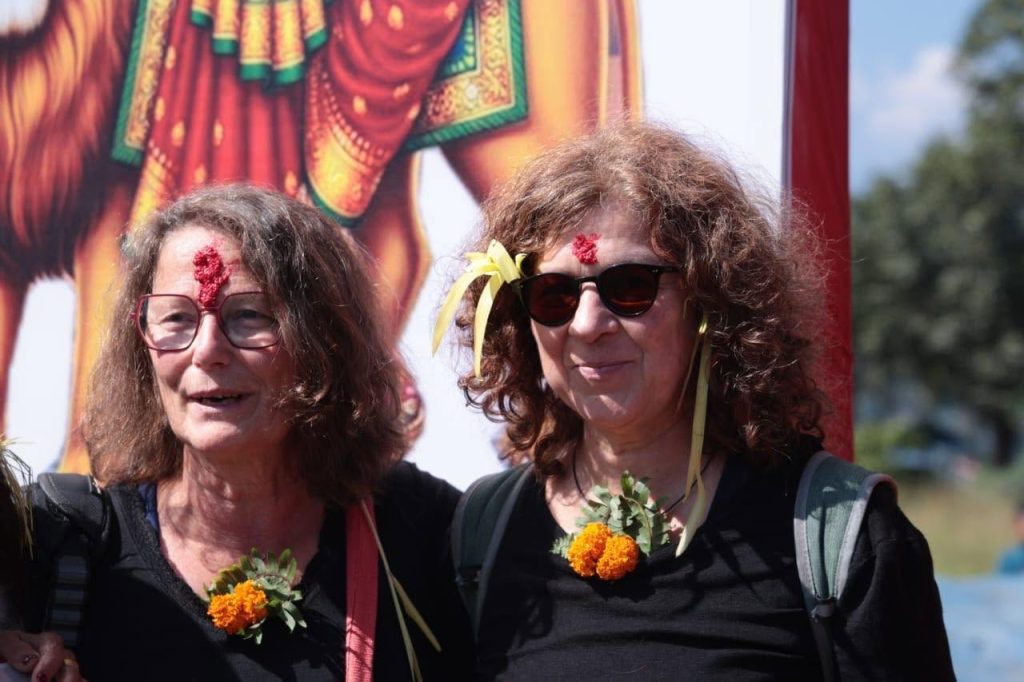
One of the festival’s main attractions was the opportunity for visitors to receive tika and jamara, two important symbols of Dashain. More than a dozen foreign tourists received tika and jamara from Pokhara Metropolitan City Mayor Dhana Raj Acharya, while hundreds of domestic visitors also participated in the celebration and received blessings.
The traditional ritual gave international visitors an opportunity to experience an important part of Nepal’s cultural and religious heritage firsthand. Some foreign tourists shared that the experience had deepened their emotional connection with Nepali culture and made their visit more memorable, highlighting the potential of cultural celebrations to create meaningful tourism experiences.
Cultural Performances and Traditional Activities Highlight Local Heritage
The festival featured cultural performances representing different ethnic groups and communities, showcasing Nepal’s rich cultural diversity. Traditional festive swings and other recreational activities added to the celebratory atmosphere, allowing visitors to experience activities associated with Nepal’s traditional festivals.
The event also highlighted traditional food, local products, handicrafts, cultural items, and tourism related businesses. These attractions provided visitors with opportunities to explore local lifestyles and traditions while creating a platform for local entrepreneurs and cultural groups to present their products and heritage to a wider audience.
Tourism Leaders Emphasize Cultural Promotion
Pokhara Tourism Council Chairperson Hari Bhujel described the festival as a positive initiative that connects Nepal’s traditional celebrations with tourism. He noted that incorporating cultural experiences into Pokhara’s tourism offerings could help promote the city’s heritage alongside its natural attractions and established adventure tourism activities.
WOTEF Chairperson Mamata Neupane highlighted the importance of allowing visitors to experience Pokhara beyond its scenic landscapes. Founding Chairperson Jamuna Parajuli also emphasized the festival’s role in showcasing the city’s cultural identity, while the organizers stressed the importance of cooperation among tourism businesses, local communities, and supporting institutions.
Women Entrepreneurs Strengthen Pokhara’s Cultural Tourism Appeal
The festival reflects WOTEF’s continued efforts to strengthen women’s participation and leadership in Pokhara’s tourism industry. By bringing cultural traditions, local products, community participation, and visitor experiences together, the organization aims to create opportunities for women entrepreneurs and other local businesses while promoting Nepal’s cultural identity.
Supported by tourism organizations and local stakeholders, the event adds a cultural dimension to Pokhara’s tourism offerings. By presenting Dashain as an experience that visitors can participate in rather than simply observe, the festival demonstrates how Nepal’s traditional celebrations can encourage cultural exchange, support local communities, and enhance Pokhara’s appeal as a destination for both domestic and international travellers.