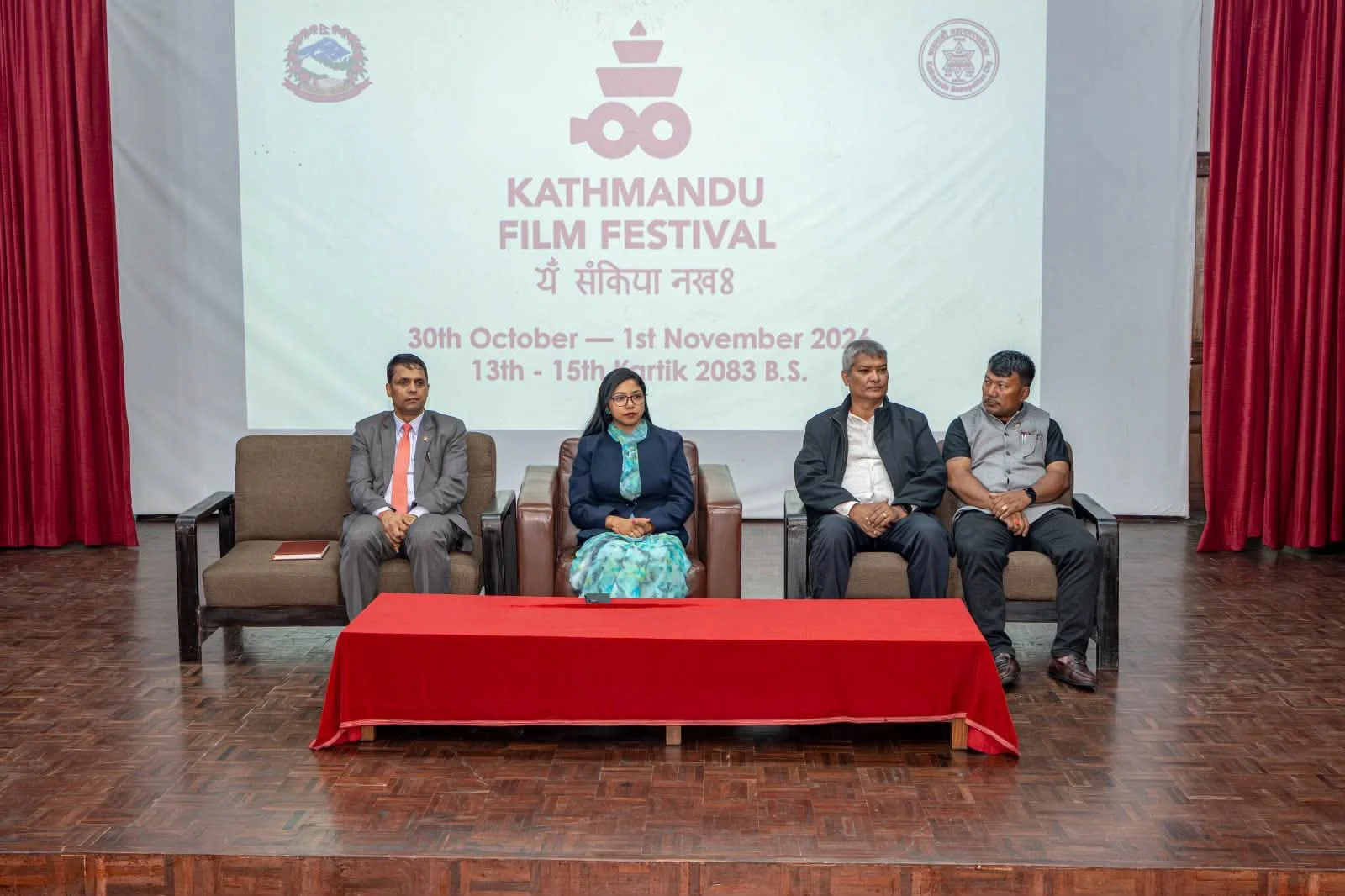
Kathmandu Metropolitan City is planning to promote the cultural identity, traditional practices, and historical heritage of Kathmandu to an international audience through the Kathmandu Film Festival 2083. Acting Mayor Sunita Dangol has emphasized the importance of introducing the city’s tangible and intangible cultural heritage to the world and using cultural events to strengthen Kathmandu’s international recognition.
The festival is scheduled to take place from Kartik 13 to 15, 2083, bringing together filmmakers, film professionals, and cultural personalities from Nepal and abroad. With international guests expected to participate and film screenings planned for audiences, the event aims to create a platform for cultural exchange and highlight Kathmandu’s distinctive identity.
Kathmandu Film Festival to Showcase Local Culture
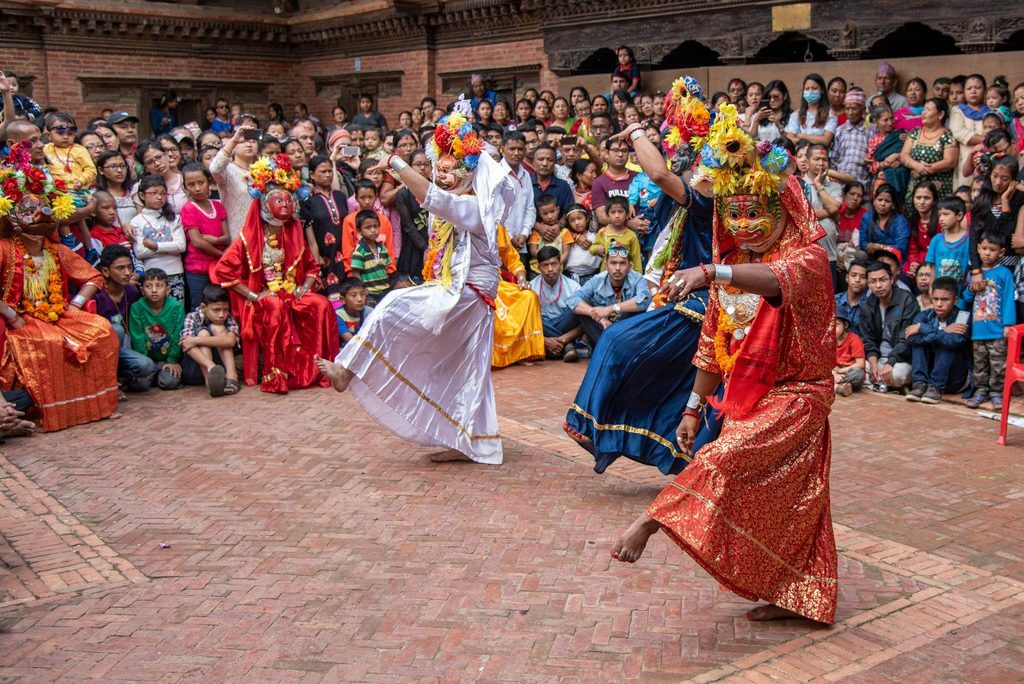
The Kathmandu Film Festival 2083 is being organised as an opportunity to present Nepal’s cultural richness and local stories to a wider audience. According to Acting Mayor Sunita Dangol, Kathmandu has a unique cultural identity shaped by its historic monuments, traditional settlements, festivals, customs, languages, and artistic practices. Promoting these cultural assets internationally is important for strengthening the city’s image and helping more people understand its heritage.
The festival is expected to bring Nepali and international films to local audiences, creating opportunities to explore different societies, traditions, and perspectives through cinema. By presenting films that reflect cultural experiences and social realities, the event can help audiences appreciate the diversity of communities in Nepal and other countries.
Acting Mayor Highlights the Importance of Cultural Promotion
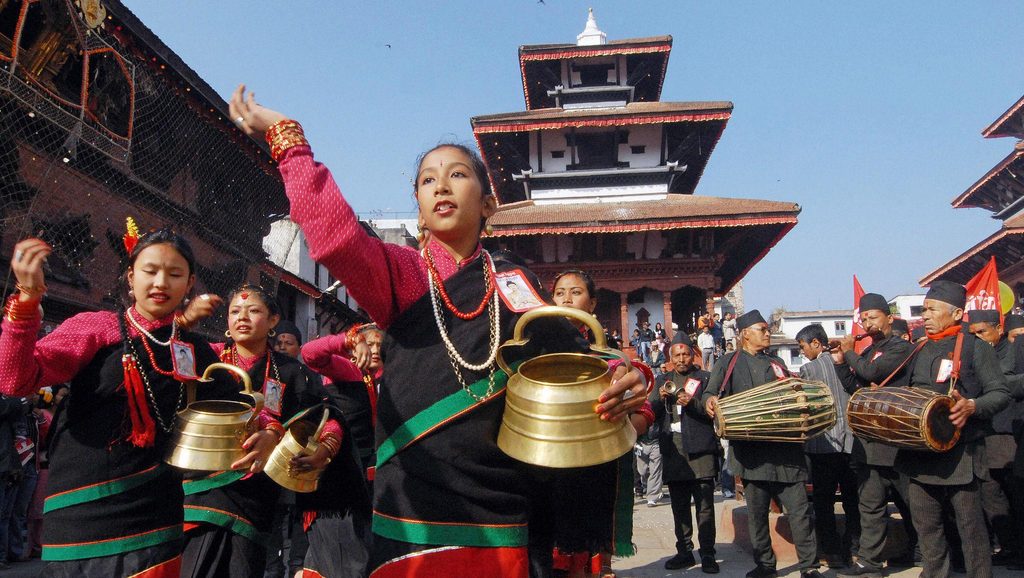
Acting Mayor Sunita Dangol has stressed the need to introduce Kathmandu’s traditions, customs, and cultural heritage to the international community. The city’s cultural identity extends beyond its well-known historical monuments and includes traditional knowledge, festivals, rituals, craftsmanship, and community practices that have been preserved across generations. Her emphasis on cultural promotion reflects the importance of protecting local heritage while making it more accessible to international audiences.
Cultural events such as film festivals can help communicate the stories behind historical places and traditional practices, allowing people to develop a deeper understanding of Kathmandu’s history and way of life. Promoting local culture internationally may also create opportunities for cooperation among artists, filmmakers, cultural organisations, and tourism stakeholders. Such initiatives can strengthen Kathmandu’s position as a destination known not only for its historic sites but also for its living culture and creative industries.
International Film Personalities Expected to Participate
The festival is expected to welcome several well-known personalities from the international film industry, adding an international dimension to the event. Among the announced guests are Indian actress Shabana Azmi, film scholar and festival expert Professor Marco Muller, Japanese director Takayuki Nakamura, and Indian film programmer Deepti D’Cunha. Their participation is expected to provide opportunities for interaction between Nepali and international film professionals.
Events of this nature can encourage discussions about filmmaking, storytelling, cultural representation, and the role of cinema in connecting communities across national borders. The presence of international guests may also help draw attention to Nepal’s film sector and create opportunities for Nepali filmmakers to exchange ideas and establish professional connections. Such engagement can contribute to the development of the local creative industry and increase international awareness of Nepal’s cultural and artistic activities.
Free Film Screenings for the Public
The festival will offer free film screenings, allowing members of the public to participate in the event without paying an admission fee. Films from several countries are expected to be screened, providing audiences with opportunities to experience a variety of cinematic styles, cultural backgrounds, and storytelling traditions. Nepali films, including Kumari and Ke Ghar Ke Dera, are among the titles mentioned in connection with the festival.
Their inclusion will help bring Nepali cinema into the wider programme while giving audiences an opportunity to engage with stories and experiences from their own society. Free screenings can make cultural events more accessible to students, young audiences, film enthusiasts, and the general public. They also help encourage wider participation in artistic activities and create a shared space for cultural exchange.
Film Festivals Can Strengthen Cultural Tourism
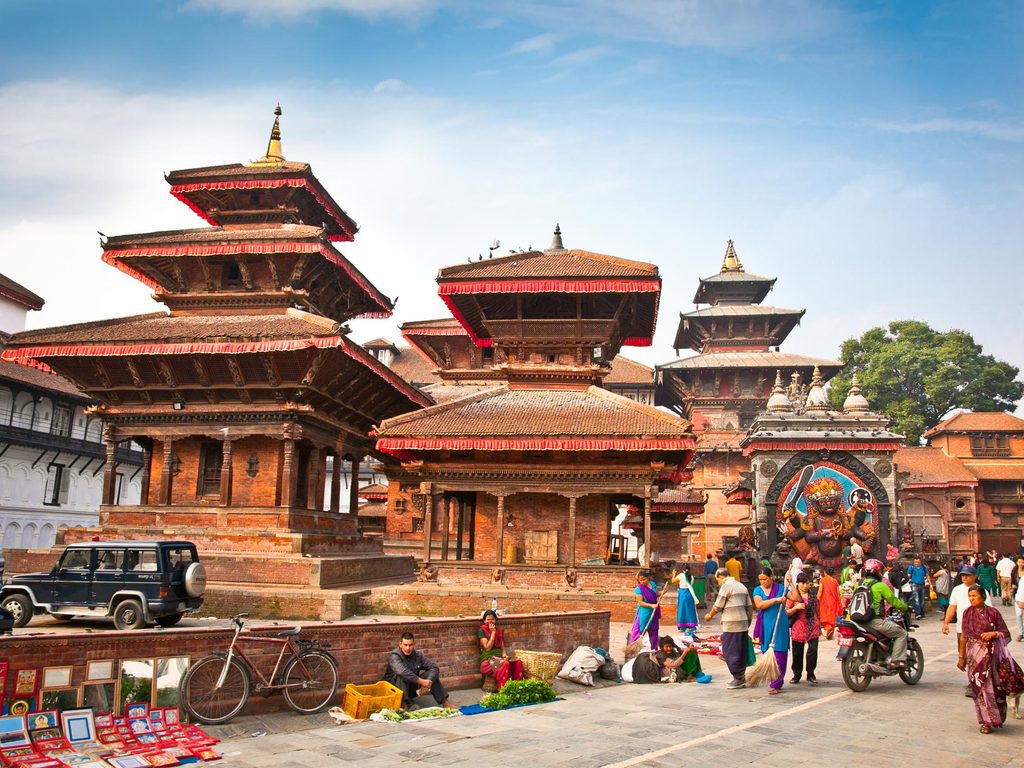
The Kathmandu Film Festival has potential significance for cultural tourism because it connects the city’s heritage with contemporary art and international cultural exchange. Kathmandu is already known for its historic temples, traditional architecture, religious sites, festivals, and cultural practices. A film festival that attracts international guests and presents Nepal’s stories can complement these existing attractions by offering visitors another way to experience the city.
International filmmakers, artists, and festival participants may explore Kathmandu’s cultural sites during their visits, while festival coverage can introduce the city to audiences who may not previously have considered travelling to Nepal. Films that feature local locations, traditions, and communities can also increase interest in the places and cultures they portray. However, the festival’s direct tourism impact will depend on factors such as international attendance, visitor spending, promotional reach, and whether participants extend their stays to explore the city. Coordinating cultural events with heritage tours, local experiences, and tourism services could help strengthen these connections.
Preserving Tangible and Intangible Heritage
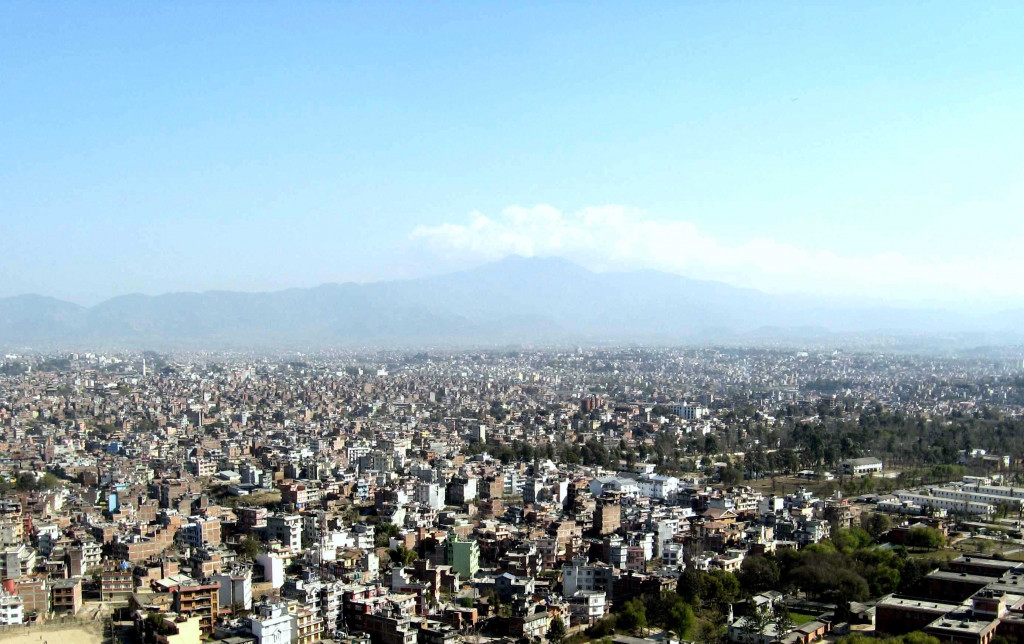
Kathmandu’s cultural heritage includes both tangible assets, such as historic buildings, monuments, temples, and traditional settlements, and intangible elements, such as festivals, rituals, music, languages, craftsmanship, and oral traditions. Both forms of heritage contribute to the city’s distinctive identity and are important to its cultural and tourism appeal. Promoting these assets through cinema and international events can help communicate their value to new audiences.
At the same time, cultural promotion needs to be accompanied by efforts to preserve heritage sites, support traditional communities, and ensure that local customs are represented respectfully. By connecting heritage preservation with contemporary cultural platforms, Kathmandu can encourage greater public interest in its traditions while creating opportunities for artists and cultural practitioners to share their work.
An Opportunity to Raise Kathmandu’s International Profile
The Kathmandu Film Festival 2083 offers an opportunity to bring Nepali cinema, local stories, and Kathmandu’s cultural identity to a wider international audience. Its programme of film screenings and participation by international personalities can support cultural exchange while creating greater visibility for Nepal’s creative sector. For Kathmandu, the event may also contribute to destination promotion by encouraging visitors and international audiences to learn more about the city’s history, traditions, and cultural experiences.
Continued cooperation among the metropolitan city, filmmakers, cultural organisations, and tourism stakeholders could help turn such events into stronger platforms for cultural engagement and tourism promotion. Through initiatives that connect cinema with heritage, Kathmandu can continue presenting its cultural identity to the world while encouraging appreciation of the traditions and communities that make the city distinctive.