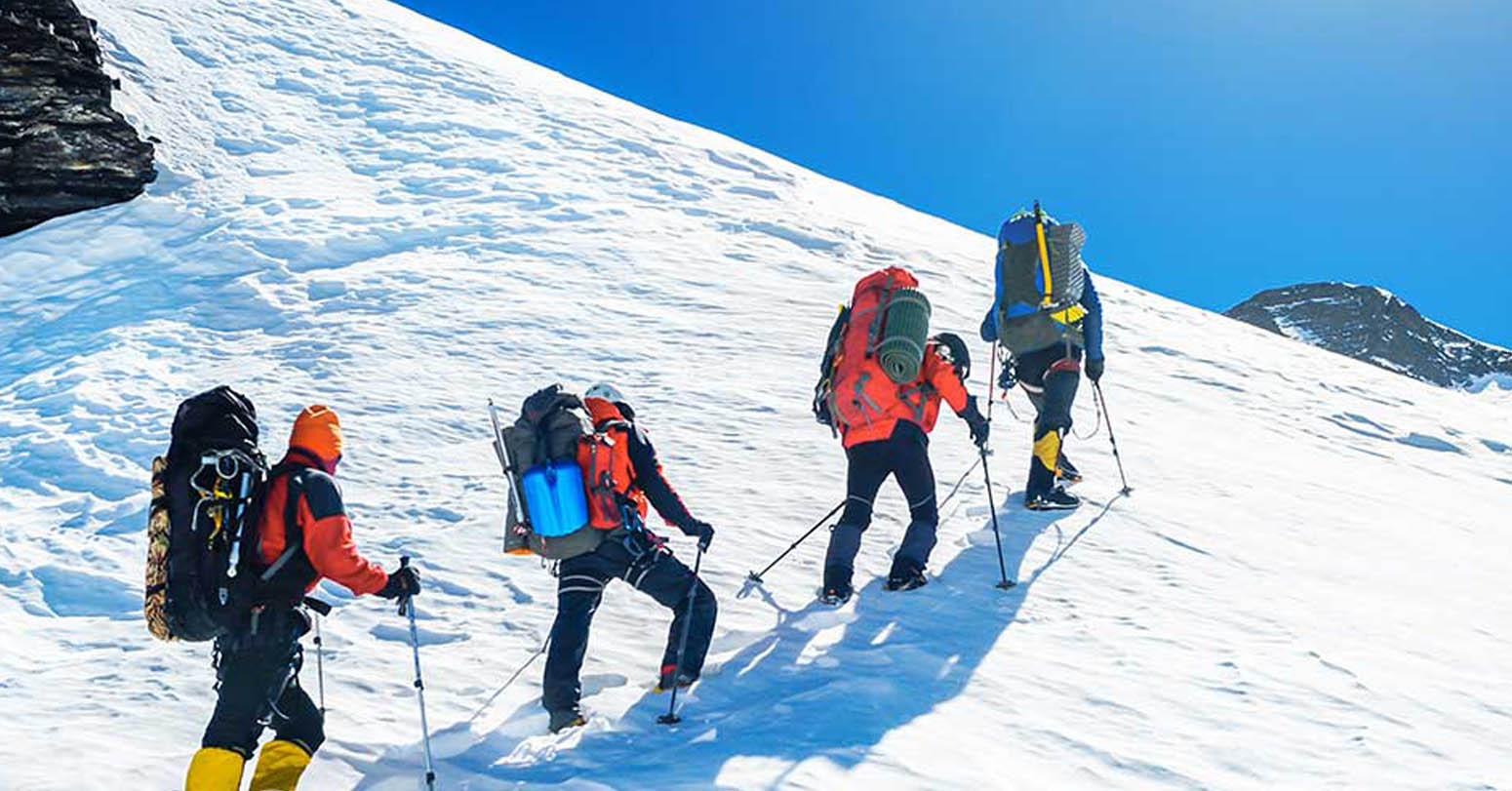
Authorities have urged tourists and trekkers to avoid travel to Nepal’s high-hill and Himalayan regions from October 29 to 31, 2026, amid forecasts of heavy snowfall, snowstorms and possible avalanches. The warning comes as Cyclone Arnab, developing over the Bay of Bengal, is expected to influence weather conditions across several parts of Nepal.
The National Disaster Risk Reduction and Management Authority (NDRRMA) has called on the public to remain vigilant and avoid unnecessary journeys to high-altitude destinations during the forecast period. The advisory is particularly relevant to trekkers, mountaineers, trekking agencies, guides and other tourism professionals operating in mountain regions.
Trekking Permits Suspended in Restricted Areas
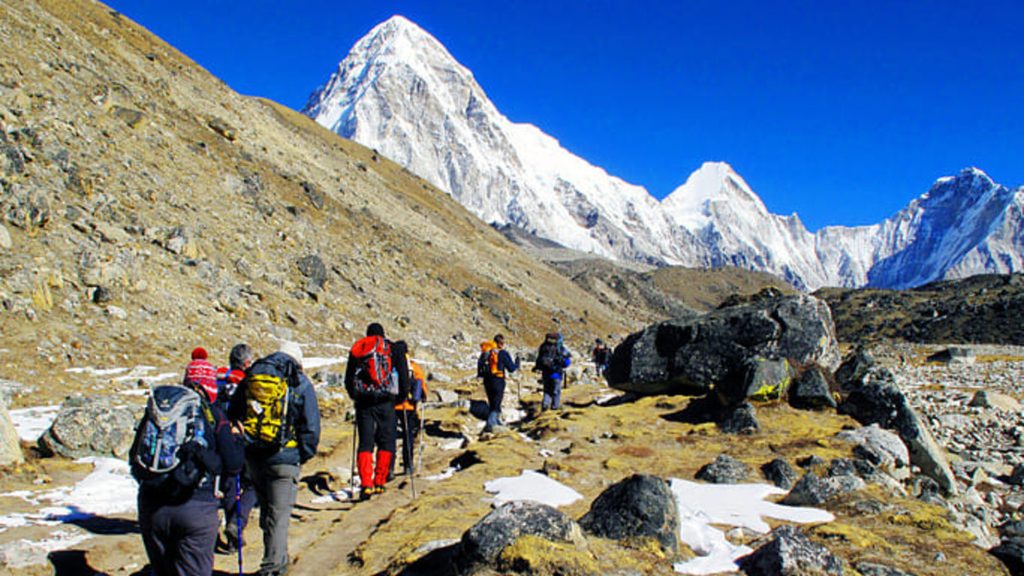
The Department of Immigration has announced that trekking permits for restricted areas in the high-hill and Himalayan regions will not be issued for the affected period as a precautionary measure. Trekkers who have already entered these areas have been advised to remain in safe locations and avoid trekking while hazardous weather conditions persist.
Trekking agencies, guides and other tourism stakeholders have also been urged to follow official safety instructions and inform their clients about the potential risks. The precautionary measures aim to protect visitors and tourism workers from dangerous weather conditions and reduce the possibility of accidents in remote mountain areas.
Mustang Authorities Warn Against High-Altitude Travel
Authorities in Mustang have separately advised tourists and trekkers to avoid high-altitude travel from October 29 to 31. The Mustang District Administration Office and Lomanthang Rural Municipality have warned of possible rainfall, thunderstorms, lightning and strong winds, alongside heavy snowfall and avalanche risks in higher Himalayan areas.
Mustang Chief District Officer Parshuram Pokharel has warned that falling temperatures and possible landslides could disrupt road and air transport. Lomanthang Rural Municipality has also raised concerns about conditions around the Korala border point. Rural municipality chairperson Tasi Nharbu Gurung has urged transport operators, drivers, traders and tourists to avoid travelling towards the border area, as snowfall could make roads slippery, increase accident risks and block access.
Adverse Weather Forecast Across Several Provinces
According to the NDRRMA, the approaching weather system could bring moderate rainfall to parts of Koshi, Madhesh, Bagmati, Gandaki and Lumbini provinces, with heavy rainfall possible in some locations. Rainfall is also forecast in parts of Karnali and Sudurpashchim provinces.
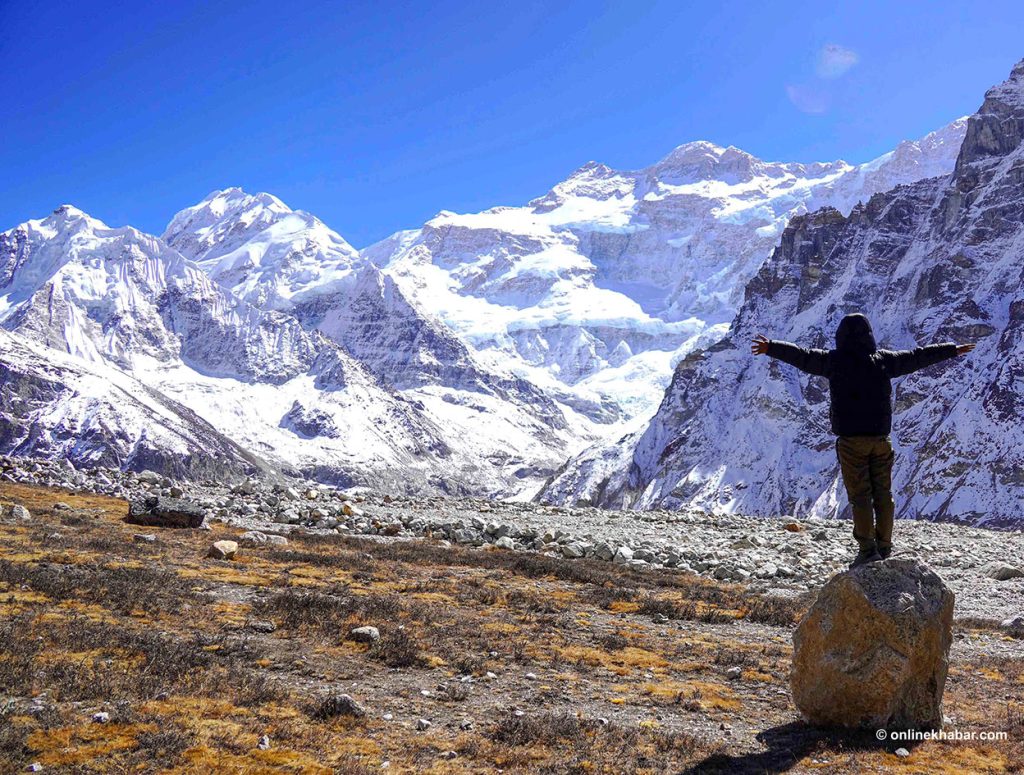
High-hill and Himalayan areas face additional risks from heavy snowfall, snowstorms and possible avalanches. These conditions could make trekking trails hazardous and increase the likelihood of landslides, road blockages and transport disruptions. Travellers have been advised to monitor official weather forecasts and follow instructions issued by local administrations and relevant authorities.
Trekking Agencies Urged to Prioritise Tourist Safety
The advisory has important implications for Nepal’s trekking and adventure tourism industry, particularly in destinations where visitors depend on remote trails, high-altitude routes and limited transport networks. Trekking agencies have been urged to inform clients, guides and support staff about the weather risks and to reconsider itineraries during the warning period. Travellers already in mountain regions should follow local safety instructions, avoid exposed or dangerous routes and move to safer locations when necessary.
Tourism operators should also exercise caution around landslide-prone areas, river corridors and temporary bridges, particularly where infrastructure may have been weakened by previous damage. Although the precautionary measures may disrupt trekking itineraries, postponing journeys during hazardous weather can help prevent emergencies and reduce pressure on rescue and emergency-response services.
Tourists Advised to Follow Official Updates
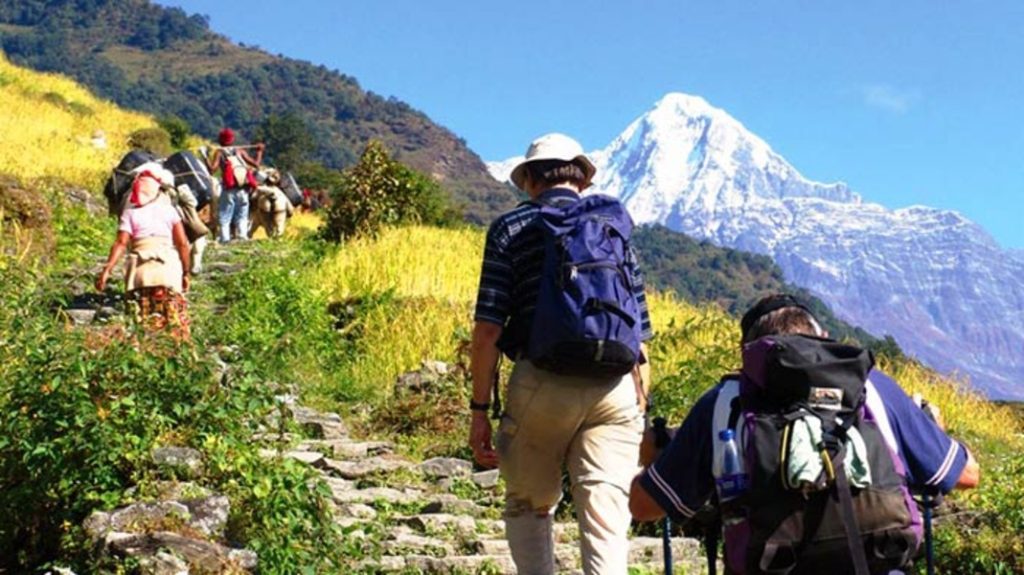
Domestic and international visitors planning treks or mountain excursions have been advised to remain in contact with trekking agencies, guides and accommodation providers before travelling. Those already in affected areas should avoid routes exposed to snow, landslides and severe weather until local authorities confirm that conditions are safe. The warning highlights the importance of responsible travel planning, reliable weather information and coordination among government agencies, tourism businesses and local communities.
Nepal’s Himalayan landscapes remain a major attraction for adventure travellers, but sudden weather changes can pose serious risks, particularly in remote areas with limited access to transport, communication and emergency assistance. Authorities have urged tourists, trekking operators and local communities to remain alert and follow official instructions throughout the October 29–31 warning period.