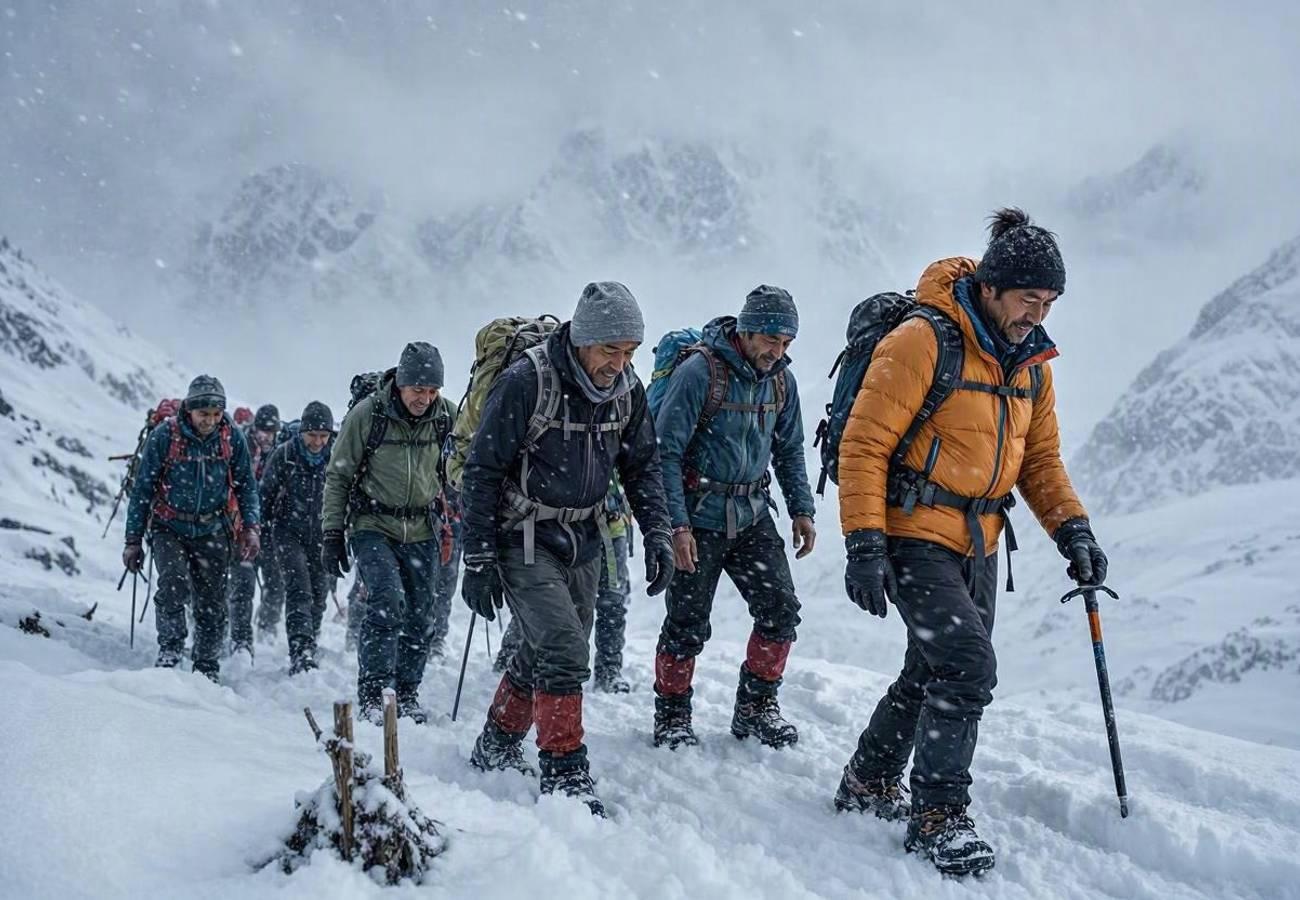
Nepal’s autumn mountaineering season faces fresh challenges as Cyclone Arnab brings forecasts of heavy snowfall across major Himalayan destinations, potentially affecting climbing schedules, trekking activities and tourism operations. The Khumbu, Kanchenjunga, Annapurna and Manaslu regions are among the areas expected to experience significant snowfall through Saturday, raising safety concerns for climbers, trekking guides and visitors travelling in high altitude areas.
According to a report published by Everest Chronicle on October 29, snowfall could reach 50 centimetres in Khumbu and Kanchenjunga, while the Annapurna and Manaslu ranges may receive 20-40 centimetres. The forecast comes during Nepal’s busy autumn climbing season, when mountain tourism supports expedition operators, trekking agencies, guides and other local businesses.
Heavy Snowfall Forecast in Major Climbing Destinations
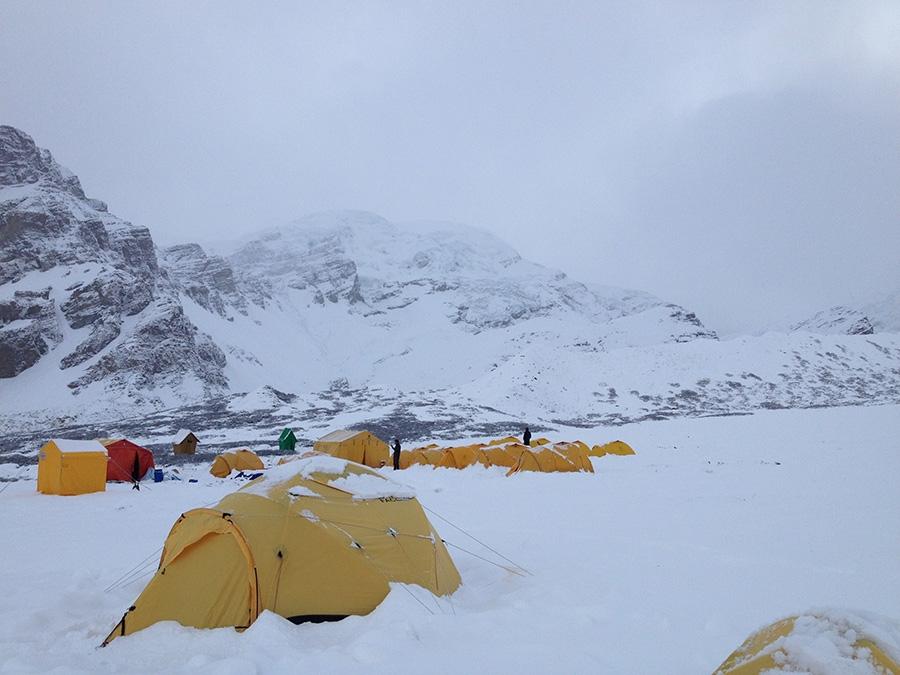
Senior mountain meteorologist Krishna Bhakta Manandhar said the Khumbu and Kanchenjunga regions could receive up to 50 centimetres of snow. The Annapurna and Manaslu ranges are forecast to receive 20-40 centimetres, while areas west of Dhaulagiri may receive around 20-30 centimetres. The snowfall could make mountain trails more difficult to navigate and create additional risks for trekking and mountaineering teams.
Snowfall in Khumbu and Kanchenjunga is forecast from Thursday afternoon through Friday night, potentially extending into Saturday. The Annapurna and Manaslu ranges could experience snowfall from Thursday night until Saturday morning. These conditions may affect planned itineraries and require tourism operators to reassess journeys based on updated weather forecasts and local safety advice.
Ama Dablam and Himlung Himal Expeditions Under Weather Pressure
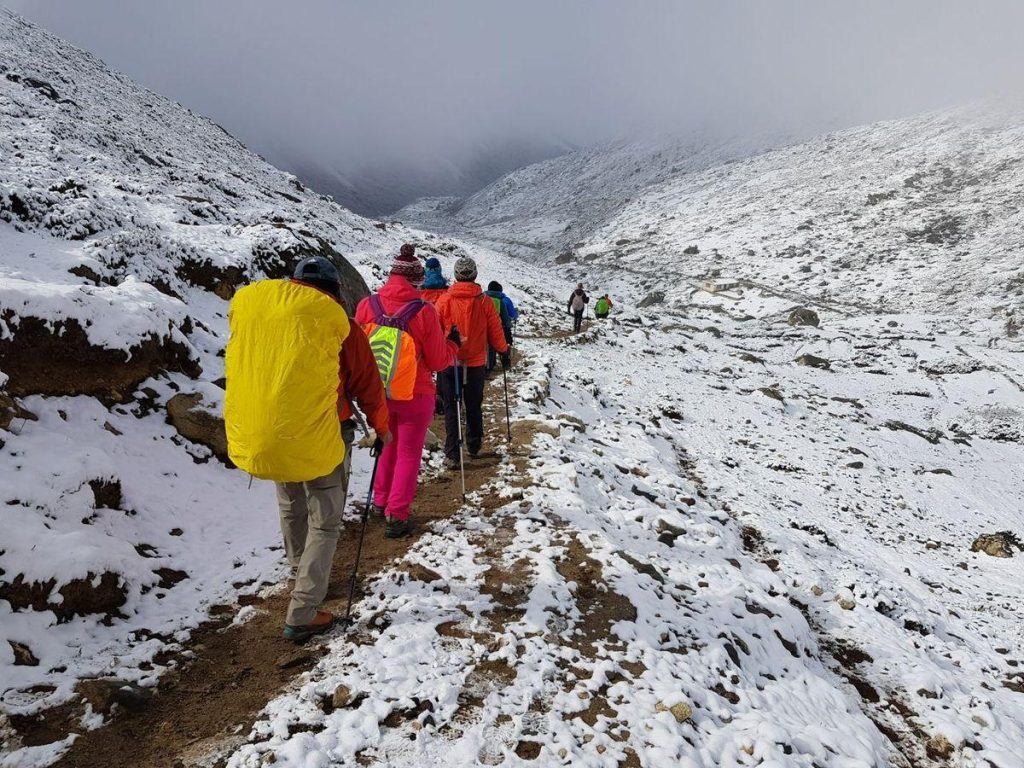
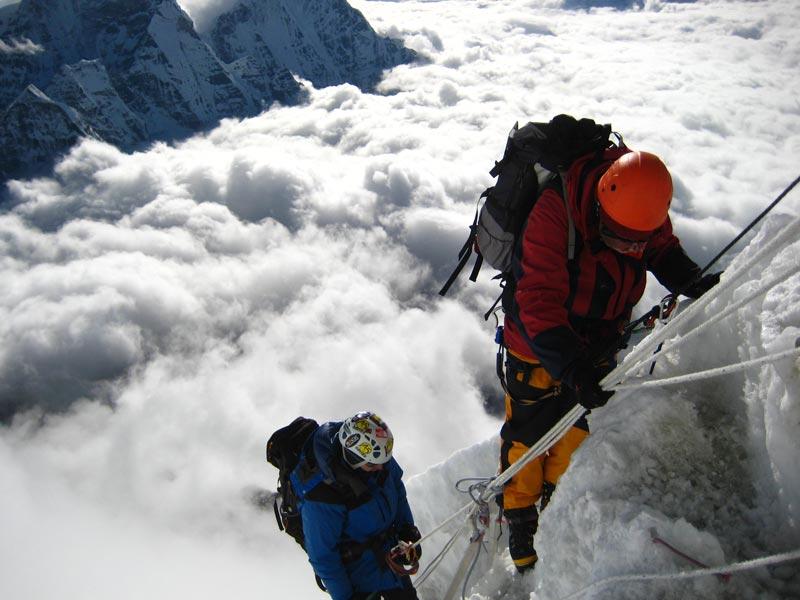
Nepal’s autumn climbing season is continuing on several peaks, including Ama Dablam in Khumbu and Himlung Himal in the Annapurna region. The Department of Tourism has issued 386 climbing permits for Ama Dablam and 121 for Himlung Himal this autumn, according to Everest Chronicle. The forecast has raised concerns about how deteriorating weather could affect expedition schedules and access to climbing routes.
The department has issued a total of 1,410 climbing permits for 44 peaks during the autumn season, with most permits covering mountains below 7,000 metres. Expeditions on Manaslu and Dhaulagiri have already been postponed following heavy snowfall in September, while activities on other peaks were continuing at the time of publication. Further snowfall could lead teams to adjust their plans, affecting expedition logistics and the tourism businesses supporting climbers.
Weather Conditions Could Disrupt Himalayan Tourism
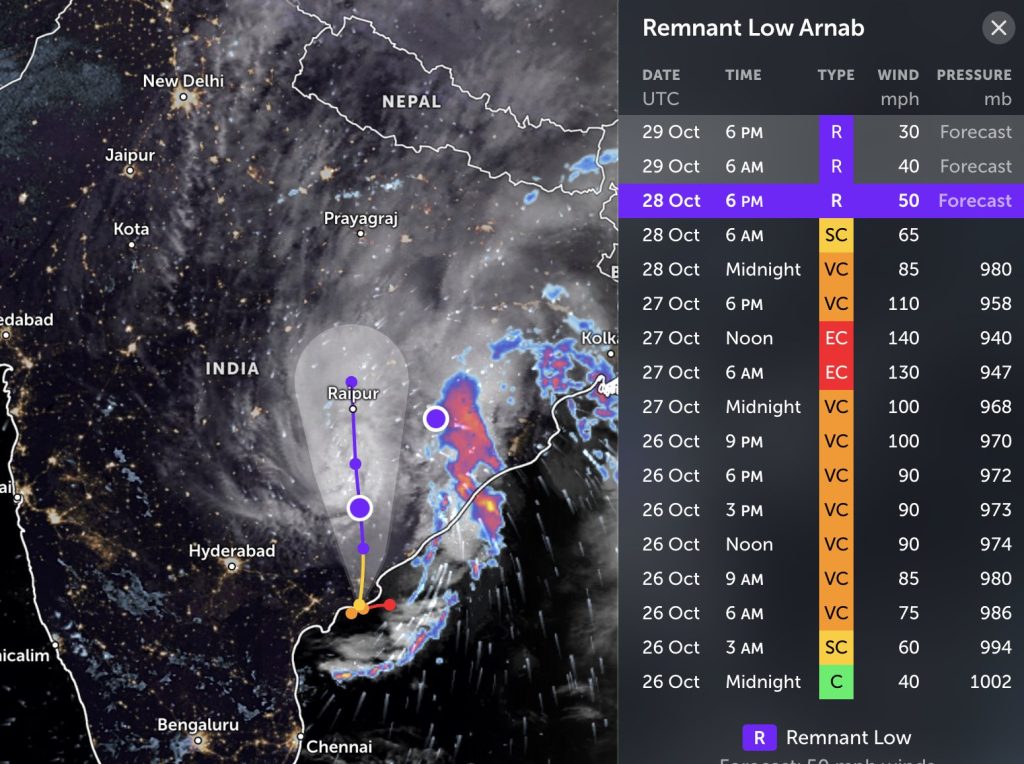
Cyclone Arnab moved inland over India’s Andhra Pradesh early Wednesday after developing over the Bay of Bengal. Although the system is expected to weaken as it moves north across the Gangetic plains, moisture laden winds and increased cloud cover are forecast to bring rain and snowfall to eastern, central and western Nepal. The Department of Hydrology and Meteorology has warned of widespread precipitation through Saturday, with heavy rainfall or snowfall possible in some areas.
Adverse weather could affect access to mountain destinations, disrupt road and air transport, and complicate travel arrangements for domestic and international visitors. Trekking agencies, expedition organisers, accommodation providers and guides may need to adjust services as conditions change. While the full impact on tourism remains uncertain, disruptions during the autumn season could affect planned trips and the wider network of businesses that depend on Himalayan visitors.
Safety Warnings Issued for Trekkers and Mountaineers
The Department of Hydrology and Meteorology has warned that heavy snowfall in high-altitude areas could trigger avalanches and blizzards. Tourists have been advised to avoid high Himalayan areas, while those already there have been urged to remain in safe locations during the adverse weather. These precautions are particularly important for trekkers and climbing teams travelling through exposed routes or remote mountain areas.
The Trekking Agencies’ Association of Nepal (TAAN) has also urged trekking agencies to take precautions to protect tourists, guides and support staff, including suspending journeys towards high-altitude destinations and passes where necessary. Visitors planning Himalayan trips should check official weather updates and consult their trekking agencies before travelling. Prioritising safety and following local advisories will be essential as Nepal’s mountain tourism sector navigates the changing conditions.