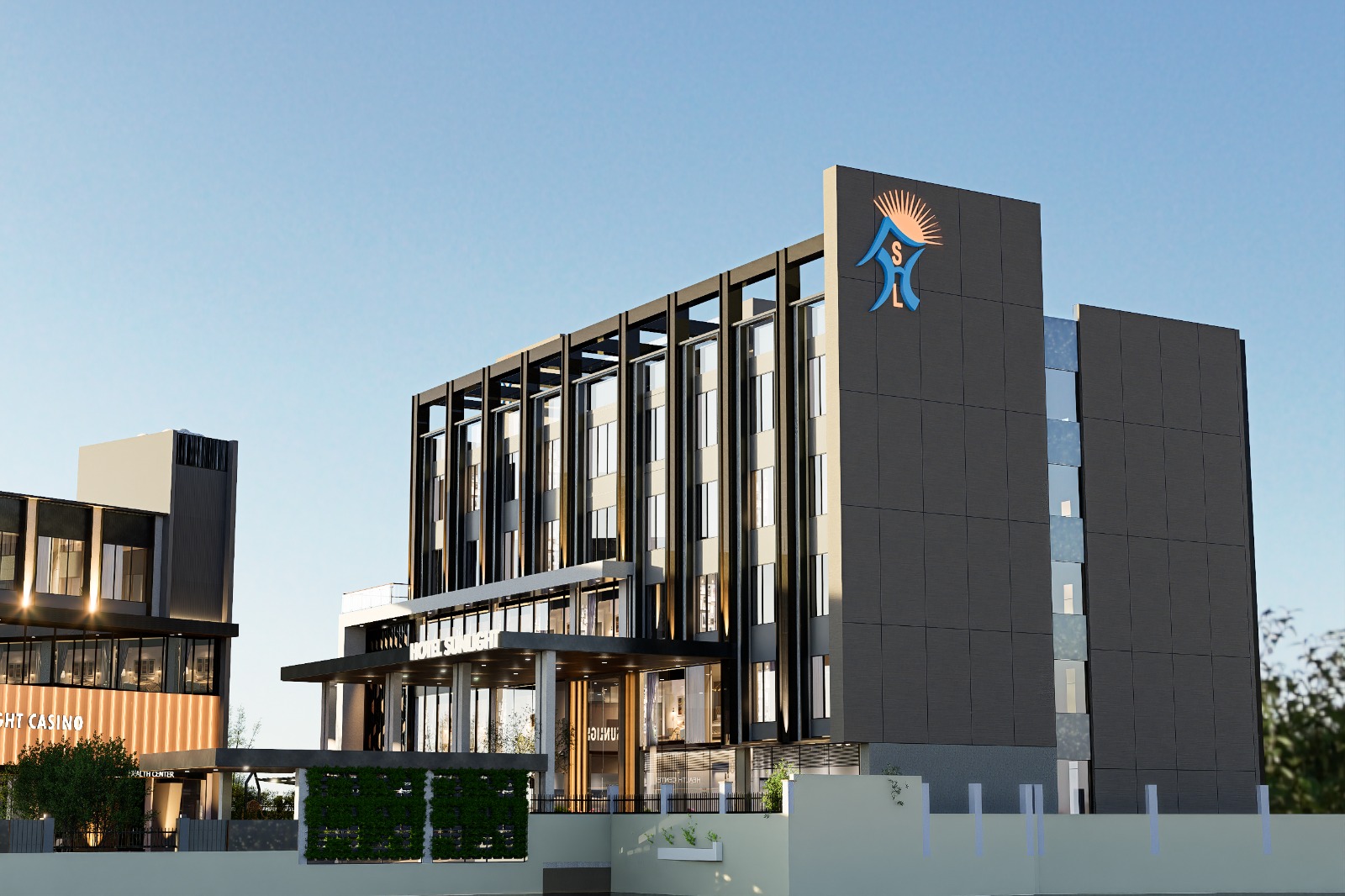
Hotel Sunlight Private Limited (HSPL), which is developing a four-star hotel in Dhangadhi, Kailali, has received a ‘CARE-NP BB-’ rating from CARE Ratings Nepal Limited (CRNL) for its long-term bank facilities amounting to Rs. 540 million. The rating reflects the company’s experienced promoters, strategic project location in Far-Western Nepal and the positive outlook for the country’s tourism and hospitality industry. However, the rating of Hotel Sunlight Private Limited (HSPL) remains constrained by project implementation risks, the time required to stabilise hotel operations, industry competition and revenue concentration arising from dependence on a single property.
The assigned rating covers Rs. 540 million in long-term bank facilities, comprising a term loan of Rs. 483 million and proposed bank facilities of Rs. 57 million. CARE Ratings Nepal has highlighted that the successful completion of the hotel within the estimated cost and timeline, followed by satisfactory operational performance, will be crucial to the company’s future credit profile.
Rs. 780 Million Project to Feature 75 Rooms
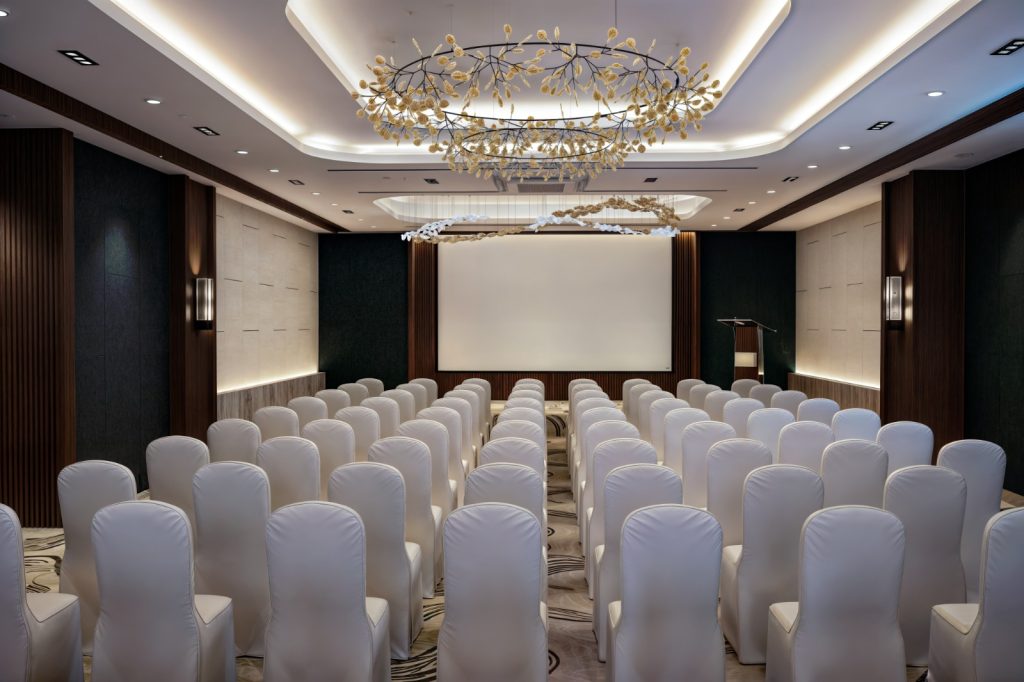
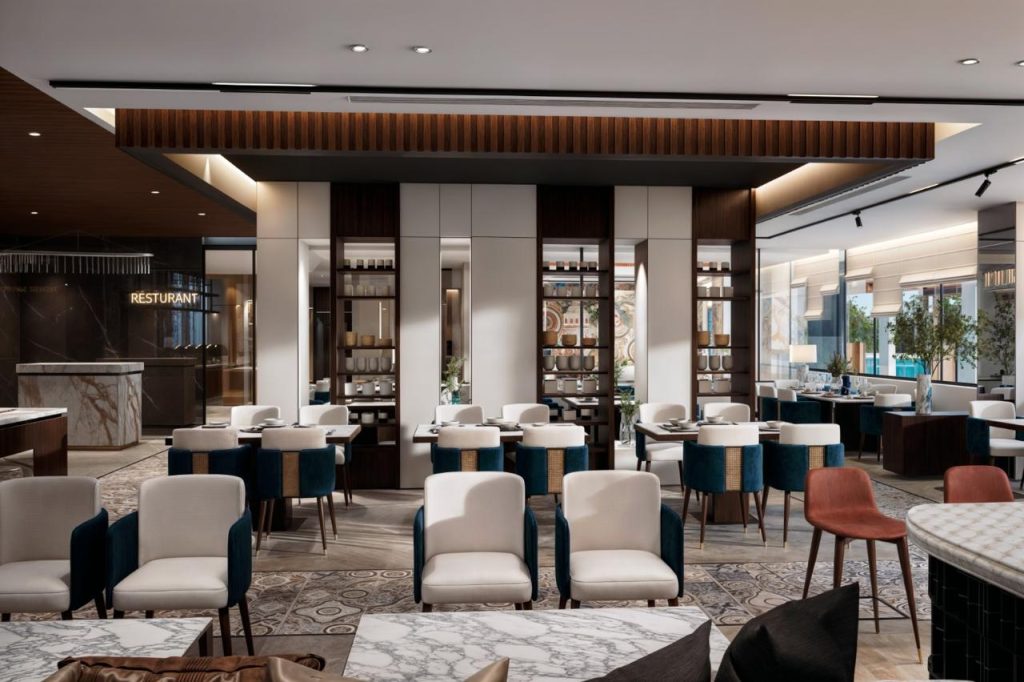
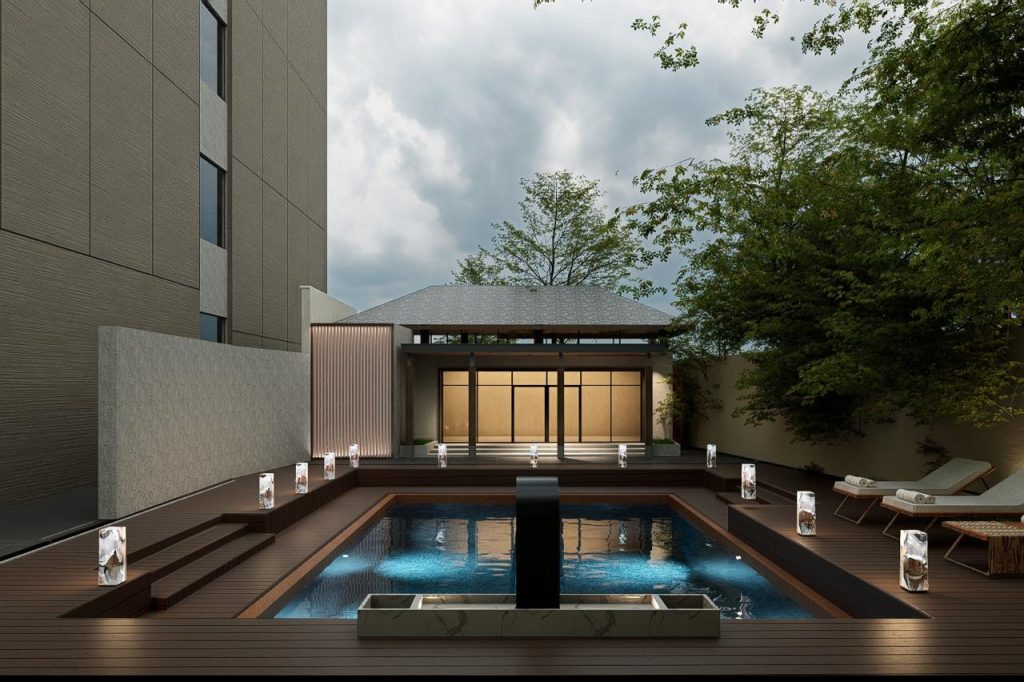
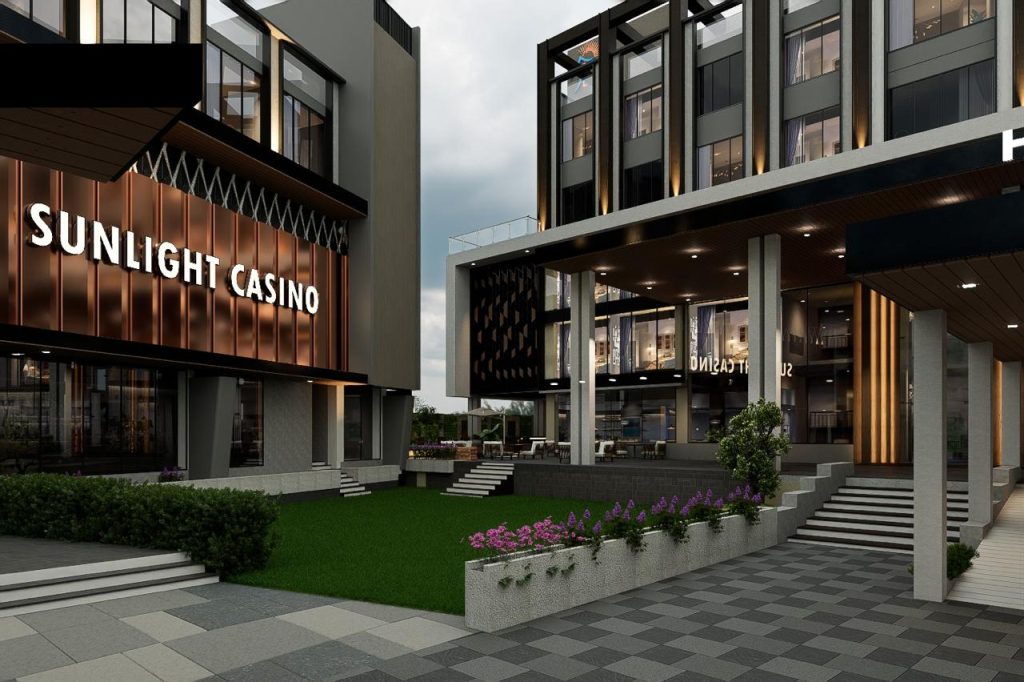
Hotel Sunlight Private Limited was incorporated on January 6, 2014, under the Companies Act, 2006. The Hotel Sunlight Private Limited (HSPL) is currently developing a four-star hotel in Dhangadhi, Nepal, with a planned capacity of 75 rooms. The property Hotel Sunlight Private Limited (HSPL) is being developed on approximately 2,802 square metres of land and will feature a range of hospitality and recreational facilities, including a restaurant and bar, boardroom, gymnasium, casino boardroom, banquet hall and conference facilities.
The Hotel Sunlight Private Limited (HSPL) project was initially estimated to cost Rs. 727 million, with a proposed financing structure comprising Rs. 483 million in debt and Rs. 244 million in equity, representing a debt-to-equity ratio of 66:34. However, the total project cost of Hotel Sunlight Private Limited (HSPL) has subsequently been revised upward to Rs. 780 million, primarily due to additional changes required to meet the standards for a four-star hotel.
Under the revised financing structure, the project is expected to be funded through Rs. 540 million in debt and Rs. 240 million in equity, resulting in a debt-to-equity ratio of 69:31. While the original debt component had been fully tied up, financial closure for the additional debt requirement is currently underway.
Project Achieves 94% Financial Progress
According to CARE Ratings Nepal, the project Hotel Sunlight Private Limited (HSPL) had achieved approximately 94% financial progress as of October 7, 2026. The promoters had already infused Rs. 256 million into the project, exceeding the initially envisaged equity contribution of Rs. 240 million.
Although the project Hotel Sunlight Private Limited (HSPL) has reached an advanced stage of construction, the company remains exposed to execution risks associated with completing the hotel within the revised budget and implementation schedule. Any significant delay or additional cost escalation could postpone the commencement of commercial operations, delay revenue generation and put pressure on the company’s liquidity position.
CARE Ratings has therefore identified timely project completion within the envisaged cost as a key rating sensitivity. The company’s ability to successfully transition from the construction phase to commercial operations will be important in determining its future financial performance.
Long Gestation Period Poses Operational Challenges
The rating agency has also highlighted the relatively long gestation period associated with hospitality projects, particularly premium hotels that require substantial capital investment and time to achieve optimal occupancy and operational efficiency. Generally, the construction of premium hotel properties can take approximately three to four years, while operational stabilisation may require an additional two to three years. During this period, hotels must establish their market presence, attract a consistent customer base, improve occupancy levels and generate sufficient revenue to cover fixed operating and financing costs.
For Hotel Sunlight, the planned 75-room capacity and range of hospitality facilities will require effective marketing, operational management and customer acquisition strategies to achieve the projected business performance. The company’s ability to establish its brand in Dhangadhi, attract domestic and international visitors, maintain healthy occupancy levels and generate sustainable cash flows will remain important factors in its credit assessment.
Intense Competition and Revenue Concentration Remain Concerns
CARE Ratings Nepal has identified industry cyclicality, intense competition and geographical concentration as key weaknesses affecting the company’s credit profile. Nepal’s hospitality industry is fragmented, with numerous organised and unorganised hotel operators competing across different destinations. Hotel occupancy and revenue of Hotel Sunlight Private Limited (HSPL) are significantly influenced by domestic and international economic conditions, tourist arrivals, disposable income, travel preferences and broader developments affecting the tourism industry.
As Hotel Sunlight plans to operate a single property in Dhangadhi, its revenue and profitability will remain dependent on the performance of the local hospitality market. The absence of diversified operations across multiple locations or property segments could expose the company to fluctuations in regional tourism demand. Maintaining a competitive market position, attracting a consistent flow of customers and ensuring stable financial performance will therefore be essential once the hotel begins commercial operations.
Floating Interest Rates Could Increase Financial Burden
The Hotel Sunlight Private Limited (HSPL) is also exposed to interest rate fluctuations because its borrowings are linked to a floating interest rate structure. Under this arrangement, a premium is added to the monthly base rate of banks and financial institutions, with borrowing costs adjusted according to changes in the applicable base rate.
Interest rates in Nepal’s banking system are influenced by overall liquidity conditions, which can fluctuate depending on deposit mobilisation, credit demand and broader financial market developments. Any significant increase in base rates could raise the company’s interest expenses, increase its debt-servicing burden and put additional pressure on liquidity, particularly during the initial years of hotel operations when revenue and occupancy may still be stabilising.
Experienced Promoters Strengthen Management Profile
The company’s rating also derives strength from the hospitality experience and operational background of its promoters and management team. Hotel Sunlight is chaired by Kalam Bahadur Bam, who has more than 25 years of experience in the hospitality industry and has been actively involved in operating hospitality businesses throughout his career. Similarly, the company’s Executive Director, Basanta Bhandari, brings over 15 years of experience in the hospitality sector, supported by a track record of managing and operating hospitality enterprises.
The board is further supported by experienced management personnel across various departments, providing the company with an established foundation for overseeing project development and future hotel operations. CARE Ratings considers the promoters’ industry experience and management capabilities important strengths, particularly as the company moves towards completing its hotel project and commencing commercial operations.
Strategic Location in Far-Western Nepal
The proposed hotel enjoys a strategic location in Dhangadhi, one of the major commercial and administrative centres of Far-Western Nepal. The Hotel Sunlight Private Limited (HSPL) is situated approximately 8.7 kilometres from Dhangadhi Airport, providing convenient access for domestic travellers and visitors arriving in the region. Its location also offers connectivity to major border cities in India, making Dhangadhi an accessible destination for Indian visitors travelling for leisure, business and recreational activities. The city is also a popular choice for weekend trips, holidays and celebrations among visitors from surrounding areas.
Several tourism attractions in the region could support demand for the proposed hotel, including Shuklaphanta National Park, which is known for its wildlife and natural landscapes and attracts domestic and Indian tourists. Other attractions include Ghodaghodi Lake and Jokhar Lake, which offer opportunities for nature-based tourism and recreational travel. The combination of regional commercial activity, cross-border accessibility and nearby natural attractions provides the hotel with opportunities to attract leisure travellers, business visitors, event participants and tourists exploring Far-Western Nepal.
Government Support and Tourism Growth Strengthen Industry Outlook
CARE Ratings Nepal has maintained a positive medium-term outlook for Nepal’s tourism and hospitality industry, supported by government initiatives, policy incentives and the continued recovery of international tourist arrivals. Tourism remains a key pillar of Nepal’s economy, with the government introducing various incentives to encourage investment in hotels, resorts and other tourism-related businesses. These include tax concessions for hotels and resorts and the classification of tourism as a priority sector for lending by banks and financial institutions.
The government has also designated FY23–FY33 as Nepal’s Tourism Decade, with the objective of positioning the country as a leading international tourism destination through infrastructure development, destination promotion and increased private-sector investment. Nepal’s tourism industry has largely recovered from the severe disruptions caused by the COVID-19 pandemic. International tourist arrivals, which reached a record high of approximately 1.20 million in 2019, declined sharply during 2020 and 2021 due to travel restrictions and border closures. However, arrivals gradually recovered, reaching approximately 1.16 million in 2025, approaching the pre-pandemic level.
The sector experienced temporary disruptions in September 2025, when tourist arrivals declined by approximately 18% year-on-year following nationwide protests and civil unrest. The disruptions resulted in curfews, transportation interruptions, airport closures and booking cancellations across several hospitality establishments. Nevertheless, tourist arrivals subsequently recovered, supported by the resumption of travel activities and growth across key tourism segments. During the first seven months of 2026, international tourist arrivals increased by 6.8% year-on-year to 692,228 visitors, indicating continued momentum in tourism demand.
Project Completion and Operational Performance Key to Future Rating
Going forward, Hotel Sunlight’s ability to complete the ongoing construction within the revised project cost and anticipated timeline will remain the most immediate factor influencing its credit profile. Following completion, the company’s ability to establish the hotel in the regional market, attract customers, achieve sustainable occupancy and maintain operational efficiency will determine its financial performance.
CARE Ratings has identified timely project implementation and satisfactory operational performance thereafter as key rating sensitivities. The company’s ability to generate adequate revenue, manage operating costs and service its debt obligations will be particularly important during the initial years of operation. While the strategic location, experienced promoters and improving tourism prospects provide a supportive foundation, the successful execution and commercial stabilisation of the 75-room hotel will ultimately determine whether Hotel Sunlight can translate its investment into sustainable growth in Nepal’s hospitality sector.