
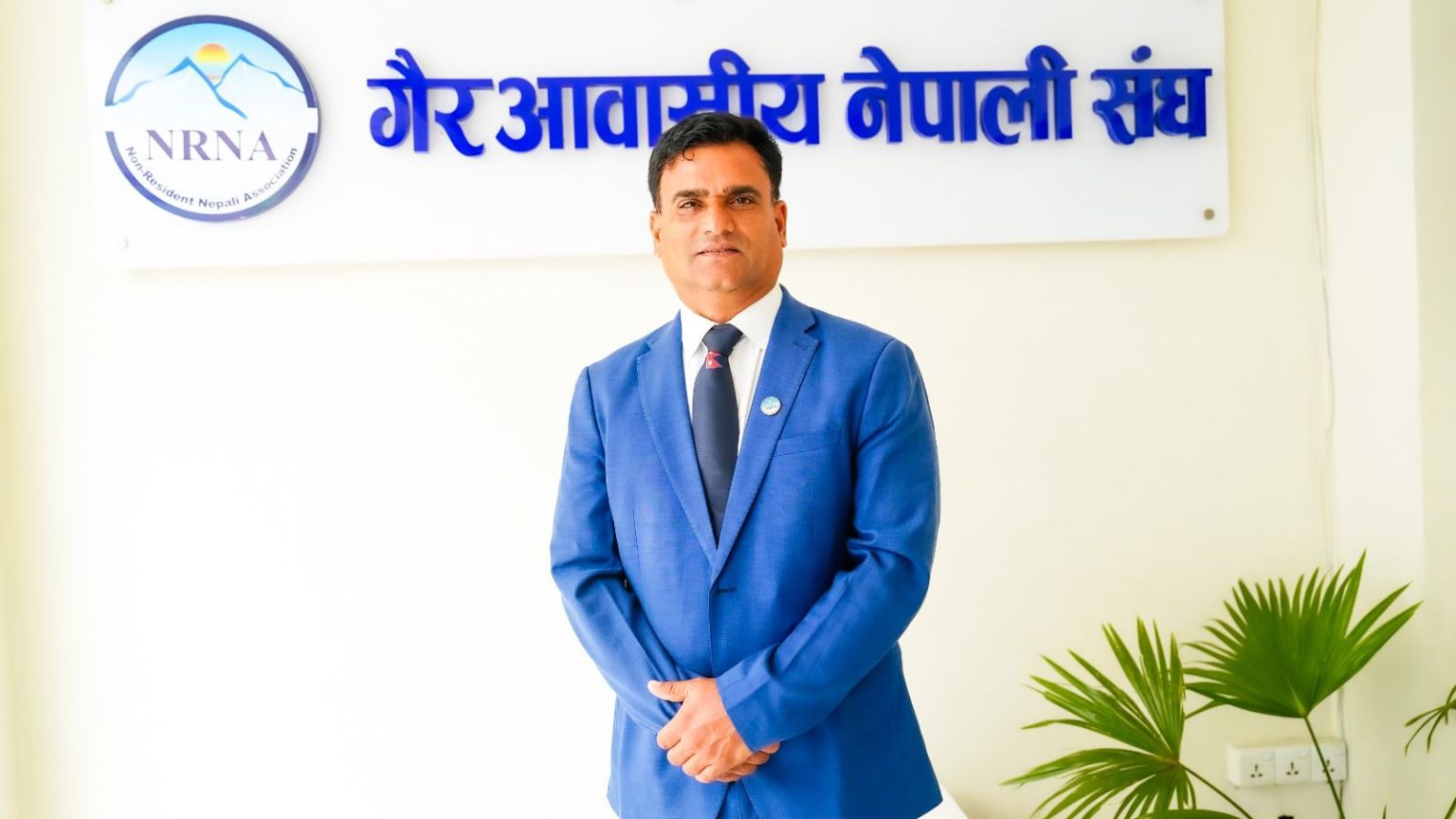
Nepal and India share a unique relationship built on centuries of history, culture, religion, trade and people-to-people connections. With an open border of approximately 1,781 kilometres, the two countries have enormous potential to strengthen cross-border tourism. However, to fully realise this potential, improving road connectivity alone is not enough. Stronger air connectivity, smoother border procedures and tourist-friendly transport arrangements are equally important.
Cross-Border Tourism Offers Untapped Potential
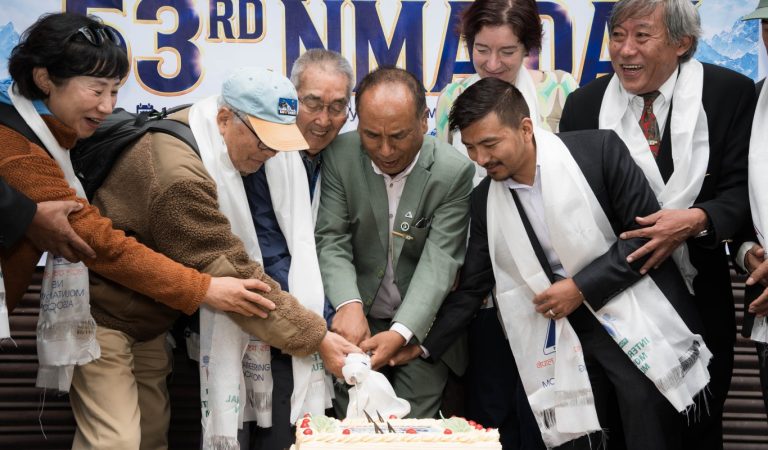
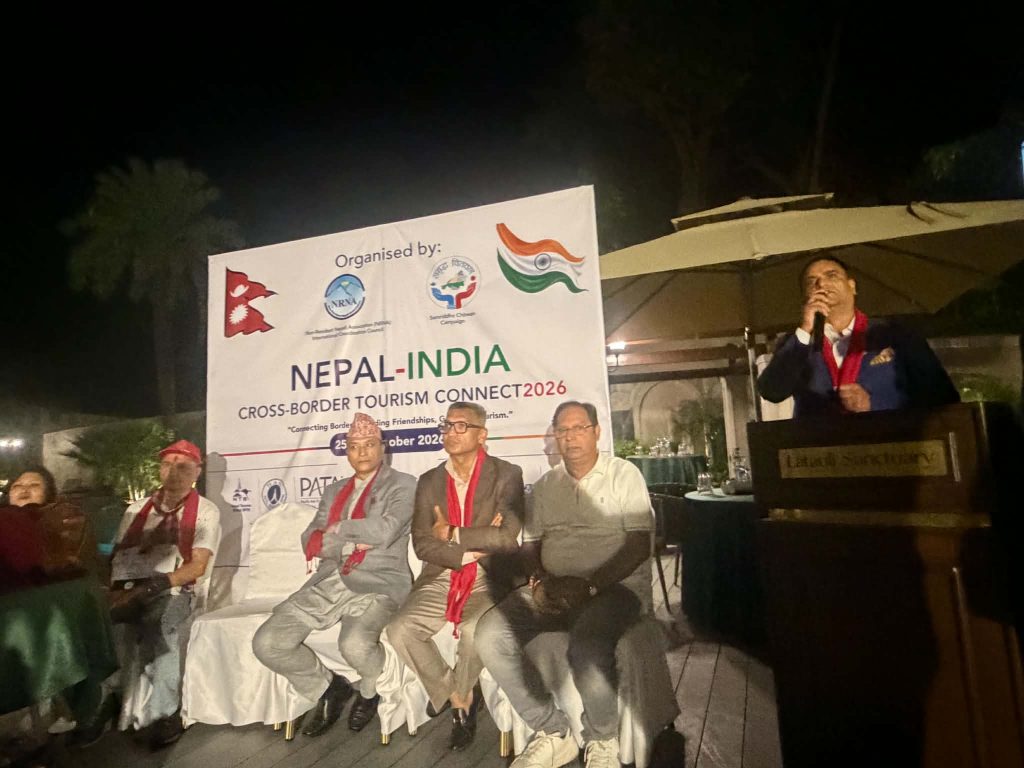
The importance of these issues became particularly evident during the Nepal–India Cross-Border Tourism Connect 2026, organised jointly by the Non-Resident Nepali Association (NRNA) International Coordination Council and Samriddha Chitwan Abhiyan from October 25 to 27, 2026.
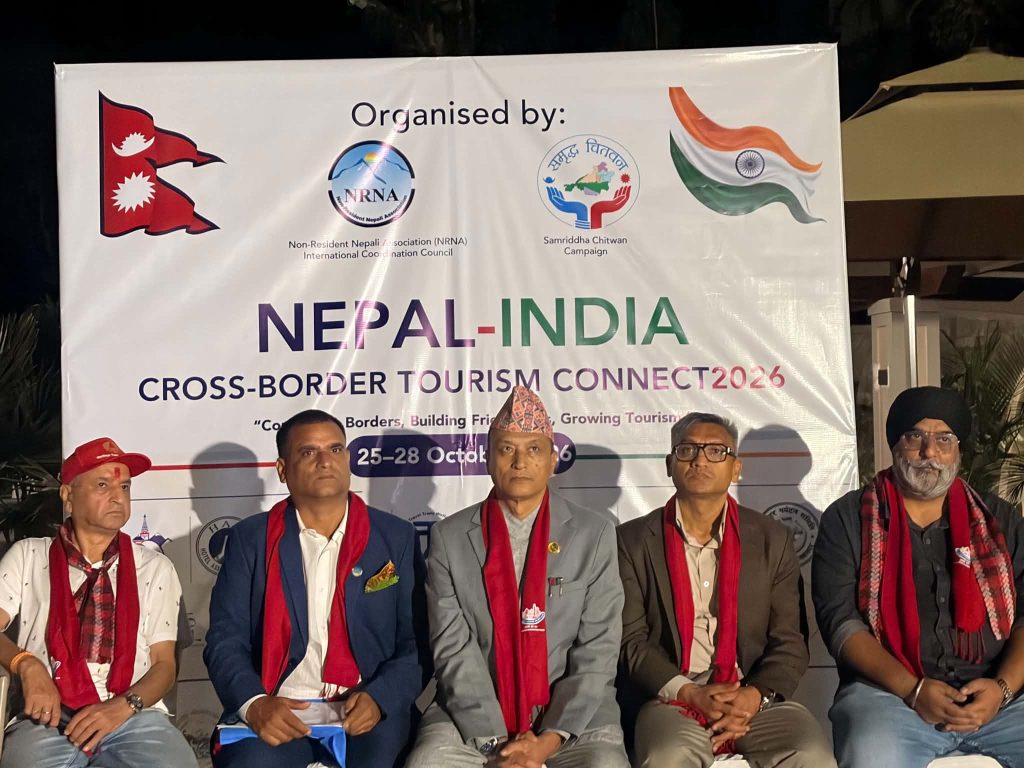
The programme brought together around 21 Indian travel and tour operators, providing a valuable platform for tourism discussions, business-to-business meetings and exchanges between tourism stakeholders from both countries. The event’s theme, “Connecting Borders, Building Friendships, Growing Tourism,” reflected the shared vision of expanding tourism cooperation.
Simplifying Border Procedures for Tourists
During the programme, Indian tourism operators highlighted several practical challenges affecting cross-border travel. Delays at border points, complicated entry procedures and administrative difficulties faced by tourist buses, cars and other private tourist vehicles were among the key concerns.
These challenges are not limited to the Sunauli–Belahiya border; similar issues arise at other major land entry points between Nepal and India. Clear, consistent and simplified procedures are therefore essential to make cross-border travel easier, faster and more visitor-friendly.

Direct Flights Can Unlock New Tourism Markets
At the same time, Nepal and India need to give greater priority to direct air connectivity. There is considerable potential to connect major Indian cities with Gautam Buddha International Airport in Bhairahawa and Pokhara International Airport through regular and convenient flights.
Such connections would make it easier for Indian visitors to reach important tourism destinations while supporting the development of these international airports. Better air links could also encourage longer stays, increase visitor spending and create new opportunities for airlines, hotels, tour operators and local businesses.
Bhairahawa–Chitwan–Pokhara: A Powerful Tourism Circuit
The road connection between Bhairahawa, Chitwan and Pokhara offers an excellent opportunity to develop an integrated tourism circuit. Visitors can experience the birthplace of Gautam Buddha and the Buddhist heritage of Lumbini, the wildlife, nature and Tharu culture of Chitwan, and the Himalayan landscapes, lakes and adventure activities of Pokhara.
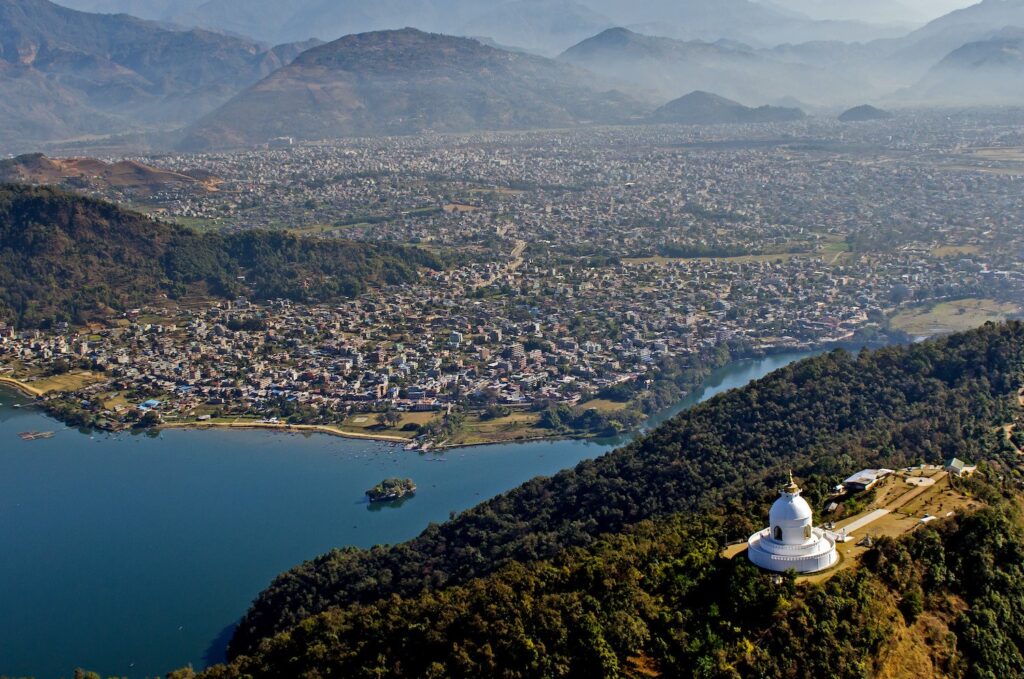
By combining these destinations through attractive multi-day travel packages, Nepal can offer Indian tourists a diverse and memorable experience. Efficient road transport, convenient border crossings and direct air services can work together to make this circuit more accessible.
Regional Airports Can Reduce Kathmandu Dependence
However, the potential of Bhairahawa and Pokhara should not be viewed only in the context of Indian tourism. These airports can also serve as important gateways for visitors from Europe, the Middle East, Southeast Asia, China and other international markets through suitable direct and connecting flight networks. Developing multiple international gateways would help Nepal reduce its excessive dependence on Tribhuvan International Airport in Kathmandu, distribute tourism opportunities more widely and encourage investment in regional destinations.
Tourist Vehicle Movement Needs Clearer Rules
Improving tourist vehicle movement across the Nepal–India border is another urgent priority. Tourist buses, cars and private vehicles carrying international visitors should have clear and practical arrangements for entry, movement and travel within Nepal. Both countries should review existing procedures and work towards reducing unnecessary delays, documentation difficulties and administrative uncertainty. A smooth journey from the border to the final destination is an essential part of the overall visitor experience and can influence a tourist’s decision to return or recommend Nepal to others.
Government and Private Sector Must Work Together
To translate these opportunities into action, coordinated efforts are needed from the governments of Nepal and India, civil aviation authorities, tourism boards, airlines, border administration, and private-sector tourism organisations. Regular dialogue, route feasibility studies, improved airport services, simplified border procedures, clear tourist-vehicle policies, and joint tourism packages should be pursued as practical priorities. Tourism associations and private-sector partners also have an important role in identifying challenges and building lasting business partnerships between the two countries.
Turning Friendship Into a Connected Tourism Future
Nepal has the destinations, natural beauty, cultural heritage, and hospitality to attract many more visitors from India and beyond. What is needed now is stronger connectivity, practical cooperation, and a shared commitment to making travel easier. Strengthening road and air links together will benefit both countries, support local economies and create new opportunities for the tourism industry. The time has come to turn the strong friendship between Nepal and India into a more connected and prosperous tourism future.
Article By: Som Nath Sapkota (A tourism promoter and Chair of the Tourism Promotion Committee, NRNA International Coordination Council (ICC))