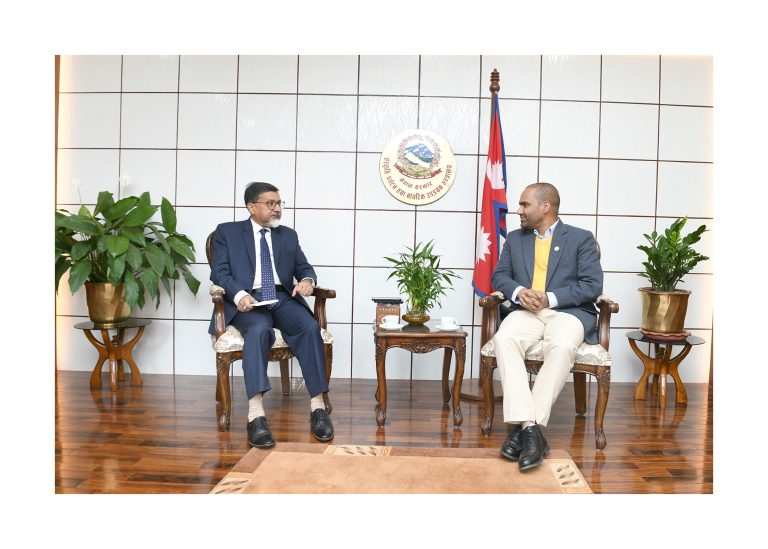
Travel security is becoming increasingly important to the future of global tourism as emerging threats to aviation, airports and transport infrastructure create new challenges for passenger confidence and international connectivity. At the Global Tourism Forum Annual Meeting 2026 in Brussels, Nick Careen, Senior Vice President of Operations, Safety and Security at the International Air Transport Association (IATA), highlighted the need for stronger cooperation between governments and transport operators. He outlined three priorities for improving security: closer coordination, risk based security management and recognition of equivalent security standards. The recommendations emphasize that protecting travellers requires a broader approach than traditional airport screening.
Emerging Security Threats Challenge Global Travel Connectivity
Modern transport security faces a growing range of threats that extend beyond conventional passenger and baggage screening. In his address, Careen pointed to incidents involving drone activity, satellite navigation interference, cyberattacks and false bomb threats as examples of disruptions affecting aviation operations. A drone incident at London’s Gatwick Airport in December 2018 affected around 1,000 flights and more than 140,000 passengers. Other incidents have disrupted flight operations and caused delays across European airports.
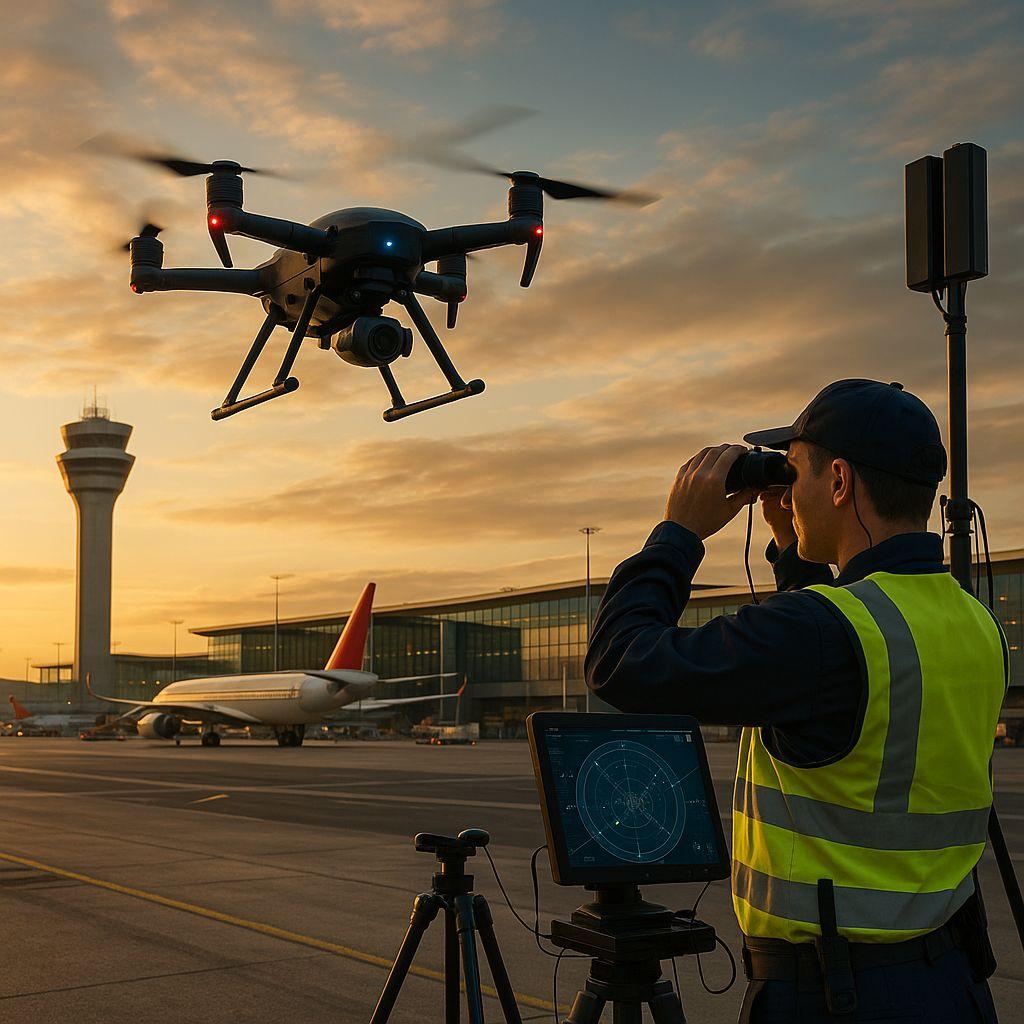
Careen noted that these developments demonstrate how aviation security now depends on protecting interconnected systems, including airspace, airport operations, digital infrastructure and border services. He also highlighted that maritime and other transport sectors face similar challenges and could benefit from sharing security practices. Such disruptions can affect passengers, airlines and destinations by interrupting travel schedules and weakening confidence in transport networks. Strengthening security and operational resilience is therefore essential to maintaining reliable international travel.
IATA Calls for Stronger Cooperation Between Governments and Industry
The first priority outlined by Careen is closer cooperation between governments, airlines, airports and security agencies. He explained that no single organization can independently protect every stage of a passenger’s journey because different institutions control separate parts of the transport system. Airports may identify drone activity, while police or military authorities are responsible for responding to certain threats. Airlines also need timely access to government security information to assess risks and make operational decisions.

Careen called for permanent and reliable mechanisms to share threat information and coordinate responses among relevant authorities and transport operators. He also highlighted the importance of involving airlines in decisions concerning airport closures, flight disruptions and the safe resumption of services. More than 200 drone incursions were reported within NATO airspace between January 2025 and October 2026, affecting at least 21 European NATO members, according to the address. Better coordination could help authorities respond more effectively while reducing unnecessary disruption for passengers.
Risk Based Security Approach Needed to Address New Threats
The second priority focuses on adopting a risk based approach instead of continuously introducing additional security rules. Careen argued that security measures should reflect the nature and credibility of individual threats rather than automatically applying the most disruptive response. Airlines already have procedures to assess bomb threats by examining their specificity, credibility and relevance to particular flights or aircraft. Timely communication with operators can help authorities determine appropriate responses while maintaining passenger safety.
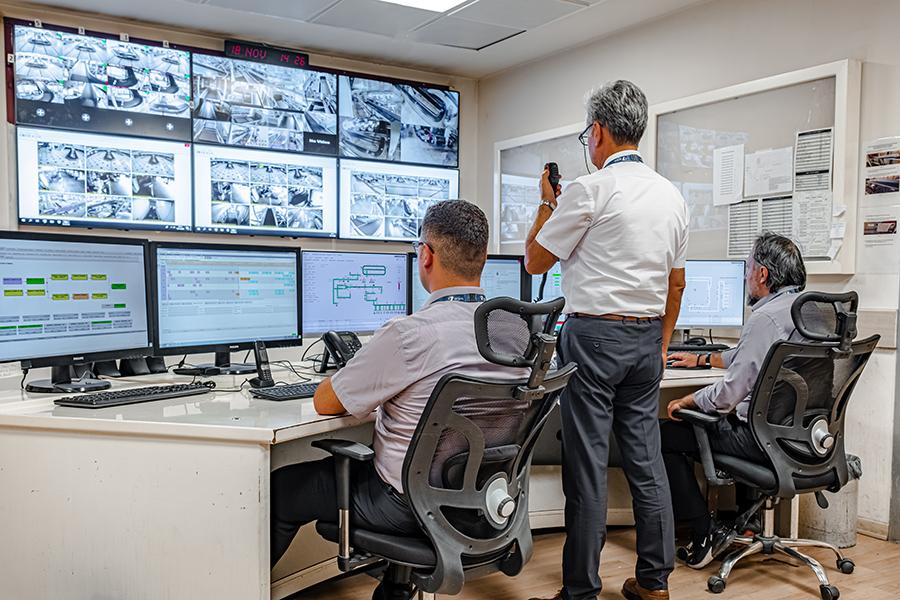
He also highlighted the role of Security Management Systems, which allow airlines and airports to identify operational vulnerabilities, assign responsibilities and regularly assess the effectiveness of protective measures. According to Careen, governments and regulators should recognize operators that demonstrate effective risk management and consult industry representatives before introducing new requirements. This approach could make security policies more practical and responsive to changing threats. It would also help balance passenger protection with the need to maintain efficient transport operations.
Digital Borders and Security Recognition Could Improve Passenger Experience
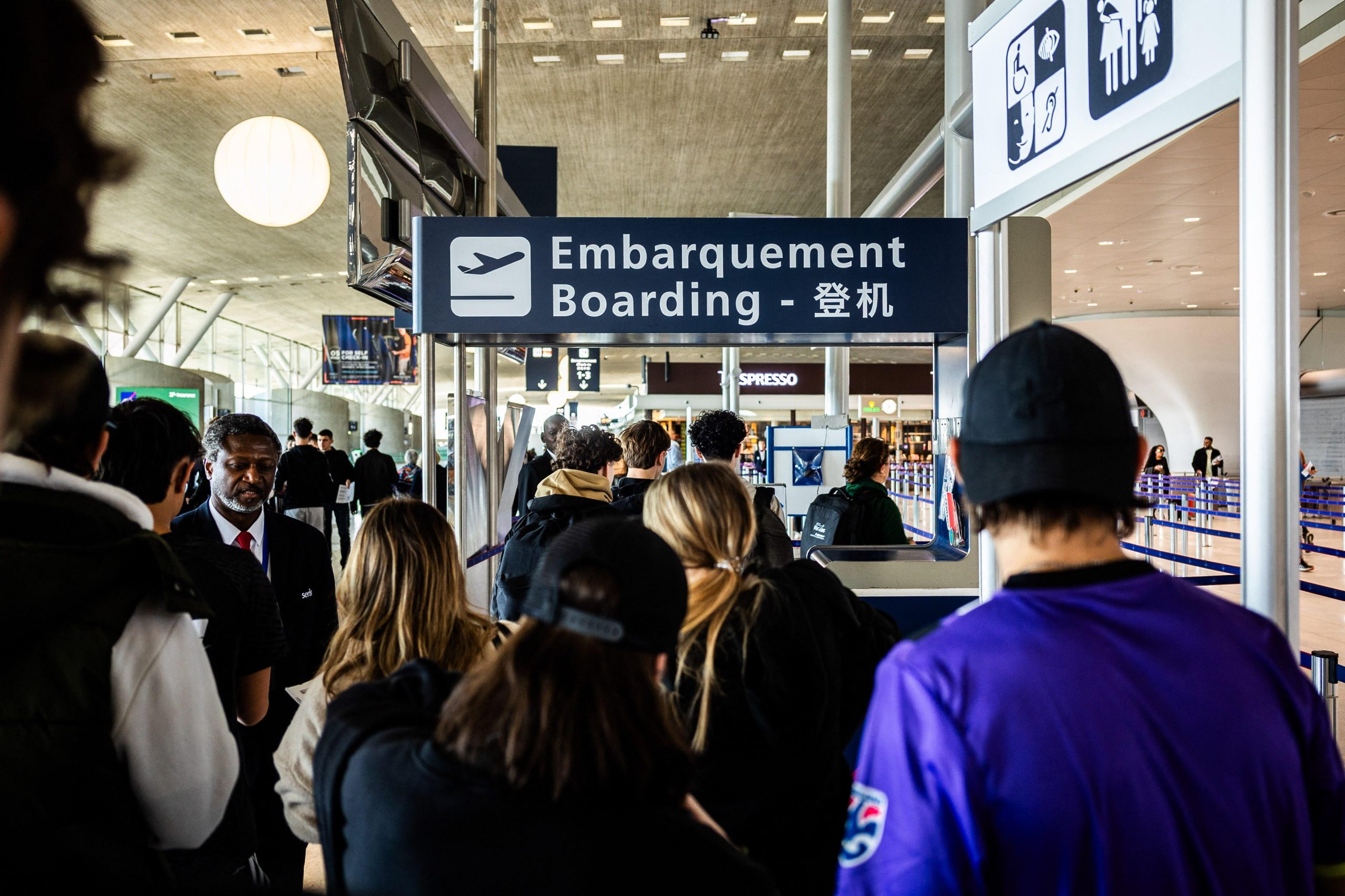
The third priority is to recognize equivalent security standards rather than repeatedly screening passengers who have already completed approved procedures. Careen cited the European Union’s One Stop Security arrangement, under which passengers and baggage screened in certain countries, including the United States and Canada, may avoid additional screening when connecting in Europe. He encouraged wider international recognition of comparable security systems to reduce unnecessary procedures. Such cooperation could make connecting journeys more convenient while maintaining appropriate protection.
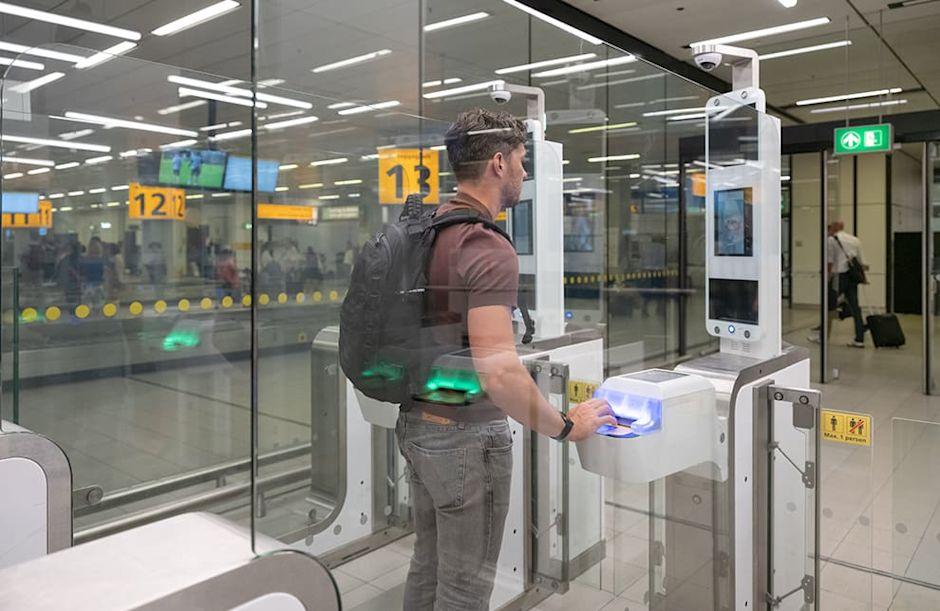
He also highlighted challenges associated with Europe’s digital border systems, including the Entry/Exit System and the upcoming European Travel Information and Authorisation System (ETIAS). Long processing times, technical problems and inadequate infrastructure could create difficulties during busy travel periods if implementation is not properly managed. Careen further noted that 78% of respondents in IATA’s Global Passenger Survey were willing to use digital biometrics, indicating potential interest in smoother identity verification. He concluded that coordinated security policies, reliable digital systems and international cooperation are essential to protecting passenger confidence and supporting global tourism connectivity.