Asia Pacific aviation leaders gathered in Kuala Lumpur on November 12-13 for the 70th Assembly of Presidents of the Association of Asia Pacific Airlines (AAPA), hosted by Malaysia Airlines. Held under the theme “Redefining Aviation: Growth, Resilience and Innovation,” the assembly brought together more than 170 delegates from across the regional aviation industry. Airline executives, government representatives and industry stakeholders discussed the challenges and opportunities shaping the future of air transport. The discussions focused on strengthening operational resilience, supporting sustainable aviation and improving regional cooperation to maintain the industry’s long term growth.
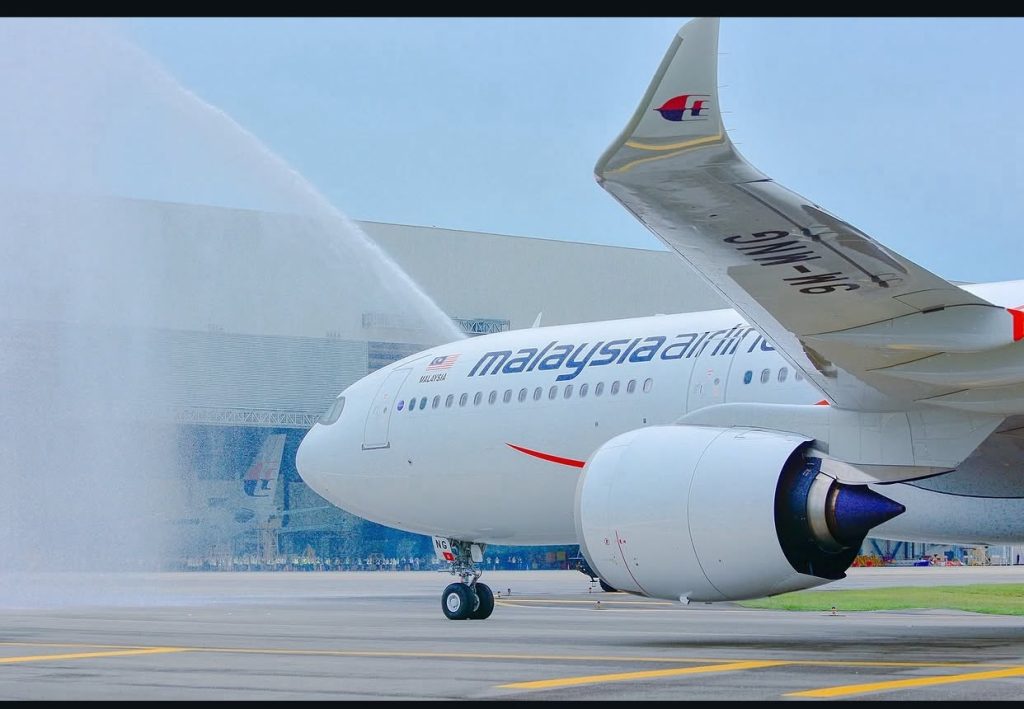
Malaysia Airlines Brings Regional Aviation Leaders Together
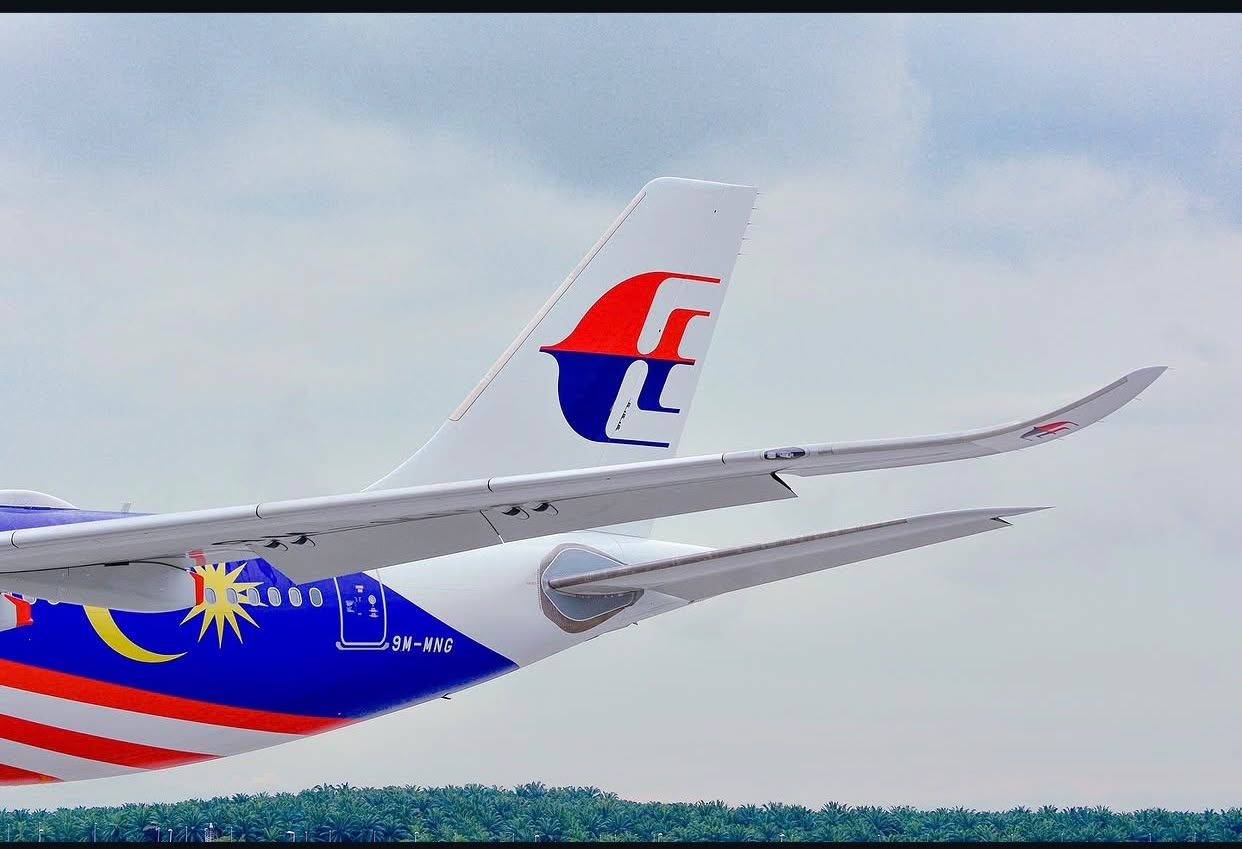
Malaysia Airlines hosted the 70th Assembly in its capacity as AAPA Chair for 2026, providing a platform for senior airline executives to discuss shared industry priorities. The gathering brought together representatives from AAPA member airlines, government authorities, regulators and aviation industry partners. It aimed to encourage closer cooperation among stakeholders operating in an increasingly interconnected regional aviation market. The assembly also highlighted the importance of maintaining strong partnerships to address challenges that extend beyond individual airlines.
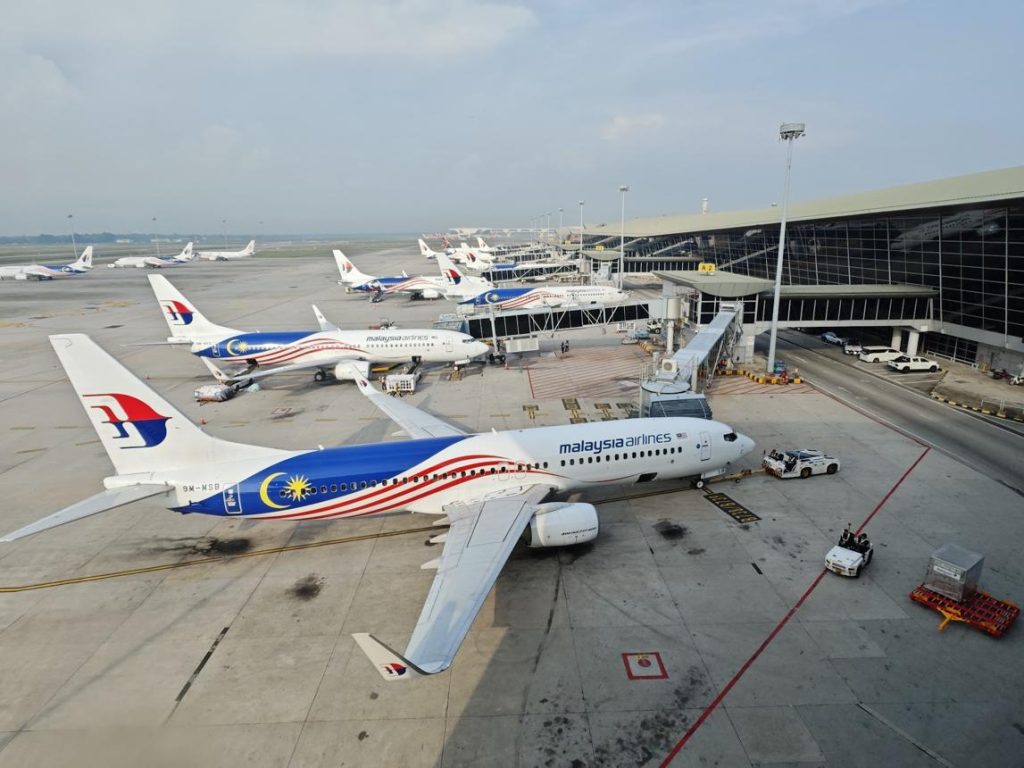
Captain Nasaruddin A. Bakar, President and Group Chief Executive Officer of Malaysia Aviation Group, said airlines play an important role in connecting countries, supporting economies and contributing to national development. He noted that the industry continues to face supply-chain bottlenecks, rising operating costs and geopolitical uncertainty. As AAPA Chair for 2026, Malaysia Airlines reaffirmed its commitment to supporting a unified regional voice and stronger industry collaboration. The assembly was officially opened by Malaysia’s Deputy Minister of Transport, Datuk Hasbi Habibollah.
Airlines Face Operational and Supply Chain Pressures
The assembly took place as Asia-Pacific airlines continued to navigate a challenging operating environment. According to AAPA, passenger demand across the region increased by 1.9% during the first nine months of 2026, while average passenger load factors reached a record 83%. These figures indicate sustained travel demand and the industry’s ability to adjust its operations to changing market conditions. However, aircraft delivery delays, maintenance bottlenecks and labour shortages continue to affect airline efficiency and fleet modernisation.
AAPA Director General Wong Hong highlighted additional pressures, including rising fuel costs, supply chain constraints and operational uncertainty. He emphasised that closer regional cooperation, investment in infrastructure and workforce development will be important for sustaining aviation growth. He also pointed to the potential of new technologies and artificial intelligence (AI) to help airlines respond more quickly to industry changes and improve passenger services. These priorities underline the need for airlines to strengthen their ability to manage disruptions while maintaining reliable connectivity.
Resilience and Innovation Shape the Future of Aviation
Operational resilience and innovation were central themes throughout the assembly, with participants examining how airlines can respond to geopolitical developments, changing airspace access and disruptions in global fuel markets. AAPA leaders stressed that coordinated industry action is necessary to address challenges affecting airline networks and international connectivity. The discussions also highlighted the importance of continued investment in people, infrastructure and modern aviation technologies. Stronger cooperation between airlines and governments was identified as an important part of preparing the sector for future uncertainty.
The growing use of digital technologies and AI is also expected to support operational efficiency and improve the passenger experience. Airlines are increasingly looking at innovation as a way to adapt to changing travel patterns and manage complex operating conditions. The assembly provided an opportunity for industry leaders to exchange perspectives on these developments and explore areas for cooperation. These discussions are particularly significant for tourism because reliable air connectivity supports international visitor movement and destination access.
Sustainable Aviation and Regional Connectivity Remain Key Priorities
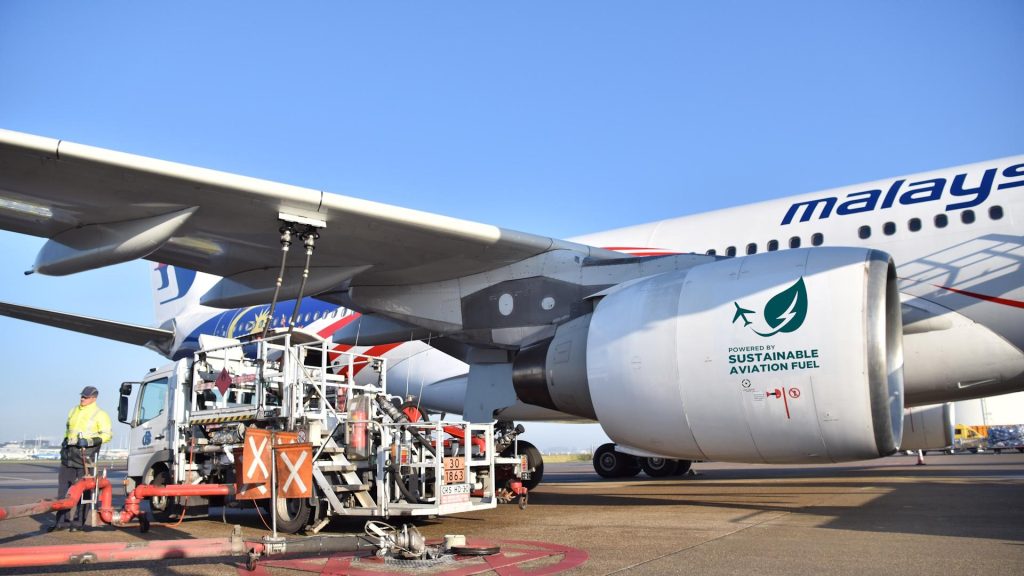
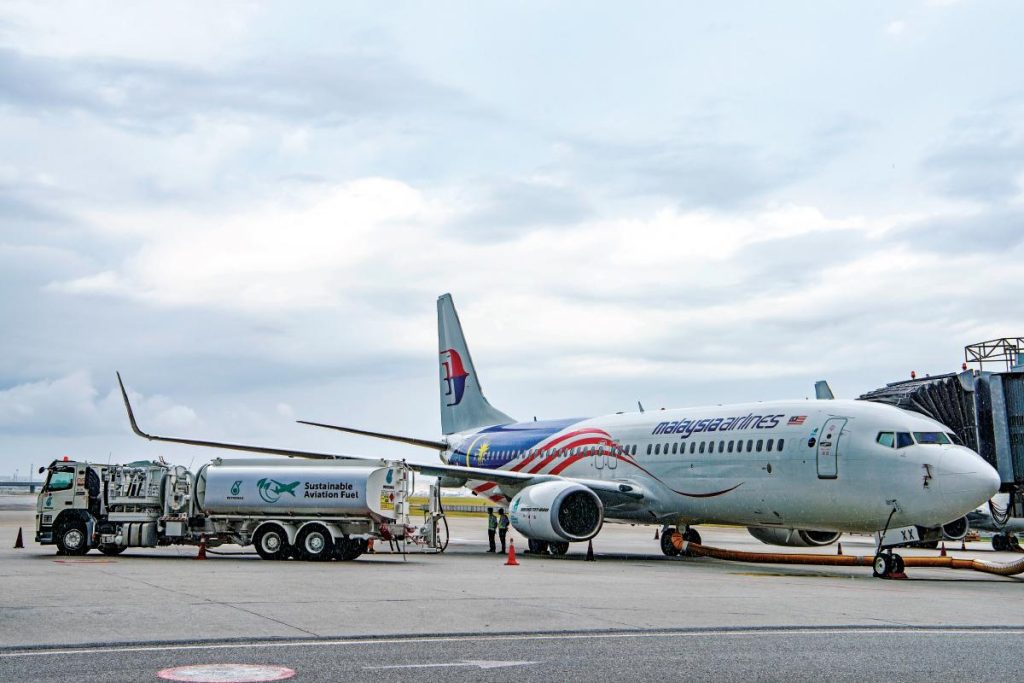
Sustainability was another important issue discussed during the assembly, particularly the aviation industry’s efforts to reduce carbon emissions. Sustainable Aviation Fuel (SAF) remains central to these ambitions, although limited production capacity, availability constraints and high costs continue to slow wider adoption. AAPA highlighted the need for continued progress in addressing these barriers as airlines work towards long term decarbonisation goals. The discussion reflects the growing importance of balancing aviation growth with environmental responsibility.
Despite current uncertainties, AAPA expressed confidence in the long-term outlook for Asia Pacific aviation, supported by expanding middle-class populations, rising incomes and growing demand for international travel. Malaysia Airlines also reaffirmed its commitment to connecting Malaysia with destinations across the Asia Pacific region and beyond through Kuala Lumpur. The airline’s role as a regional gateway is particularly relevant as Visit Malaysia 2026-2027 places the country in the international tourism spotlight. Stronger airline cooperation and improved connectivity are expected to remain important for supporting tourism, trade and people to people exchanges across the region.