Lukla has witnessed a significant rise in tourist arrivals as Nepal’s autumn trekking season gains momentum, with increasing numbers of international visitors travelling to the Everest region to experience its renowned Himalayan landscapes. Tenzing-Hillary Airport, the main air gateway to the Everest trekking region, has become increasingly busy, reflecting strong demand for trekking adventures, mountain flights and other tourism activities across the Khumbu area.
The growing flow of visitors is bringing renewed activity to the region’s tourism industry, with trekkers arriving from different parts of the world to explore destinations such as Everest Base Camp, Gokyo Valley, Kala Patthar and other popular Himalayan attractions. The increase in visitor numbers has also led to greater demand for flights between Kathmandu and Lukla, while airlines and helicopter operators are experiencing heightened activity during the peak trekking period.
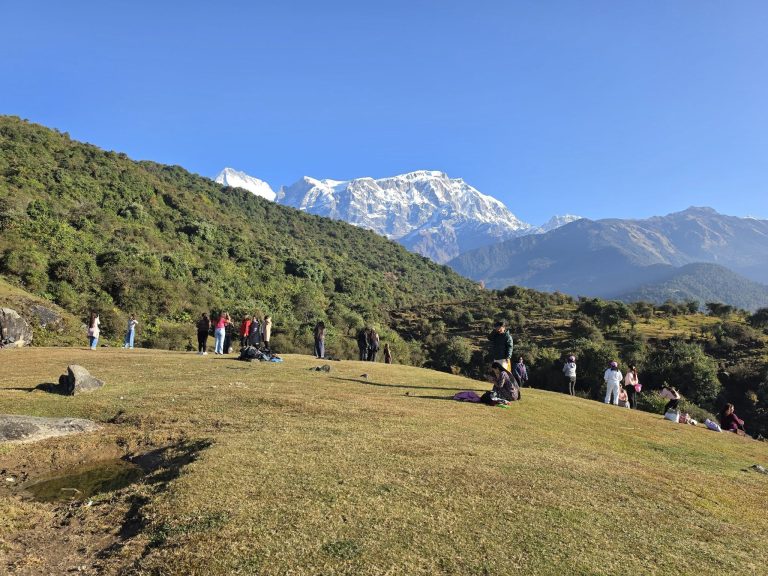
The autumn season is one of Nepal’s major periods for trekking and mountaineering tourism, attracting international travellers seeking favourable mountain views, outdoor adventures and opportunities to experience local Sherpa culture. As the gateway to the Everest region, Lukla plays a central role in facilitating these journeys and supporting tourism businesses throughout the surrounding mountain communities.
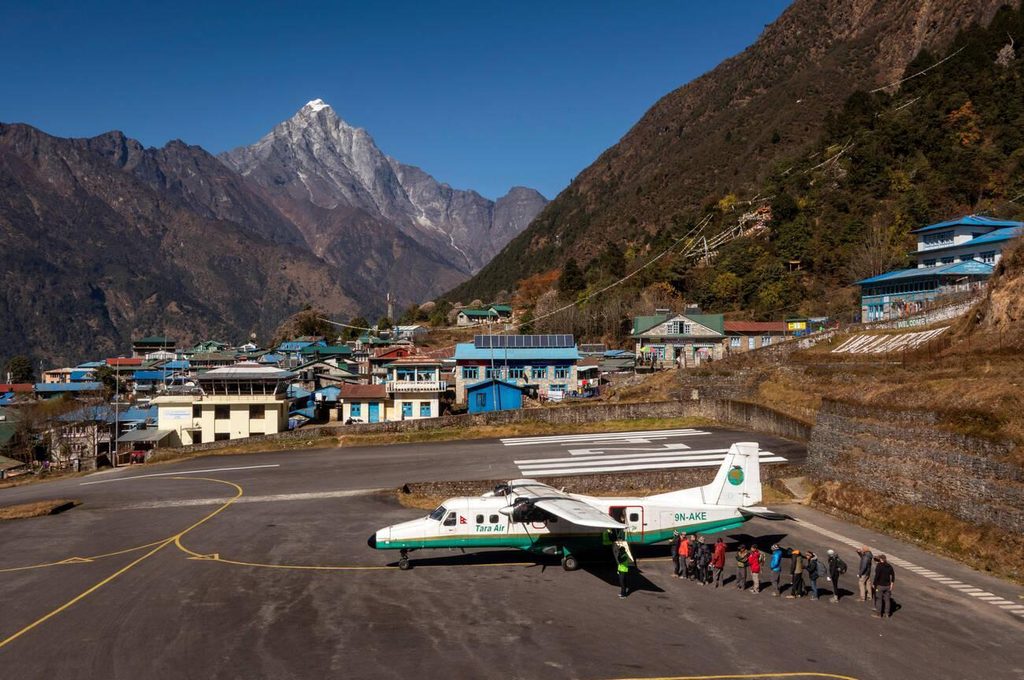
Lukla Airport Becomes a Busy Gateway to Everest
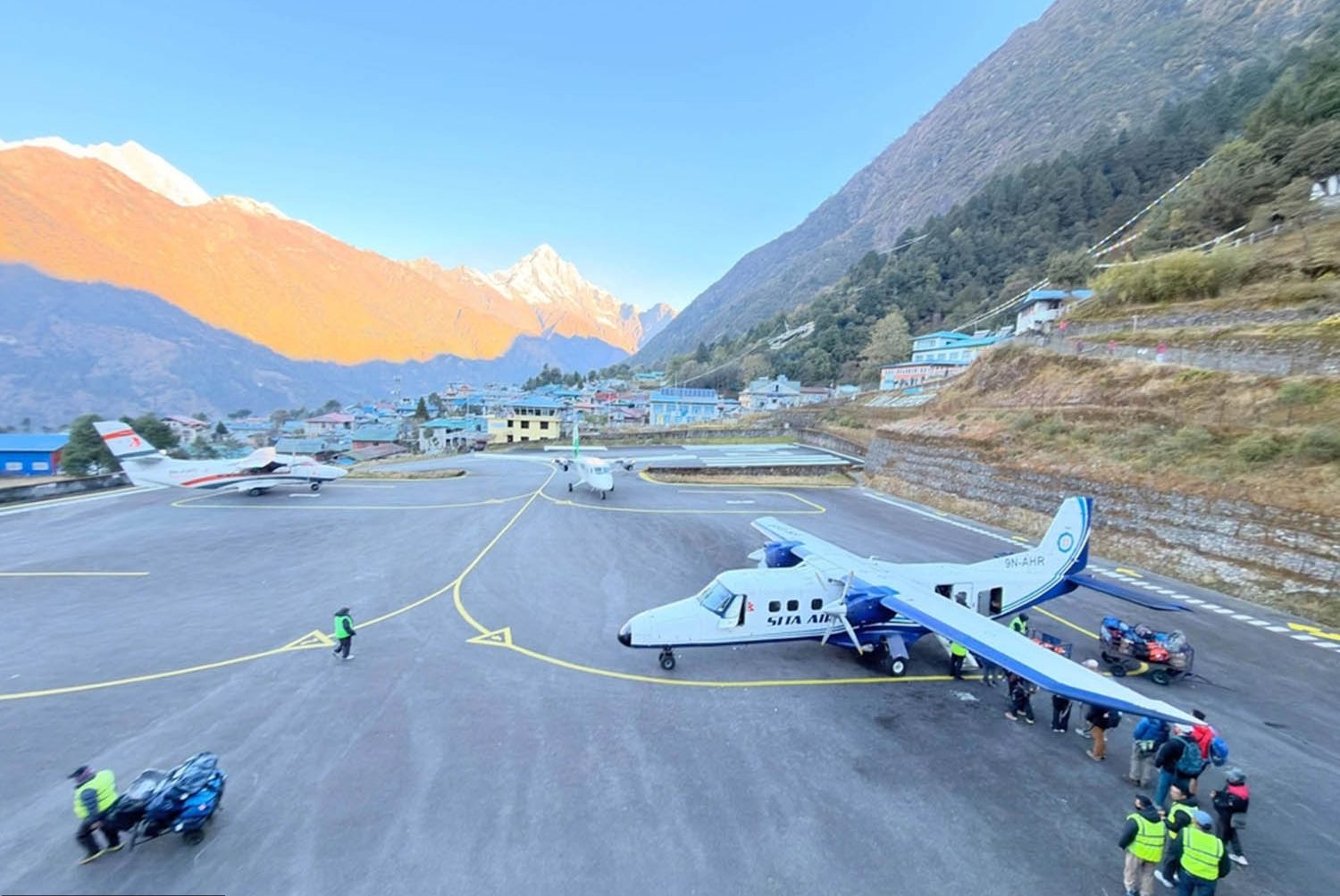
Tenzing-Hillary Airport in Lukla has become a major centre of activity as international trekkers arrive in increasing numbers for journeys into the Everest region. From the early morning hours, the airport sees a steady movement of passengers, including visitors arriving from Kathmandu and trekkers preparing to continue their journeys towards different Himalayan destinations.The growing demand is largely driven by visitors heading to Everest Base Camp, Gokyo and other trekking destinations in the Khumbu region. Lukla serves as the starting point for many of these journeys, connecting travellers to the mountain trails that pass through Namche Bazaar and extend towards Everest Base Camp, Kala Patthar and the Gokyo Valley.
Its strategic location makes the airport one of Nepal’s most important gateways for adventure and mountain tourism. According to Lakpa Kaji Sherpa, Lukla chief of Summit Air, tourists from a wide range of countries are arriving in significant numbers. He noted that the Everest Base Camp trek continues to be the region’s biggest attraction, drawing international visitors interested in experiencing the world’s highest mountain region.
The increased passenger movement has also created strong demand for air services. With limited scheduled flights operating between Kathmandu and Lukla, travellers are finding it increasingly difficult to secure tickets during busy periods. Some passengers have had to wait at the airport for extended periods while arranging their onward or return journeys. The situation highlights the importance of reliable air connectivity and adequate transport capacity in supporting the growing tourism demand in the Everest region.
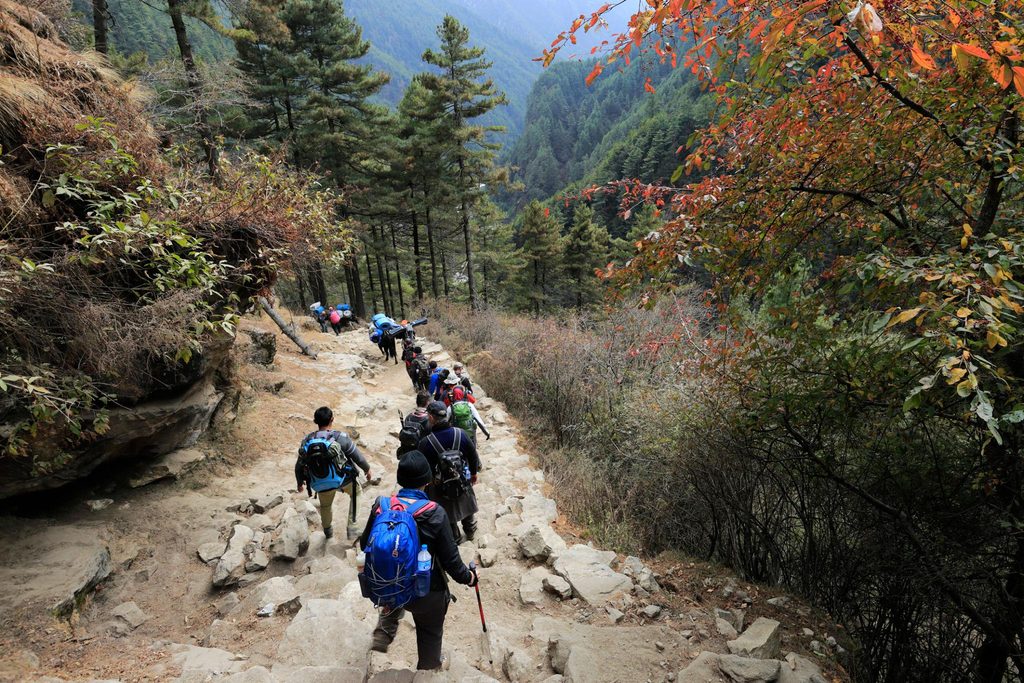
Airlines and Helicopter Operators Increase Flight Activity
Three airlines Tara Air, Summit Air and Sita Air operate regular flights serving Lukla, providing essential air connections for trekkers and other visitors travelling to and from the Everest region. During the autumn trekking season, demand for these services increases considerably as international travellers arrive in Nepal to explore the Himalayas. The airport’s aviation activity also extends beyond scheduled airline operations. According to acting airport chief Nawa Raj Katuwal, Lukla Airport handles an average of around 400 flights a day, including helicopter operations.
The increased movement reflects the important role of aviation in transporting tourists across the mountainous Khumbu region, where geographical conditions make air travel an essential part of tourism connectivity. Helicopter companies have also increased their operations to serve the growing number of visitors. Kailash Helicopter Services, Simrik Air, High Altitude, Heli Everest, Mountain Heli and Prabhu Heli are among the operators regularly providing services from Lukla. Their flights support tourist transportation, sightseeing and access to different destinations across the Everest region.
Helicopter services offer visitors additional ways to experience the Himalayan landscape, including aerial sightseeing trips over some of the world’s most recognisable mountain scenery. Depending on weather conditions and passenger demand, flights operate to Namche Bazaar, areas around Everest Base Camp and other destinations in the Khumbu region. The combined operations of fixed-wing aircraft and helicopters demonstrate the importance of aviation in Nepal’s adventure tourism industry. For destinations such as Lukla, air connectivity is not simply a transport service but a key component of the overall visitor experience, helping travellers reach remote mountain areas and supporting tourism activities throughout the region.
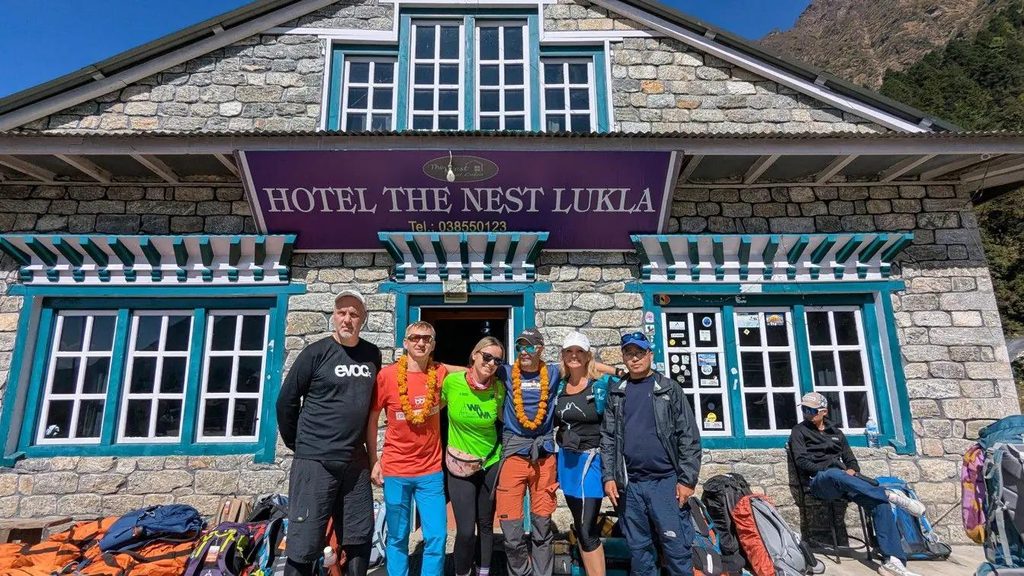
Growing Trekking Demand Supports Local Tourism Businesses
The rise in tourist arrivals is also generating economic benefits for Lukla and surrounding communities. Hotels, restaurants and other tourism-related businesses are experiencing increased activity as more international visitors arrive for trekking and mountain adventures. The growing number of travellers is creating demand for accommodation, meals, transportation, trekking arrangements and other visitor services.
Tourism provides an important source of income for residents of the Everest region. Hotels and restaurants benefit from increased visitor spending, while trekking guides, porters and local traders gain business from travellers preparing for or completing their Himalayan journeys. Local shops selling food, supplies and other goods also contribute to the tourism service network that supports visitors throughout the trekking season.
The economic impact extends beyond Lukla itself. As trekkers continue towards Namche Bazaar, Everest Base Camp, Gokyo and other destinations, their journeys generate business opportunities for communities along the trekking routes. Accommodation providers, teahouses, restaurants, guides and porters all play an important role in delivering services to visitors exploring the region. The growing demand for trekking experiences therefore supports a wide range of livelihoods connected to Nepal’s mountain tourism industry. For communities in the Khumbu region, the autumn trekking season remains particularly important in generating employment and income through hospitality, adventure services and local trade.
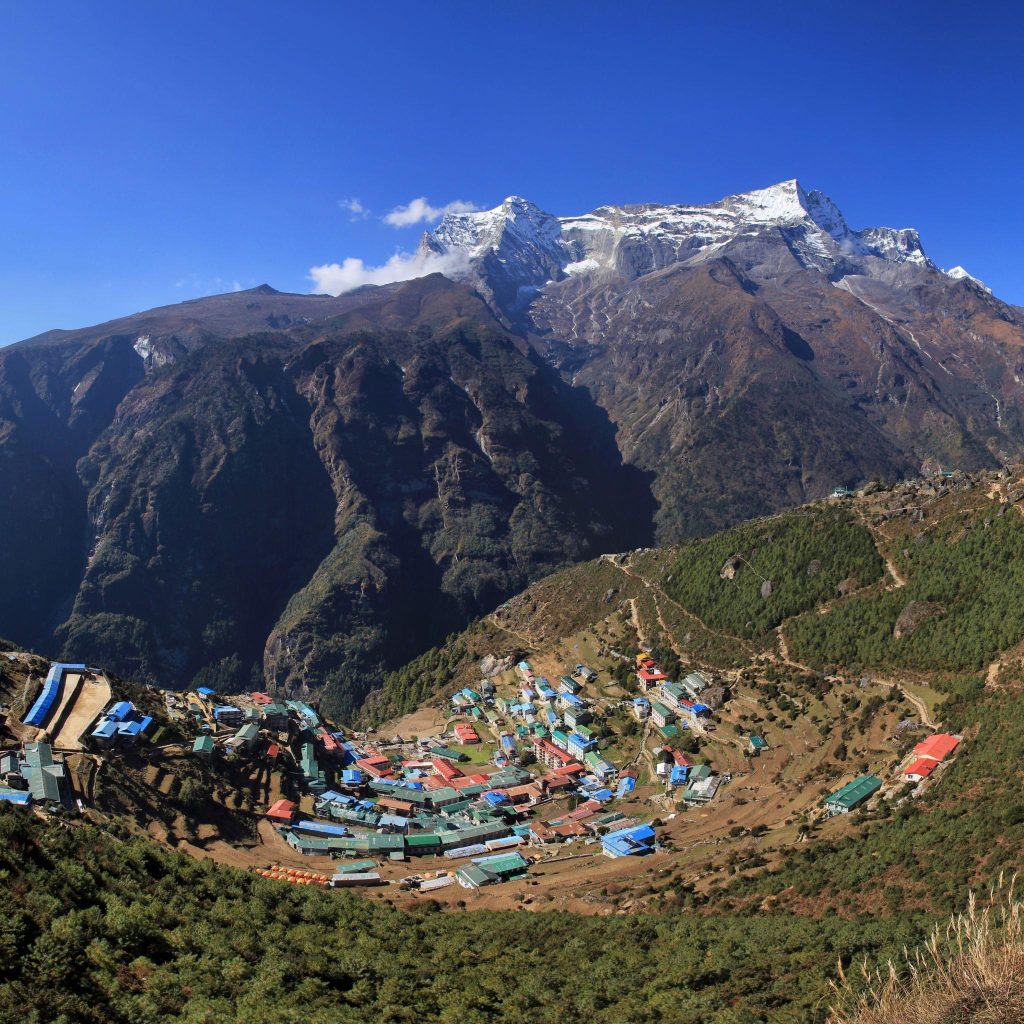
Everest Region Strengthens Its Position as a Leading Adventure Destination
The increasing number of international visitors in Lukla reflects the continued global appeal of Nepal’s Everest region. Its combination of dramatic mountain scenery, established trekking routes, Sherpa heritage and access to the world’s highest peaks makes it one of the country’s most recognised adventure tourism destinations. Everest Base Camp remains a major attraction for trekkers, while the Gokyo Valley and Kala Patthar offer additional experiences for visitors seeking to explore the natural and cultural landscapes of the Himalayas. The region also provides opportunities for visitors to experience local communities, traditional mountain lifestyles and the distinctive hospitality of the Khumbu area.
Lukla’s role as the primary air gateway strengthens its importance within Nepal’s wider tourism network. The airport connects international visitors arriving through Kathmandu with the mountain destinations that form the foundation of Everest-region tourism. The continued activity of airlines and helicopter operators further supports the movement of travellers and contributes to the accessibility of the region.
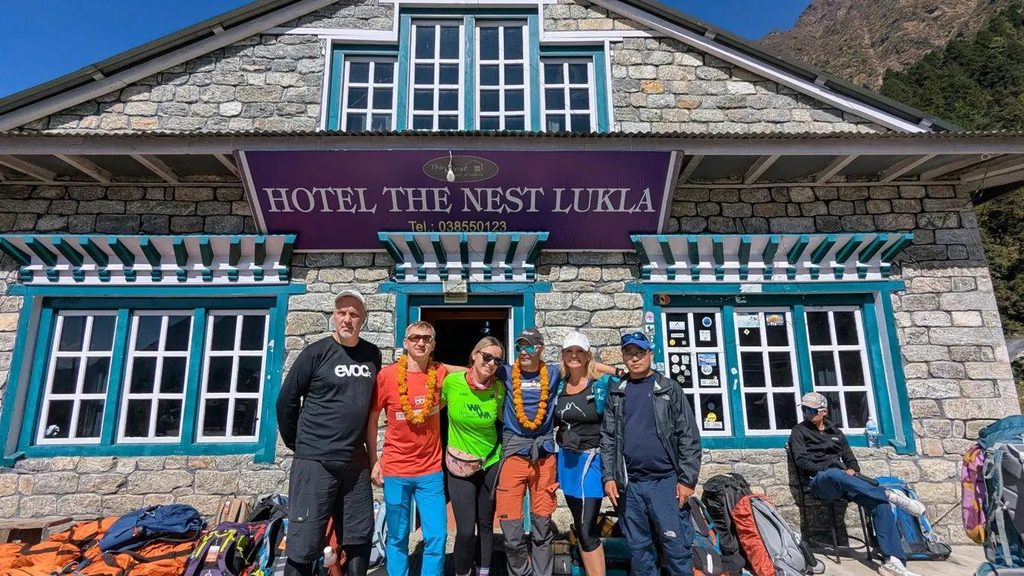
As the autumn trekking season progresses, the steady arrival of international visitors is bringing renewed momentum to tourism businesses and communities across the Everest region. The growing movement of trekkers, combined with increased aviation operations and demand for local services, highlights the continuing importance of mountain tourism to Nepal’s economy. With its position as the gateway to Everest, Lukla remains central to Nepal’s international adventure tourism appeal, welcoming travellers from around the world and supporting the livelihoods of communities that depend on the Himalayan tourism industry.