Popular tourism destinations in Kaski, including Ghandruk, Sikles and Lwang, have witnessed a sharp increase in tourist arrivals as the peak tourism season coincides with the Tihar and Chhath holidays. The extended holiday period has brought a large number of domestic travellers to the mountain villages, while Indian and other international tourists have also contributed to the growing visitor numbers. The surge has significantly increased demand for hotels, resorts, and community homestays, with several accommodation facilities operating at or near full capacity in Ghandruk, Sikles, and Lwang.
Some visitors who travelled without advance reservations have faced difficulties finding rooms, prompting local tourism committees and tourism entrepreneurs to advise travellers to confirm accommodation before heading to the destinations. The latest influx has provided a major boost to local tourism businesses, but it has also highlighted the need for better accommodation planning, visitor management and infrastructure as the popularity of rural tourism destinations continues to grow.
Ghandruk Receives Up to 3,500 Tourists Daily
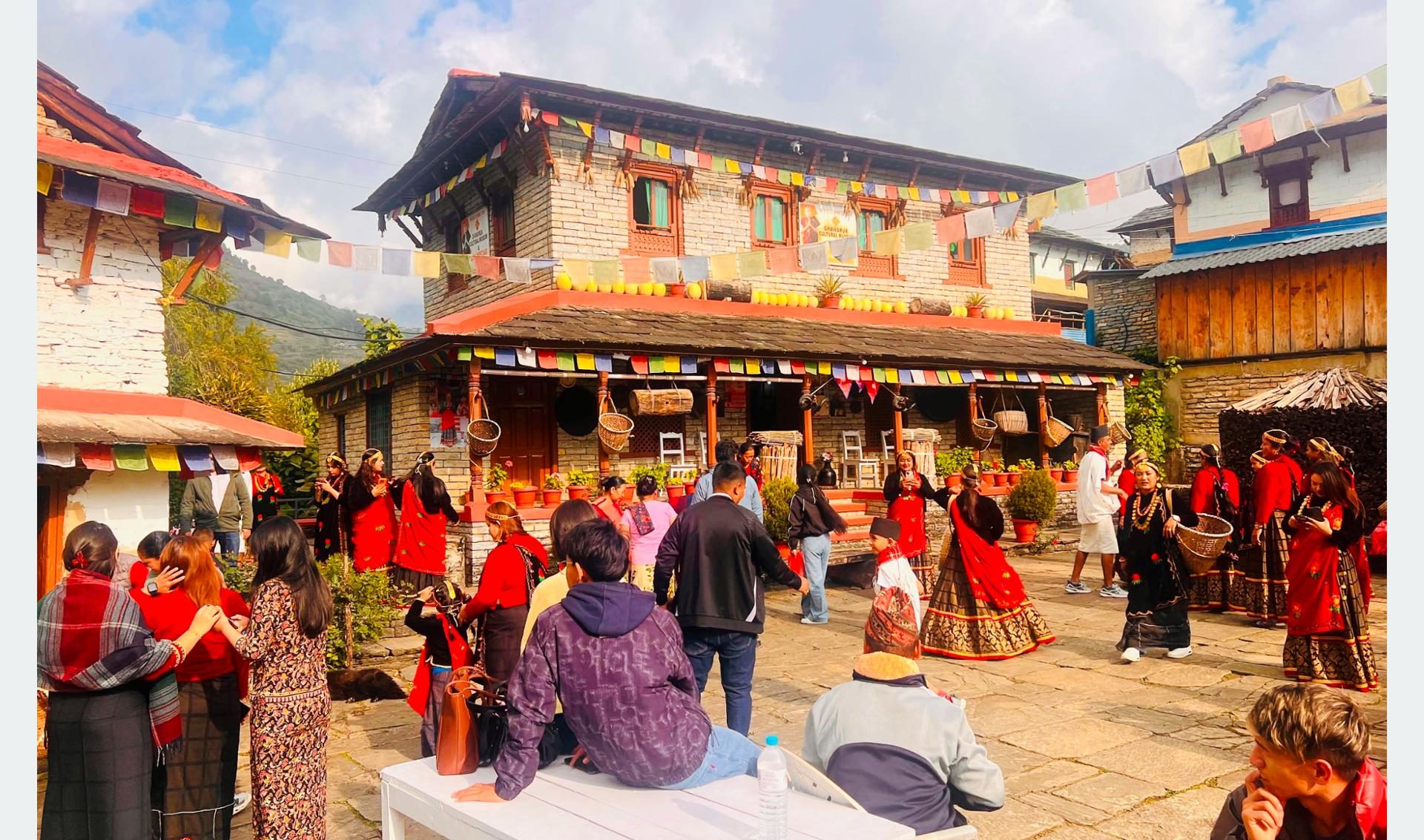
Tourist activity in Ghandruk, located in Annapurna Rural Municipality-10 and 11 of Kaski, has increased significantly since the day after Tihar. The village, one of Nepal’s most popular mountain tourism destinations, is currently receiving an estimated 3,400 to 3,500 visitors every day, according to Bikram Gurung, chairman of the Ghandruk Tourism Management Committee. The high volume of arrivals in Ghandruk has created considerable pressure on accommodation facilities, with visitors finding it increasingly difficult to secure rooms without prior reservations. The tourism management committee has therefore urged travellers planning to visit Ghandruk during the holiday season to make advance bookings to avoid difficulties in finding accommodation.

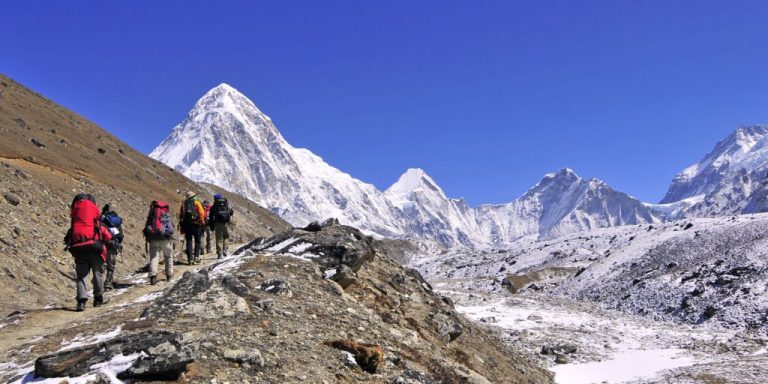
Although domestic tourists account for the majority of current visitors, Ghandruk is also receiving Indian and other international tourists. The village is an important destination along the Annapurna trekking network and serves as a popular stopover for travellers heading toward the Annapurna Base Camp and Poon Hill-Ghorepani trekking routes. Ghandruk’s panoramic views of the Annapurna and Machhapuchhre mountain ranges, traditional Gurung culture, distinctive village environment and renowned hospitality have long made Ghandruk a favourite among both domestic and foreign tourists.
Improved road connectivity has further increased its accessibility, particularly for domestic travellers who prefer short holidays and road-based trips rather than longer trekking itineraries. According to the tourism management committee, Ghandruk currently has around 80 hotels and resorts and 35 homestays, providing accommodation to visitors throughout the year. However, the current holiday rush has demonstrated that even this capacity can come under significant pressure during peak periods.
Traditional Culture and Mountain Scenery Drive Ghandruk’s Popularity
Ghandruk’s appeal extends beyond its mountain views, as the village provides visitors with an opportunity to experience the traditional lifestyle and cultural heritage of the Gurung community. Tourists can explore traditional settlements, observe local customs and enjoy locally prepared food while taking in views of some of Nepal’s most prominent Himalayan peaks. The village has also benefited from its strategic position on popular trekking routes, allowing it to attract both trekkers and leisure travellers.
In recent years, improved road access from Pokhara has made Ghandruk increasingly popular among domestic tourists who can reach the destination without undertaking a long trek. The combination of accessible transportation, natural scenery, cultural experiences and hospitality has transformed Ghandruk into a year-round tourism destination, although peak holiday periods continue to produce particularly high visitor numbers. Local tourism entrepreneurs believe the latest influx reflects the growing preference among Nepali travellers for short rural getaways and destinations where they can combine relaxation, nature and cultural experiences.
Sikles Sees More Than 1,300 Visitors in One Day
A similar tourism boom has been recorded in Sikles, located in Madi Rural Municipality-1 of Kaski. According to the local Tourist Information Centre, as many as 1,324 tourists visited Sikles on the day following Tihar, creating significant pressure on hotels and other accommodation facilities. Local tourism entrepreneurs have reported difficulties in accommodating the sudden increase in visitors, particularly those arriving without prior reservations.

Jharana Gurung, operator of Namaste Guest House, said the guest house had already been booked through Sunday, making it difficult to provide rooms to newly arriving visitors. She urged travellers to check accommodation availability and make advance bookings before travelling to Sikles. The situation reflects the growing popularity of Sikles as a short-haul destination from Pokhara, particularly during festival holidays when large numbers of domestic tourists travel with families and groups. While the increase in visitor numbers is providing a welcome boost to local businesses, accommodation providers have been required to manage demand carefully to ensure visitors receive adequate services during the peak period.
Sikles Offers a Blend of Nature and Gurung Heritage
Situated in the Himalayan foothills, Sikles is recognised for its natural beauty, traditional Gurung culture and distinctive settlement pattern. The village features rows of houses with stone and tin roofs, stone-paved courtyards and pathways, traditionally designed windows and doors and narrow lanes that preserve its traditional character. The surrounding Madi River, green forests, hills and Himalayan views add to the village’s appeal, making it an attractive destination for travellers looking for both natural and cultural experiences. Visitors can explore the Gurung Museum, Peace Memorial and Sikles Park, while traditional costumes, cultural dances, music and local cuisine provide opportunities to experience the community’s living heritage.
The development and growing popularity of the Sikles-Kapuche-Kori trekking route has further expanded the village’s tourism market, bringing increasing numbers of trekkers and adventure travellers to the area. Tourism in Sikles initially developed through community-based homestays around two decades ago, but the sector has gradually expanded, with hotels, guest houses and homestays now providing accommodation to a wider range of visitors. The evolution of the tourism industry demonstrates how community participation and cultural preservation can contribute to rural economic development while creating new opportunities for local residents.
Lwang Experiences Growing Demand for Homestays
Tourist arrivals have also increased significantly in Lwang, located in Machhapuchhre Rural Municipality-8 and within close proximity to Pokhara Metropolitan City. According to Manju Gurung, former chairperson of the Lwang Community Homestay Management Committee, hotels and homestays in the village have been filled with visitors since the day after Tihar, creating difficulties in managing the sudden increase in demand. Lwang has developed its tourism industry primarily through community-based homestays.

The programme began in 2067 BS with only seven households, but it has since expanded to 26 households. The village’s homestay facilities can accommodate up to around 400 guests in a single night, providing visitors with an opportunity to stay with local families and experience the traditional lifestyle of the Gurung community. The growth of homestay tourism has helped create income opportunities for local households while encouraging the preservation of local culture, cuisine and traditional practices. The current holiday rush has demonstrated the growing market for authentic village experiences among Nepali tourists, particularly travellers seeking destinations that offer natural scenery and cultural interaction within a relatively short distance from Pokhara.
Tea Garden and Himalayan Views Add to Lwang’s Appeal
Situated at an elevation of around 1,400 metres above sea level, Lwang is known for its scenic views of the Machhapuchhre and Annapurna mountain ranges, particularly during sunrise. One of the village’s major attractions is a tea garden covering around 1,200 ropanis of land above the settlement. The combination of the tea garden, mountain scenery, Gurung culture and traditional village environment has helped Lwang establish itself as an emerging cultural and nature-based tourism destination.
Visitors can experience local food, observe traditional agricultural practices and learn about the preparation of indigenous dishes, while some tourism activities also allow guests to observe traditional bamboo craftsmanship, including the production of items such as doko and sekhu. The village also benefits from its proximity to trekking routes leading toward Annapurna Base Camp and the Mardi region, with some trekkers using Lwang as a resting point. Nearby attractions, including Pokhara Canyon and Ghalegaun, further strengthen the tourism potential of the wider area and allow travellers to combine several attractions in a single itinerary.
Holiday Tourism Boosts Rural Economy
The surge in visitors to Ghandruk, Sikles and Lwang during the Tihar and Chhath holidays has provided a substantial boost to the local tourism economy. Increased visitor numbers have benefited hotels, homestays, restaurants, transport operators, local food producers, farmers, handicraft producers and other businesses that depend directly or indirectly on tourism. Domestic tourism has become particularly important for these destinations because Nepali travellers increasingly prefer short trips during public holidays, with road connectivity allowing them to reach mountain villages more conveniently. The growth also demonstrates that tourism in Nepal is gradually expanding beyond major urban centres and traditional trekking destinations, with rural villages increasingly attracting visitors through their combination of nature, culture and community-based experiences.
Accommodation and Destination Management Remain Challenges
Despite the economic benefits, the latest visitor surge has also exposed challenges related to accommodation capacity and destination management. The difficulty faced by tourists who arrive without advance bookings indicates the need for better coordination between tourism committees, hotels, homestays and transport operators during peak periods. Improved booking systems, accurate information about room availability, better traffic management, waste management, sanitation facilities and emergency services will become increasingly important as visitor numbers continue to rise.

The pressure created by large numbers of visitors within a short period also highlights the importance of managing tourism growth in a way that protects the cultural identity and natural environment of the villages. Sustainable tourism development will require local communities and authorities to ensure that infrastructure expands alongside visitor numbers rather than allowing overcrowding to undermine the very qualities that attract tourists.
Road Access Strengthens Kaski’s Rural Tourism Network
The availability of road connections from Pokhara to Ghandruk, Sikles and Lwang has played a major role in increasing visitor numbers. Easier transportation has opened these destinations to a wider domestic market, including families, senior citizens and travellers who may not be able to undertake multi-day treks. At the same time, the villages continue to attract trekkers and international visitors because of their proximity to major trekking routes and their distinctive cultural and natural attractions. The combination of improved accessibility and authentic village experiences has created strong potential for Kaski to further develop rural, cultural, community-based and adventure tourism.
The latest Tihar and Chhath holiday rush has once again demonstrated the strong tourism potential of Ghandruk, Sikles and Lwang. With spectacular mountain landscapes, Gurung heritage, traditional food, trekking routes and community homestays, the three destinations offer a diverse tourism experience within the wider Pokhara region. As domestic tourism continues to expand, the challenge for local stakeholders will be to manage the growing visitor numbers while improving accommodation, infrastructure and services and preserving the natural and cultural heritage that has made these villages increasingly popular among travellers.