The Annapurna Conservation Area Project (ACAP) has warned trekking agencies that online trekking permits issued only after tourists have already reached the second checkpoint will not be considered valid. Issuing a permit after trekkers have entered the route has been identified as a violation of the prescribed permit procedure, and ACAP has urged all trekking agencies to complete the process on time and ensure that permits are properly authenticated before presenting them at checkpoints.
According to a notice issued by ACAP for trekking agencies, agencies are required to obtain trekking permits within the prescribed time, complete the payment process and print the permit before tourists proceed to the relevant checkpoints. The printed permit must also carry the agency’s official stamp before it is presented for verification. ACAP has specifically warned agencies against issuing online permits only after tourists have reached the second checkpoint, stating that such permits will not be recognised as valid.
Agencies Must Print and Stamp Permits Before Checkpoints
ACAP has instructed trekking agencies to follow the required procedure after obtaining permits through the online system. Once payment has been completed, the permit becomes available through the agency’s panel and must be printed before being presented at the checkpoint. The agency’s official stamp must be affixed to the printed document to authenticate it.
The conservation project said it had found cases in which trekking agencies issued permits only after tourists had already reached the second checkpoint. Such permits, according to ACAP, will not be accepted. The project has also stated that action has already been taken against some agencies found involved in such practices. The warning is aimed at ensuring that trekking permits are issued before tourists enter the relevant trekking routes and that agencies do not attempt to regularise unauthorised or delayed entry by obtaining permits after trekkers have already passed through checkpoints.
Unclear or Duplicate Permits Could Lead to Action
ACAP has also warned trekking agencies and trekkers to ensure that permits are clear, authentic and used only for the designated trip. If a permit is unclear, has already been used or is found to be a duplicate, the checkpoint authorities may turn the tourist back or initiate action in accordance with the applicable law.
The project has urged all trekking agencies to maintain transparency and comply with the established permit procedures. It has stressed that agencies are responsible for ensuring that the necessary documentation is completed correctly before tourists reach the checkpoints. The conservation project has called on agencies to issue permits on time, follow the prescribed procedures and ensure that all documents presented for inspection are properly authenticated.
Authorities Step Up Monitoring of Trekking Permit Compliance
The ACAP warning comes at a time when government authorities are increasing monitoring and enforcement of trekking permit requirements for foreign tourists, particularly those travelling to restricted areas. The Department of Immigration recently took action against trekking agencies after foreign nationals were found travelling in restricted areas without the required permits.

In one case, the department fined Mount Rose Tours & Travels Pvt. Ltd. Rs 50,000 after four Mexican nationals entered the restricted area of Lower Dolpa without trekking permits. Each of the four tourists was fined Rs 10,000 and was required to pay the applicable permit fee of US$20 per person per week. The case highlighted the responsibility of trekking agencies to ensure that foreign tourists obtain the necessary permits before entering restricted areas. Trekking agencies are required to verify the applicable permit requirements and ensure that tourists follow the authorised routes and conditions.
Another Agency Fined Over Dolpo Permit Violation
In another case, the Department of Immigration fined Garima Voyage Travels Tours and Treks Pvt. Ltd. Rs 50,000 after two Belgian nationals were allegedly taken towards Dolpo Buddha Rural Municipality without the required trekking permits. The department also asked the Department of Tourism and the concerned ministry of the Bagmati Province to investigate the conduct and guide licence of guide Asmir Bhandari in connection with the case.
The action reflects the government’s growing focus on ensuring that trekking operators, guides and agencies comply with permit requirements when taking foreign visitors into restricted areas. Authorities have emphasised that permits must be obtained before tourists enter such areas and that trekking activities must remain within the routes, duration and other conditions specified in the permits.
Agencies Responsible for Compliance
The Department of Immigration has directed trekking agencies to obtain the necessary permits before taking foreign tourists into restricted areas and to ensure compliance with the conditions attached to those permits. These conditions can include specified trekking routes, permitted duration and other requirements related to access and conservation.
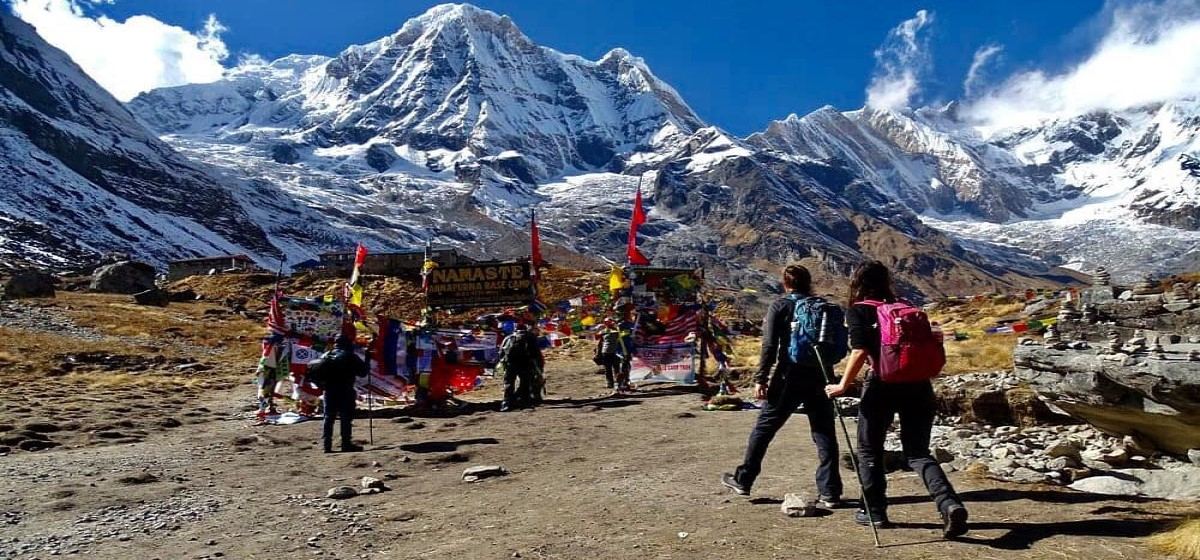
ACAP has similarly reminded agencies operating in the Annapurna Conservation Area that permit procedures must be followed strictly. Agencies are expected to ensure that permits are issued and authenticated before trekkers reach the designated checkpoints rather than attempting to obtain documents after entry. The latest notice also serves as a reminder to tourists to use registered trekking agencies and verify that all required permits have been properly issued before beginning their journey.

Focus on Transparent and Responsible Trekking
The stricter enforcement is expected to improve monitoring of trekkers and strengthen compliance with conservation and tourism regulations in Nepal’s protected and restricted trekking areas. Proper permit issuance allows authorities to maintain records of visitors, monitor trekking activities and ensure that tourists enter designated areas under the applicable rules.
ACAP has therefore urged all trekking agencies to issue permits on time, print and officially stamp them, and comply fully with the prescribed procedures. It has warned that agencies and trekkers attempting to bypass the system could face consequences under the applicable regulations. With trekking activity increasing during Nepal’s peak tourism season, authorities have reiterated that proper documentation is not merely an administrative requirement but an essential part of ensuring safe, regulated and responsible trekking in the country’s protected mountain destinations.