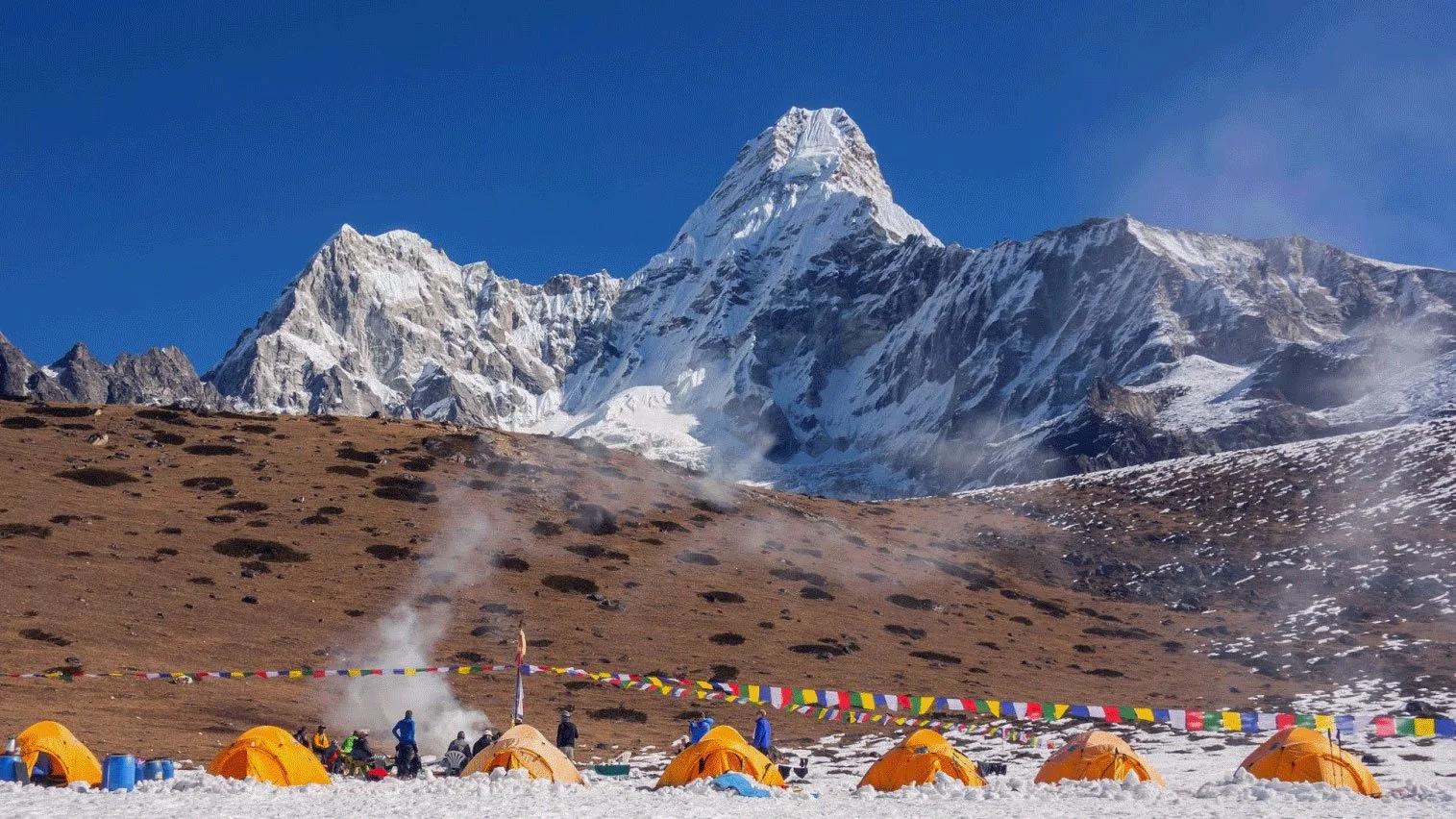
Nepal’s popular Ama Dablam climbing season continues to record successful ascents, with several international mountaineers reaching the summit alongside their Nepali Sherpa guides between November 8 and 16, 2026. The latest achievements highlight the continued activity of Himalayan mountaineering expeditions and the contribution of experienced Nepali climbing professionals to international adventure tourism. According to an expedition update covering the period from November 8 to 16, climbers from the United Kingdom, Italy and Spain successfully reached the summit of Ama Dablam with the support of Nepali Sherpa guides. The reported achievements include three separate summit dates, demonstrating that climbing activities on the mountain are continuing as the season moves towards its later stages.
The successful ascents were recorded on November 8, November 13 and November 16. Each expedition involved international climbers working alongside Nepali Sherpa professionals, whose mountain experience and technical support play an important role in Himalayan climbing activities. Ama Dablam remains one of Nepal’s recognised mountaineering destinations, attracting climbers from different parts of the world with its distinctive mountain profile and challenging high-altitude climbing routes. The latest summit achievements add to the season’s climbing activity and reflect the continuing appeal of Nepal’s Himalayan adventure tourism.

International Climbers Record Successful Ama Dablam Summits
The latest reported success came on November 16, when Spanish climber Ruben Valenciano Martinez reached the summit of Ama Dablam with Nepali Sherpa guide Mingma Thinduk Sherpa. Their achievement marked the third group of successful summiters announced during the November 8–16 reporting period. Earlier, on November 13, three Italian climbers – Francois Cazzanelli, Rudi Janin and Pietro Franceschelli – successfully summited the mountain with Dawa Nurbu Sherpa. The achievement brought together an international climbing team and a Nepali Sherpa professional, reflecting the collaborative nature of mountaineering expeditions in the Himalayas.
The first success in the reported period took place on November 8, when Alexander Kacharava from the United Kingdom reached the summit alongside Tashi Sherpa of Nepal. Their ascent opened the series of successful summit announcements for the period. The three reported summit dates demonstrate the continued movement of climbing teams on Ama Dablam during November. The participation of climbers from different countries also reflects the mountain’s international reputation and its role in attracting adventure travellers to Nepal. The expedition update extended congratulations to all the successful climbers and their supporting Sherpa guides, recognising their achievements on one of the country’s well-known Himalayan peaks.
Nepali Sherpa Guides Support International Mountaineering Teams
Nepali Sherpa guides were central to all three successful summit teams announced during the reporting period. Tashi Sherpa accompanied Alexander Kacharava on November 8, while Dawa Nurbu Sherpa supported the three Italian climbers on November 13. Mingma Thinduk Sherpa joined Spanish climber Ruben Valenciano Martinez for the November 16 ascent. Sherpa climbing professionals are an important part of Nepal’s mountaineering industry. Their experience in high-altitude environments, familiarity with Himalayan terrain and technical climbing knowledge contribute to the operations of international expeditions. Their work also helps connect visiting climbers with Nepal’s mountain tourism sector.
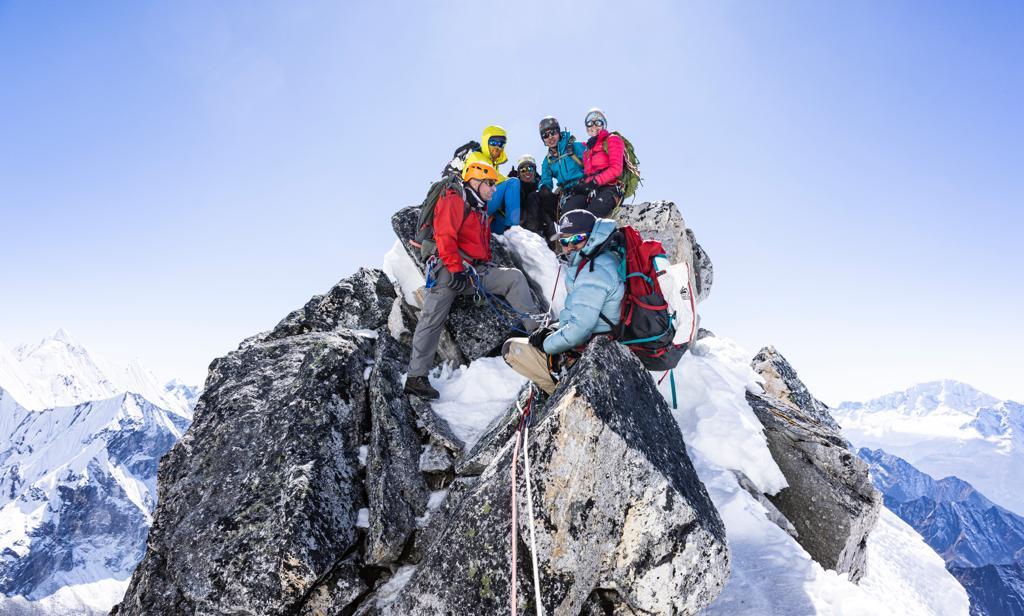
Mountaineering expeditions involve coordination among climbers, guides and other support professionals. Preparing for a summit attempt requires teams to work together while adapting to the demanding conditions of high-altitude environments. The latest Ama Dablam achievements highlight the contribution of these partnerships to successful climbing experiences in Nepal. The involvement of Nepali guides alongside international climbers also reflects the country’s position as a major destination for mountaineering. Nepal’s climbing industry attracts visitors seeking technical challenges and Himalayan experiences, while creating professional opportunities for local mountain workers and expedition support teams.
Ama Dablam Continues to Attract Adventure Tourism
Ama Dablam is among the prominent peaks of Nepal’s Khumbu region and is widely recognised for its distinctive shape and dramatic Himalayan setting. Its climbing routes attract experienced mountaineers seeking technical high-altitude challenges, making it an important destination within Nepal’s adventure tourism portfolio. The mountain’s profile and climbing demands distinguish it from many trekking destinations in the Everest region.
While trekking brings visitors to the Khumbu to experience its landscapes, villages and mountain viewpoints, climbing expeditions offer another dimension of adventure tourism by attracting mountaineers interested in reaching Himalayan summits. Successful ascents such as those reported this November help maintain international interest in Nepal’s climbing opportunities. They also bring attention to the teamwork, preparation and professional support involved in organising expeditions in the Himalayas. For Nepal’s tourism industry, mountaineering is an important part of the country’s international adventure travel identity.
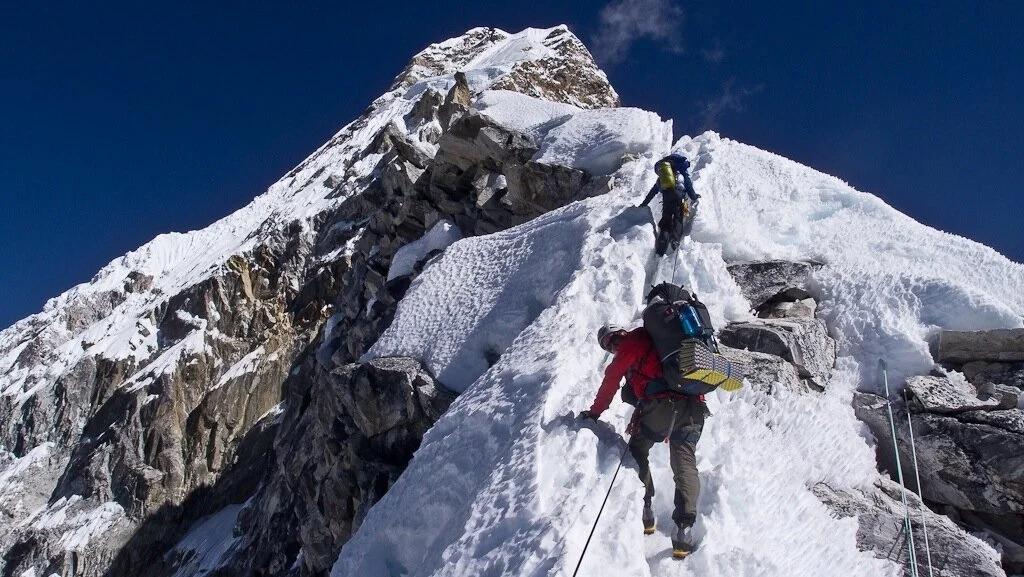
The Himalayas provide opportunities for climbing, trekking and other mountain-based experiences, attracting visitors who seek direct engagement with some of the world’s most recognised high-altitude landscapes. Ama Dablam’s continuing expedition activity adds to this appeal, particularly among climbers interested in technical Himalayan peaks. The latest achievements by climbers from the United Kingdom, Italy and Spain demonstrate the mountain’s ability to attract an international mix of mountaineering teams.
More Ama Dablam Expeditions Continue Towards Summit Attempts
Although several teams have already reported successful ascents, Ama Dablam expeditions remain underway as the 2026 climbing season approaches its later part. The expedition update extended its best wishes to the remaining team members who are preparing for their summit attempts. The ongoing activity indicates that climbing teams are continuing their preparations and expedition schedules on the mountain. Further summit attempts will depend on the conditions and individual teams’ readiness as they progress through their respective climbing plans.
The latest announcement also reflects the importance of recognising both successful climbers and the Nepali professionals supporting their expeditions. Each successful ascent represents a collective effort involving mountaineers and their guides, whose cooperation is essential to high-altitude climbing activities. With international climbers continuing to visit the Khumbu region and Nepali Sherpa guides supporting their journeys, Ama Dablam remains an active destination in Nepal’s mountaineering calendar. The latest summit successes provide another positive update from the country’s Himalayan climbing sector and reinforce Nepal’s appeal as a destination for international adventure tourism.