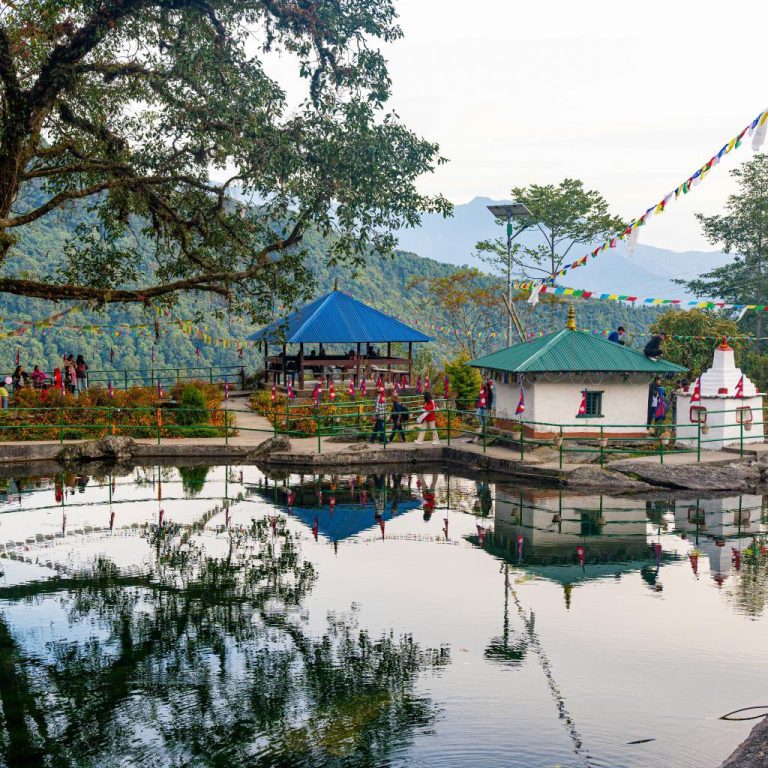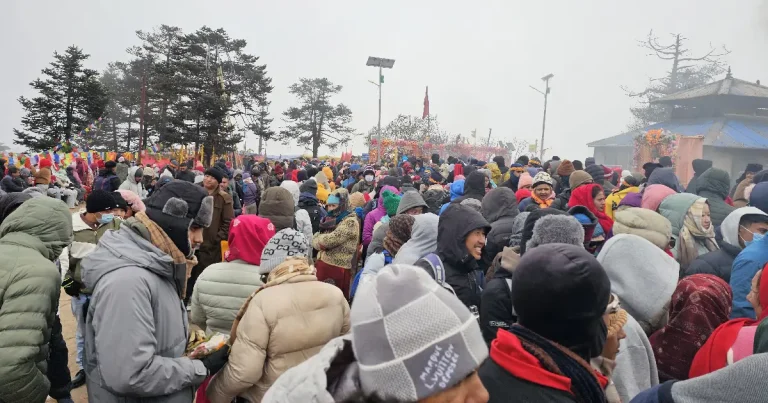
The Embassy of Nepal, Colombo, Sri Lanka, has highlighted the cultural heritage and environmental significance of Chhath Puja, presenting the festival as a symbol of Nepal’s deep connection with nature, sustainable living and community responsibility. Through its message on the occasion, the Embassy has emphasised that Chhath is not only a religious celebration but also an expression of gratitude towards the Sun, water and Earth. Celebrated with devotion along rivers, ponds, lakes and other water bodies, Chhath Puja brings families and communities together through traditional rituals and collective celebrations. From Janakpur, Birgunj, Biratnagar and Mahottari to Kathmandu and Nepali communities abroad, the festival represents an important part of Nepal’s cultural identity.
In its message, The Embassy of Nepal, Colombo, Sri Lanka, has drawn attention to how traditional Chhath practices promote environmental awareness through clean surroundings, natural offerings, local products and reduced dependence on plastic materials. The Embassy has also highlighted the festival’s potential to strengthen cultural diplomacy by sharing Nepal’s traditions and environmental values with international communities, particularly in Sri Lanka and the Maldives.
Chhath Puja: A Festival Rooted in Nature and Nepal’s Cultural Heritage
Chhath Puja stands out among religious festivals because its principal rituals take place in natural surroundings rather than inside temples. Devotees worship Surya, the Sun, as the source of life and energy, while Chhathi Maiya is revered as a protector of children and families. Water and Earth also hold central significance, representing purification, nourishment and the foundations of life. The festival’s relationship with nature is particularly visible in the way devotees observe the rituals. Riverbanks, ponds, lakes and other water bodies become gathering places for families and communities.
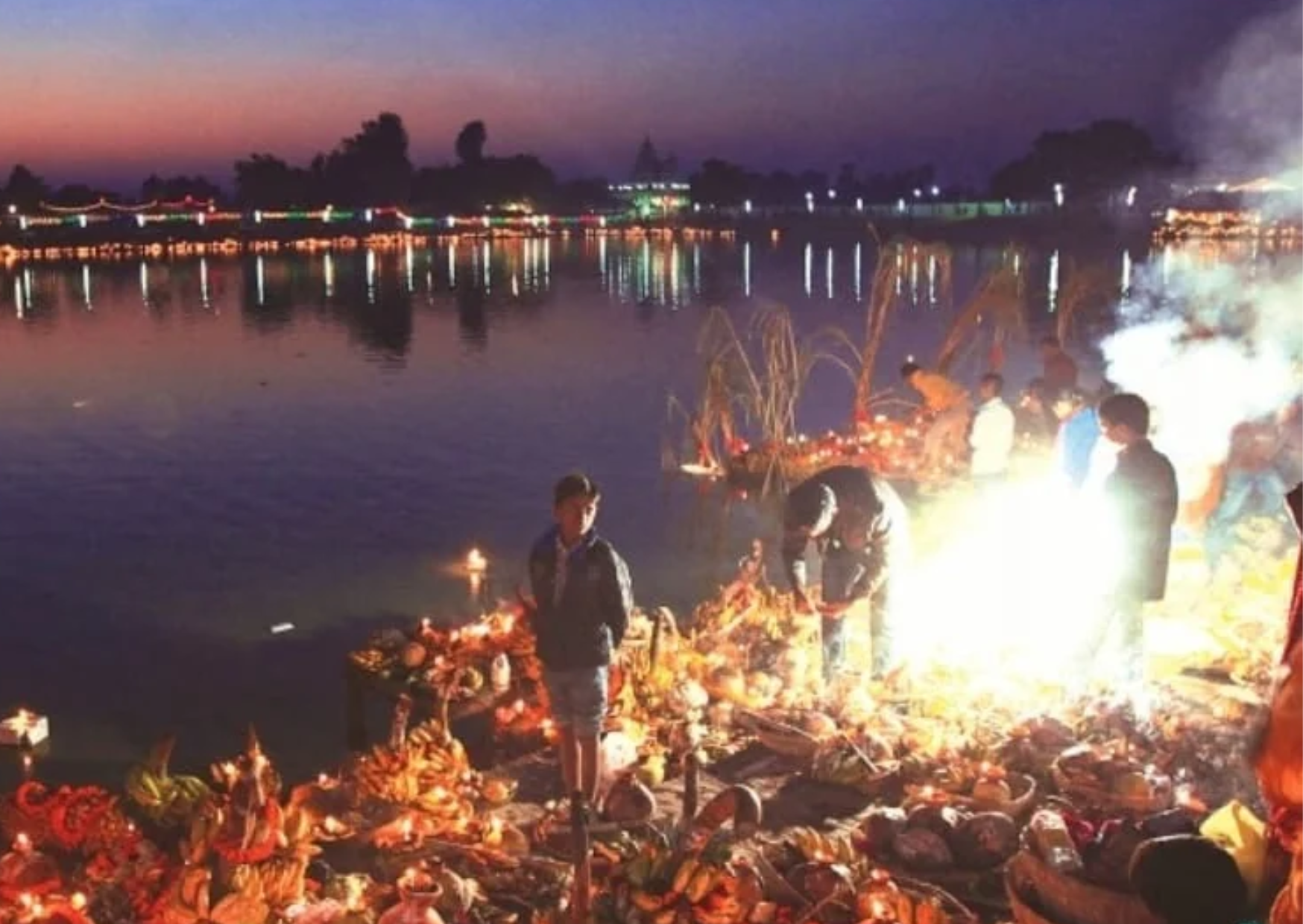
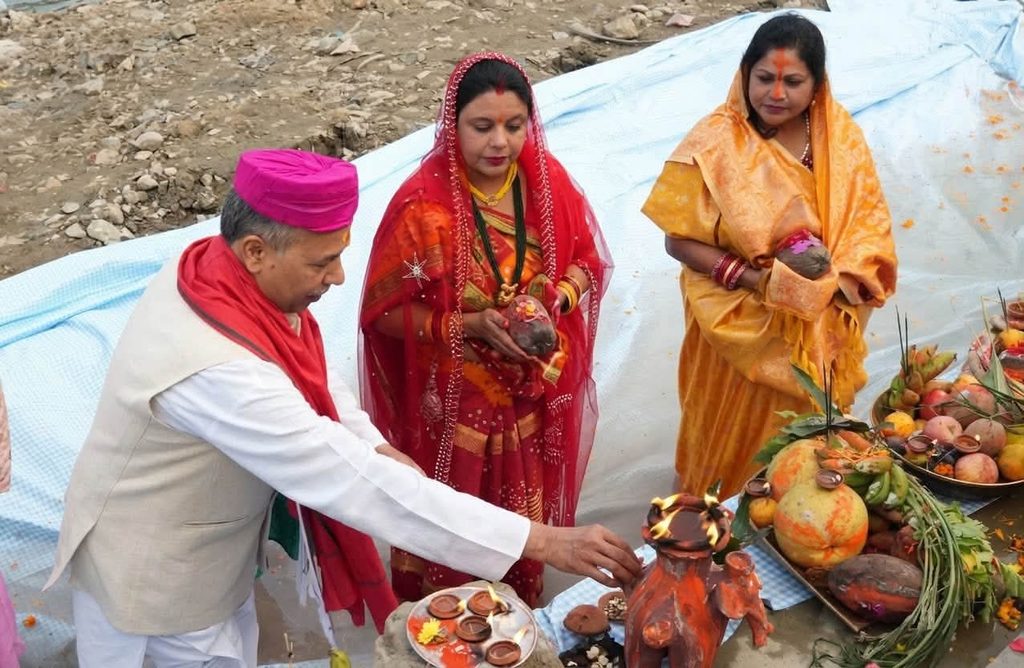
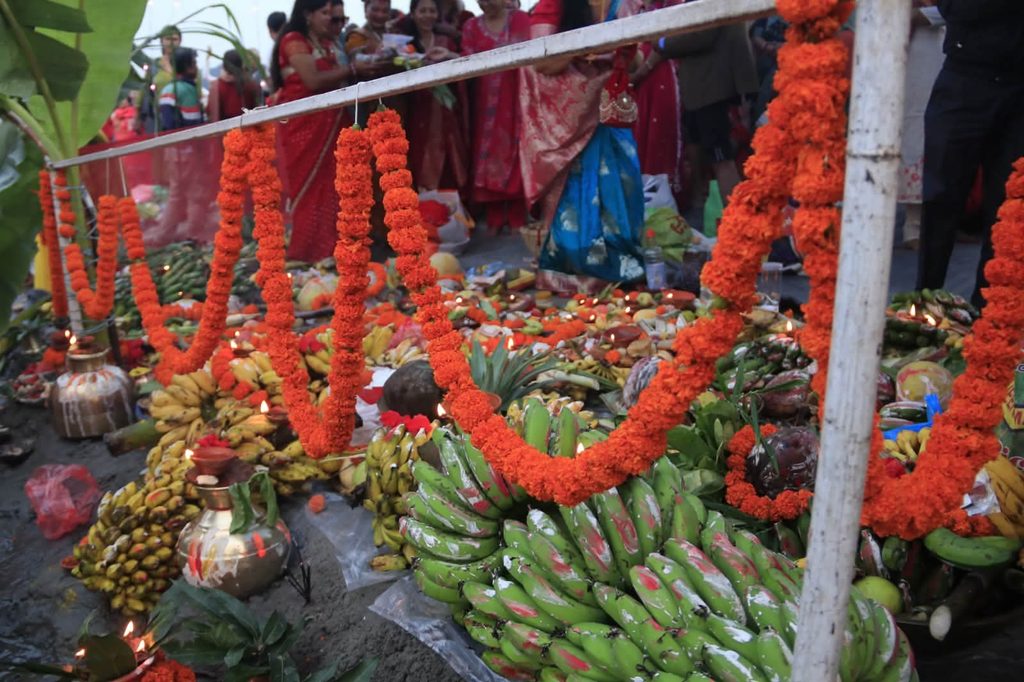
Offerings are traditionally prepared using seasonal fruits, locally produced food, flowers, bamboo baskets, clay pots and other natural materials. These practices reflect a way of celebrating that is closely connected to local resources and community traditions. In Nepal, Chhath is especially associated with the Madhesh and Terai regions, where communities have preserved the festival’s rituals and cultural significance across generations. Major celebrations take place in places such as Janakpur, Birgunj, Biratnagar and Mahottari, while the festival is also observed in Kathmandu and other parts of the country.
Beyond its religious importance, Chhath has become an important expression of Nepal’s cultural identity. Its rituals, traditional foods, music and community gatherings offer visitors an opportunity to understand the country’s cultural diversity and living heritage. The festival’s connection with rivers and public spaces also highlights the importance of protecting the natural environments that support these traditions.
Four Days of Chhath: Rituals of Purity, Gratitude and Discipline
Chhath Puja is observed over four days, with each stage carrying a distinct cultural and spiritual meaning. The first day, Nahay Khay, begins with devotees bathing, cleaning their homes and surroundings, and preparing vegetarian meals using clean utensils. The emphasis on cleanliness reflects the importance of personal and environmental purity before beginning the festival’s main observances. The second day, known as Kharna, involves fasting throughout the day, with the fast traditionally broken after sunset through offerings of kheer, roti and fruits. Food is also shared with neighbours and people in need, reinforcing the values of generosity, community support and social connection.
The third day is Sandhya Arghya, when devotees gather near water bodies in the evening to offer Arghya to the setting Sun. Standing in water and presenting traditional offerings, families express gratitude for the energy and life sustained by the Sun. The ritual is among the most recognisable moments of Chhath, drawing large community gatherings at riverbanks and designated ghats. The festival concludes with Usha Arghya on the fourth day, when devotees offer prayers to the rising Sun. The morning ritual represents hope, renewal and the beginning of a new day.
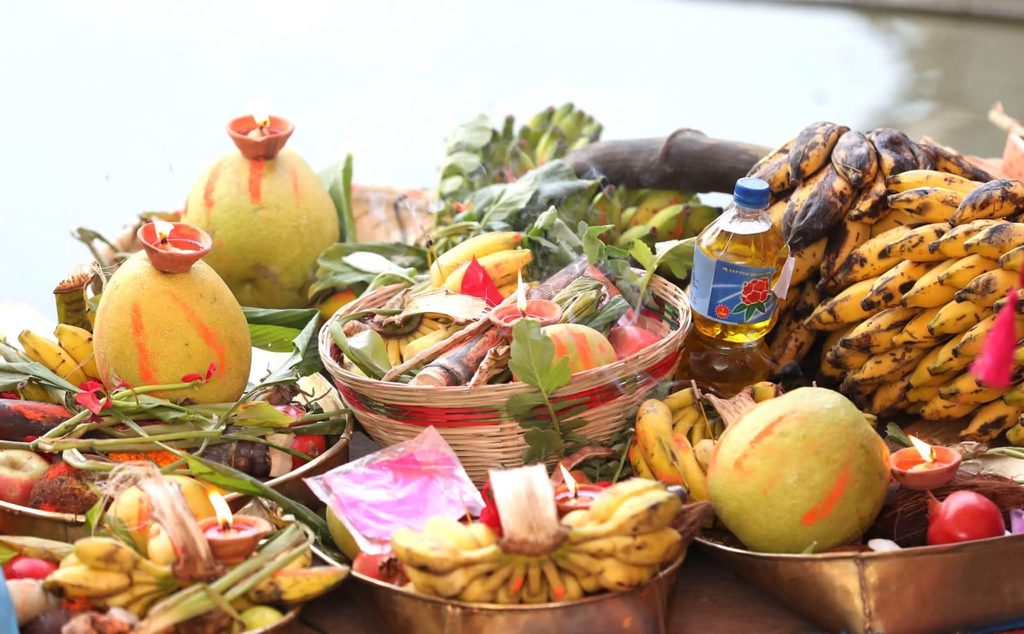
Together, the four days of observance demonstrate the importance of discipline, devotion, family participation and shared cultural traditions. Traditional Chhath offerings are generally based on local and seasonal products, including bananas, sugarcane, coconuts, wheat-based thekua and flowers. Bamboo baskets, clay vessels and banana leaves are also commonly used. These practices provide a strong connection between the festival and local agriculture, traditional craftsmanship and sustainable consumption.
The Embassy of Nepal Highlights Chhath’s Environmental Significance
In its environmental message, The Embassy of Nepal, Colombo, Sri Lanka, has connected Chhath’s traditional values with Nepal’s geographical and climatic vulnerability. As a country extending from the Himalayas to the Terai, Nepal depends heavily on its rivers, forests, agricultural land and other natural resources. The Embassy has pointed out that Nepal faces growing environmental challenges, including melting snow and glaciers, changing monsoon patterns and increasing pressure on rivers and water resources.
One of the central messages highlighted by the Embassy is that nature should be respected and protected rather than treated only as a resource for human use. The worship of rivers, the Sun and Earth during Chhath provides a cultural reminder of the importance of maintaining the natural systems that sustain communities. The festival also encourages collective responsibility for clean rivers and public spaces. In the days leading up to Chhath, communities participate in cleaning riverbanks, ponds, ghats and surrounding roads to prepare for the celebrations.
These community-led activities demonstrate how cultural and religious traditions can encourage environmental action and cooperation. The Embassy has also highlighted efforts to promote plastic-free Chhath celebrations through the use of clay lamps, bamboo soop baskets and banana leaves instead of plastic materials. Such practices can help reduce unnecessary waste during large public gatherings while supporting traditional products and local artisans.
Local and seasonal consumption is another environmental aspect of the festival. Traditional offerings are prepared using agricultural products available in local markets and communities. Thekua made from wheat and jaggery, sugarcane, bananas, coconuts and seasonal fruits form an important part of the offerings. This approach supports local producers and reflects the value of using natural materials and locally available food. The discipline associated with fasting also provides an opportunity to reflect on the importance of natural resources, particularly water.
The Embassy has drawn attention to the traditional 36-hour Nirjala fast, observed without food or water by devotees who undertake it, as a reminder of self-discipline and the value of water. Individual fasting practices, however, vary according to family traditions and personal observance. The worship of the Sun also connects the festival with discussions about renewable energy. As Nepal continues to explore solar energy development in different geographical regions, the Sun’s central place in Chhath offers a cultural opportunity to highlight the importance of clean and renewable energy sources.
The Embassy of Nepal Promotes Cultural Diplomacy Through Chhath
Chhath Puja is increasingly celebrated among Nepali communities living abroad, extending Nepal’s cultural traditions beyond its national borders. In Colombo, Nepali families gather near the sea and in community spaces to observe the rituals, offer Arghya and share traditional foods such as thekua with friends and neighbours. The Embassy of Nepal, Colombo, Sri Lanka, has described these celebrations as an opportunity for cultural diplomacy, allowing Nepal to share its traditions and environmental values with people from other countries. By introducing the festival to Sri Lankan communities and international audiences, Nepali families help strengthen people-to-people connections and promote greater understanding of Nepal’s cultural heritage.
The Embassy has also highlighted the shared environmental challenges faced by Nepal, Sri Lanka and the Maldives. While Nepal’s geography is closely connected with the Himalayan environment and river systems, the island nations of the Indian Ocean face challenges associated with rising sea levels and changing coastal conditions. The festival’s message of respect for the Sun, water and Earth offers a common cultural perspective on the importance of protecting the natural environment. Through Chhath celebrations abroad, Nepal’s cultural identity can be promoted alongside messages of environmental responsibility, community participation and sustainable living. Such activities also provide opportunities to strengthen cultural relations between Nepal and its international partners.
Embassy Calls for Environment-Friendly Chhath Celebrations
On the occasion of Chhath Puja, The Embassy of Nepal, Colombo, Sri Lanka, has encouraged communities to carry the festival’s environmental message beyond the four days of celebration. Its appeal includes keeping rivers and ponds clean throughout the year, avoiding plastic at ghats, planting trees, protecting water resources and increasing the use of solar energy. The Embassy has emphasised that the values behind the festival are as important as its rituals. Passing these values to younger generations can help preserve both cultural traditions and respect for nature. The message is particularly relevant at a time when communities across the world are increasingly concerned about environmental protection and climate change.
Extending heartfelt Chhath greetings to Nepalis, Sri Lankans, Maldivians and friends of Nepal, the Embassy has wished everyone health, happiness, prosperity and a clean, green planet. Through its message, The Embassy of Nepal, Colombo, Sri Lanka, has presented Chhath Puja as an important expression of Nepal’s living cultural heritage and environmental philosophy. The festival’s message of gratitude towards nature also provides an opportunity to promote Nepal’s cultural identity internationally while encouraging responsible relationships with the rivers, land and natural resources that sustain life.