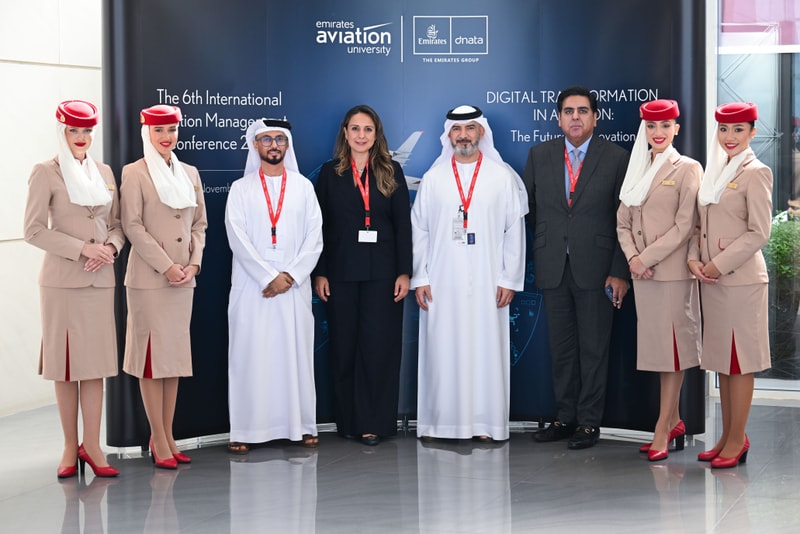
Digital transformation took centre stage as more than 250 aviation professionals, academics, researchers and industry representatives gathered at Emirates Aviation University (EAU) for the sixth edition of the International Aviation Management Conference (IAMC 2026). The two day conference, held on November 16-17, brought together global aviation experts to examine how emerging technologies are reshaping the industry. The event focused on the growing role of digital innovation in improving operational efficiency, strengthening resilience and enhancing passenger experiences. It also provided a platform for sharing research, discussing industry challenges and exploring the future direction of global aviation.
IAMC 2026 Brings Together Global Aviation Leaders
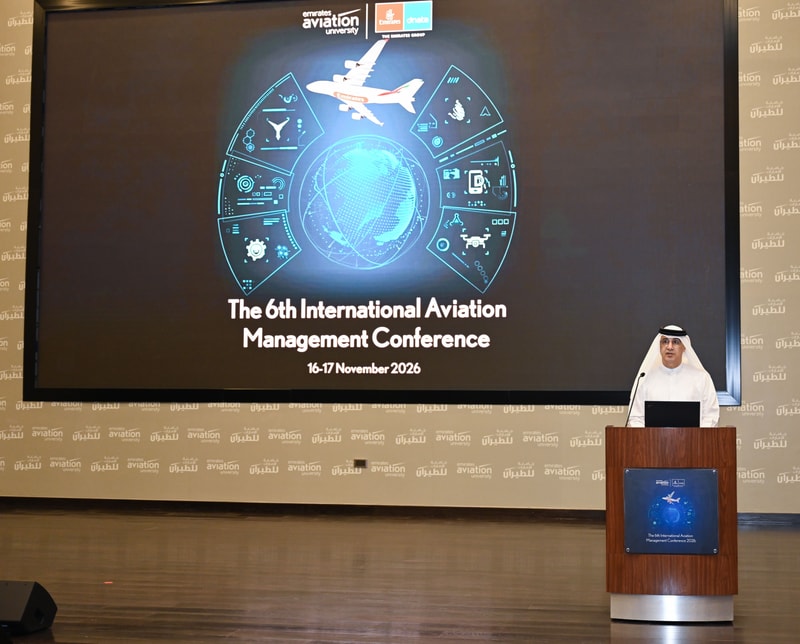
Held under the patronage of His Highness Sheikh Ahmed bin Saeed Al Maktoum, Chairman and Chief Executive of Emirates Airline and Group, IAMC 2026 continued the university’s biennial initiative to connect academic research with practical industry knowledge. The conference featured keynote presentations, research paper sessions and expert panel discussions. Participants explored the technologies, trends and innovations influencing aviation operations and management. The gathering also encouraged collaboration between academic institutions and aviation industry stakeholders.
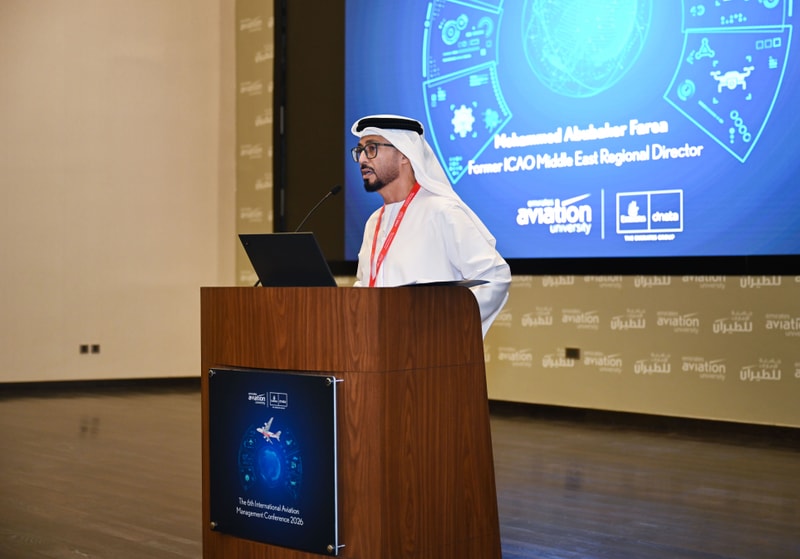
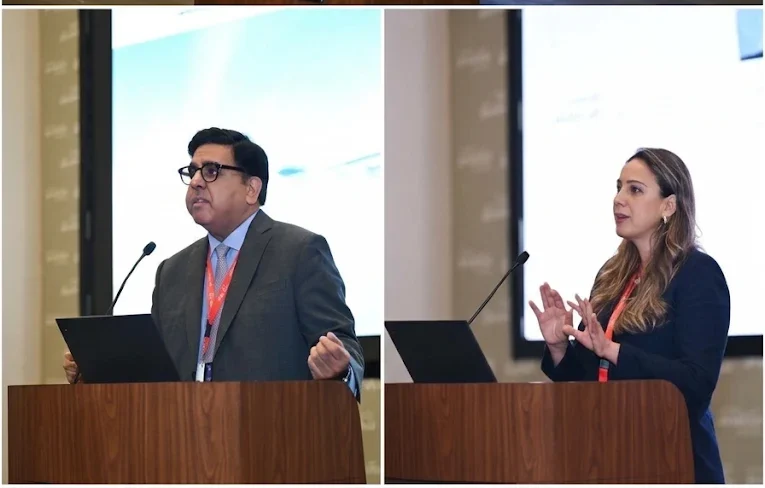
The opening programme featured prominent speakers representing major international aviation organisations and institutions. Speakers included Talal Al Hammadi, Vice President of Air Traffic Development at Dubai Air Navigation Services (dans); Kashif Khalid, Director of Operations, Safety and Security Affairs at IATA; and Mohammed Abubaker Farea, former ICAO Middle East Regional Director. The programme also featured Dr. Selda Konukcu, Senior Director of Commercial Aircraft Sales at Airbus, and Professor Bijan Vasigh of Embry Riddle Aeronautical University. Their participation brought perspectives from air navigation, aviation safety, aircraft manufacturing and academic research.
Digital Innovation Shapes Aviation’s Future
The central theme of IAMC 2026 was the growing influence of digital transformation across the aviation sector. Discussions examined how emerging technologies can improve operational processes, increase efficiency and support better decision-making. The conference also addressed the potential of innovation to enhance customer experiences while helping aviation organisations respond to changing industry demands. These discussions highlighted the importance of adopting technology as the sector prepares for its next phase of development. Experts also explored how digital solutions can help aviation organisations adapt to evolving operational requirements and remain competitive in a rapidly changing global industry.
Professor Dr Ahmad Al Ali, Vice Chancellor of Emirates Aviation University, said digital transformation was creating new opportunities to improve efficiency, resilience and customer experience across aviation. He explained that the conference aimed to bring together industry and academic leaders to exchange insights, present innovative research and explore technology-driven solutions. He also highlighted the university’s commitment to supporting a smarter and more sustainable aviation future. According to him, IAMC provides an important opportunity to strengthen knowledge-sharing across the global aviation community. He emphasised that collaboration between academia and industry is essential to turning technological developments and research findings into practical advances for the aviation sector.
Strengthening Aviation Research and Industry Collaboration
IAMC 2026 continued a series of conferences designed to encourage research, knowledge exchange and stronger partnerships between aviation professionals and academic institutions. Its programme provided researchers and industry representatives with opportunities to share findings and examine emerging developments affecting the sector. By bringing different areas of aviation expertise together, the conference supported discussions on practical challenges and potential technological solutions. Such collaboration is increasingly important as aviation operations become more interconnected and technology-driven.
The sixth edition also reinforced Emirates Aviation University’s role in advancing aviation education and professional development. Through initiatives such as IAMC, the university aims to support innovation, contribute to industry knowledge and prepare future aviation leaders. The conference’s focus on digital transformation reflected the sector’s growing need for skilled professionals who understand both aviation management and emerging technologies. Its discussions and research exchanges are intended to contribute to a more efficient, resilient and sustainable global aviation industry.