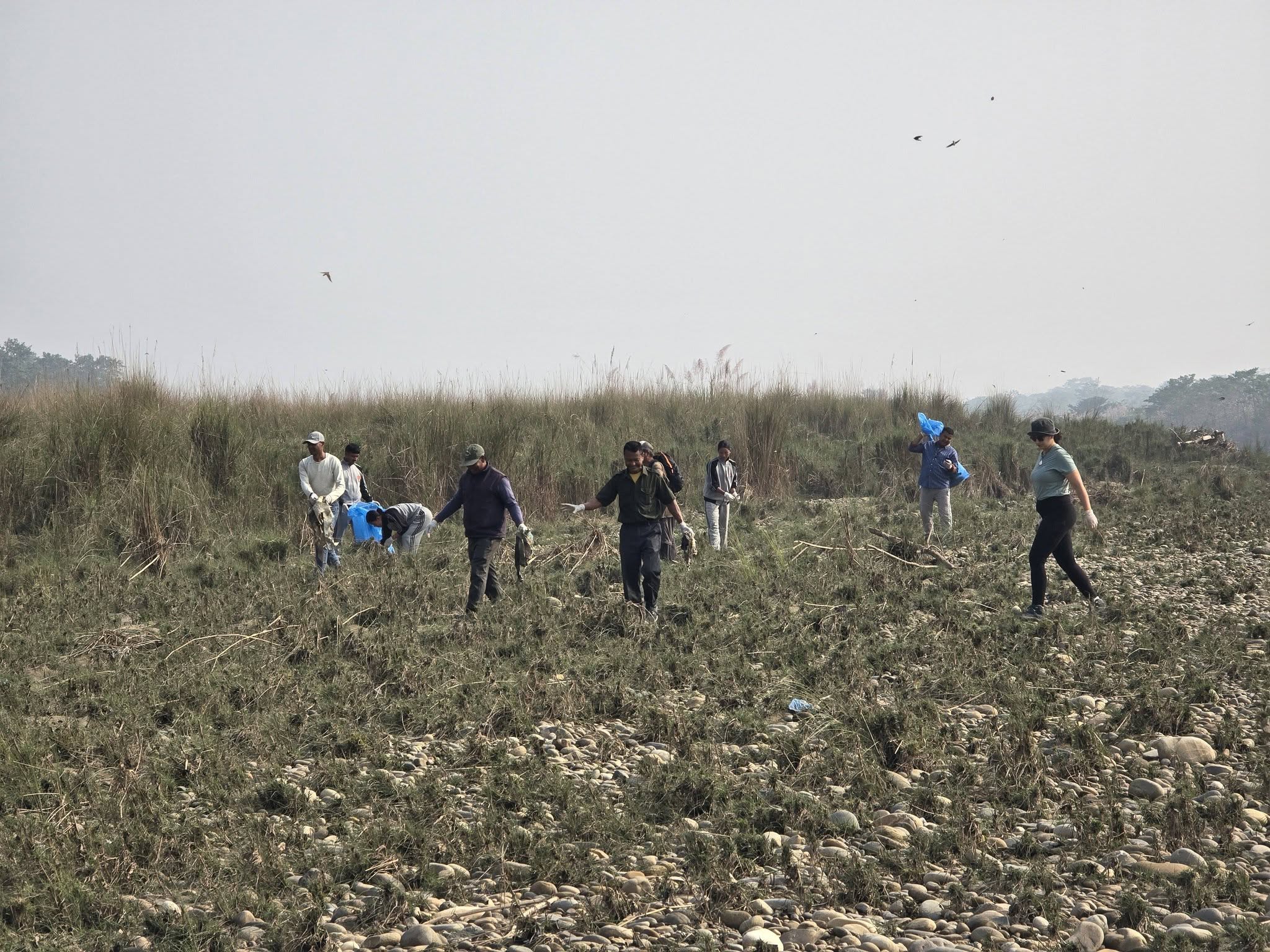
A large-scale river conservation campaign along the Rapti River has brought together local communities, conservation organisations, government agencies, tourism stakeholders and volunteers to protect the river’s natural environment and biodiversity, strengthening conservation efforts across Makwanpur and Chitwan. The campaign was organised to mark the Fourth Rapti River Day 2026, with cleanup and awareness activities conducted at multiple locations along the river corridor stretching from Bhimphedi in Makwanpur to Gholaghat in western Chitwan.
The initiative highlights the growing importance of environmental conservation in protecting Nepal’s natural tourism destinations, particularly areas associated with wildlife tourism, nature-based travel and indigenous heritage. The Rapti River is an important ecological resource flowing through Hetauda, Manahari and Chitwan National Park before joining the Narayani River in western Chitwan. Its riverbanks and surrounding landscapes support diverse wildlife, aquatic species and birdlife while contributing to the natural attractions of the region.
The campaign was conducted under the slogan “Clean Rapti and Indigenous Identity, Wildlife and Aquatic Life Conservation: Our Common Campaign,” with activities organised simultaneously at more than a dozen locations along the river. The initiative included community participation, waste collection, environmental awareness and collaboration among organisations working in river conservation and tourism-related areas.
River Conservation Campaign Covers 121-Kilometre Stretch
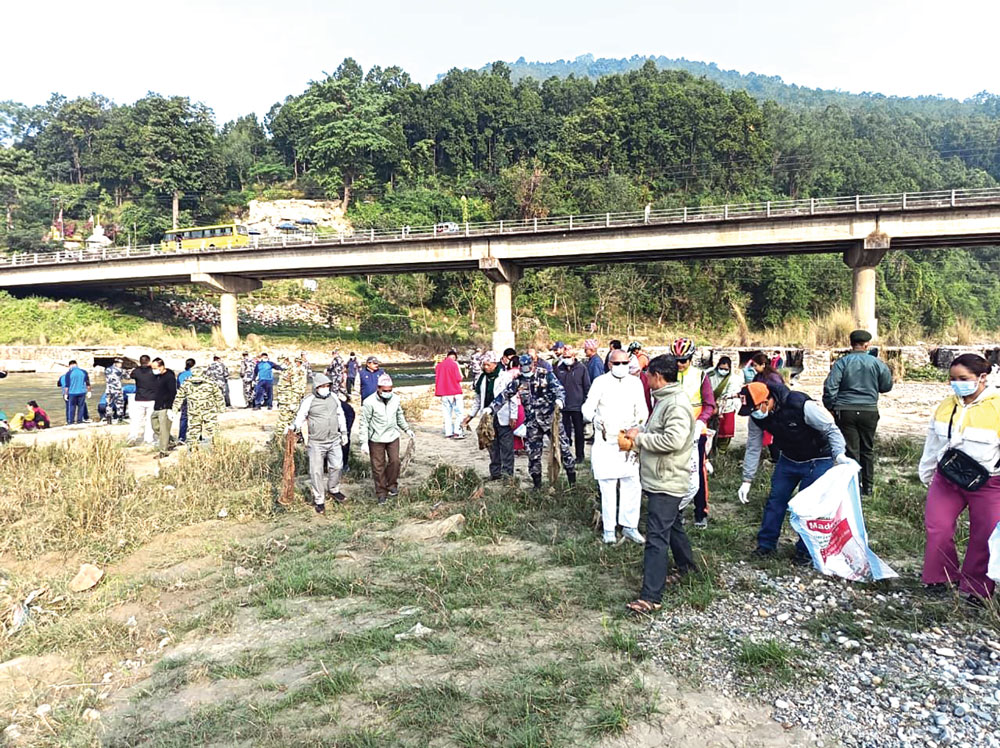
The cleanup campaign extended along approximately 121 kilometres of the Rapti River corridor, connecting Bhimphedi in Makwanpur with Gholaghat in Chitwan. A team from Cycle City Makwanpur initiated the campaign from Bhimphedi, while several organisations and local stakeholders conducted cleanup activities at different riverside locations. In Hetauda, a major cleanup programme was organised around the Rapti River Bridge with the participation of the Division Forest Office, Makwanpur; Hetauda Sub-Metropolitan City; District Police Office, Makwanpur; Armed Police Force’s No. 14 Battalion; Himalayan Riders Society; Federation of Community Forestry Users Nepal; and other organisations and media representatives.
Meena Kumari Lama, mayor of Hetauda Sub-Metropolitan City, and Rakesh Prasad Chandravanshi, divisional forest officer at the Division Forest Office, Makwanpur, initiated the programme by collecting waste from the riverside. More than one tractor-load of waste was collected from the Hetauda section during the campaign, according to Basanta Raj Gautam, senior forest officer at the Division Forest Office, Makwanpur.
The campaign was coordinated with conservation agencies, local governments and organisations involved in river conservation, reflecting the importance of collective participation in maintaining the cleanliness of natural resources. The initiative also encouraged awareness among local communities about the need to prevent waste disposal along riverbanks and protect the surrounding environment.
Meghauli Community Leads River Conservation Initiative
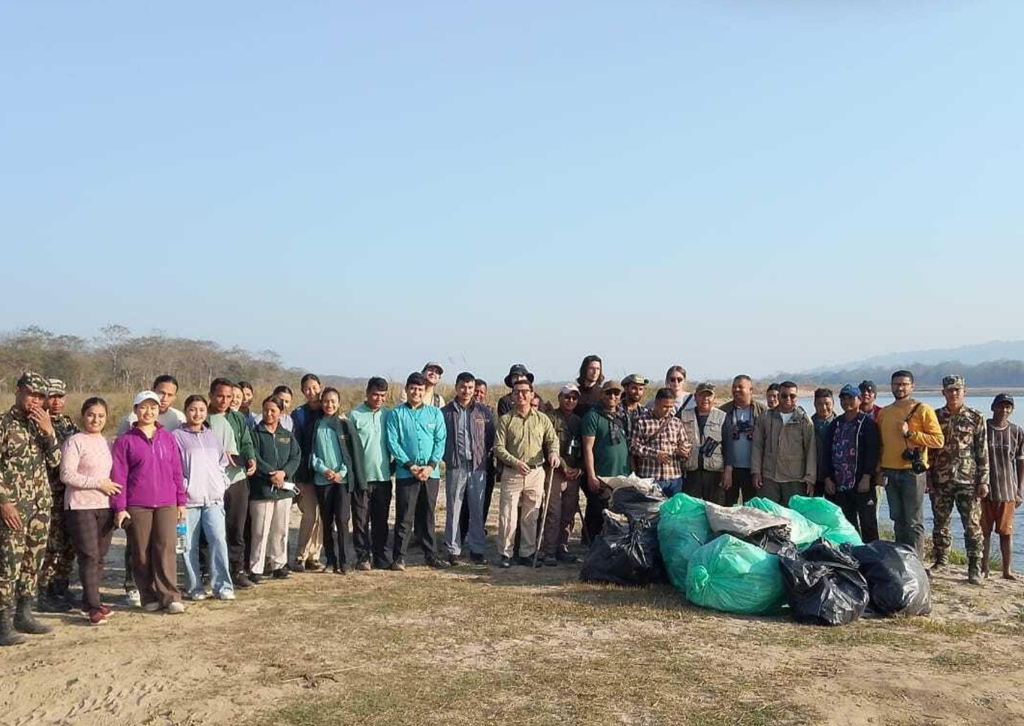
In western Chitwan, the Meghauli Ghatgai Nature Guide Association led the Fourth Rapti River Cleaning Programme, bringing together local authorities, security agencies, conservation organisations, community groups and tourism-sector representatives. The programme was organised to mark Rapti River Day, which has been observed annually on the first day of Mangsir since 2080 BS to preserve the river’s natural environment, cultural heritage and historical significance. The initiative seeks to protect the river from pollution while promoting awareness of the importance of conserving its ecosystem.
The cleanup programme received support from the Meghauli Ranger Post, Naya Gorakh Gan (Gha Gulma), Meghauli Users Committee, Nepal Tiger Trust, Wildfowl and Postcard Resort, among other organisations. Community members and volunteers also participated in the initiative, contributing to the collective effort to maintain the river’s cleanliness and protect its surrounding natural environment. The participation of tourism-related organisations and hospitality businesses highlights the connection between environmental conservation and destination development.
Meghauli is recognised for its nature-based tourism experiences, including wildlife observation, jungle activities and community-based tourism, while the Rapti River forms an important part of the area’s natural landscape. Conservation activities along the river are expected to support the preservation of the scenic environment and wildlife habitats that contribute to the attractiveness of Chitwan’s tourism destinations.
Rapti River Supports Wildlife, Biodiversity and Nature-Based Tourism
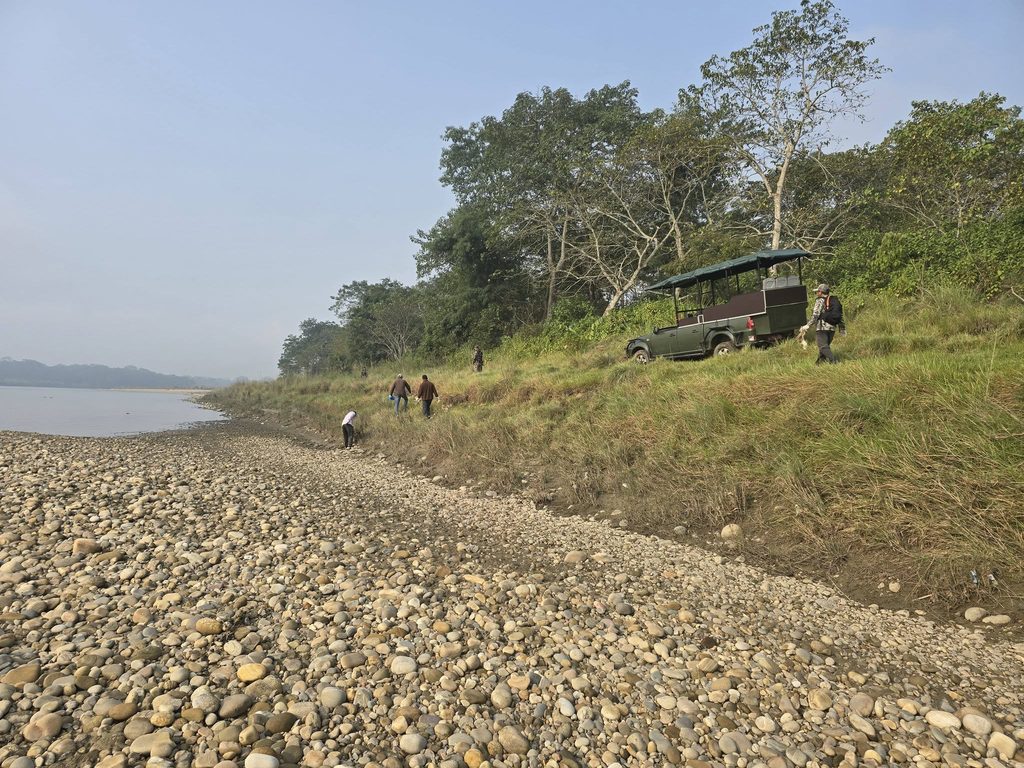
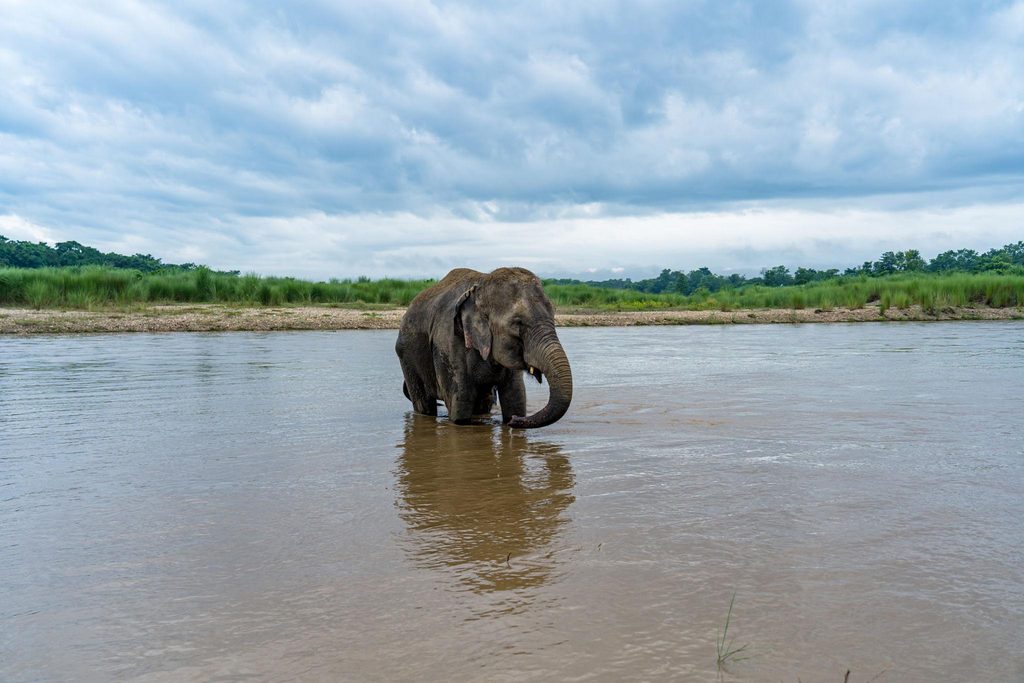
The Rapti River is an important ecological corridor supporting a diverse range of aquatic and terrestrial wildlife. The river and its surrounding habitats provide shelter for gharial crocodiles, otters, turtles, fish species and resident and migratory birds. Its ecological significance is particularly important in areas connected with Chitwan National Park, one of Nepal’s prominent wildlife tourism destinations. The river also contributes to the natural landscapes and wildlife experiences enjoyed by visitors travelling to destinations such as Sauraha and Meghauli. Protecting the river’s water quality, riverbanks and surrounding habitats is therefore important for sustaining biodiversity and maintaining the environmental value of the region’s tourism attractions.
The Rapti River is also closely connected to the livelihoods, culture, traditions and identity of indigenous communities living along its banks. Conservation initiatives seek to preserve both the ecological resources of the river and the cultural heritage associated with it. Environmental advocates and organisers have emphasised that maintaining a clean river environment is important for protecting wildlife habitats, preserving scenic beauty and ensuring that natural resources remain available for future generations. Reducing pollution, particularly plastic waste, is among the key objectives of the annual river conservation campaign.
Long-Term Community Participation Strengthens Conservation Efforts
The annual Rapti River Day campaign reflects the continued efforts of local communities and conservation stakeholders to protect the river and its surrounding landscapes. The activities organised in Makwanpur and Chitwan demonstrate the importance of cooperation between local governments, conservation agencies, security forces, community organisations, tourism businesses and volunteers. Apil Ghimire, a 43-year-old resident of Bharatpur Metropolitan City-13, has been conducting a river and forest cleanup campaign since February 6, 2016.
He claims to have collected approximately 25,000 metric tonnes of waste from rivers and forests over the past 11 years. His campaign covers areas including Patihani, Sauraha, Meghauli, Jagatpur and Gholaghat in western Chitwan, as well as Bhimphedi and riverside areas of Hetauda in Makwanpur. During the initial years of his campaign, local communities, community forest user groups, students, the Nepali Army and Chitwan National Park staff supported the cleanup activities, which were conducted regularly on Saturdays.
The waste collected included plastic, glass, water bottles, fast-food wrappers, gutkha packets, iron and copper items, among other materials. Bishnu Prasad Acharya, divisional forest officer at the Division Forest Office, Chitwan, also emphasised the importance of collective action to protect rivers and streams from pollution, encroachment and exploitation. He highlighted the significance of rivers as natural resources closely connected to human civilisation, history, culture and traditions, calling for greater public participation in conservation efforts.
Preparations are also underway to organise a national gathering of river conservation campaigners in Chitwan, further encouraging collaboration among individuals and organisations working to restore and protect rivers across Nepal. The Fourth Rapti River Day campaign reinforces the importance of environmental conservation in sustainable tourism development. Through continued community participation, river cleanup activities and cooperation among conservation and tourism stakeholders, the initiative aims to protect the Rapti River’s natural and cultural heritage while supporting the long-term sustainability of tourism destinations across the Chitwan region.